Askrigg, North Yorkshire
Askrigg photos
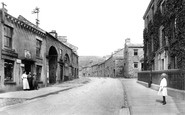
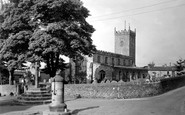
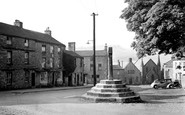
Displaying 1 of 28 old photos of Askrigg. View all Askrigg photos
Askrigg maps
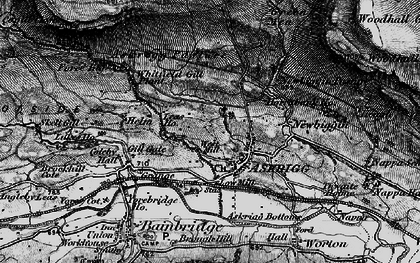
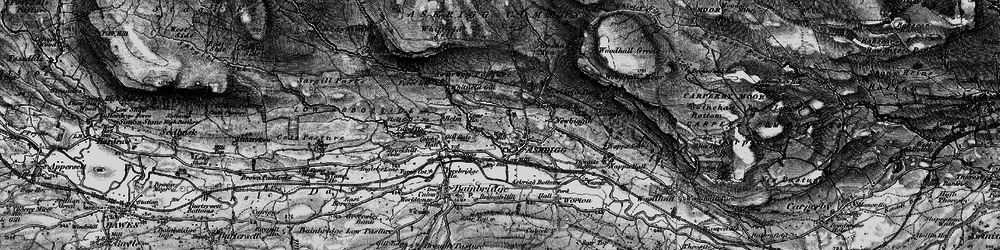
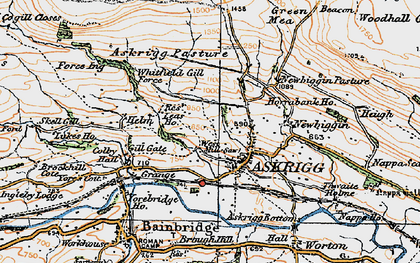
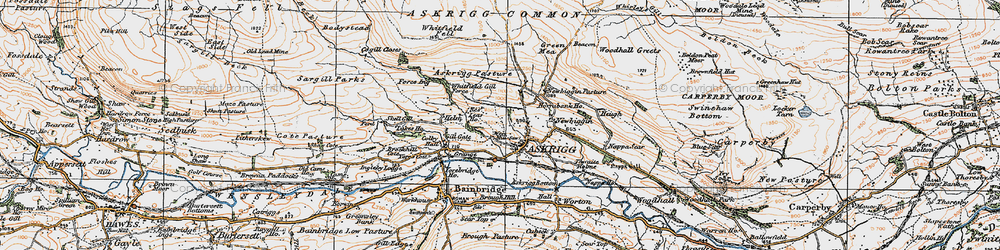
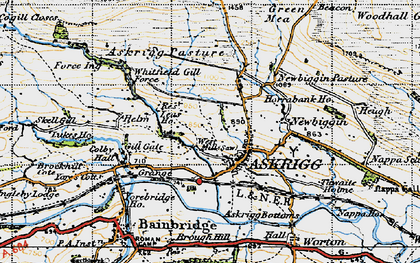
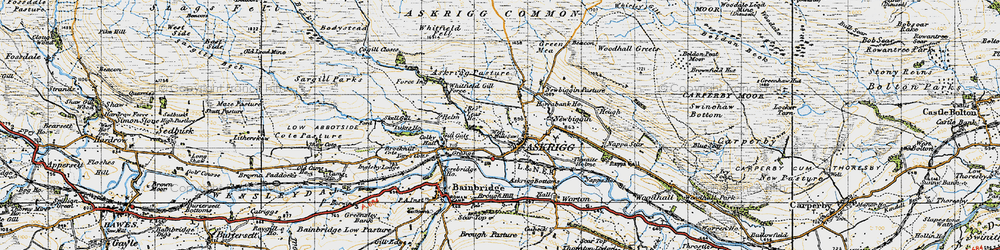
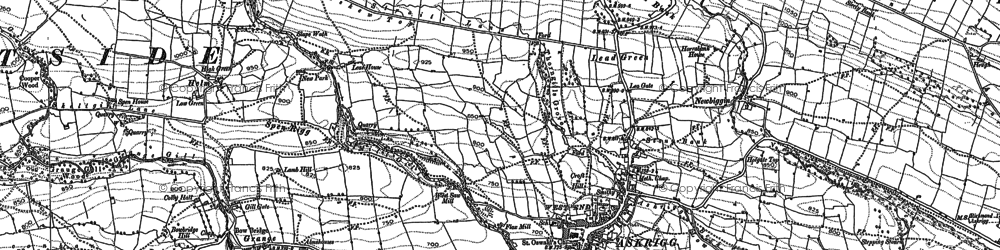
Historic maps of Askrigg and the local area, hand-drawn by Ordnance Survey and Samuel Lewis. View all Askrigg maps
Askrigg books
Displaying 3 of 22 books about Askrigg and the local area. View all Askrigg books
7 Askrigg photos appear in 3 Frith book titles. You can read extracts and browse photos from these books.
Memories of Askrigg
Displaying a selection of personal
memories of Askrigg
.
Add your memory of Askrigg
or of a photo of Askrigg.
Winnville opposite Askrigg Post Office was the residence of George Winn and his wife Elizabeth. George was born in 1808 in Nappa Hall Askrigg along with his brothers Richard Metcalfe Winn and John Winn who became the vicar of St Andrews Church in Aysgarth. George followed the family tradition and became a solicitor.
His son William Edmund Metcalfe Winn was... [more]
Shared on 06 July 2006
North Yorkshire memories
My great-great-great-grandad was a blacksmith at Countersett - and I am thinking of coming over from Lincoln to see if there are any Metcalfes buried in the churchyard. He was born in 1805, and married Elizabeth Armstrong who was born 1811.
Shared on 27 October 2009
The House on the left of the photo was my Nanna And Grandad's house.
Shared on 24 January 2007
I cycled with my friend Mike Porter and also several times with another friend Derrick Wheatley when we were in the Richmond Cycling Club.
Shared on 12 October 2009
My great great grandparents arrived in Redmire in the 1840s or thereabouts.
This photo was taken in 1929 when my mother would have been about nine or ten. She was born in Redmire in 1921 to George and Ellenor Miller who had five more children William, Ethel, Lillian, John and Mary. The family were all stonemasons through the census years.... [more]
Shared on 10 April 2007
I had the best nights out of my life in the George Inn after working at Greenfield Estate where I met my late wife Beth Connel. We married at Hubberholme Church in 1984 and moved to Horton. The George was full of local characters the landlord Bill Jones lived there with his mum (Mar) and Dad Elise who told you off... [more]
Shared on 08 February 2007
Draycott Hall was the home of the Denys family. Sir George Deny wrote in his 1836 journal in Spain.
“To my Uncle, whose Heir I am…Dear Uncle, I’ve waited to hear, of your death so, alas! very long, That, despairing, I yield to the fear, that you must be undieably strong. Besides your unlimited wealth - How can you all decency... [more]
Shared on 03 February 2007
This is the inn that was used in the popular BBC TV series 'All Creatures Great and Small', which was based on the books by the vet James Heriot. (From information sent in to the Frith Memory Archivist.)
Shared on 06 June 2008
Extracts From Askrigg & North Yorkshire books
Displaying a selection of extracts from Frith books about Askrigg, inspired by Frith photos.
Yorkshire Photographic Memories
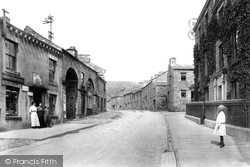
Askrigg was already prosperous when the Domesday book was compiled, and continued as the commercial and industrial centre of Upper Wensleydale until 1699, when Hawes was granted a market charter. Many of the people who worked in the mills or mines lived in dilapidated cottages hidden behind the imposing three-storey buildings on the main street.
Read more and see photos from this book.
Nottinghamshire Photographic Memories
Askrigg was already prosperous when the Domesday book was compiled, and continued as the commercial and industrial centre of Upper Wensleydale until 1699, when Hawes was granted a market charter. Many of the people who worked in the mills or mines lived in dilapidated cottages hidden behind the imposing three-storey buildings on the main street.
Read more and see photos from this book.
North Yorkshire Photographic Memories
The staff of Askrigg post office pose for the cameraman. Many of the buildings along the main street are imposing, three-storey houses, dating from the period when the town was a centre for lead-mining, cotton and worsted manufacture. Only the ordinary workers lived in nearby dilapidated cottages.
Read more and see photos from this book.