Auckland Park, County Durham
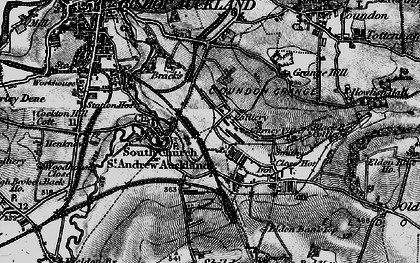
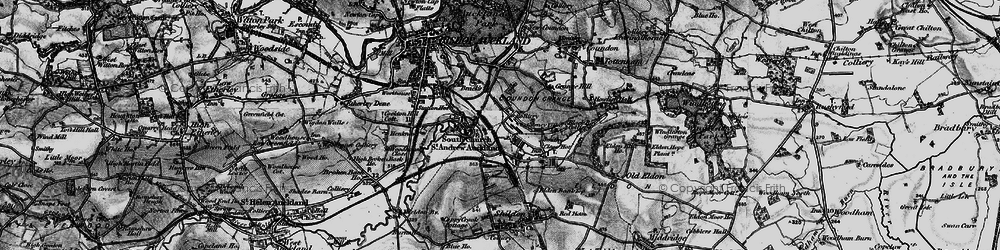
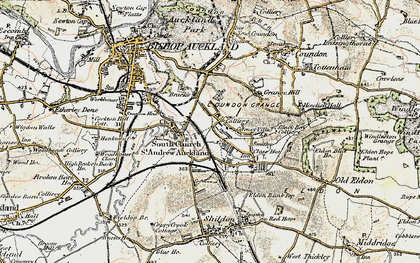
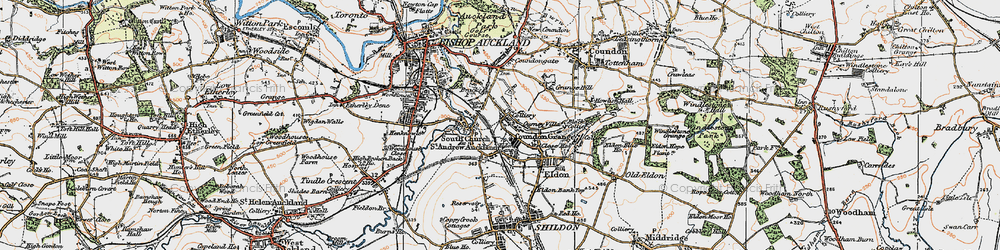
Auckland Park maps
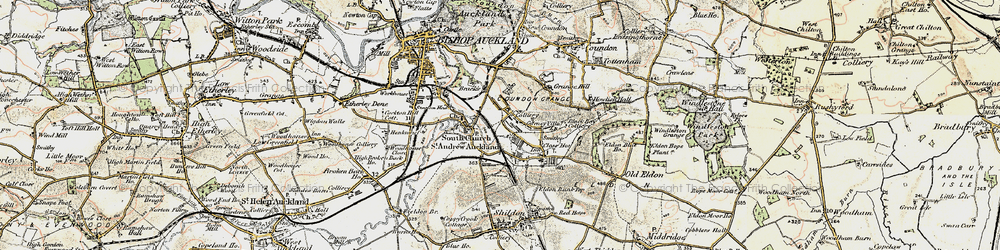
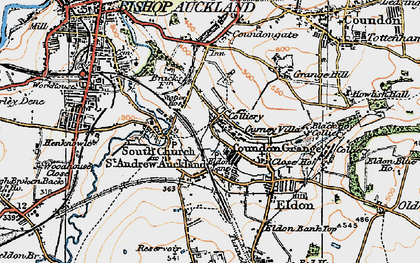
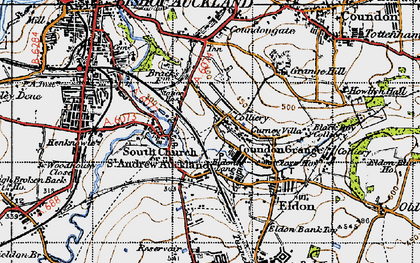
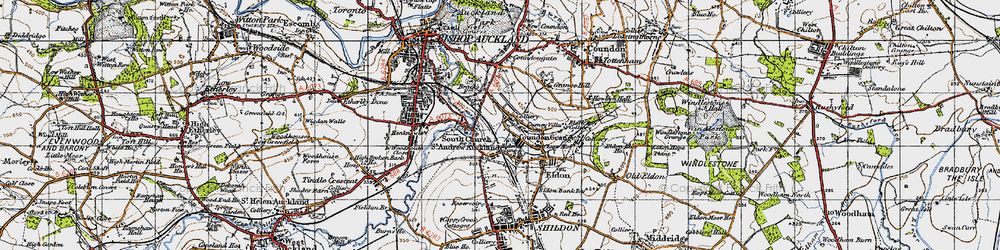
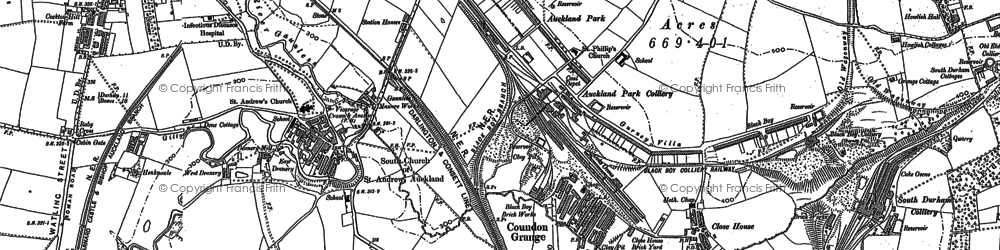
Historic maps of Auckland Park and the local area, hand-drawn by Ordnance Survey and Samuel Lewis. View all Auckland Park maps
Auckland Park photos
We have no photos of Auckland Park, although we do have photos of these nearby places: Bishop Auckland, ShildonAuckland Park books
Displaying 2 of 3 books about Auckland Park and the local area. View all Auckland Park books
You can read extracts and browse photos from these books.
Memories of Auckland Park
No memories of Auckland Park have been shared yet - be the first!
Add your memory of Auckland Park
or of a photo of Auckland Park.
County Durham memories
On September 15, 1949, I started attending Mount School at the ripe old age of 4 1/2. The School was located in the Market Place. I travelled with a small group of students from Eppleby to Darlington and then on to Bishop Auckland on the United bus number 1 which stopped quite near the front door of the school.
The... [more]
Shared on 02 March 2009
I remember going down the field when there was swings, a roundabout and a slide just by the little woods and further up the pit heaps were the so-called big woods. We used to all go up to the little woods and play foxes and hounds and some of the games we had were memories that stay with me even now.... [more]
Shared on 13 August 2009
My father and grandmother were born in Shildon and later moved to Darlington, and my father then to Hull. As a child I remember visiting some friends of theirs, Lizzie and Charlie Bowser in Kilburn Street, Shildon. Does anyone have any memories of this couple going back to the 1950s?
Shared on 19 August 2009
I was the vice captain of the Timothy Hackworth Junior School football team when we won the cup and league. I think we won every game of the season. I was in love with Pauline Baker when I was 5 and lived in South St.
Shared on 04 January 2009
This street had changed little until the mid seventies. Today the street is still recogonisible with several of the buildings still looking the same style, but under new ownership.
Shared on 22 May 2007
I believe that in 1946 an RAF plane crashed in Shildon. Does anyone have any information about it? If so, please can you contact my email address via this website.
Shared on 14 January 2007
My gran came from Leasingthorne, moving to Cambridge in the late 1920s. She had a sister named Mary who lived in an end of terrace house near a corrugated tin 'social club', chickens were kept opposite. l can remember an Uncle 'Tiser'. Mary had two Yorkshire terriers, Dot and Daisy. From her yard you could see the mine where most of... [more]
Shared on 13 August 2009
Born and bred in Red Houses (then Red House Estate) at a time when everyone took time and effort to keep their home and gardens beautiful. Everyone knew everybody and it was a community that looked after each other. I remember going down to the infants' school (just off from cricket field) having a birthday and being given a cardboard cake... [more]
Shared on 28 September 2006
Extracts From Auckland Park & County Durham books
Displaying a selection of extracts from Frith books about Auckland Park, inspired by Frith photos.
This typical High Street view could be of any village in the north-east. This is the 1950s version of today's modern superstore, where you can buy everything from ice cream to petrol. Note the sign at the newsagents for Eldorado ice cream, which was very popular at the time and one of the main competitors of Walls. The Northern Echo newspaper is still one of the most... [more]
Read more and see photos from this book.
The main A177 road south from Shincliffe leads to Coxhoe; it may follow the course of an old Roman road. The villages in this area are situated on the Magnesian limestone hills, which are typical of the east Durham countryside between Hartlepool and South Shields. The local limestone has been used in the past as building material, most notably to cement together the bricks of Durham Cathedral.
Read more and see photos from this book.
Although it is near the church, it is still hard to understand why the war memorial was originally placed in a field on the outskirts of the village. This important monument has now been relocated close to the centre of the village, and it is now clearly visible and accessible.
Read more and see photos from this book.