Caddington, Bedfordshire
Caddington photos
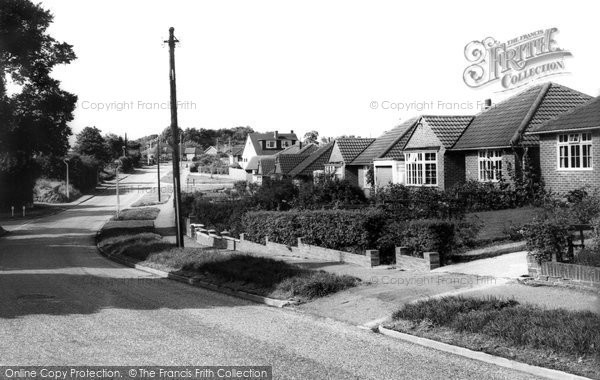
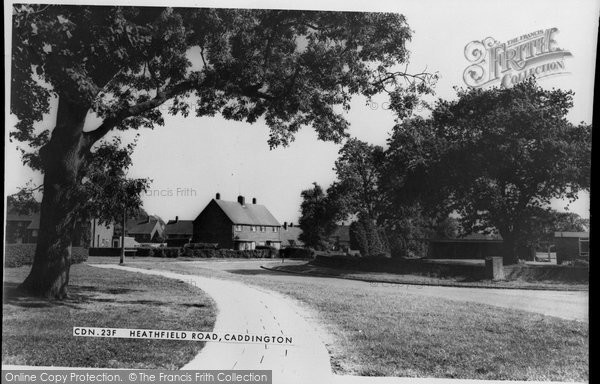
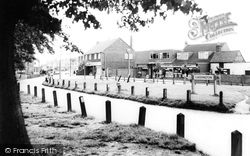
Displaying 1 of 7 old photos of Caddington. View all Caddington photos
Caddington maps
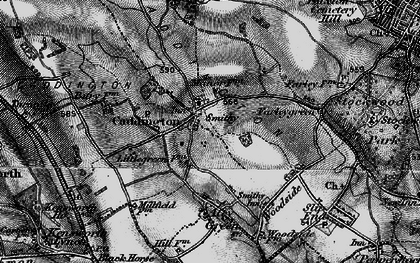
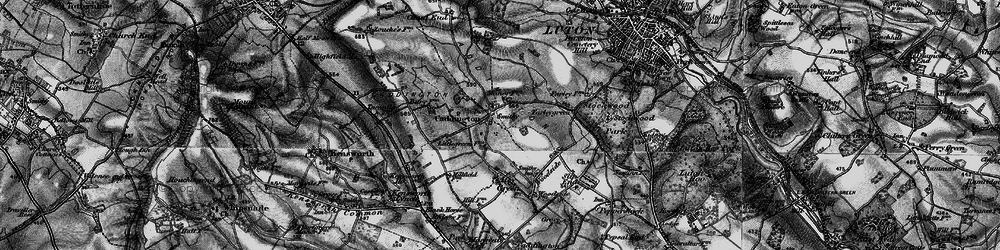
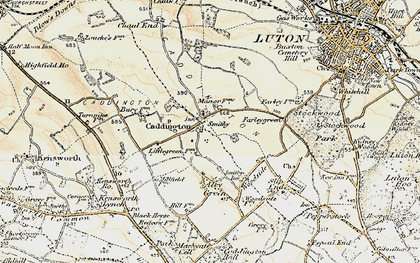
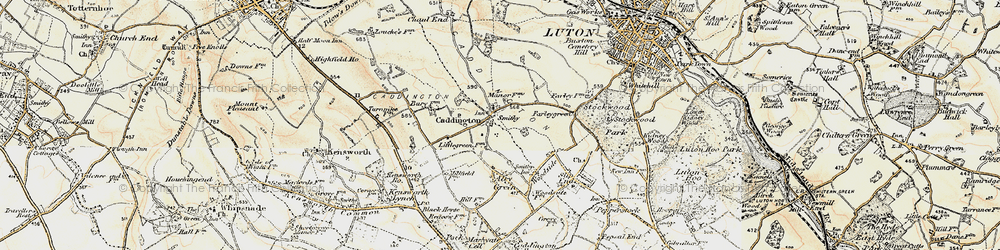
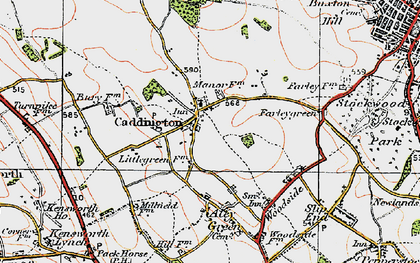
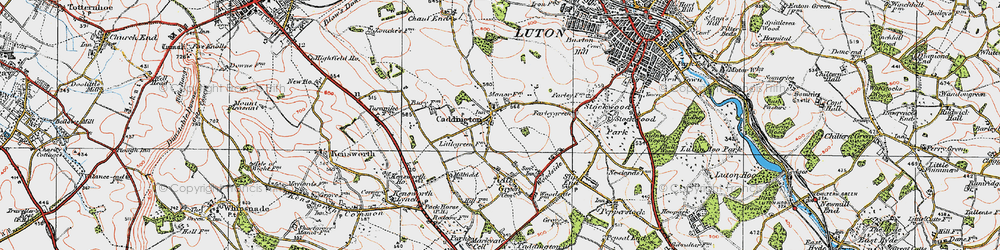
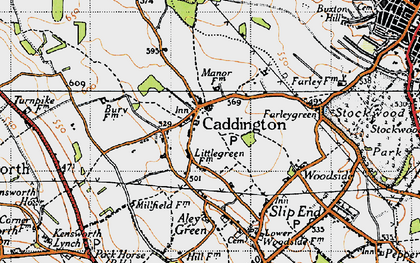
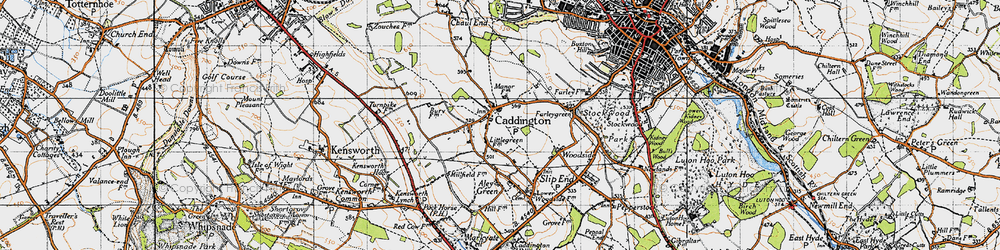
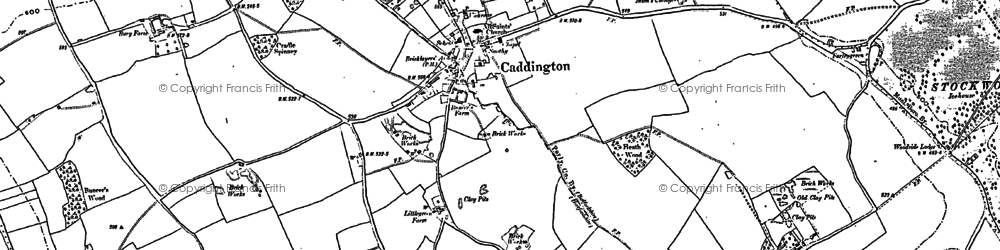
Historic maps of Caddington and the local area, hand-drawn by Ordnance Survey and Samuel Lewis. View all Caddington maps
Caddington books
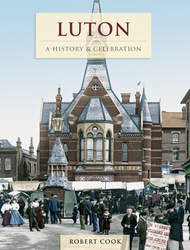
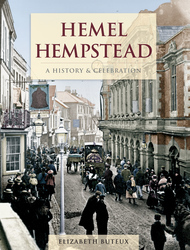
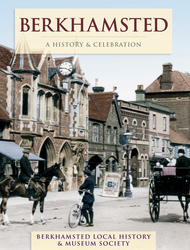
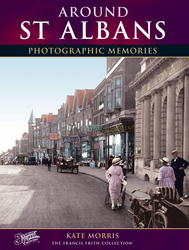
Displaying 3 of 5 books about Caddington and the local area. View all Caddington books
You can read extracts and browse photos from these books.
Memories of Caddington
No memories of Caddington have been shared yet - be the first!
Add your memory of Caddington
or of a photo of Caddington.
Bedfordshire memories
My father, Edmund Harris Biggs, visited Luton in 1918 when he was in England during World War I. He visited what was supposed to be the Biggs family home. It was a large house with a circular driveway and possibly a covered portico. He met an elderly lady, possibly unmarried, knoiwn as Aunt Dyer. I would love... [more]
Shared on 10 August 2009
I was late for the cutting of the first turf when Luton Technical College was being moved from Park Square to what became Barnfield College. It was a cold morning and I had overslept!
The University was to expand onto the Park Square site of the 'Tech' and while the initial works were going on we had no playground and... [more]
Shared on 23 May 2009
Having spent over two years at the old college on Park Square as a student, I started work in 1953 with Seaward Brothers Builders as an apprentice. After two years on the firm they won the contract to build the new Tech. Overall I was there about two years and helped lay the drains, build the walls, point the damp course... [more]
Shared on 13 February 2009
I attended this school from the 8th January 1951 until the end of March 1953. Every morning all classes would attend assembly in this building and would then disperse to their classrooms which were often at other points around the town. My classroom was in the Weslyan Chapel in Chapel Street where I remember I was when the death of George... [more]
Shared on 10 February 2009
When I was about 13 or 14 I would visit this building which was next to the Grand Theatre on Waller Street. By this date the building was used as a Youth Club. I think there was a nominal charge to enter and soft drinks and snacks were available. On one occasion the main hall was blacked out for a film... [more]
Shared on 08 February 2009
The basement, or I suppose crypt, of this building was used by the Technical College as an engineering workshop. We would traipse from the main building on Park Square along Waller Street to enter the workshop which was kitted out with all types of machinery. The teacher was Mr Dual, nicknamed 'Jimmy Jewel' after the popular radio comedian.
Shared on 08 February 2009
I spent many hours in this library until its closure in the early 1960s. Immediately inside was the section where books were handed in on return and new loans were issued. No bar codes and scanning in those days, each book had a card inside which was retained by the librarian after stamping the book. When the new library was opened... [more]
Shared on 08 February 2009
This pub was orginally called "The Mitre", after the Bishop of St Albans.
Shared on 16 January 2009
Extracts From Caddington & Bedfordshire books
Displaying a selection of extracts from Frith books about Caddington, inspired by Frith photos.
These premises became a children's annexe to Luton & District General Hospital. Jane Creasey went there to have a squinting eye corrected in the 1950s. It has also enjoyed time as an Exodus collective with various escapist amusements!
Read more and see photos from this book.
A few miles from Dunstable, through the Downs, and nowadays part of the commuter belt, Castle Hill road links the three ends of Totternhoe, Church, Middle and Lower. A pathway leads up to the castle mound which overlooks the surrounding countryside. Possibly originally a prehistoric fort, it is a motte and bailey earthwork. Totternhoe was the last Bedfordshire parish to be enclosed in 1891.
Read more and see photos from this book.
The church is viewed from the meadows. It was built from the more resistant lower chalk or clunch stone, which is better known for its contribution to the cement industry. The priory held several estates in central Bedfordshire.
Read more and see photos from this book.