Fleet
Fleet photos
Displaying the first of 90 old photos of Fleet. View all Fleet photos
Fleet maps
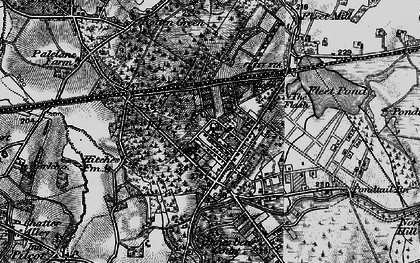
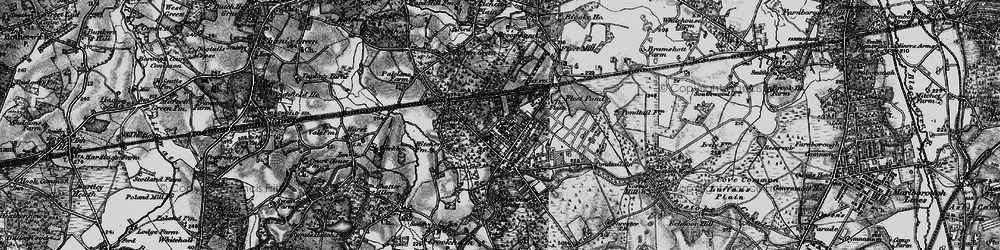
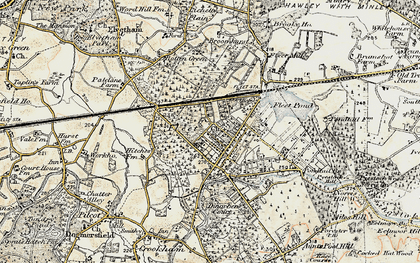
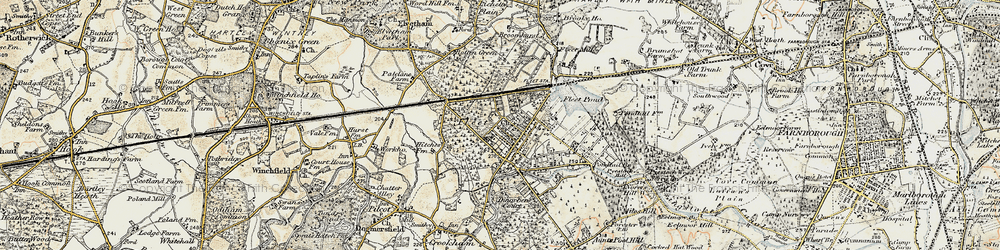
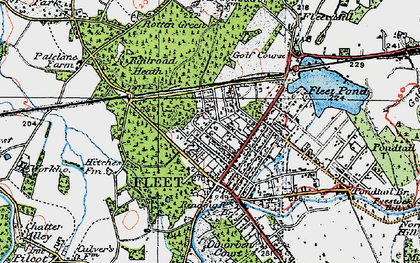
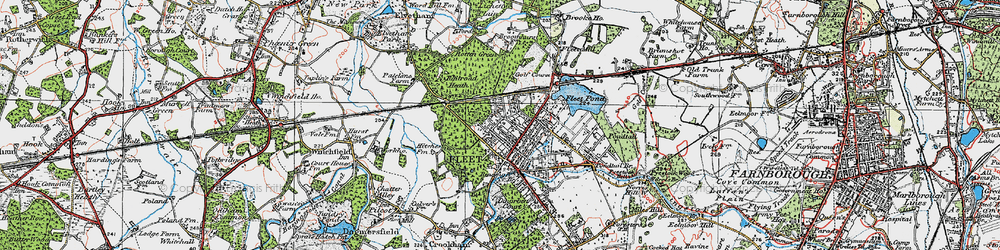
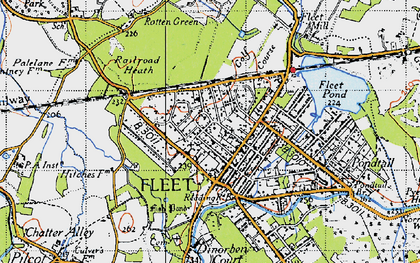
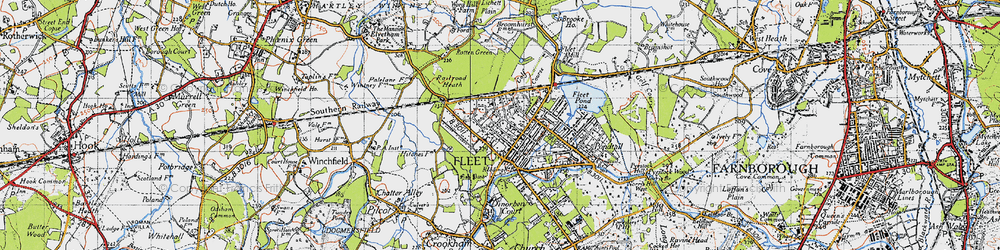
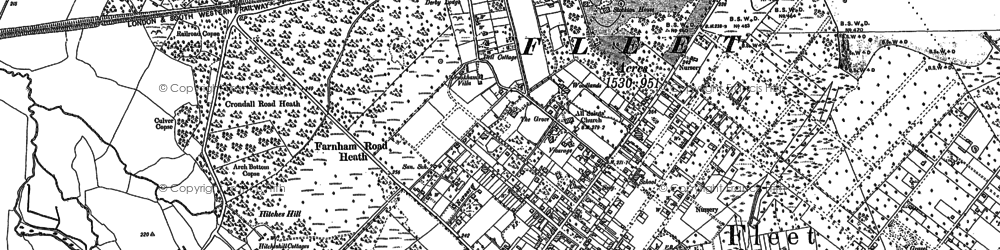
Historic maps of Fleet and the local area, hand-drawn by Ordnance Survey and Samuel Lewis. View all Fleet maps
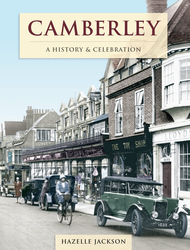
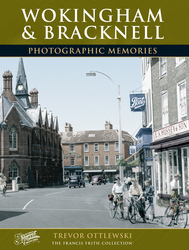
Fleet area books
Displaying 1 of 22 books about Fleet and the local area. View all books for this area
You can read extracts and browse photos from these books.
Memories of Fleet
Displaying a selection of personal
memories of Fleet.
Add your memory of Fleet
or of a photo of Fleet.
Family Home
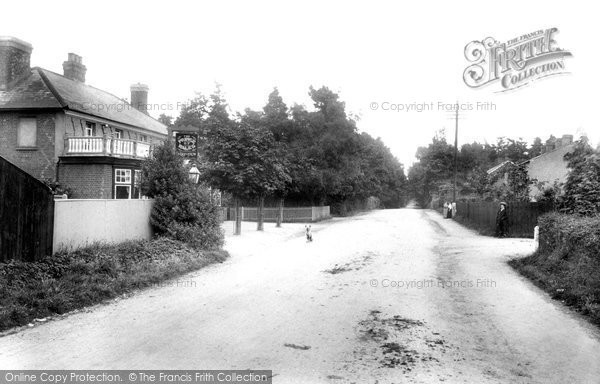
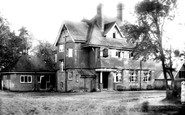
This beautiful house was owned by my grandparents many years ago and was the first place I lived, such a crying shame it is now flats, a piece of family history gone....
Where I Work
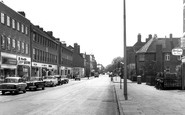
I actually work at Solent dry cleaners now so it's very strange seeing it as it was 46 years ago. I have just told my boss about this photo too x.
My Hometown
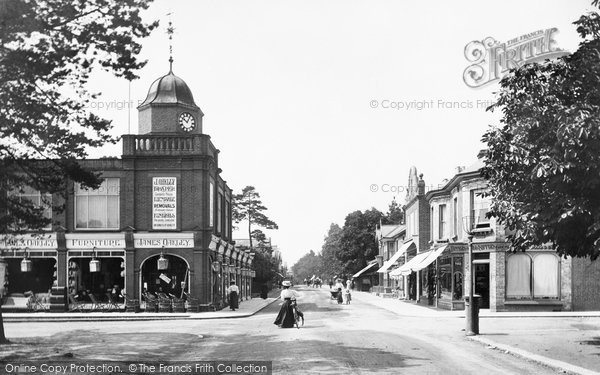
I was born and raised in the Fleet area. My dad (Leonard) had a shop in the High Street, and I used to be friends with Christine who lived at the very top of the High Street, her dad also had a shop. I knew this area well and I remember the milkbar where we went for milkshakes. We used to go to school in Farnborough by steam train, we had to walk down to the station and catch the train to Farnborough, lovely when it was good weather, but not so nice in the rain and snow! I have many lovely memories of this area, and I still miss it so much, it was friendly and everyone knew everyone, vastly different from today! I remember going to Woolworths every Saturday to get some toys or sweets for my brother. There also used to be a sweet shop called "Ye olde tuck shop" which was on the way to the station, we enjoyed going in there. I remember the time... Read more
Hampshire memories
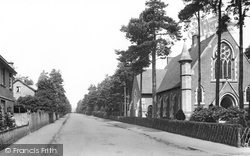
Claremont - Aldershot Road
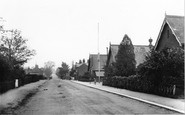
The house on the right hand side of this picture was called Claremont. We lived
there in the early 60s. There were two cottages to the side. In one of those cottages lived a girl called Elizabeth Holland, she used to babysit us. They had the most wonderful vegetable garden. We had fires in all the rooms, but also had paraffin heaters. I would go to the garage which you can just make out in this photo to buy paraffin. The Verne was just to the left. This was a most exciting walk, as there was a newsagents where I could buy comics, Bunty, Judy and Princess. The butcher shop always had bones for the dogs. Further on down Aldershot Road was a fish and chip shop - delicious. Then you would hit some Army buildings. That is where we went to church. Father Scantlebury, he gave us ice cream cakes when we had out first communion! A little further on was the racecourse. Going the other way was the... Read more
A Canadian in Wartime
My father must have arrived in Church Crookham around 1942. About a half dozen Canadian officers were quartered in an extremely 'modern' house, called The White House. My father, a young Captain, always spoke of that house with something approaching awe. For some reason, the sanitary fixtures fascinated him: wash basins in individual bedrooms, something unknown in North America. His bath had tiles embossed with dolphins, I remember him saying.
Even for the officers, transport was generally by bicycle and he became an intrepid cyclist, whereas at home he had always had his own car as a teenager (a Ford Model A, with rumble seat).
Mostly he recalled the kind welcome of the English people: it seems Canadians were preferred to the rather rambunctious Americans.
Busk Crescent
Late in 1945 my parents moved to 25 Busk Crescent, in Cove. The house was on top of a hill and overlooked the Farnborough airfield. From the front bedroom you could see aircraft landing on the runway. The house was one of a string of brand-new red-brick semi’s, built on the crescent and down Fowler Road, bordering an estate which had been constructed in the 1914-18 war. We were one of the earliest tenants on the street and the plaster wasn’t even dry. They said we were not to distemper the walls for at least six months. For some time there were no paths or fences, just mud and a few planks to walk on. Eventually a concrete path was laid to the street. At the back about ten feet of wooden privacy fence was attached to the house wall, and then a series of concrete posts supported three strands of galvanized wire to divide the gardens. Each house was provided with a really solidly built, flat-roofed, shed a few... Read more
The Village
Going ‘down the village’ pretty much referred to the stretch of Cove Road, between Hazel Avenue and Marrowbrooke Lane, where most of the shops were. Once upon a time Cove must have been the typical English village: two houses, three pubs and a church. The ‘Tradesman’s Arms’, the ‘Anchor’ and the ‘Alma’ were all together, right beside the vicarage and St Christopher’s church. The two houses must have fallen down in the interval because the pubs and the vicarage looked older that anything else around. The church was odd because it looked very recent and I always wondered if there had once been an older building on the site.
Along one side of the Tradesmans Arms there was a narrow ally that always smelled strongly of pee. It was very convenient for the drinkers when they lurched out of the bar at closing time. On the other side of the pub, in a grubby little building beside the Methodist Church, was the chip shop, the Elite Fish Café.... Read more