Flitton, Bedfordshire
Flitton photos
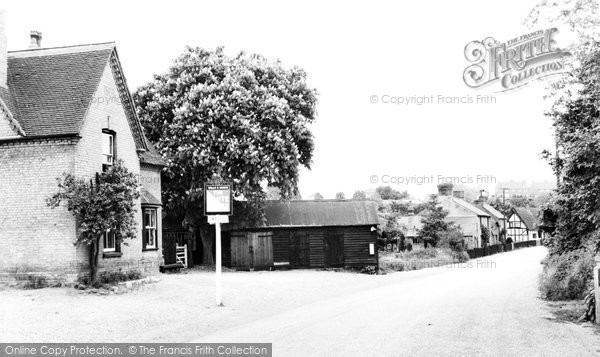
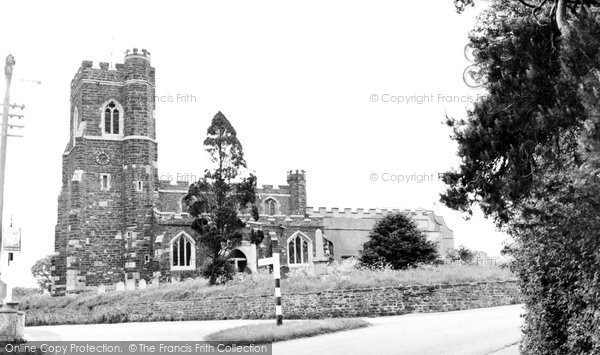
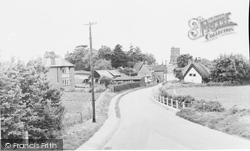
Displaying 1 of 6 old photos of Flitton. View all Flitton photos
Flitton maps
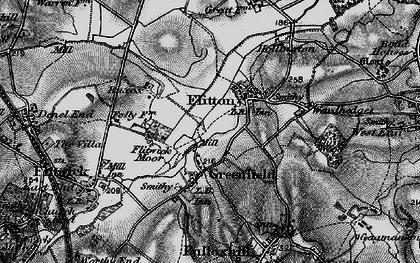
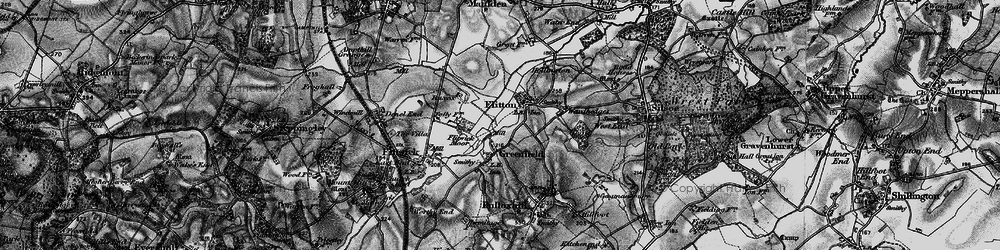
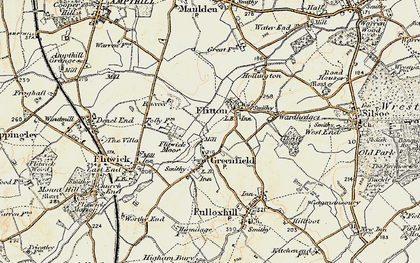
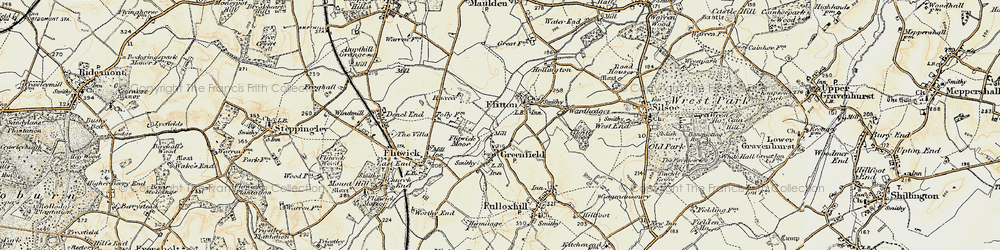
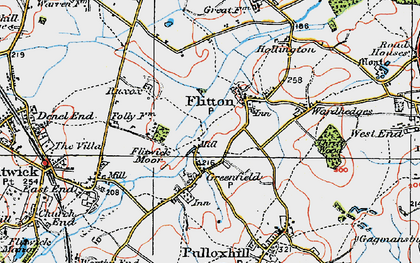
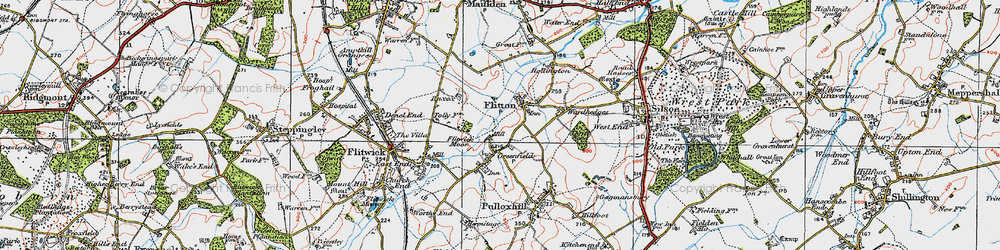
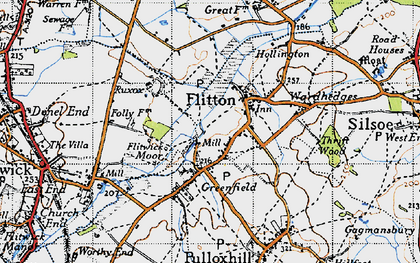
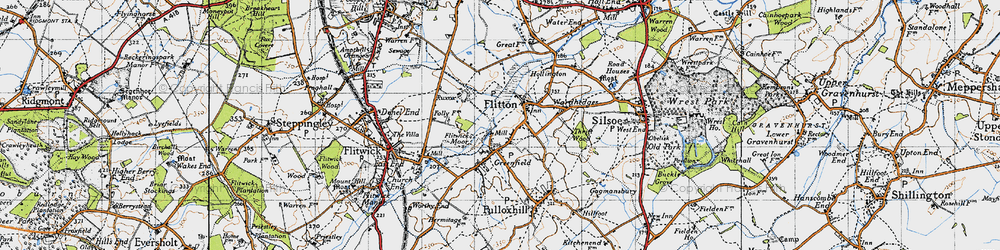
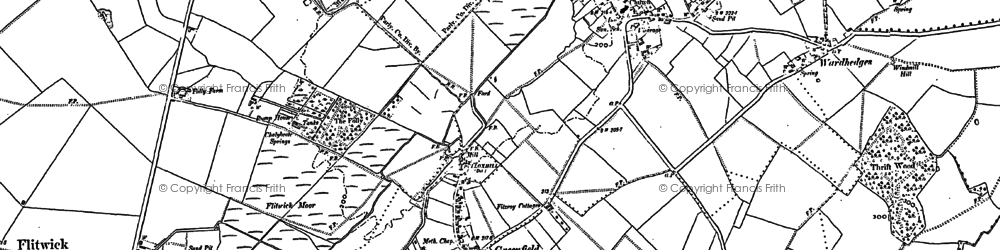
Historic maps of Flitton and the local area, hand-drawn by Ordnance Survey and Samuel Lewis. View all Flitton maps
Flitton books
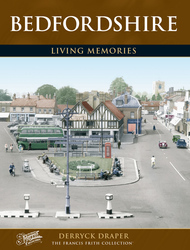
Displaying 3 of 5 books about Flitton and the local area. View all Flitton books
You can read extracts and browse photos from these books.
Memories of Flitton
No memories of Flitton have been shared yet - be the first!
Add your memory of Flitton
or of a photo of Flitton.
Bedfordshire memories
My abiding memory of Ampthill is when I used to go to the Saturday pictures with my cousins and the fire engine would be called out. The only problem was the siren that called them out was the old wartime air-raid siren. What a noise !!! I lived in Maulden but often visited Ampthill. ... [more]
Shared on 26 November 2007
Browsing Ampthill, for the first time, I came across the above photo. On the left just above the logo is a shop blind that used to protect the meat in the window display from sunshine (when it appeared). That blind was the bain of my life in 1952/3/4 when I was a so called "butchers boy". It never ran correctly on... [more]
Shared on 03 September 2007
The lady with the white coat and shopping basket on the right hand side of the photo is my grandmother - Clara Billington - and lovely to see her in print!
Shared on 21 April 2007
The shop next door to The Ampthill News was and still is Cheesman's the chemist and the shop next door to that was Underwood's an electrical appliance shop.
Shared on 11 May 2006
Extracts From Flitton & Bedfordshire books
Displaying a selection of extracts from Frith books about Flitton, inspired by Frith photos.
These premises became a children's annexe to Luton & District General Hospital. Jane Creasey went there to have a squinting eye corrected in the 1950s. It has also enjoyed time as an Exodus collective with various escapist amusements!
Read more and see photos from this book.
A few miles from Dunstable, through the Downs, and nowadays part of the commuter belt, Castle Hill road links the three ends of Totternhoe, Church, Middle and Lower. A pathway leads up to the castle mound which overlooks the surrounding countryside. Possibly originally a prehistoric fort, it is a motte and bailey earthwork. Totternhoe was the last Bedfordshire parish to be enclosed in 1891.
Read more and see photos from this book.
The church is viewed from the meadows. It was built from the more resistant lower chalk or clunch stone, which is better known for its contribution to the cement industry. The priory held several estates in central Bedfordshire.
Read more and see photos from this book.