Grimethorpe, South Yorkshire
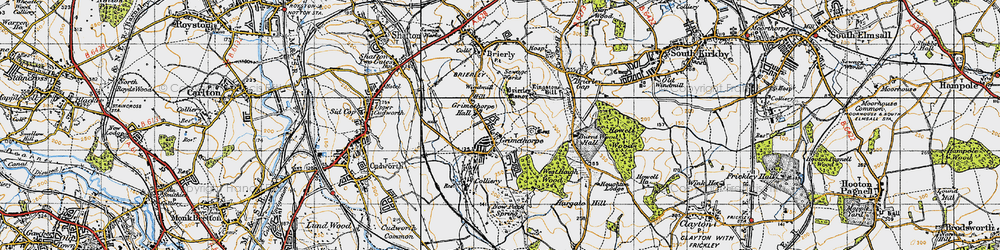
Grimethorpe maps
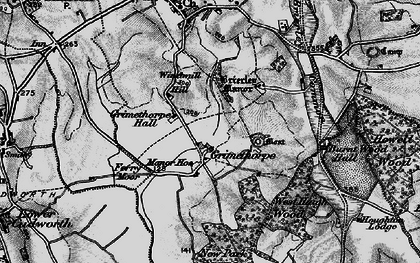
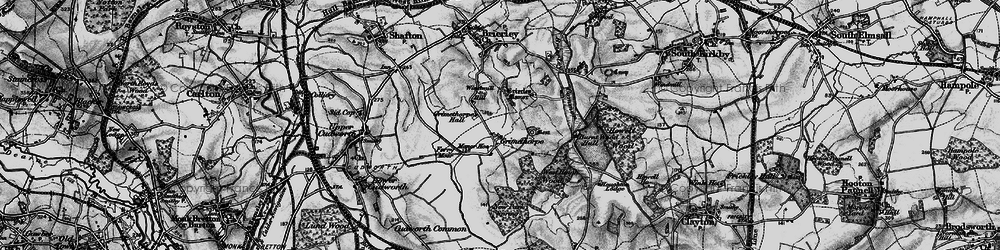
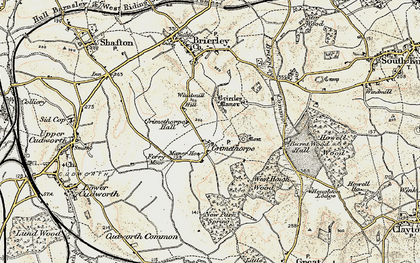
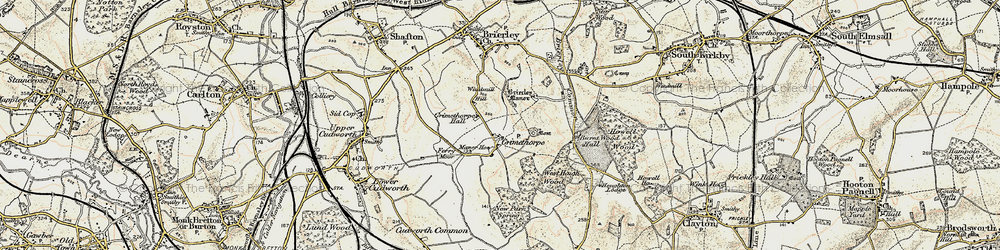
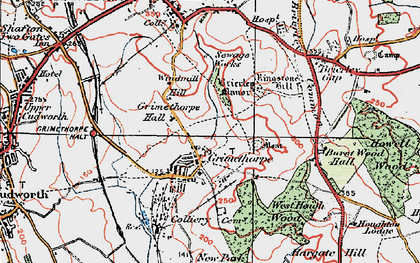
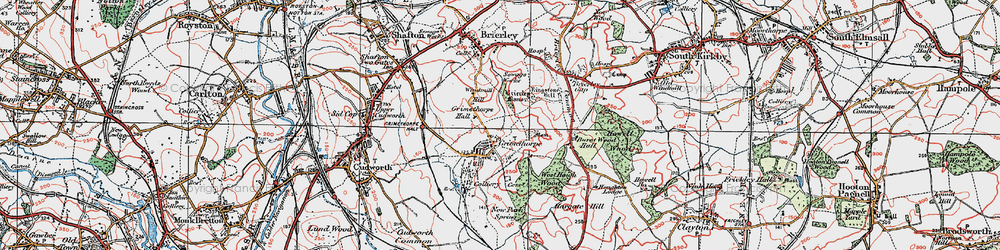
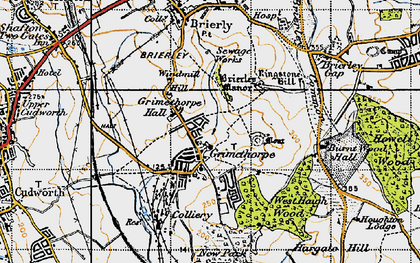
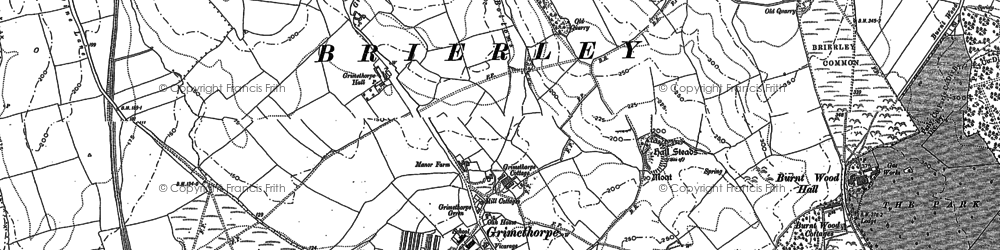
Historic maps of Grimethorpe and the local area, hand-drawn by Ordnance Survey and Samuel Lewis. View all Grimethorpe maps
Grimethorpe photos
We have no photos of Grimethorpe, although we do have photos of these nearby places: Cudworth, South Kirkby, Thurnscoe, Royston, South Elmsall, WombwellGrimethorpe books
Displaying 3 of 23 books about Grimethorpe and the local area. View all Grimethorpe books
You can read extracts and browse photos from these books.
Memories of Grimethorpe
Displaying a selection of personal
memories of Grimethorpe
.
Add your memory of Grimethorpe
or of a photo of Grimethorpe.
My Grandfather, Dennis Cox and his wife Gertrude moved to Grimethorpe between the years 1905 and 1911 the first address I have for them is New Buildings Grimethorpe in the year 1911. They had eleven children and all of the males (8) worked in the mine at Grimethorpe, the youngest of the boys was called Ernest and he fought and died... [more]
Shared on 06 February 2009
South Yorkshire memories
On the 10th of May 1941 Christopher Forsyth and J C Mc Allister saved a child from drowning in the canal at Monk Bretton bridge. Does anyone know who this child was? If so, please let me know.
Thank you.
Shared on 22 August 2009
In the early 1960s Cudworth was a great place to live. Myself along with a group of kids used to go swimming at Cudworth baths, most of us lived on Park Avenue or on Beech Avenue, all exept John Darcy, e lived down Dafield Road. It would be nice to get in touch with anyone from that time or from Cudworth... [more]
Shared on 11 May 2009
My granddad, Arthur Walker, was a miner at South Kirkby colliery until his retirement around 1960; and my dad, Richard Edwin Walker, known as Ted to his mates, was a blacksmith.
Dad started at the colliery when he left school aged 14, in 1936, as a blacksmith's striker, eventually becoming a blacksmith himself. I visited the colliery many times with my... [more]
Shared on 14 June 2009
My grandad used to work at South Kirkby pit for many years, so growing up I was forever hearing stories of his days down the mine. Being a very inquisitive child I would spend hours exploring, even though my grandad used to tell me how dangerous it could be round the colliery. He used to also live on the Northfield estate,... [more]
Shared on 28 March 2008
I too have happy and sad memories of Thurnscoe. I started school in 1952 at Hill Infants. Mrs Cartlidge was our teacher. I still remember where I sat behind the door and being given a small blackboard and chalk on my first day there. Every day was an adveture, we never got bored, but then you were allowed to roam all... [more]
Shared on 10 April 2009
Born 24th February 1947 at 66 Church Street Thurnscoe, one of the worst winters or so I was told. I went to Houghton Road Infants and Junior School. I remember Mrs Cook she was a little woman, her favourite weapon was the spindle from a chair, Mr Carr was a good bloke, he never hit me. I went to the Thurnscoe... [more]
Shared on 26 September 2008
1948 was the year I was born and lived at 39 Taylor Street, ajacent to Thornley Crescent, School Street, Garden Street and John Street. In 1953 I attended the Thurnscoe Infants School on Houghton Road straight across from Stone Brothers garage I remember that some of the teachers were called Miss Davidson, Miss James and Miss Rose and the Headmistress Mrs... [more]
Shared on 21 August 2008
Extracts From Grimethorpe & South Yorkshire books
Displaying a selection of extracts from Frith books about Grimethorpe, inspired by Frith photos.
Just south of the abbey's cliffs lie these rocks, which show the inroads made by the alum mining industry during the previous centuries. Before the chemists discovered a simpler method of fixing the dyes used in cloth manufacturing, alum was successfully used for this purpose. It had first to be extracted from rich mineral-bearing stone. This was mined locally both at Saltwick and Sandsend, and... [more]
Read more and see photos from this book.
The railway line continues past the houses and the stone bridge of East Row, whilst the flow from the beck makes a tempting paddling pool. Bathing machines were still in use at this time, as we see on the right.
Read more and see photos from this book.
Nestling in the shelter of Lythe Bank, the ancient village holds the homes of many of the men who worked in the alum industry and on local estates. Alum was a chemical used in tanning leather and in the dyeworks to fix the dye used in the weaving industry. It was mined and extracted from local stone in the Whitby district,... [more]
Read more and see photos from this book.