Lacock, Wiltshire
Lacock photos
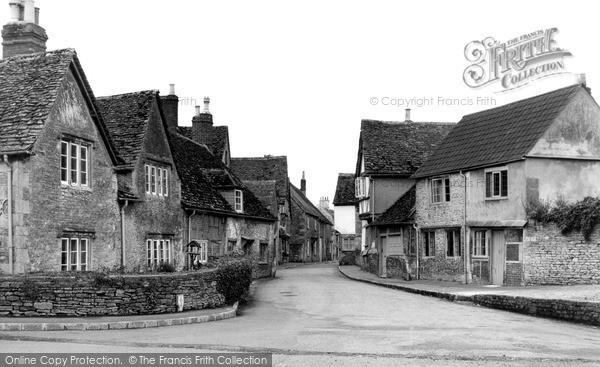
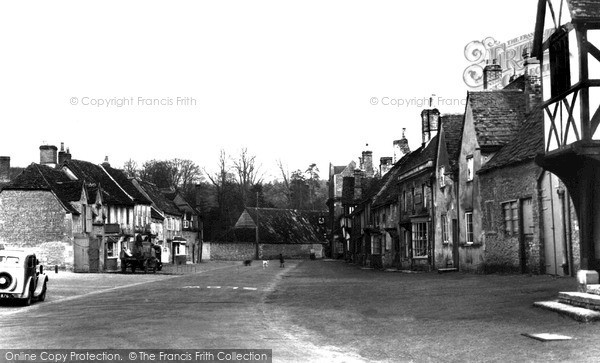
Displaying 1 of 41 old photos of Lacock. View all Lacock photos
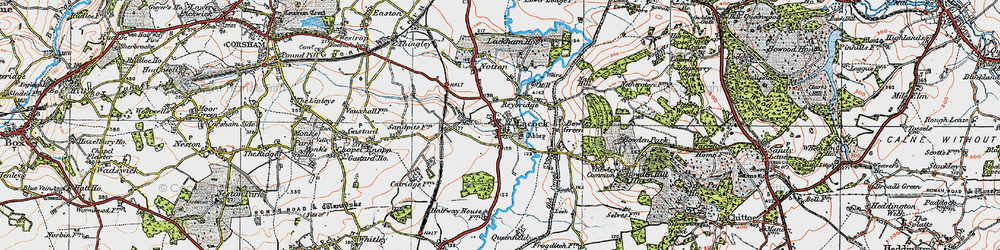
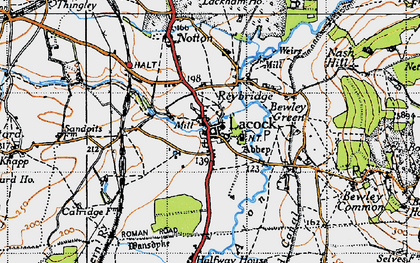
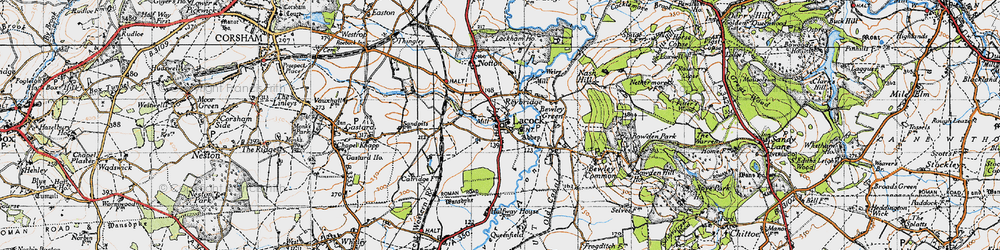
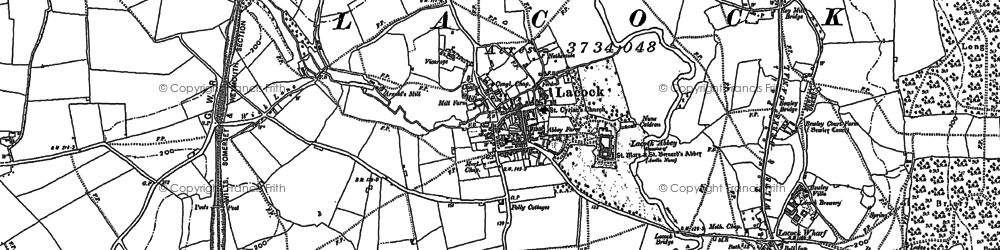
Lacock maps
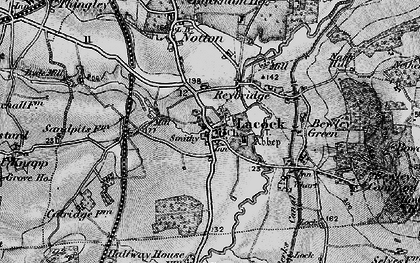
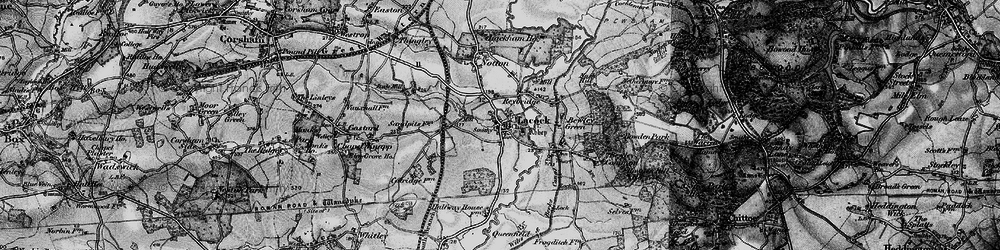
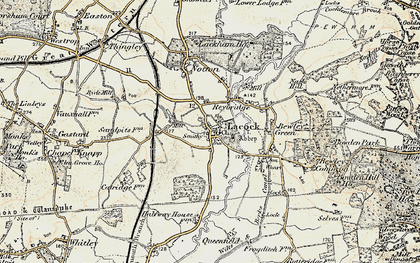
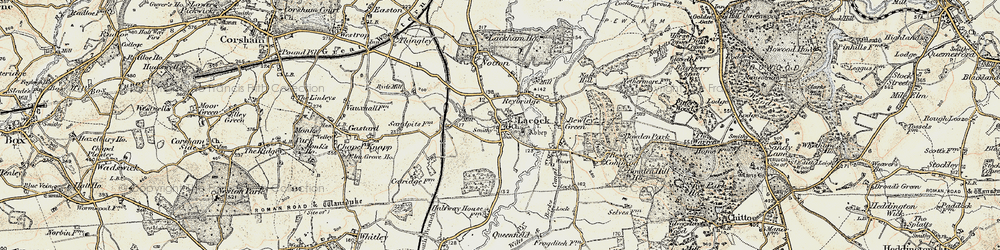
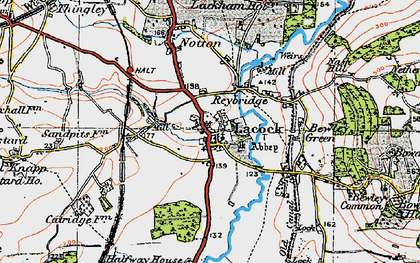
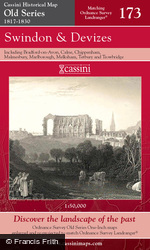
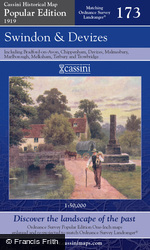
Historic maps of Lacock and the local area, hand-drawn by Ordnance Survey and Samuel Lewis. View all Lacock maps
Lacock books
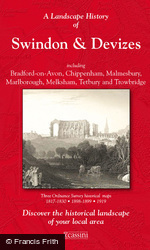
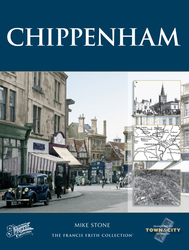
Displaying 3 of 8 books about Lacock and the local area. View all Lacock books
6 Lacock photos appear in 3 Frith book titles. You can read extracts and browse photos from these books.
Memories of Lacock
Displaying a selection of personal
memories of Lacock
.
Add your memory of Lacock
or of a photo of Lacock.
My father's cousin, Kitty Mortimer (nee Barratt) lived here with her husband Leslie, and their two daughters Andrea and Lynn - mostly throughout the '60s and '70s. I believe they rented the house from the National Trust, as I remember they had to open it to the public at least once a year. (It was a fascinating house inside,... [more]
Shared on 04 August 2006
Wiltshire memories
The pub in the picture is the original H&C which was burnt down only a few years after this picture was taken. The pub was then rebuilt further back from the road. There are still elderly people in the village who remember their parents and even their grandparents going to the local for their usual.
One old lady's husband used to... [more]
Shared on 29 August 2008
I did not live in Derry Hill, but rented a cottage there, Primrose Cottage, in 1990. I was introduced to Wiltshire in the 1980s by my husband's mother who had been based near Pewsey in the Land Army during the Second World War. When I first visited Wiltshire it was to visit Avebury and later to stay at Chisenbury with people... [more]
Shared on 20 August 2009
Recently I have been researching my family history. The Brinkworth family are my great grandmother's ancestors, going back further, they were from Lacock. The Brinkworths lived at Sandy Lane, and at the cabin, Chittoe. I have information on this family, but need more. Not sure of address as on census it only states Sandy Lane, Wiltshire.
Shared on 01 April 2008
We used to do our fishing further down the Avon, behind the old Oxo factory where the workers used to throw lumps of Oxo across the river to us to eat.
Shared on 14 October 2009
Favorite spot for fishing as a young boy was under the arches. We paddled out, risking cutting our feet on broken glass, which happened the odd time. Caught my biggest roach ever...but it got away! True story.
Shared on 16 December 2008
Sad day when the old mill was pulled down. When I was growing up the schools used to have class visits to the mill to explain how it all worked, imagine that.
Shared on 16 December 2008
I went to Hardenuish School between 1958 -1962. The headmistress was an ex nun and did not allow the girls to mix with the boys when their school was built just down the road, so she staggered our dinner and leaving times from theirs. Silly woman - didn't stop them waiting about and meeting up later. I can remember going out... [more]
Shared on 16 April 2008
Extracts From Lacock & Wiltshire books
Displaying a selection of extracts from Frith books about Lacock, inspired by Frith photos.
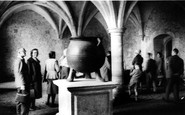
Lacock Abbey is one of our national treasures. It was founded as an Augustinian nunnery in 1232 and converted to a private residence after the Reformation. Apart from the fascinating brewhouse and bakery, there is a 16th-century stable courtyard with attractive half timbered gables. The polygonal Sharington's Tower, also dating from the 16th century, is on the right.
Read more and see photos from this book.
Standing on the site of an Augustinian convent which was founded in 1232, Lacock Abbey is the place where, in 1835, William Henry Fox-Talbot took the world's first photograph - a negative of one of the windows on the south front.
Read more and see photos from this book.
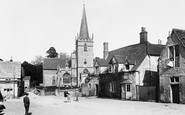
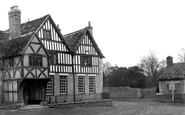
Lacock was given to the National Trust in 1944 by descendants of William Fox Talbot, who lived at Lacock Abbey between 1800 and 1877. He was the inventor of the pioneering calotype photography process. The streets and lanes here present a delightful medley of building styles, with their half-timbered houses and steep-roofed stone cottages. The church of St Cyriac is built... [more]
Read more and see photos from this book.