Leigh
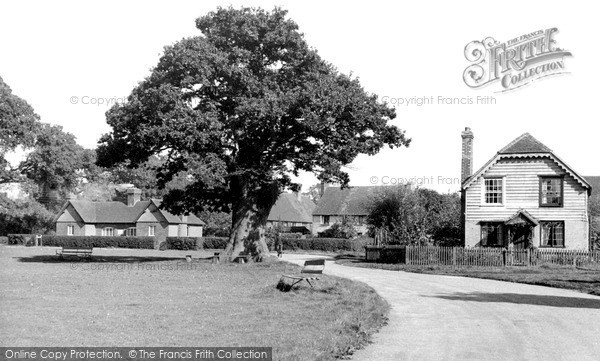
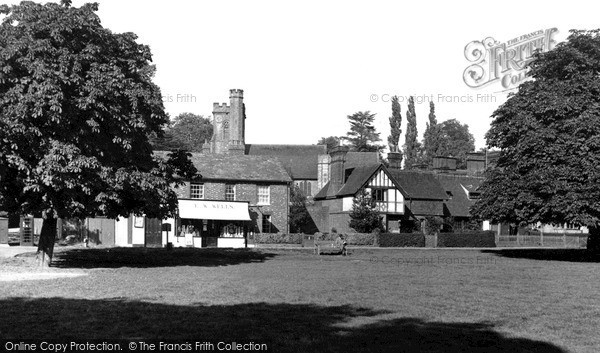
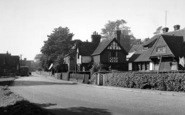
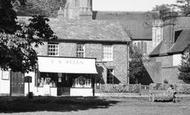
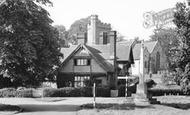
Leigh photos
Displaying the first of 2 old photos of Leigh. View all Leigh photos
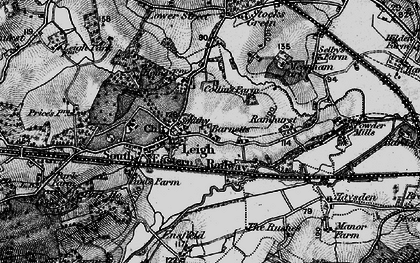
Leigh maps
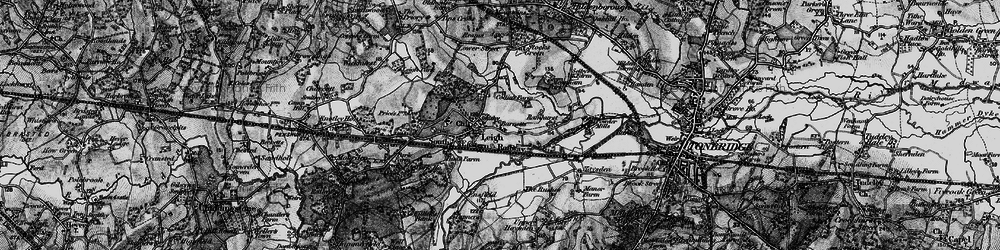
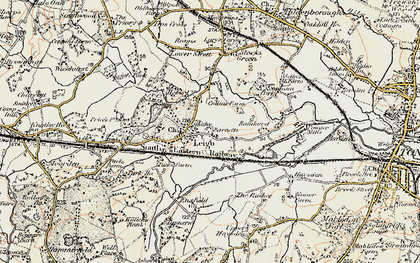
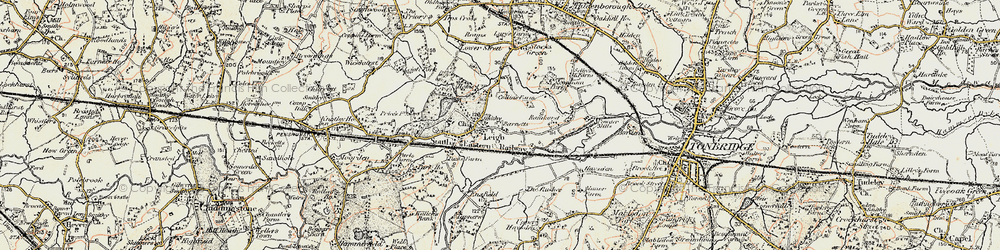
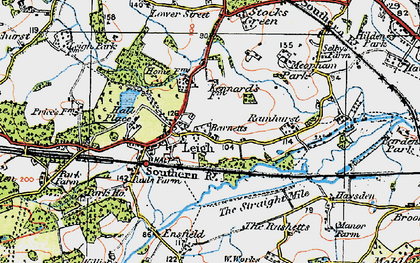
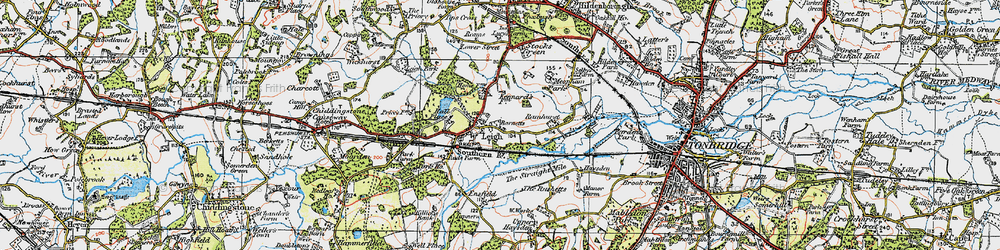
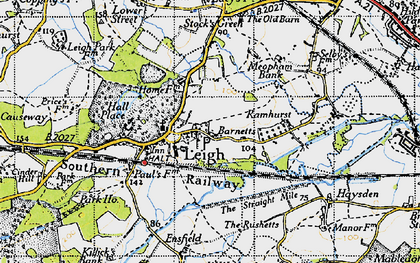
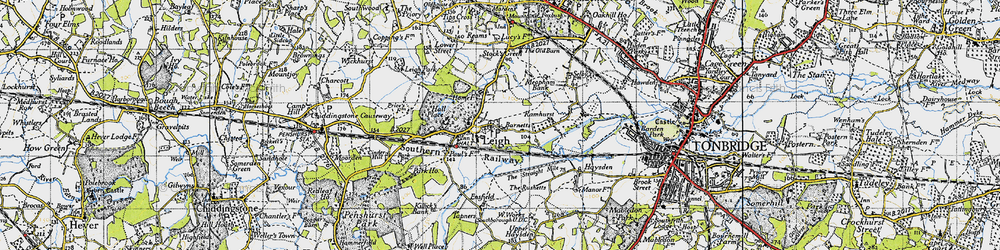
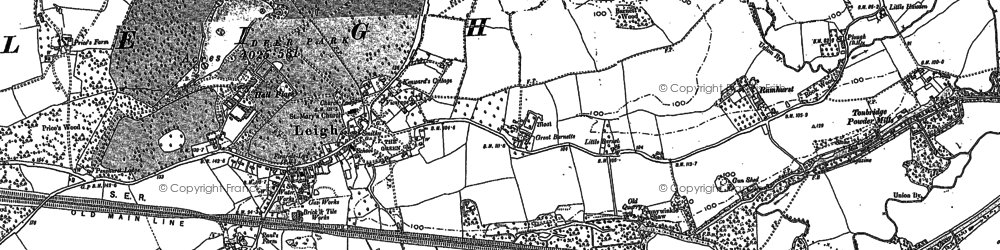
Historic maps of Leigh and the local area, hand-drawn by Ordnance Survey and Samuel Lewis. View all Leigh maps
Leigh area books
Displaying 1 of 10 books about Leigh and the local area. View all books for this area
You can read extracts and browse photos from these books.
Memories of Leigh
Displaying a selection of personal
memories of Leigh.
Add your memory of Leigh
or of a photo of Leigh.
Family of Fowler
Not a memory but an historical fact. I have traced my family back to Leigh circa 1750. The patriarch was Anthony Fowler, a carpenter from Bishops Cleeve. He married Mary Attwood of Bishops Cleeve in 1749. They had 10 children, all born and christened in Leigh. They were Giles (1750-1752), Mary (1752-1752), Richard (1753), Sarah (1755), Mary (again 1756-1756), Elizabeth (1758-1758), Jane (1759), William (1761), John (1763) and my ancester Charles Attwood Fowler (1767).
I am keen to receive any information about this family. Any mention in old documentation relating to where they may have lived in Leigh and any work Anthony or any of the others may have carried out in the area.
Thank you
Gloucestershire memories
Finch Family
My great-grandfather was born at The Folly, Deerhurst in 1886 and moved to Walton, Deerhurst, his name was Thomas Finch.
Thomas's father was David Finch and his mother was Annie Finch (nee Jackson). We know that Thomas moved to Phelps Farm in Ripple, Worcestershire and he is buried in Ripple church but we don't know where David and Annie are buried. Thomas at one point in his life lived at Ridgeway Farm, Tewkesbury but ended up at Phelps Farm.
We would like to know if David and Annie are buried at Deerhurst. Would be much appreciative of any information if anyone knew David, Annie or Thomas.
Blacksmiths Corner
I am currently researching my family history in Sandhurstnand and I am hoping someone might have some record of the smithy in the village. From census returns I know my family lived at the blacksmiths shop until the mid 1860s. A number of the family are buried in St Lawrence's churchyard. The Hobbs family were also blacksmiths at Twigworth smithy up until 1907 when my grandfather moved away.
Family History
While investigating my family history I discovered that my great great grandfather Elisha Brownjohn had been employed as the miller at the Abbey Mill, Tewkesbury during the 1830's and 1840's. Several of his children, including my great grandfather John where born in the Mill Cottage, also to be seen in the photograph. I was thrilled to see this old photograph of the mill which I visited last summer
Allen & Bros Grocers
My grandfather William Allen and grandmother Florence Allen ran Allen & Bros Grocers during the Second World War, with William's brother Carradine Allen. They lived in Oldbury House with their daughter (my mother) and my great aunt, Lydia Dennis. After my grandfather died in 1958 the family moved to Priors Park where they stayed until the death of Lydia in 1990. While looking up the family tree I have found that my grandfather was born at The Crescent in Tewkesbury and his family all came from Tewkesbury and around. Myself and my siblings spent a lot of our childhoods in Tewkesbury at Priors Park and have fond memories of walking into town through Conigree Lane, where the parrot in the primary school always spoke as we went past, to the bakers at the bottom of the high street, and then to Leopolds cake shop, stopping off at the mill on the way home and maybe the small shop in Abbots Road if anything was forgotten in town.
Engagement Memory
My grandparents Annie Holland and Alfred John Heeks became engaged to be married at this spot. Both from Cheltenham, they were soon after married and emmigrated to Canada and settled in Manitoba, then finally in Alberta. My grandmother had so many wonderful stories about growing up there.
The Promenade Architecture
The unique and distinctive property of the Promenade is that its roadway is twice as wide at the top end (Queens Hotel) as it is at the bottom end (High Street), while the buildings double in height from the four stories of the Municipal Offices to the two story insurance office at the top. The reduction in height is by a careful and sophisticated series of architectural gradations involving different heights of pilasters, a varying hierarchy of cornices, introduction of attic stories, raised pavements, etc. The reason for this strange doubling in width and halving in height, was to make the original, single storey spa (which was replaced by the Queens Hotel) appear relatively imposing, yet to make the walk up to it from the High Street (then the only significant street in the town) appear shorter than it was, due to false perspective.