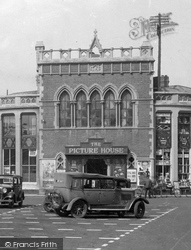
Leominster, Herefordshire
Leominster photos
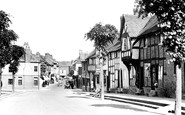
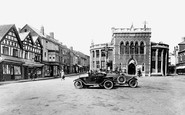
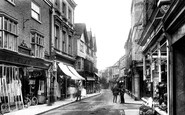
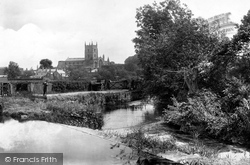
Displaying 1 of 36 old photos of Leominster. View all Leominster photos
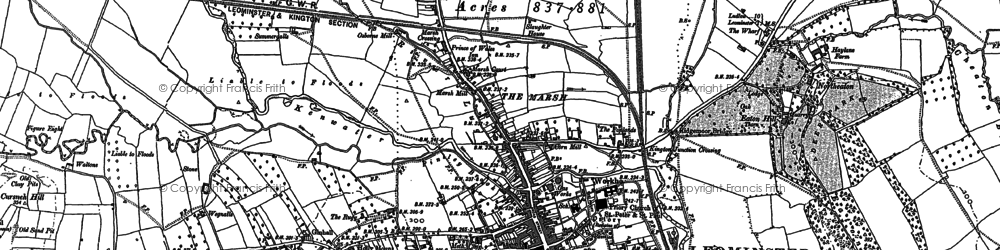
Leominster maps
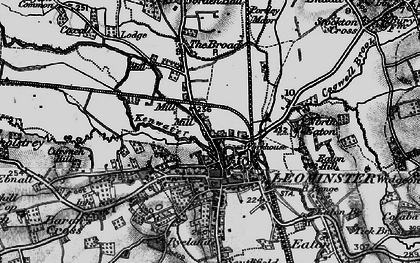
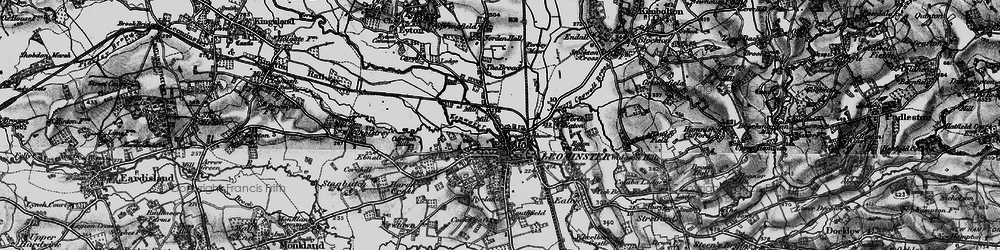
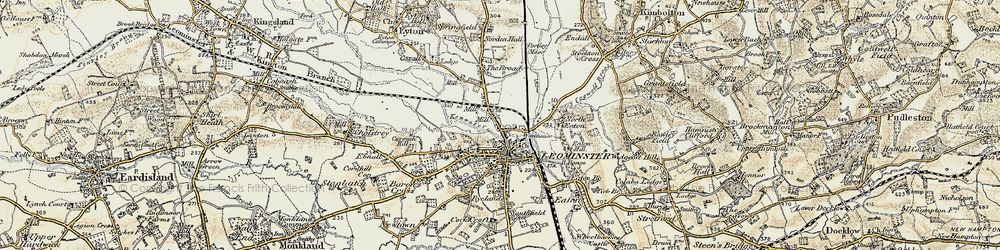
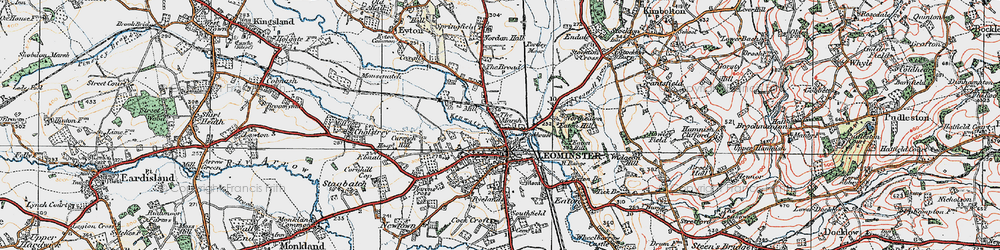
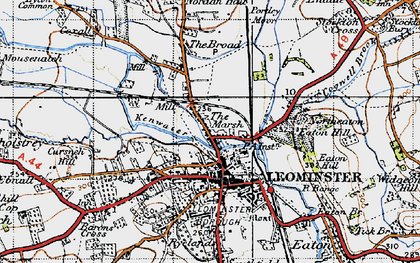
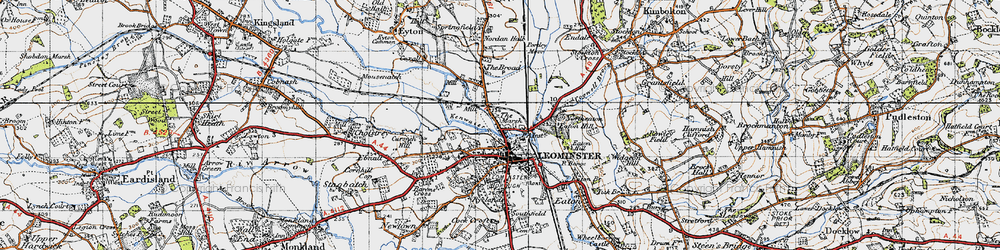
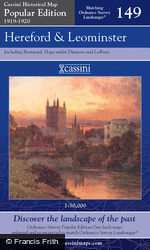
Historic maps of Leominster and the local area, hand-drawn by Ordnance Survey and Samuel Lewis. View all Leominster maps
Leominster books
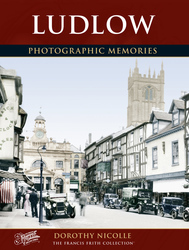
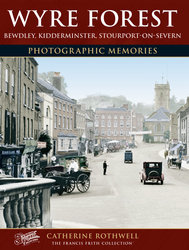
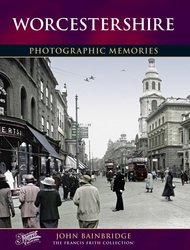
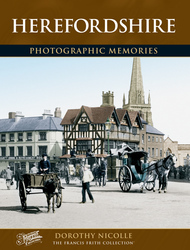
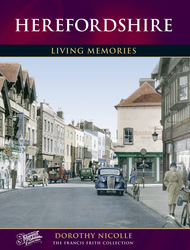
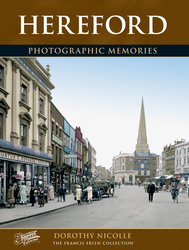
Displaying 3 of 10 books about Leominster and the local area. View all Leominster books
1 Leominster photos appear in 1 Frith book titles. You can read extracts and browse photos from these books.
Memories of Leominster
Displaying a selection of personal
memories of Leominster
.
Add your memory of Leominster
or of a photo of Leominster.
I have a picture of a double fronted butchers shop in the corn market. Over the door it says L.Pugh, outside is the butcher and his wife and probably their daughter Marie. A family story was that a lad from the family when asked who he was replied "Jack Pugh, Leominster, kill sheep" I assume there was an abbatoir behind the... [more]
Shared on 30 October 2006
Herefordshire memories
My father went to work at Hampton Court as a gardener's boy when he left school at the age of 14 in 1917. By then, it was in use as a convalescent hospital for soldiers. I remember my father saying that he had to put little leather boots on the pony's hooves to mow the lawns with the horse-drawn mower,... [more]
Shared on 20 December 2007
I lived at Lucton in the late 1960s and remember buying sweets from the shop.
I vaguely remember a young girl staying there who we played with in the meadow. The Buttons Sandra mentions are probably the BUFTONS.
Shared on 10 August 2008
Ye Old Tuck Shop and Mrs Price
My grandmother was Ann Elizabeth Price and lived in a beautiful house. She ran a little shop in the house and it was called YE OLD TUCK SHOPE. It is the most beautiful little village I have every seen. I remember the people around, how kind and friendly the were. The buttons and the Davies and old Fred. I remember playing... [more]
Shared on 30 November 2007
I visited Weobley in the late 60s as a child with my Mother to visit our Herefordshire cousins. We stayed with Mum's Great Uncle Fred (Frederick Hope) and his daughter, Mabel Hope. They lived at the Corner House and I think Mabel's brother, Rogers Hope, lived near by in Broad Street. We came from London and I remember... [more]
Shared on 14 October 2008
I went to live in Nash in 1955 as a foster child. I attended Nash School from 1955 - 1958 when Mrs Jones was the headmistress. The school sadly closed in 1958 and we were moved to Burford School near Tenbury Wells.
Life at Nash School was idyllic and we used to run through the lanes to school every day.... [more]
Shared on 27 November 2008
The LOWE family in Market Street
My great grandfather, Andrew Corden LOWE moved to Tenbury Wells about 1904 with his wife Florence "Flo" and their two little children: Douglas age 4 and my grandmother Cordelia "Queenie", age 1. He was an Ironmonger and they lived on Market Street until the early 1930's. They had 3 more children: Cyril "Cil", Winifred, and Eric. His wife died in 1910.... [more]
Shared on 12 November 2007
I am looking for information about Sarnesfield in the 1700s and about the court house. Also, as I live in Canada and do not know much about the British law system, I would need to know how the courts operated in those years. What I need to know is about the size of the town, prominent citizens, marketplace and anything else... [more]
Shared on 24 July 2007
Extracts From Leominster & Herefordshire books
Displaying a selection of extracts from Frith books about Leominster, inspired by Frith photos.
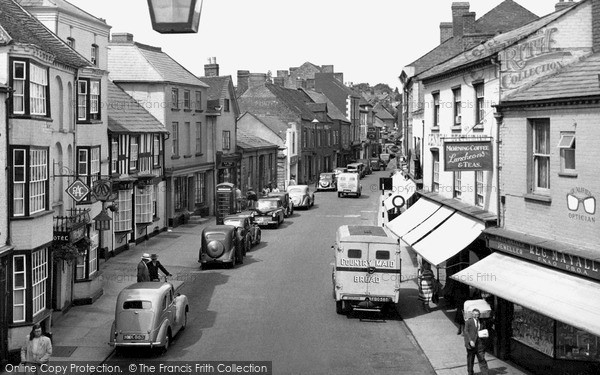
Daniel Defoe, speaking of Leominster, described it as having 'nothing very remarkable about it, but that it is a well-built, well- inhabited town. This town, besides its fine wool, is noted for the best wheat and consequently the finest bread.' Notice the horse- drawn wagon in the centre of the photograph.
Read more and see photos from this book.
Daniel Defoe, speaking of Leominster, described it as having 'nothing very remarkable about it, but that it is a well-built, well- inhabited town. This town, besides its fine wool, is noted for the best wheat and consequently the finest bread.' Notice the horse- drawn wagon in the centre of the photograph.
Read more and see photos from this book.
The large building on the left is The Talbot Hotel, a common name for pubs and hotels in the Welsh Marches. John Talbot, 1st Earl of Shrewsbury, fought in the 100 Years War against the French.
Read more and see photos from this book.