Southill
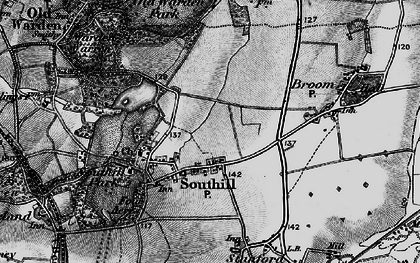
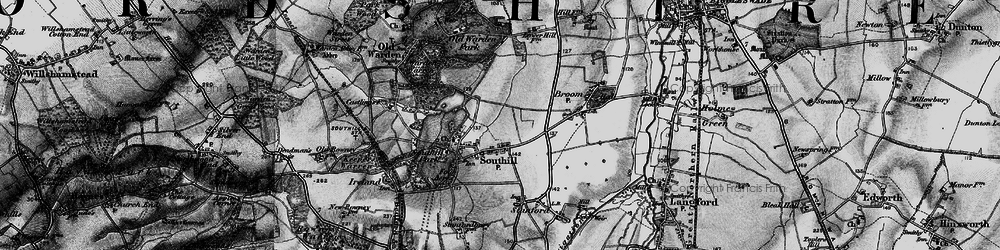
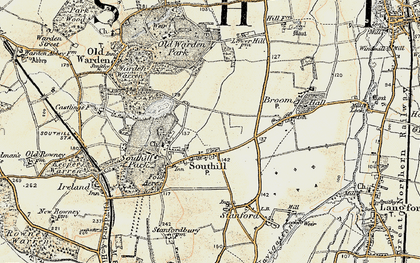
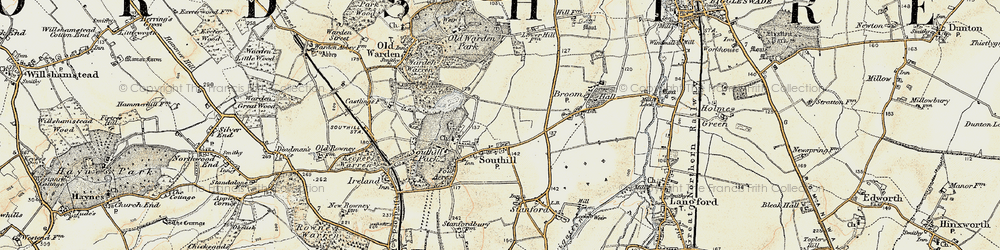
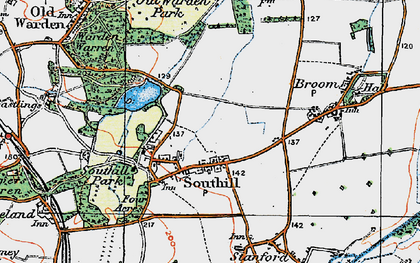
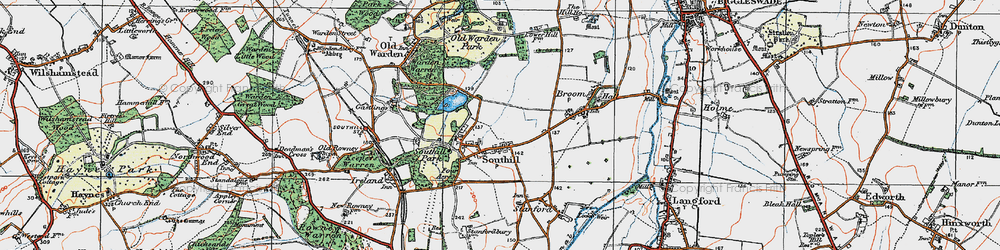
Southill maps
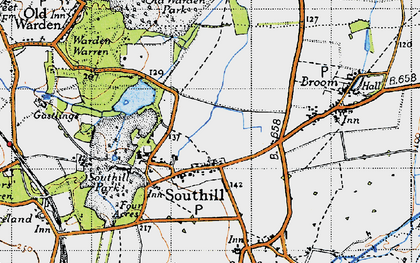
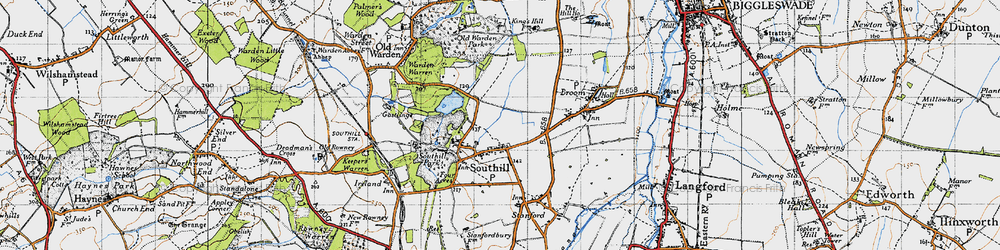
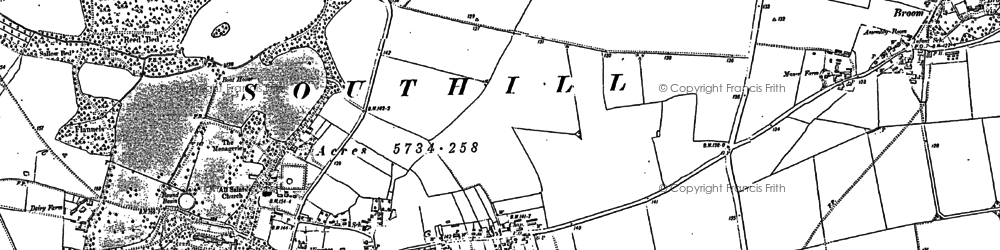
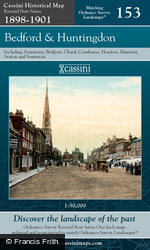
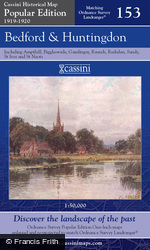
Historic maps of Southill and the local area, hand-drawn by Ordnance Survey and Samuel Lewis. View all Southill maps
Southill photos
We have no photos of Southill, although we do have photos of these nearby places:
Old Warden| Shefford| Biggleswade| Henlow| Clophill| Lower Stondon| Arlesey| Sandy| Cardington| Stotfold| Blunham| Sutton| Potton| Elstow| Everton| Flitton| Norton| Bedford| Letchworth Garden City
Southill area books
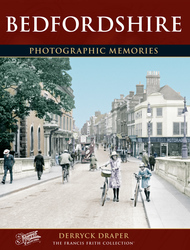
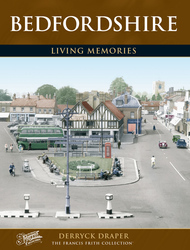
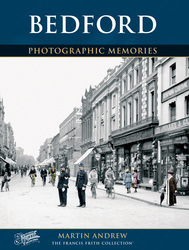
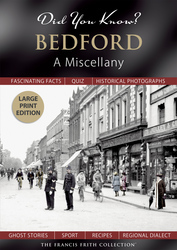
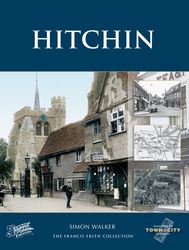
Displaying 1 of 6 books about Southill and the local area. View all books for this area
You can read extracts and browse photos from these books.
Memories of Southill
No memories of Southill have been shared yet - be the first!
Add your memory of Southill
or of a photo of Southill.
Bedfordshire memories
Henry Tingey - Ancester
My great grandfather Henry Tingey, was born November 18, 1819, in Biggleswade, Bedfordshire. He was the son of James Tingey and Elizabeth Boniss. James and Elizabeth, and family later moved from Bigglewade, Bedfordshire, and moved Lower Caldecut near the 46th milestone from London in the perish of Northhill. The family of father and mother and two boys and four sisters were in the business of raising wholesale vegatable and garden seeds and were very successful.
In 1849 the missionaries from the Church of Jesus Christ of Latter-Day Saints, (Mormons) told their gospel message to Henry and his wife Ann Young, (daughter of James and Lucy Young). Henry and Ann joined the Latter-Day-Saint church and migrated to America in 1849. They spent three years in St Louis, Missouri and then traveled by oxen and wagon train to Salt Lake City, Utah arriving in September 1853. Henry became a very devote follower of the Mormon Church. He settled in Sessions Settlement (now Bountiful, Utah), and later moved to Brigham City Utah,... Read more
Woolies
Does anyone remember or did you work with Madge Chessum, at Woolies, in the 50's / 60's ?
Biggleswade
From the age of 1 year to presently 62 years I have lived in the town. I remember the thriving market, the Regal and Empire cinemas, sadly now gone (see article in the Biggleswade Chronicle Jan 6th 2009 pages 22 & 23). This town has changed from a small market town where employment was as my late father working on the land for Mr Capon of Southill and other landowners to large engineering companies like Cincinatti, now gone also. Back doors left open for neighbours to call, bikes left on kerbs whilst shopping. Steam trains to admire and church schools to attend, yes very fond memories.
Children's Home on London Road.
I was in a children's home on London Road from about 1964 for about 3 years. I forget the name of the home, but I went to Shortmead Street School for a while, then Rose Lane, before ending up at Holmead. I used to go to the Catholic church near the Regal cinema, on a Sunday morning, and the Regal on a Saturday morning. I would love to know the name of the children's home, I think it was Holmways or something similar, and if anyone remembers me. My memories of Biggleswade are lovely ones, and the people were always friendly.
Service Days
I was an R.A.F. Police cpl. from 1948 - 1950. Met many good friends, also my wife who was in the W.R.A.F. signals. Would be very interested to hear from anyone who remembers Bill (Don) or Toni. We would like to hear from George (Bob )Brockwell in particular, his wife Peggy, or his daughter Carol.
My wife and I have been married 61years had three sons and now live in Melbourne Australia.
My House
This is where I live, it is no longer a village post office. It was built in 1680, and we are returning it to a residential property.
39 Mill Lane
The gable end of the house on the left is 39 Mill Lane and Back St starts at the junction over the hill and not visible here. My father built the house about 1935 when he was 21 years old. I grew up there until 1955 when it was sold and we moved from Clophill for a short time. We returned in 1957 and lived in the Old Police House in The Slade until I married in 1966 and brought my first home in Back St. I have traced my family's time in Clophill from about 1750 until 1980 in a new book which is now available.