Groeslon, Gwynedd
Groeslon photos
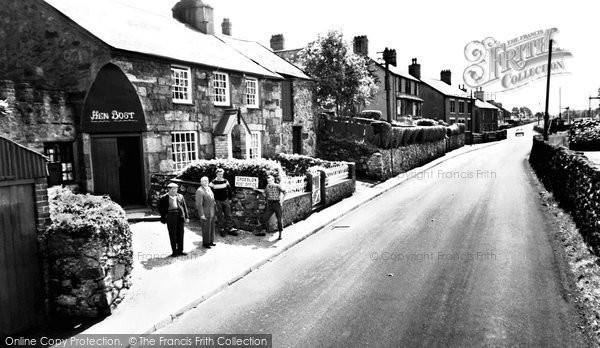
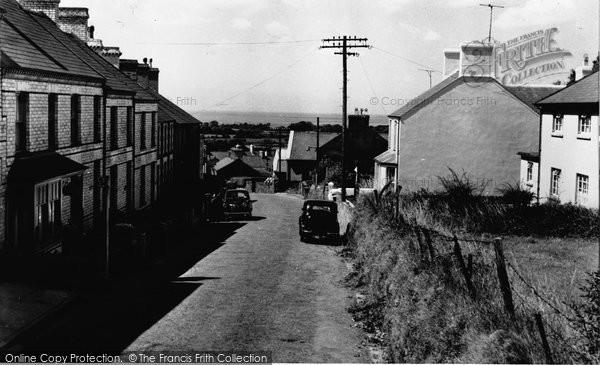
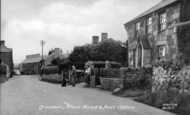
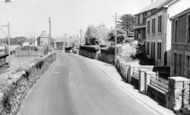
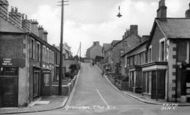
Displaying 1 of 4 old photos of Groeslon. View all Groeslon photos
Groeslon maps
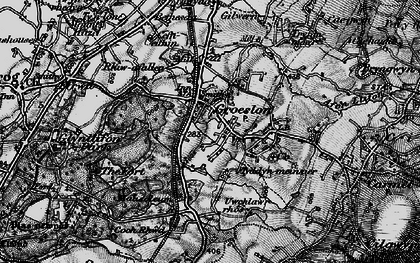
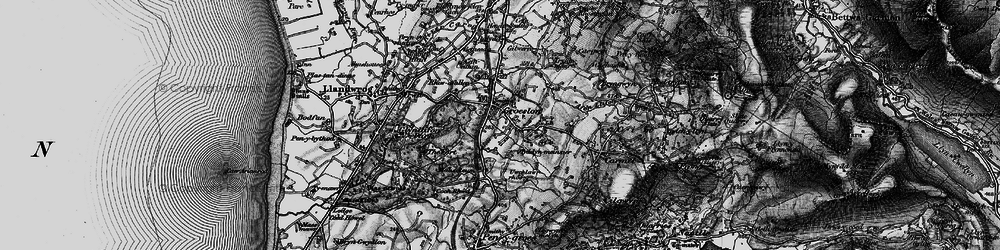
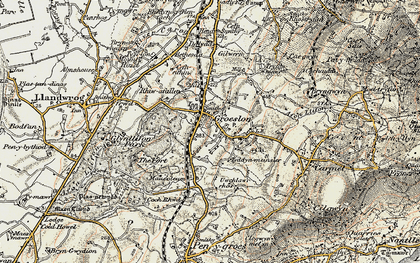
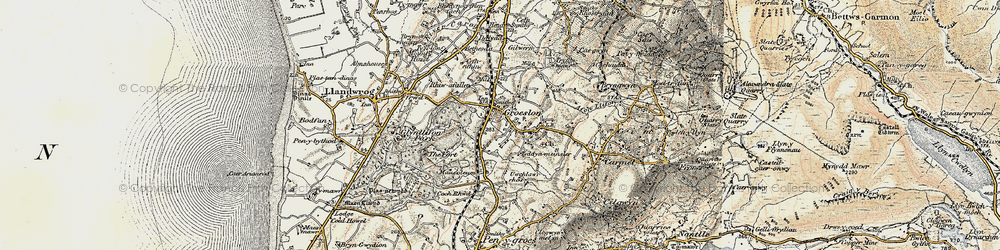
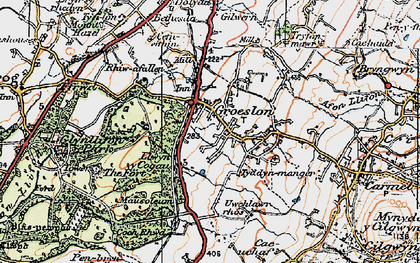
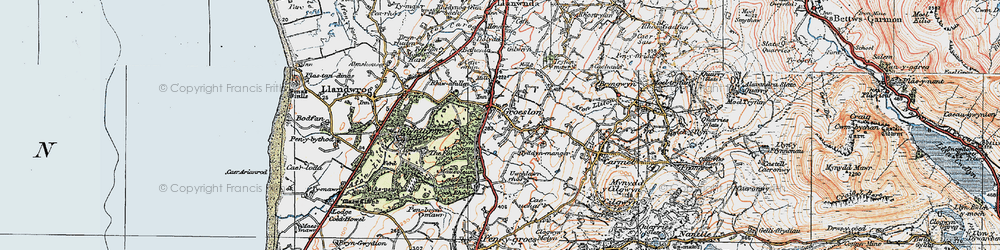
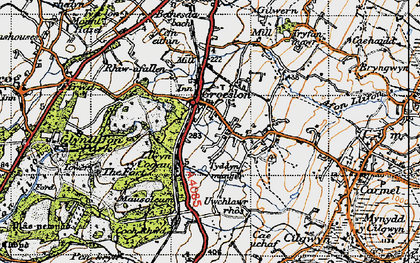
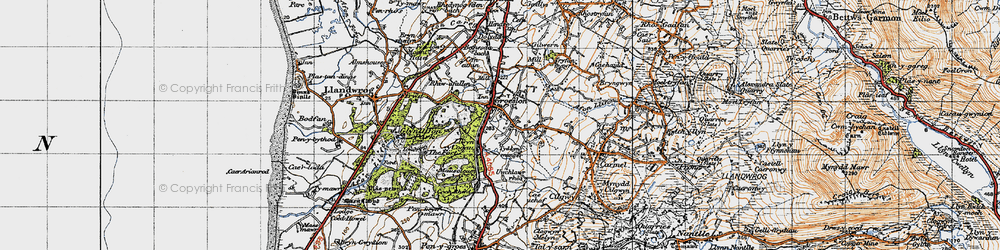
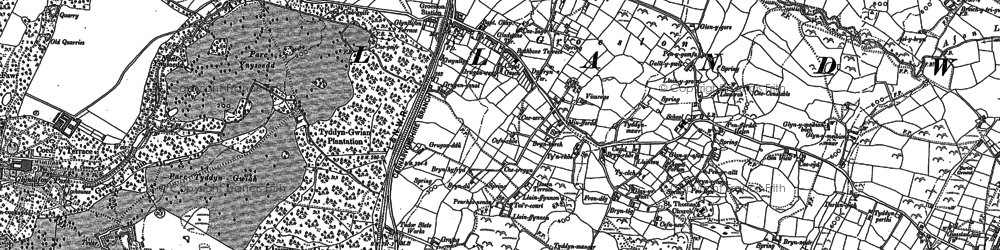
Historic maps of Groeslon and the local area, hand-drawn by Ordnance Survey and Samuel Lewis. View all Groeslon maps
Groeslon books
Displaying 1 of 1 books about Groeslon and the local area. View all Groeslon books
You can read extracts and browse photos from these books.
Memories of Groeslon
No memories of Groeslon have been shared yet - be the first!
Add your memory of Groeslon
or of a photo of Groeslon.
Gwynedd memories
I remember playing hide and seek with family and friends, one of our hiding places was the war bunker at the park, then when they bricked it up, we were gutted. Every year we go back as my father was from Saron and I always look at the bunker.
Shared on 02 April 2009
I spent two wonderful summers in Pontllyfni in 1974 and 1976. I was a college student from the U.S., visiting Wales with a friend who had a cousin living there. The family owned a small inn just up the road from the beach. Visitors from out of country were somewhat rare in Pontllyfni at that time and we... [more]
Shared on 29 August 2006
This is actually a memory of my father, who is listed in the census of Wales for 1901 as being a quarryman, lodging at Cidwyn View, Betws Garmon aged 21.
I hope to visit the village (?) this Sept. and also the quarry. I would love to know if this house still stands.
Shared on 22 August 2007
Castle Square in the 1930s was the terminal point for a bus service to Beddgelert run by the Brown Bus Service. Memory has it that the bus ran every two hours or so and had a garage (now a mountain-climbing gear retailers) on the right hand side of the main road entering Beddgelert.
The bus shown, a brown and cream... [more]
Shared on 02 April 2009
Castle Square of the 1950s and 60s had a vibrancy that is absent nowadays. This was because all of the local bus services terminated there and a constant stream of people dismounted to go about their business throughout the day. People from the hillside communities came to town to do their shopping, buy food, clothing, hardware etc. Families arriving from Liverpool... [more]
Shared on 29 September 2008
This about the time my mother, Lysbeth Nielsen, was born in Caernarvon.
Shared on 26 August 2006
William Titterton's Butcher Shop
William Titterton and his son had a Butcher Shop on this street. He was a pork butcher.
Shared on 26 August 2006
I first came to Capel Uchaf after my family returned from Australia. My grandmother was Mary Griffith who was living in Capel Uchaf, also there were my uncles Dick and Elved as well as aunts Rachel, Marion and Sarah Wynn. My grandfather Grifith Griffith had died earlier. This was my mother's family and she was Annie Griffith. I remember arriving at... [more]
Shared on 08 April 2008
Extracts From Groeslon & Gwynedd books
Displaying a selection of extracts from Frith books about Groeslon, inspired by Frith photos.
Conwy, Denbighshire and Flintshire Photographic Memories
William Gladstone laid the foundation stone for this impressive building in 1899 and donated his library of 250,000 books; after his death his family built a further wing in 1906, to the right of the porch block, to provide accommodation for resident students. It still thrives today as a place for reflective study, and ensures that Gladstone's legacy continues.
Read more and see photos from this book.
Conwy, Denbighshire and Flintshire Photographic Memories
The path beckons the visitor to venture into the woods to discover the story that this castle might tell. The large keep peers over the trees in a show of strength, but the castle was mostly in ruins when this photograph was taken, and the gardens were as much the attraction to visitors as the castle was.
Read more and see photos from this book.
Conwy, Denbighshire and Flintshire Photographic Memories
Noted for being the home of William Gladstone, who is commemorated by the water fountain on the right, Hawarden has a long history. The scene here is little altered today. The curious row of arches beyond the hotel are said to be the site of the medieval shambles or shops, and some are now converted to a bus shelter. The horses and carriage perhaps wait for visitors from the entrance to the old castle.
Read more and see photos from this book.