Branton, South Yorkshire
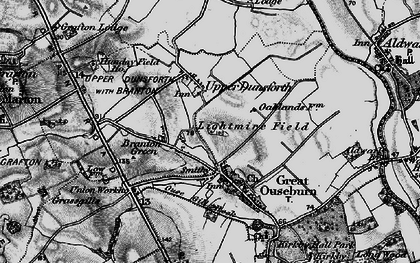
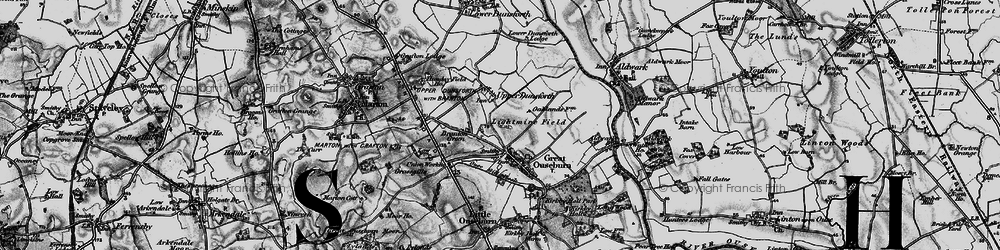
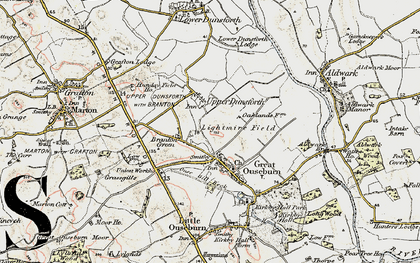
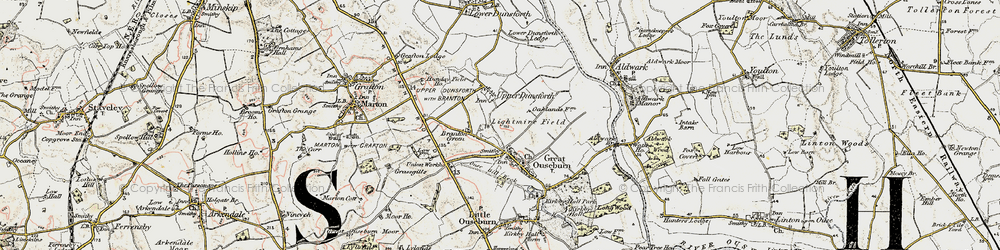
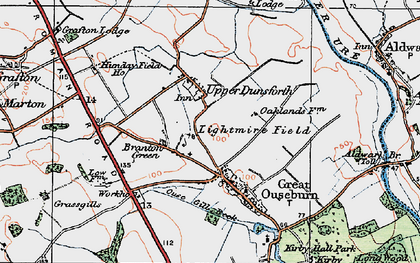
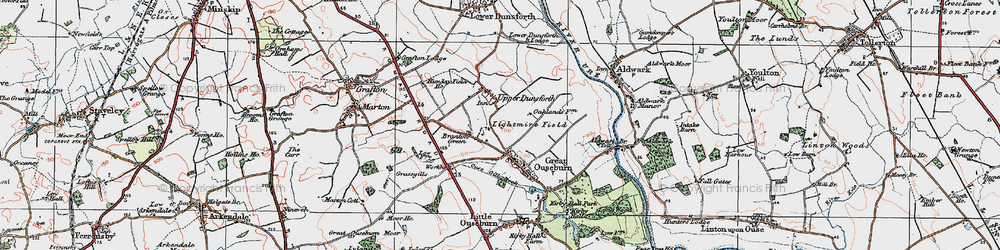
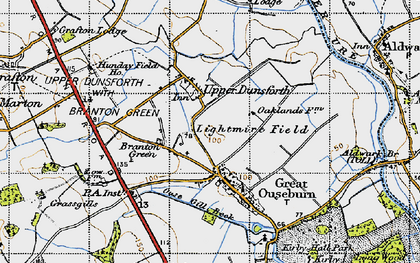
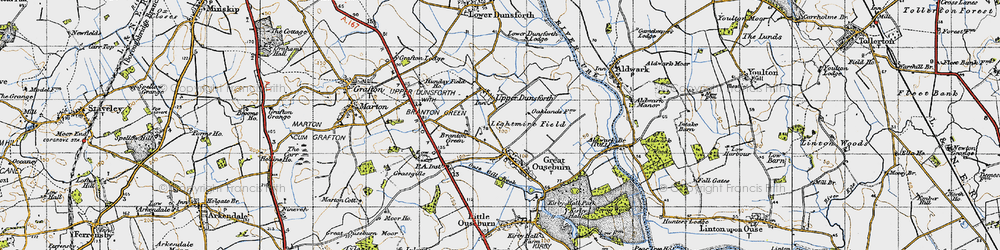
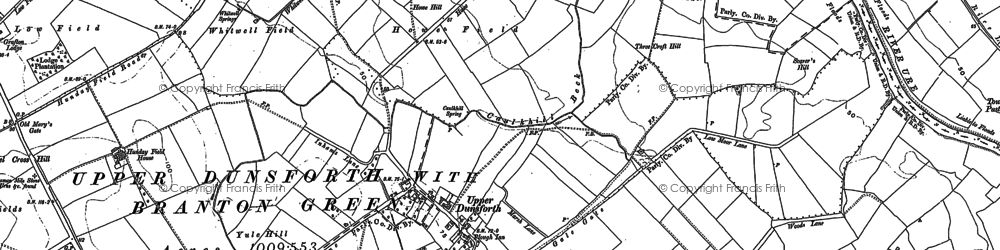
Branton maps
Historic maps of Branton and the local area, hand-drawn by Ordnance Survey and Samuel Lewis. View all Branton maps
Branton photos
We have no photos of Branton, although we do have photos of these nearby places: Armthorpe, Blaxton, Finningley, New Rossington, DoncasterBranton books
Displaying 3 of 23 books about Branton and the local area. View all Branton books
You can read extracts and browse photos from these books.
Memories of Branton
Displaying a selection of personal
memories of Branton
.
Add your memory of Branton
or of a photo of Branton.
We lived in Branton upto 1978 for 15yrs in St Vincent's Ave. As children we played in the Windmill at the top of the road, there was a staircase that ran to the top floor and then you went through a hatch onto this top level. The house in front of it was a working farm and was then demolished, a... [more]
Shared on 09 June 2008
South Yorkshire memories
During the WW2 war my dad was posted at R A F Finningley and we his family lived in the village at a small holding across the road from the school. I can still see in my mind Wilf the owner who lived there too with his wife. Also the geese and poultry and that we had to take a brush... [more]
Shared on 06 February 2007
This memory goes from 1953 up to the 1960s because our holidays in them days were always at Rossington, staying with Nanna. Me my older brother Alex and my twin brother John loved it. Nanna and Grandad were Jack and Burtha Bird who lived at 57 Haig Crescent. Grandad was a miner like a lot of people in Rossington. One of... [more]
Shared on 28 March 2009
Memories of my childhood in Rossington.
My story starts on the 1st of March 1950, the date of my birth at Doncaster Royal Infirmary. My parents Jack & Mary Flather lived in Old Rossington at 65 Haigh Crescent, living with relatives (Guy) until a house became available for our family to move into. We then moved to 57 Gattison Lane one of the many council houses built... [more]
Shared on 20 June 2008
My father at Doncaster grammar school
My father John Granville Turner attended Doncaster Grammar School in the 1910s. He was born in 1904 so would have started in the early 1910s, I assume. He was for a time a boy soprano at the school. He also spent at least one Christmas at Shibden Hall but there is no record of him there so I wonder if he... [more]
Shared on 07 December 2008
I was born into a family of 6 brothers and four sisters in 1936, attending Barnby Dun infants and primary schools and then Armthorpe secondary modern school until the age of 15. Our family ran a large market garden on Top Road, the house was named Leven Croft. Our mother's brother Tommy sired a family of 10 children. I worked for Arthur Coates at... [more]
Shared on 25 October 2009
I lived here on the RAF camp in a Nissen hut married quarters. I had my first baby in Worksop Hospital. I used to walk from the camp down to the village to collect my weekly RAF wife's allowance further along the road and then pushing the pram would park it outside of the bakers on the small parade of shops... [more]
Shared on 30 January 2009
My parents lived at Sprotborough and were great motorcycle and sidecar enthusiasts although by 1968, the Triumph Speed Twin and sidecar had given way to a Morris Minor, later to be replaced with a Triumph Herald. On Friday or Saturday evenings their favourite outing would be to Bawtry. Parking in the Market Place as in this photograph, they would simply sit... [more]
Shared on 10 March 2007
Extracts From Branton & South Yorkshire books
Displaying a selection of extracts from Frith books about Branton, inspired by Frith photos.
Just south of the abbey's cliffs lie these rocks, which show the inroads made by the alum mining industry during the previous centuries. Before the chemists discovered a simpler method of fixing the dyes used in cloth manufacturing, alum was successfully used for this purpose. It had first to be extracted from rich mineral-bearing stone. This was mined locally both at Saltwick and Sandsend, and... [more]
Read more and see photos from this book.
The railway line continues past the houses and the stone bridge of East Row, whilst the flow from the beck makes a tempting paddling pool. Bathing machines were still in use at this time, as we see on the right.
Read more and see photos from this book.
Nestling in the shelter of Lythe Bank, the ancient village holds the homes of many of the men who worked in the alum industry and on local estates. Alum was a chemical used in tanning leather and in the dyeworks to fix the dye used in the weaving industry. It was mined and extracted from local stone in the Whitby district,... [more]
Read more and see photos from this book.