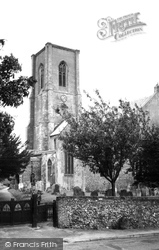
Cawston, Norfolk
Cawston photos
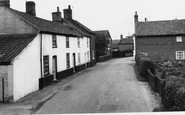
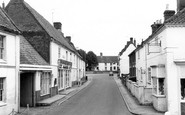
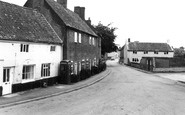
Displaying 1 of 14 old photos of Cawston. View all Cawston photos
Cawston maps
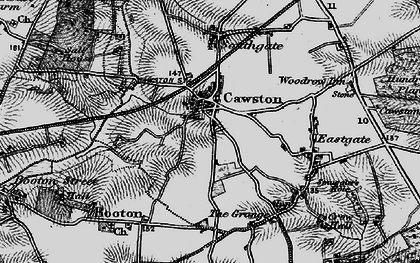
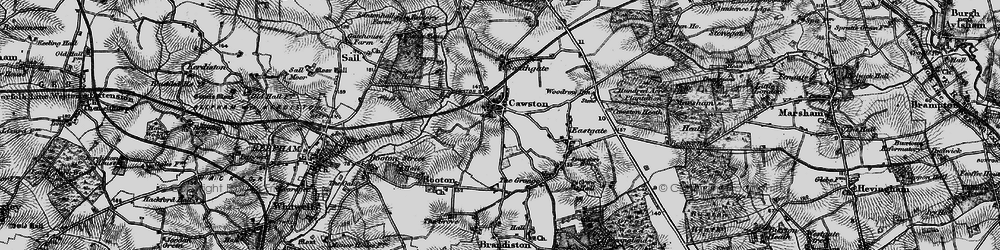
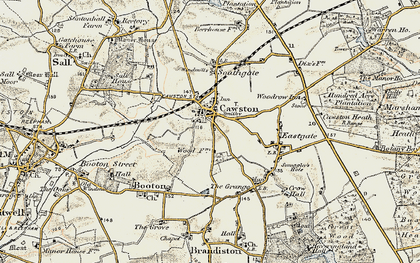
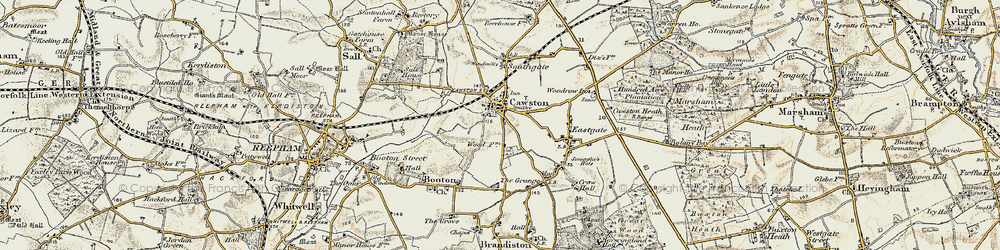
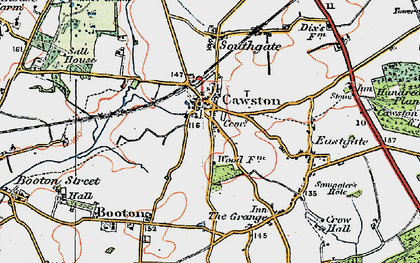
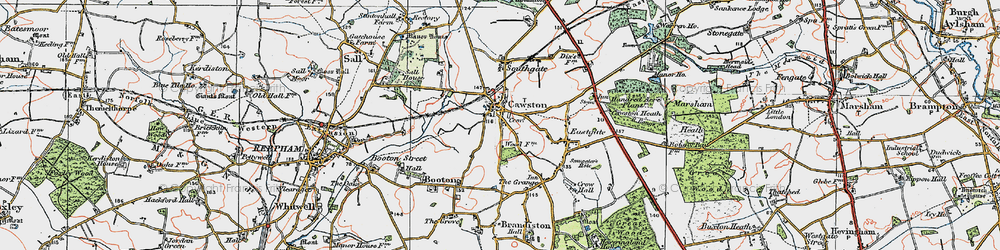
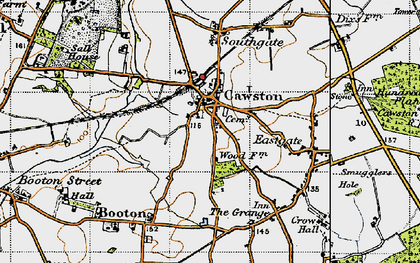
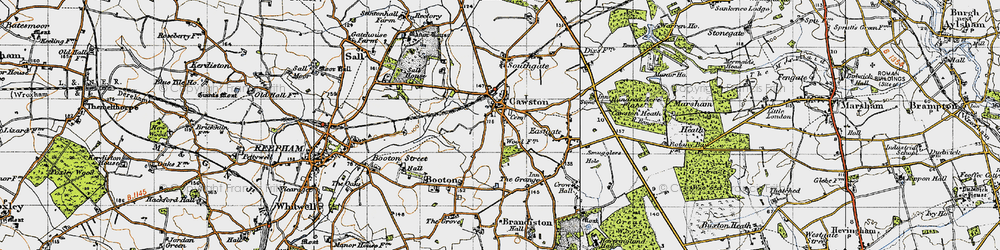
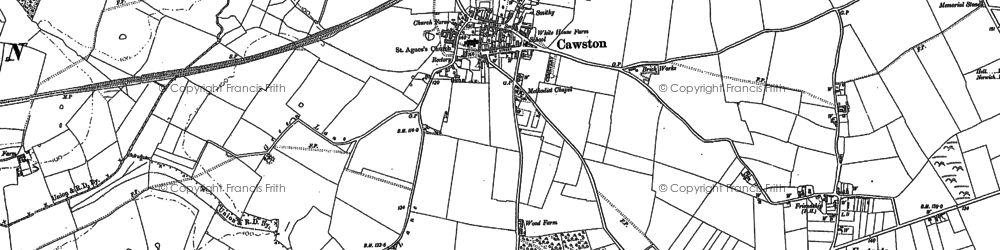
Historic maps of Cawston and the local area, hand-drawn by Ordnance Survey and Samuel Lewis. View all Cawston maps
Cawston books
Displaying 3 of 10 books about Cawston and the local area. View all Cawston books
1 Cawston photos appear in 1 Frith book titles. You can read extracts and browse photos from these books.
Memories of Cawston
Displaying a selection of personal
memories of Cawston
.
Add your memory of Cawston
or of a photo of Cawston.
My mother was in the early 1940s called Nancy Southgate, her father ran a paper round from his house. If you leave the village with the church on the left, over the bridge, the row of houses on the left, the last house was where mum was born. Mum was there when an American war plane came down, I have seen... [more]
Shared on 30 July 2009
I remember walking down to my first Christingle. My wife, two-year-old daughter and I experienced a wonderful service which really made all of our Christmas's. With the lovely support of the local villagers, we really felt that we settled in. Since then every year we have made it a tradition to venture down to the church and participate in the Christingle.... [more]
Shared on 16 March 2008
Norfolk memories
Occupations in Great Witchingham
I have found out that my great, great, great grandfather, William Brigham was a baker at Great Witchingham (1841 census). My other GGG grandfather, James Smith, was a miller.
James Smith's son, Frederick, was the grocer/draper/flower seller (1871 census).
William's grandson, Frederick, became the rate collector, coal and oil merchant by 1896.
Would love to find any pictures of the area.... [more]
Shared on 01 January 2008
The Bawdeswell Plane Crash, The Willows and The Rectory.
Although I was just a little lad I can remember seeing the smoking debris of All Saints Church after the Mosquito crashed on it.
I was staying in "The Willows" which is opposite the church with my mum, my sisters, my cousins and my aunts, who were all evacuees from London. It was a miracle that the plane never hit... [more]
Shared on 27 June 2008
My great-grandfather owned the Lime Kiln in the village of Aldborough. When my grandfather Charles Earl was a young man he decided to leave the village with a friend and cycle to London to seek his fortune. They arrived in Pinner where my grandfather met his future wife (she was landlady of a pub). He went to work on the building... [more]
Shared on 13 May 2009
Looking at the picture I think you turned left and my nursery school was on the right hand side, was it St Christopher's? I can remember seeing the fighters at St Faiths, must have been swifts, hawks, hunters, this must have been about the 1950s.
Shared on 16 September 2009
A bungalow called Lynwood, at Costessey
My father bought this bungalow around 1926 - it was the place I was born. He was forced to sell it in 1929 when the place he worked at -J arrolds Publishing - went on strike and he lost his job. With my mother and two other children we had to leave and return to Kidderminster, to the home of my... [more]
Shared on 07 April 2009
Hello My name is Chris Dann I am a direct decendant of Frank Gilbert Bird of Honingham, England and I am looking for decendants of his brothers and sisters. Frank had an older brother named Charles Edward Bird born in 1893, a younger brother named Cyril Victor Bird born in 1900 and a younger sister named Olive born in 1892. Olive... [more]
Shared on 09 February 2008
Extracts From Cawston & Norfolk books
Displaying a selection of extracts from Frith books about Cawston, inspired by Frith photos.
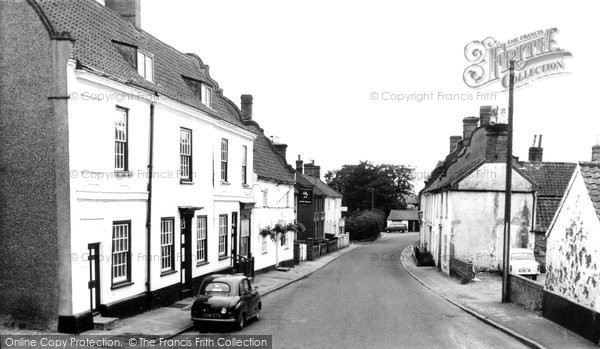
The Dutch gables on the houses along both sides of this street are a good example of the influence that the many Dutch and Flemish immigrants to Norfolk from the 16th century onwards have had over local life: their most famous import is the canary, from which Norwich City football club take their colours and their nickname.
Read more and see photos from this book.
Norfolk - A Second Selection Photographic Memories
In its heyday this was a huge village with shops of every description and five prosperous inns; there was even a beer house run by Matthew Austin. Different businesses produced hats, dresses, watches and clocks; a team of rat-catchers came from the village, and were well-known across the county. D Cook (right) is an electrical engineer - in the 1800s, Martha... [more]
Read more and see photos from this book.
On the road leading to the priory gateway, this fine 14th-century, jettied, timber-frame building may have been built for visitors to the abbey. The period petrol pumps have now gone.
Read more and see photos from this book.