Four Elms
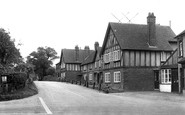
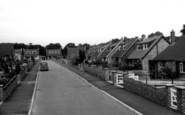
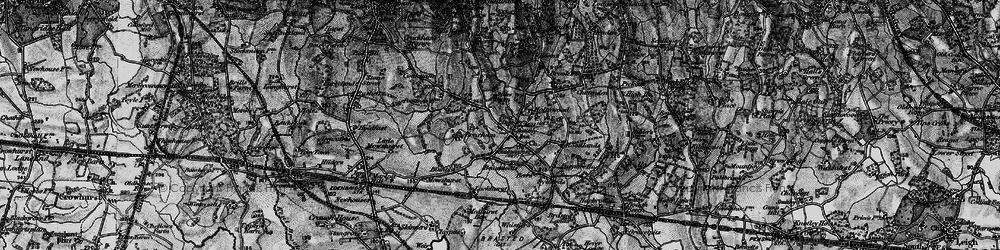
Four Elms photos
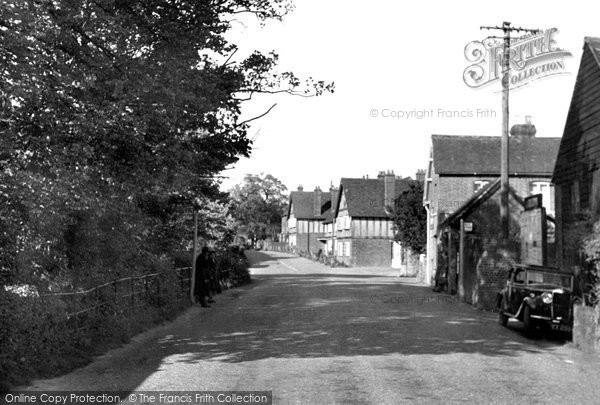
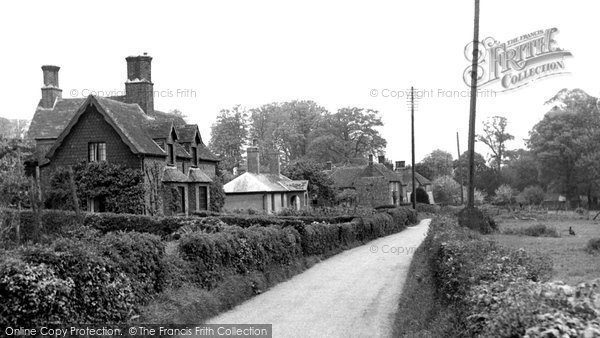
Displaying the first of 4 old photos of Four Elms. View all Four Elms photos
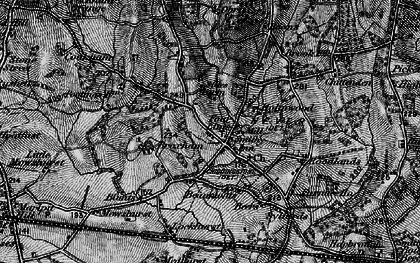
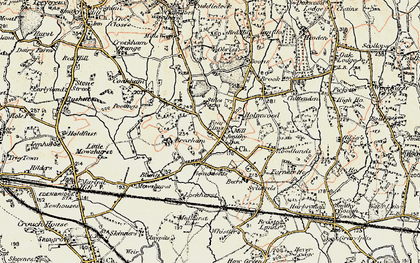
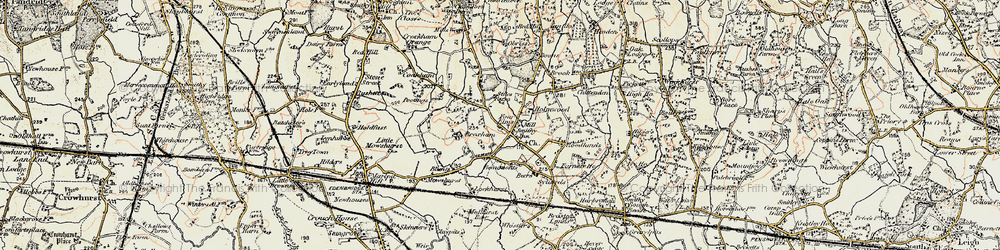
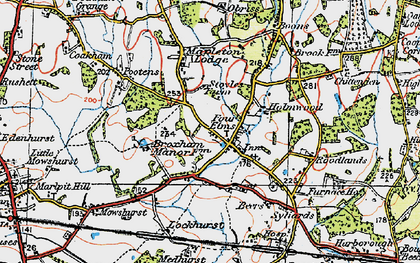
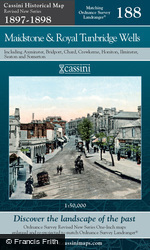
Four Elms maps
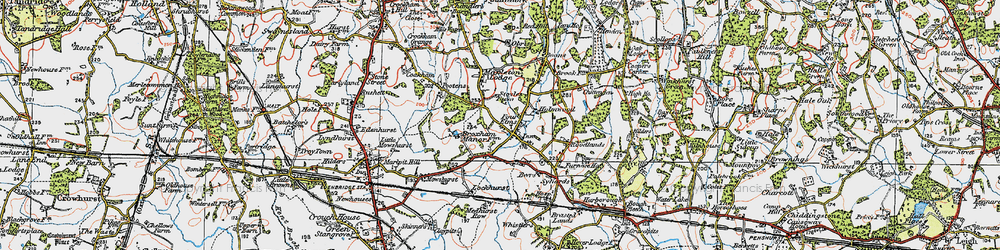
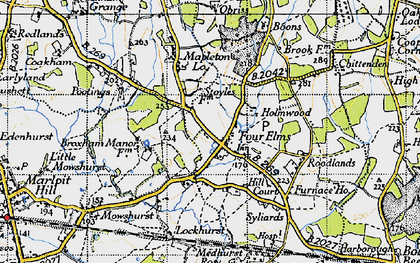
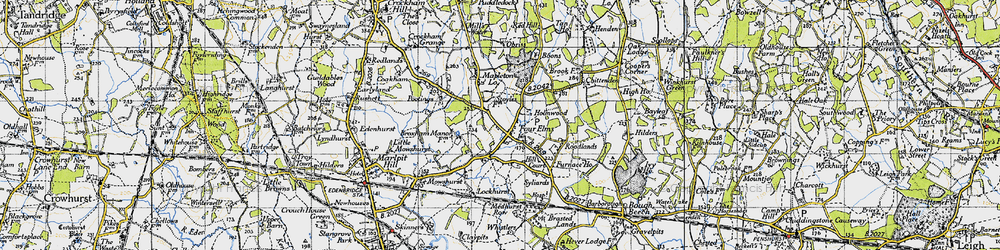
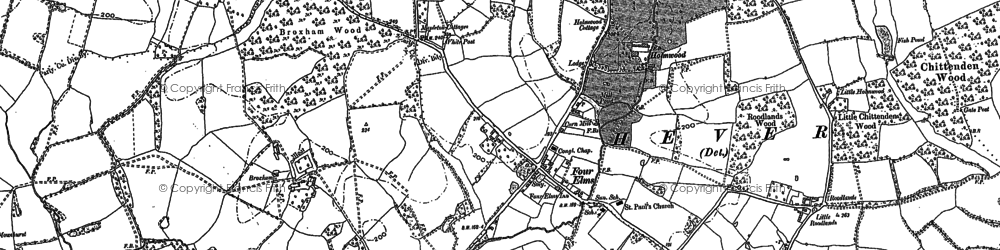
Historic maps of Four Elms and the local area, hand-drawn by Ordnance Survey and Samuel Lewis. View all Four Elms maps
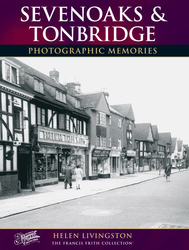
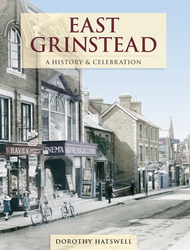
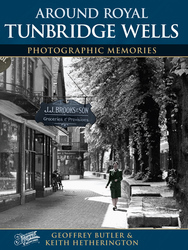
Four Elms area books
Displaying 1 of 24 books about Four Elms and the local area. View all books for this area
You can read extracts and browse photos from these books.
Memories of Four Elms
Displaying a selection of personal
memories of Four Elms.
Add your memory of Four Elms
or of a photo of Four Elms.
Early And Later.
"Come on children, all in the shelter." The air raid siren was the initiator of this quiet but determined order. It meant an enjoyable singing session with (I believe it was) Miss Smith on the old upright. Collecting empty aircraft bullet cases, which had been distributed over Four Elms by the aircraft from Biggen Hill was another wartime occupation. The only serious occurrence was the Doodle Bug that blew the side out of the cricket pavilion, I believe this was on a Saturday morning, because it frightened the two girls that were feeding the school rabbits to death. Born in the village in 1939, the son of Francis and Jack Cole, who lived in Brookfield, I had the luck to be raised in Four Elms, in the most, a one big family village. The cricket field was our teenage growing up club. We learnt to smoke, tell jokes, how to mow a table, and of course how to play cricket. And later when we had reached the correct age, we were introduced... Read more
Kent memories
Are You Sure This is Lingfield Road
I was born and brought up in Edenbridge, we lived in Church Street and my gran lived in Lingfield Road. This picture looks like the bottom end of Church Street.
The Bower
I moved to the Bower in 1945 with my parents and two brothers. We lived there until 1952 when we imigrated to Canada. The road takes a fairly sharp turn to the right just in front of the house and on Guy Fox night we used to turn off all the lights and open the gate to the field. I remember watching the cars miss the turn and landing up in the field. We also had a pond directly across the road from the house and quiet regularly the traffic would have to stop to let the ducks cross the road. I really miss Hever, someday I would like to return.
The Boy on The Saw
Well it should be between 1945 to 1954, that is when we were at the Bower, I see my brother has been here before me. If any of you have seen the Saturday book, I'm the boy doing the sawing behind the barn. I would love to come back sometime and see how things are the same or not.
Mill Cottage, Hever
I lived at 1 Mill Cottage with my parents and 2 sisters from 1947, my father took over from his father Frederick Sims at the power station which was at the bottom of our garden. My grandfather was in at the building of "The Village" part of the Hever Castle and our house was built on the residue from the making of the Castle Lake thus we found flints and artifacts, all of which we played with and lost. We had an idyllic life there, I married and my children were brought up there, it is a place that I wish I had never left.
Early Years
My father was born in Ide Hill and, when he left school, worked as delivery boy for Pierce's shop. That's how he met my mother, delivery goods to the large house Emmets, where she was a housemaid. When, eventually, I was born we lived about a mile outside the village, beside Sundridge Hospital, or The Union as it was known as then. In the autumn of 1945 I took my first, faltering, steps in my education at Ide Hill C of E school. Stayed there until moving to Westerham Secondary Modern School in 1951. After that I joined the Navy, then in 1967 came to Northern Ireland where I have lived since. It has been many years since I was home but the memories of growing up in that lovely area of Kent stay with me.
Memories of The Forgotten School
Around 1950 there was a boarding school established in the castle. A great feature for me were the routine supervised strolls around the local countryside including trips to the sugar white sandstone quarry, the subterranean hideaway of Dick Turpin and his horse, hidden in a copse located in a nearby meadow, the chiddingstone itself with metal handcuffs where wayward wives would be left outside for several days to suffer indignities, some apparently even left to die. Also the pheasants and other wildlife and the frequent plainclothed, horseback hunting parties from a nearby US base that charged through the grounds blowing their hunting horns. These are just memories now, except for this they are gone.