Places
36 places found.
Those places high-lighted have photos. All locations may have maps, books and memories.
- Pentre-cwrt, Dyfed
- Pentre Halkyn, Clwyd
- Pentre, Mid Glamorgan
- Ton Pentre, Mid Glamorgan
- Pentre, Powys (near Llangynog)
- Pentre, Powys (near Guilsfield)
- Pentre, Powys (near Bishop's Castle)
- Pentre, Dyfed (near Pontyates)
- Pentre, Powys (near Newtown)
- Pentre, Clwyd (near Mold)
- Pentre, Clwyd (near Ruabon)
- Pentre, Shropshire (near Chirk)
- Pentre, Clwyd (near Hawarden)
- Pentre, Clwyd (near Chirk)
- Pentre, Clwyd (near Ruthin)
- Pentre, Clwyd (near Mold)
- Pentre, Shropshire (near Oswestry)
- Pentre, Powys (near Welshpool)
- Pentre, Clwyd (near Mold)
- Pentre, Shropshire (near Forton)
- Pentre Broughton, Clwyd
- Pentre Gwynfryn, Gwynedd
- Pentre Maelor, Clwyd
- Pentre-clawdd, Shropshire
- Pentre Galar, Dyfed
- Pentre Llifior, Powys
- Pentre-cefn, Shropshire
- Pentre-Gwenlais, Dyfed
- Pentre-Poeth, Dyfed
- Burntwood Pentre, Clwyd
- Pentre Berw, Gwynedd
- Pentre Hodre, Shropshire
- Pentre Llanrhaeadr, Clwyd
- Pentre-celyn, Clwyd
- Pentre Cilgwyn, Clwyd
- Pentre Morgan, Dyfed
Photos
98 photos found. Showing results 2,941 to 98.
Maps
316 maps found.
Books
2 books found. Showing results 3,529 to 2.
Memories
1,253 memories found. Showing results 1,253 to 1,253.
Captions
3,593 captions found. Showing results 3,529 to 3,552.

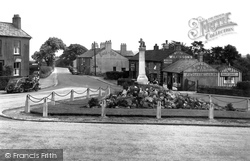
This is the T-junction at the centre of Hurst Green, seen here in the gentle post-war years. This stretch of road has a history all of its own.
Its surroundings are pleasant without being spectacular: 90% of Staffordshire is rural, and nowhere in the town, not even in the very centre, is one ever far from the countryside.
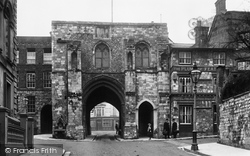
A considerable amount of development took place in Portsmouth in the 17th and 18th centuries, including the building of naval establishments and factories, and the city became a major centre
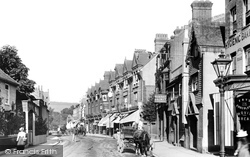
The inn enhances one of the most pleasant-looking town centres in the area.
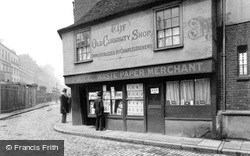
Later in the century the Church Times left its distinctive building and the W H Smith distribution centre became the London School of Economics Library.
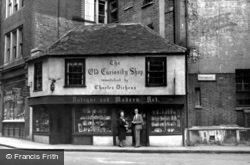
Later in the century the Church Times left its distinctive building and the W H Smith distribution centre became the London School of Economics Library.
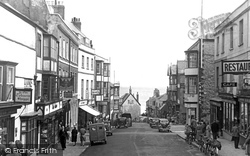
The Royal Lion Hotel and New Inn are followed by Middle Row (centre). The Toby Jug, Fudge Kitchen and Mulberry Manor front the next pavement, in a row of shops uphill to the Three Cups Hotel.
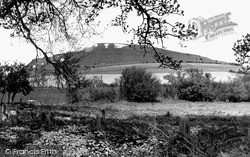
The Army Base Repair Organisation and Warminster Training Centre are based here.
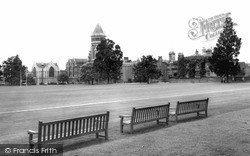
The oldest existing school buildings are School House (centre right) and the Headmaster's House (far right), built in 1815 in Elizabethan style as a tribute to Lawrence Sheriff.
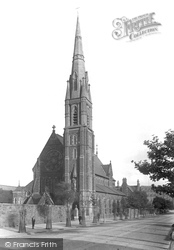
As the centre of both industry and population moved to Barrow-in-Furness, it was decided to built a Catholic church there.
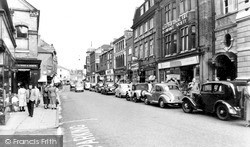
The National Westminster Bank (extreme right) is next door to a seed merchant, still an important trader in a country town before seeds were brightly packaged and sold by garden centres.
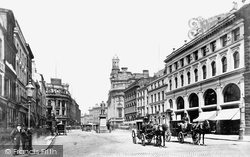
buildings on the right were put up around 1835; the one with rounded window arches was for a long time the booksellers Sherratt & Hughes, and later Waterstone's - it then became WH Smiths while the Arndale Centre
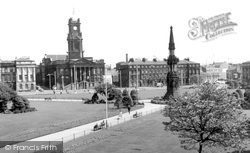
The well-laid-out Hamilton Square in the centre of Birkenhead is named after the town's founder, John Laird, in honour of his Scottish mother.
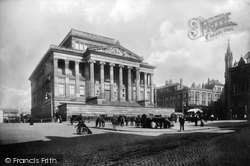
Here we see the diamond in the crown that is the centre of Preston.
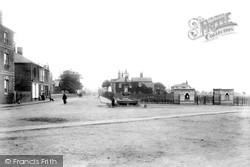
Manor Street was developed from 1847 to provide a link road from the centre of town to the new railway station, which was situated on a new road - Railway Street; the railway line to Witham opened in
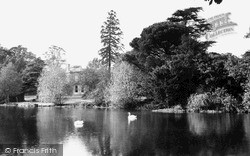
Parts of the Zeppelin can be seen in Potters Bar's fine museum at the Wyllyotts Centre. In the 1980s, Oakmere House was converted to a Beefeater restaurant.
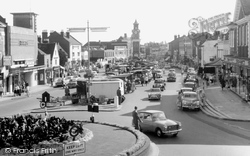
The market was held in the centre of the road, with cars passing on either side - a dangerous arrangement brought to an end in 1991 when both streams of traffic were moved to the north side.
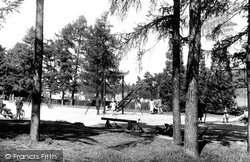
Cricket is not the only activity at the recreation ground today, as the nearby outdoor play area for children and the arts centre Clair Hall testify.
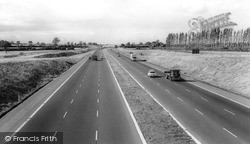
Milton Keynes city centre is just three miles away.
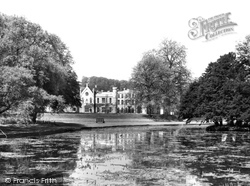
Wycombe also became an important aircraft parts manufacturing centre, notably for the De Havilland Mosquito and the Wellington bomber.
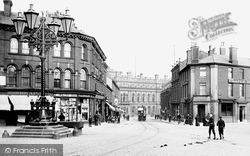
The shops behind the big lamp in the centre of the road are interesting. Next to the draper's shop on the left is Walmsley's Stationers and Bookshop.
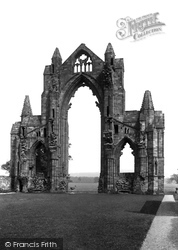
priory grounds with privacy and protection; the grounds have a 'secret garden' quality, and their tranquillity and peace are in sharp contrast to the hustle and bustle of the nearby town centre
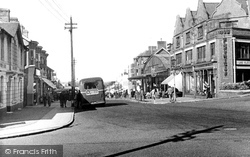
Then it moved into the Orchards shopping centre, off South Road, its current site. During this time, a series of sub-post offices were established throughout the town.
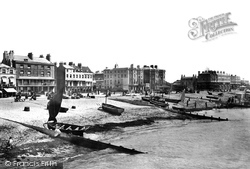
Little Terrace (centre on above photograph) was built as a terrace of fashionable lodging houses by a Brighton bricklayer named William Hall circa 1794.
Places (57)
Photos (98)
Memories (1253)
Books (2)
Maps (316)