Places
4 places found.
Those places high-lighted have photos. All locations may have maps, books and memories.
Photos
6 photos found. Showing results 21 to 6.
Maps
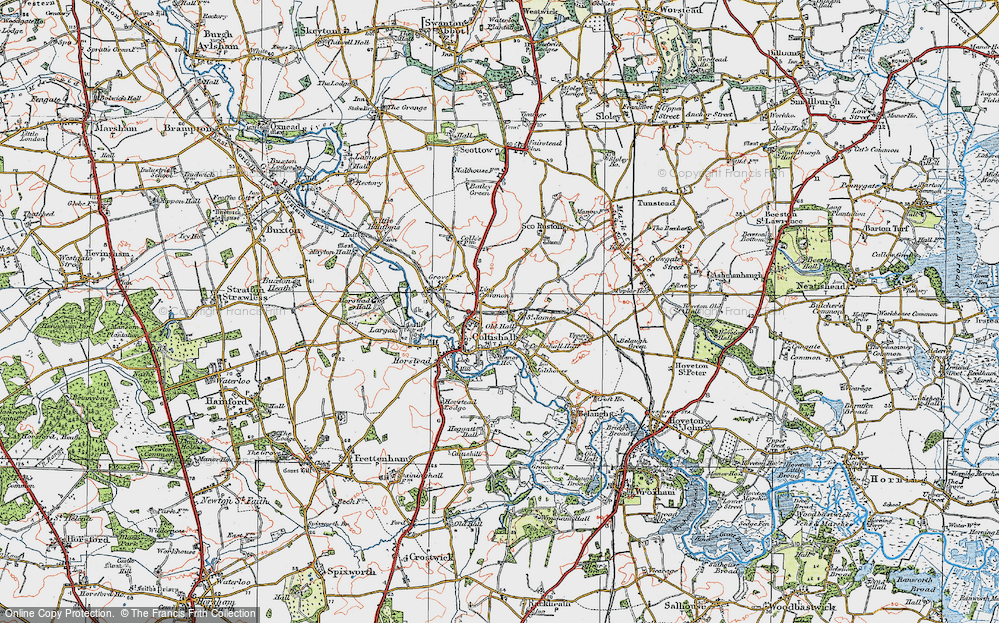
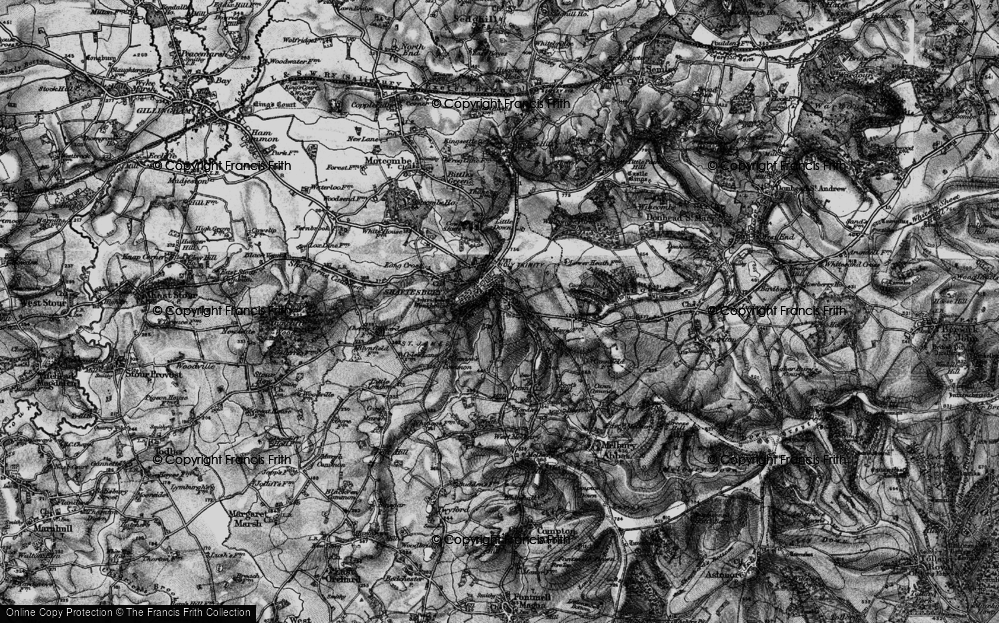
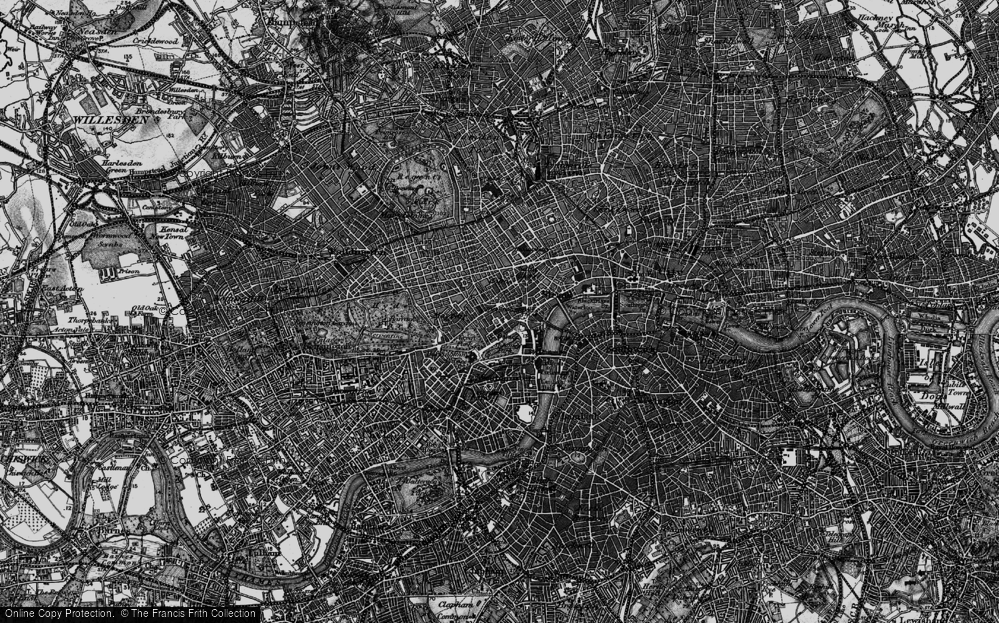
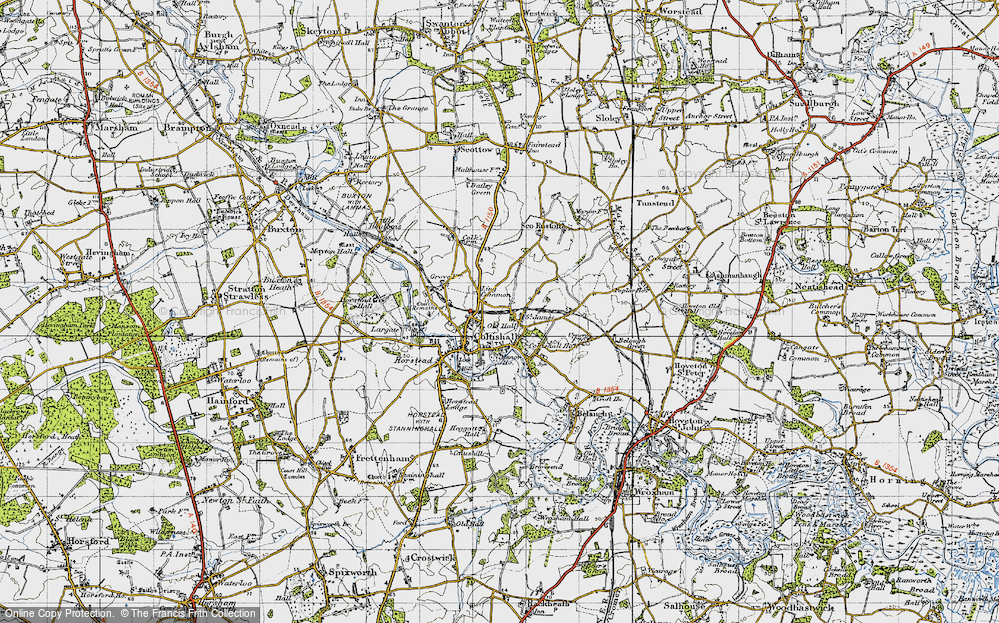
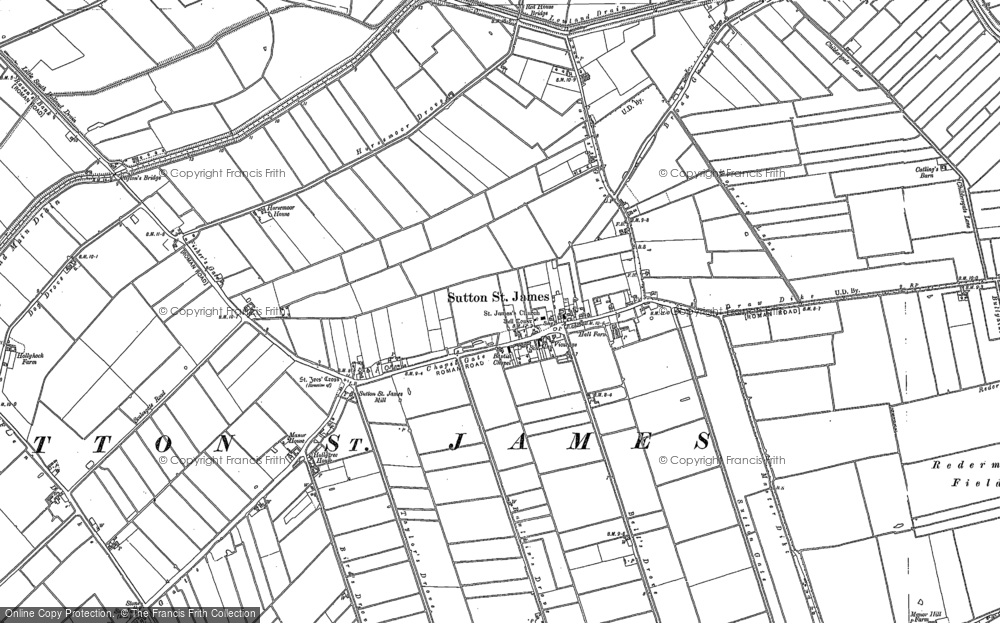
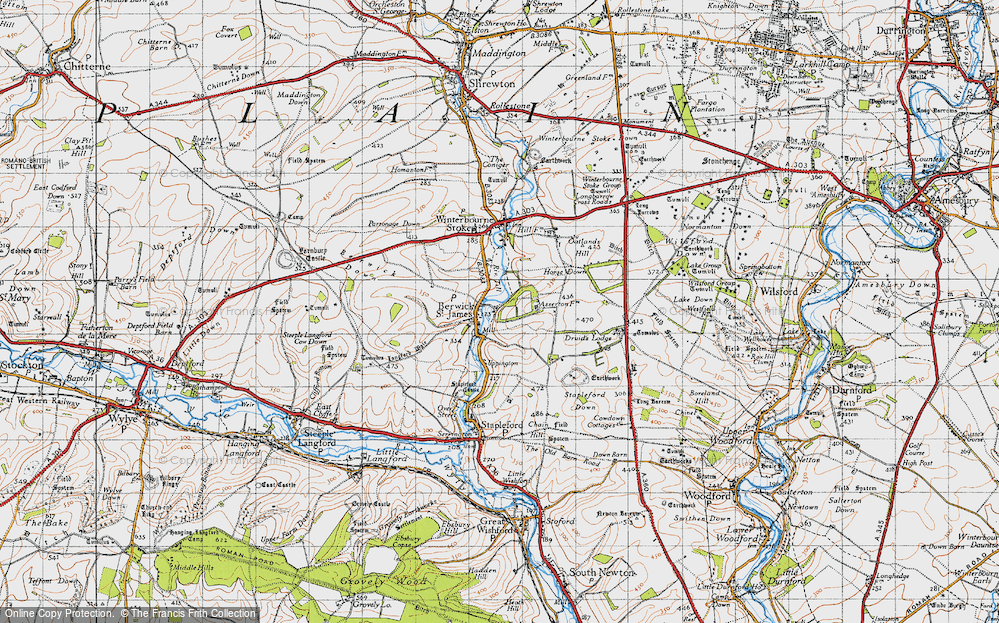
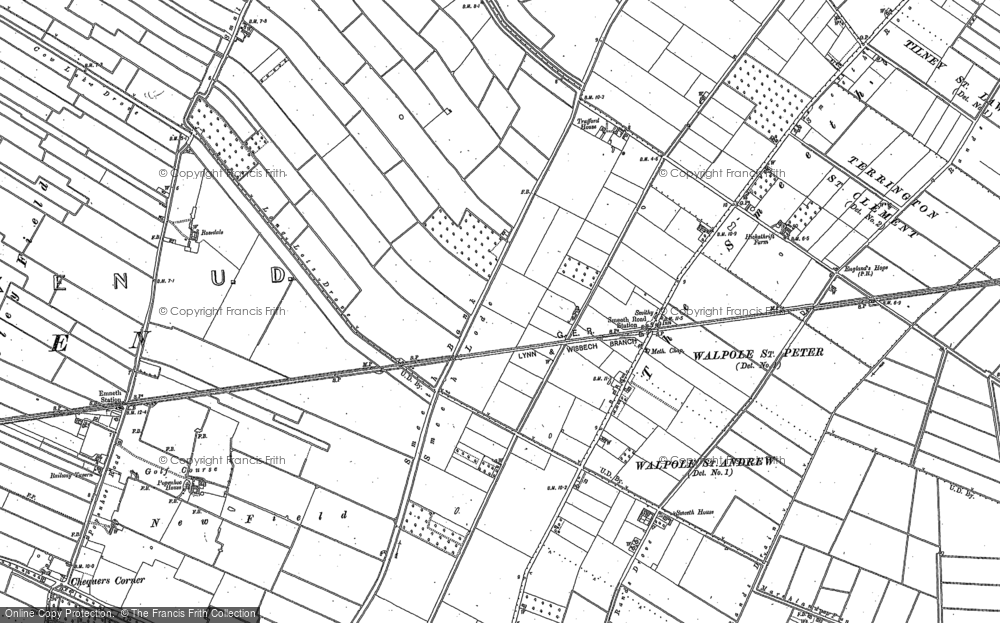
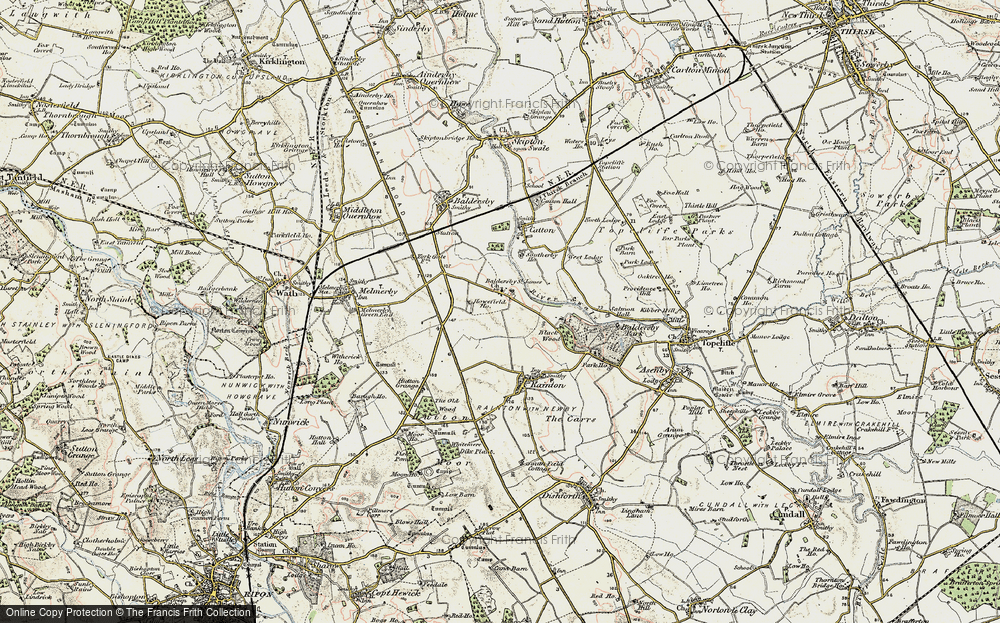
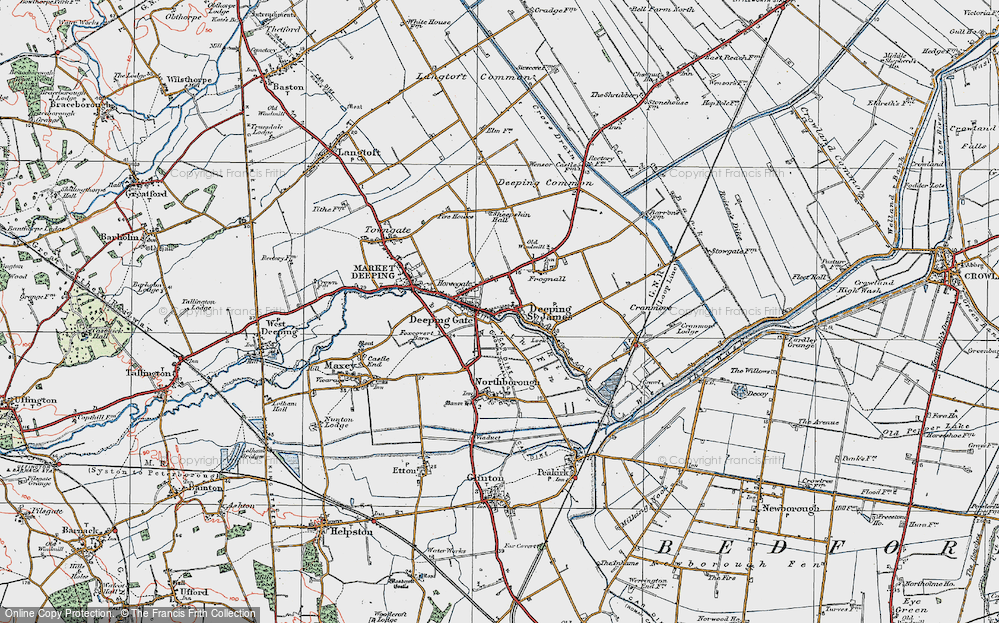
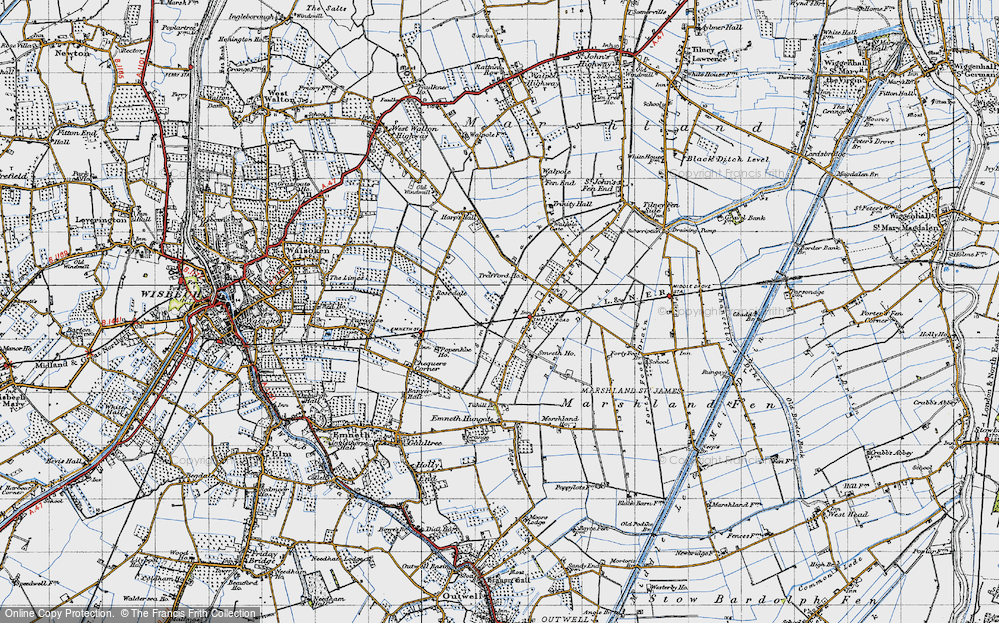
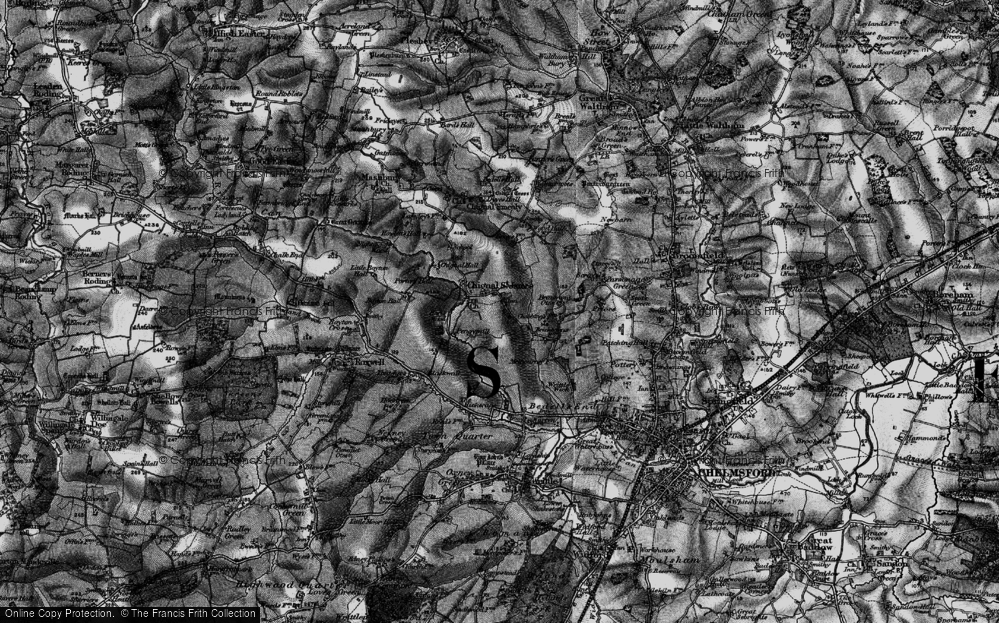
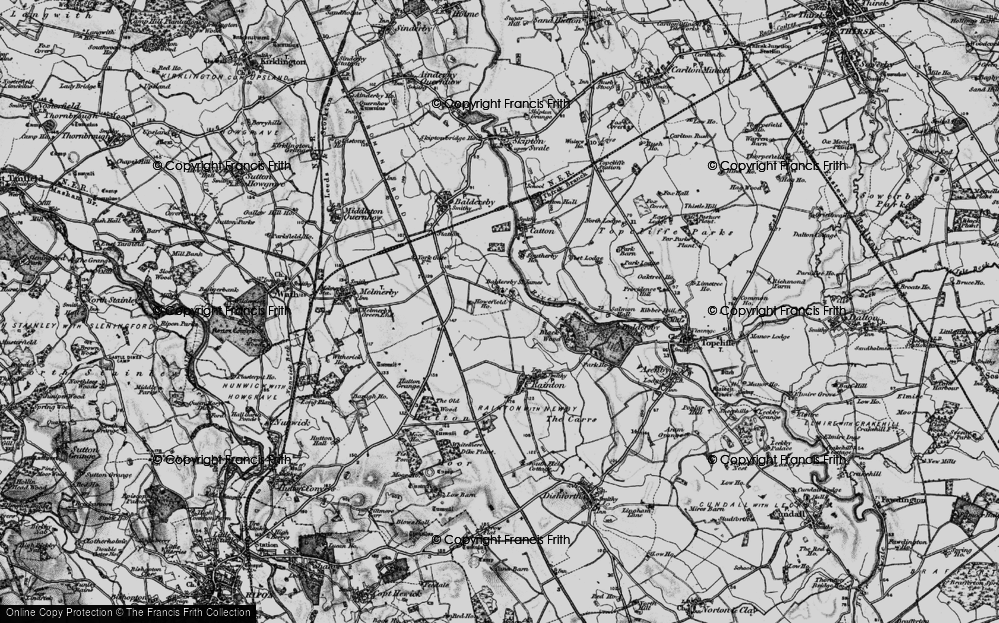
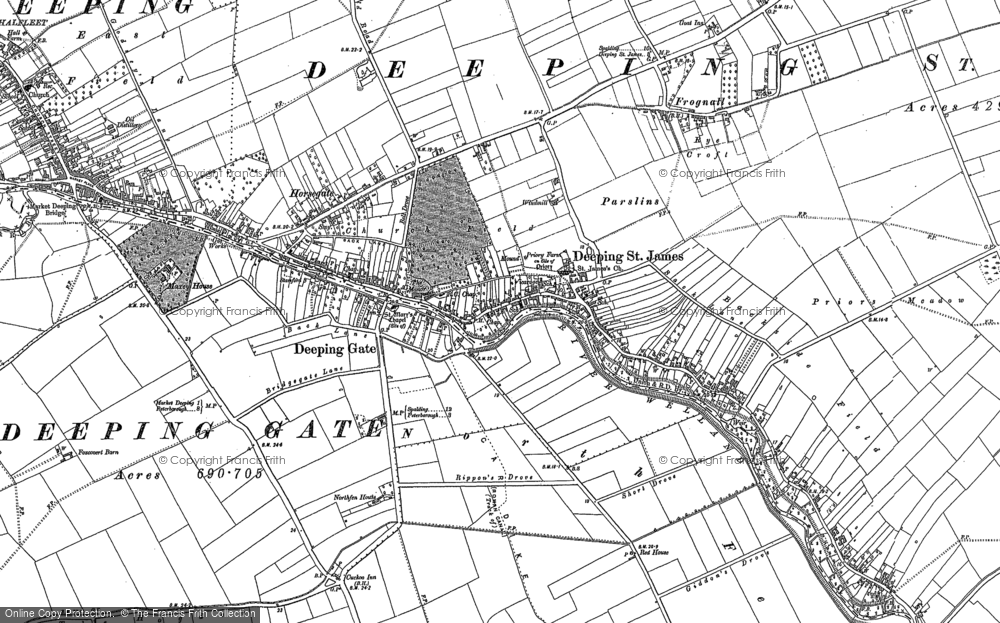
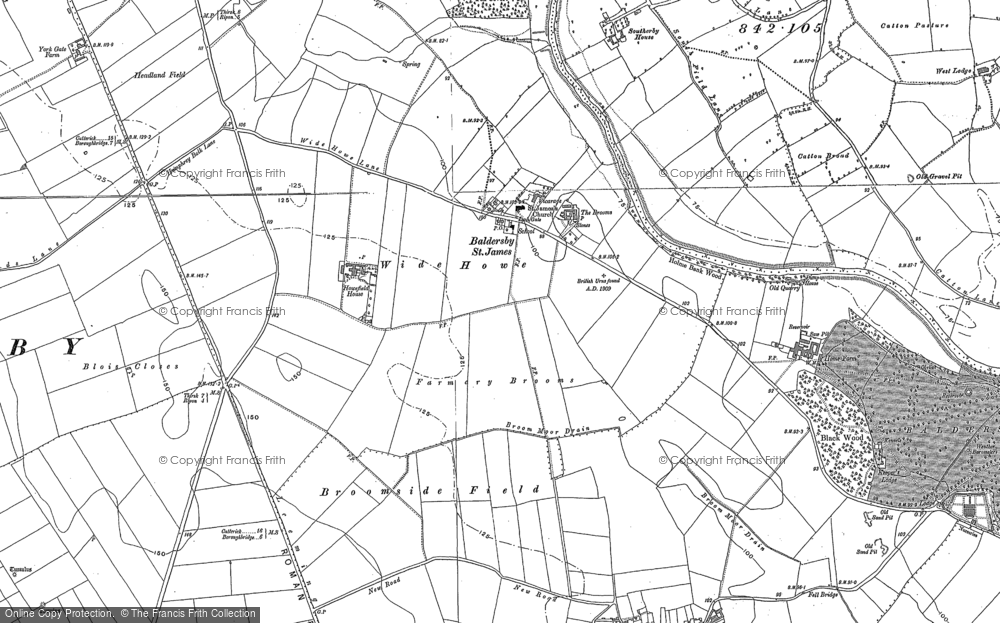
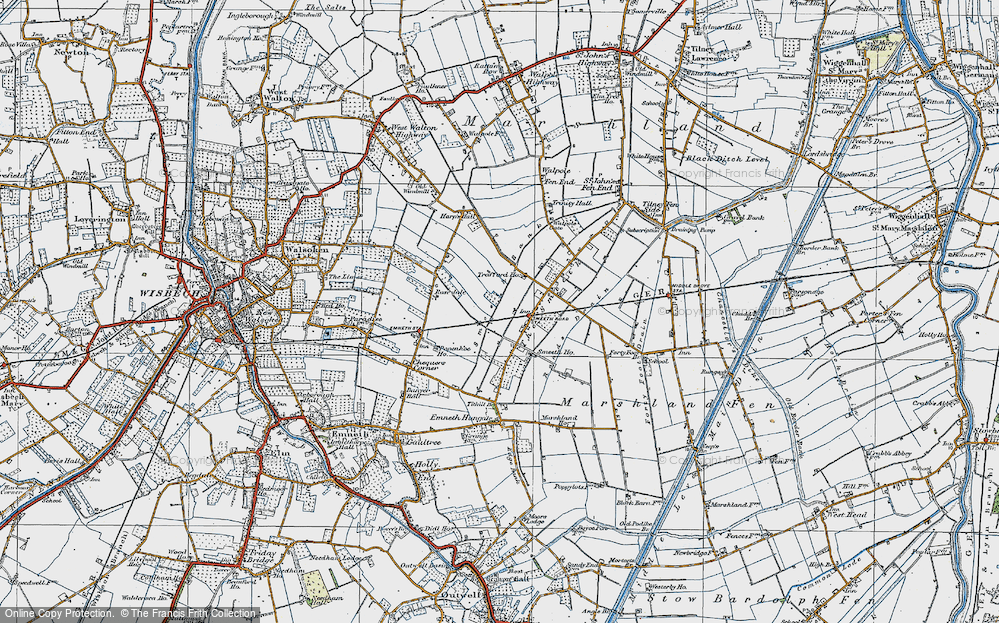
65 maps found.
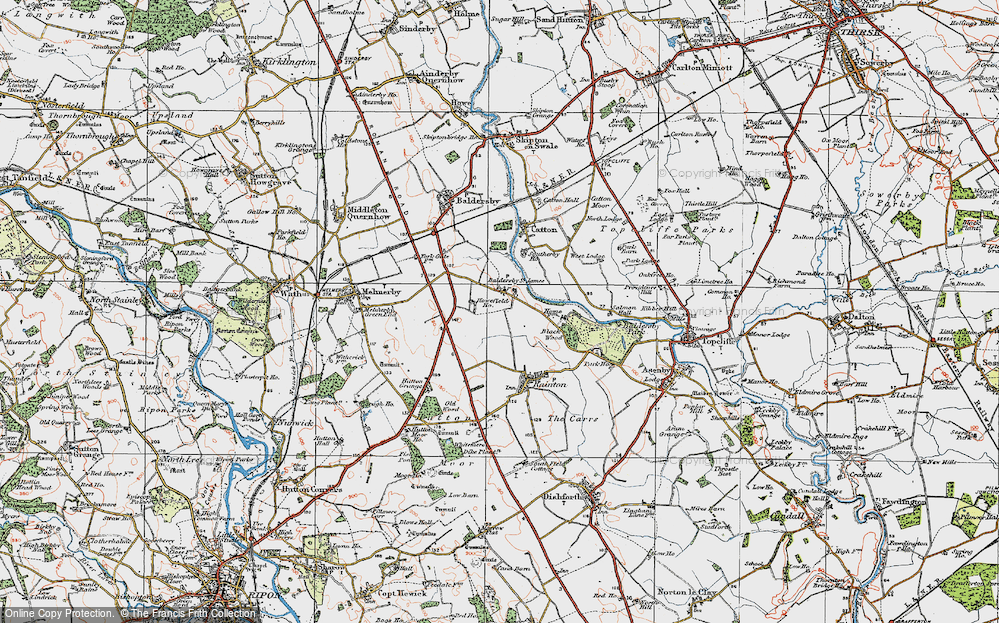
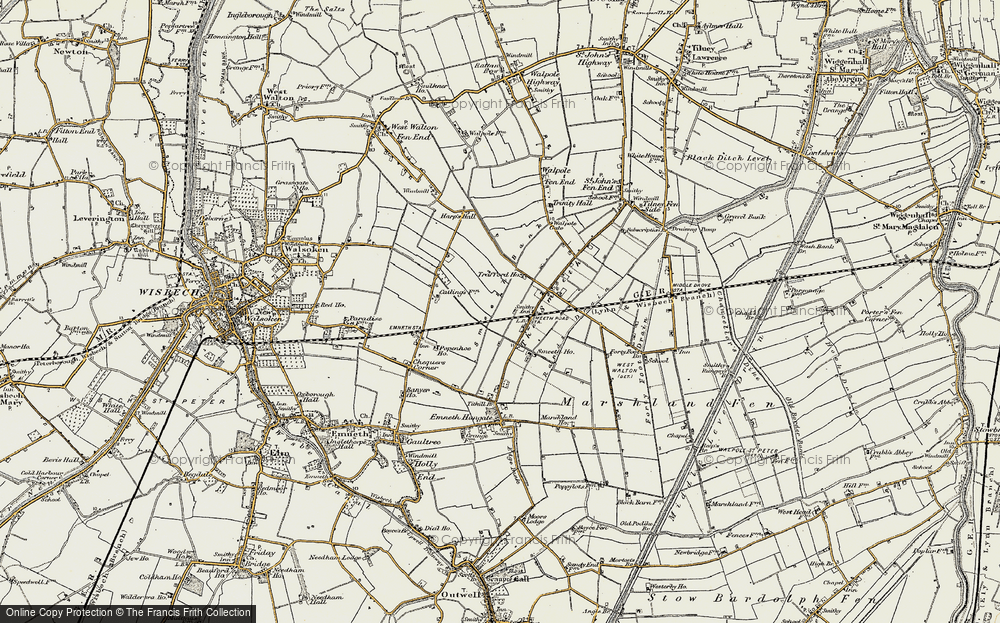
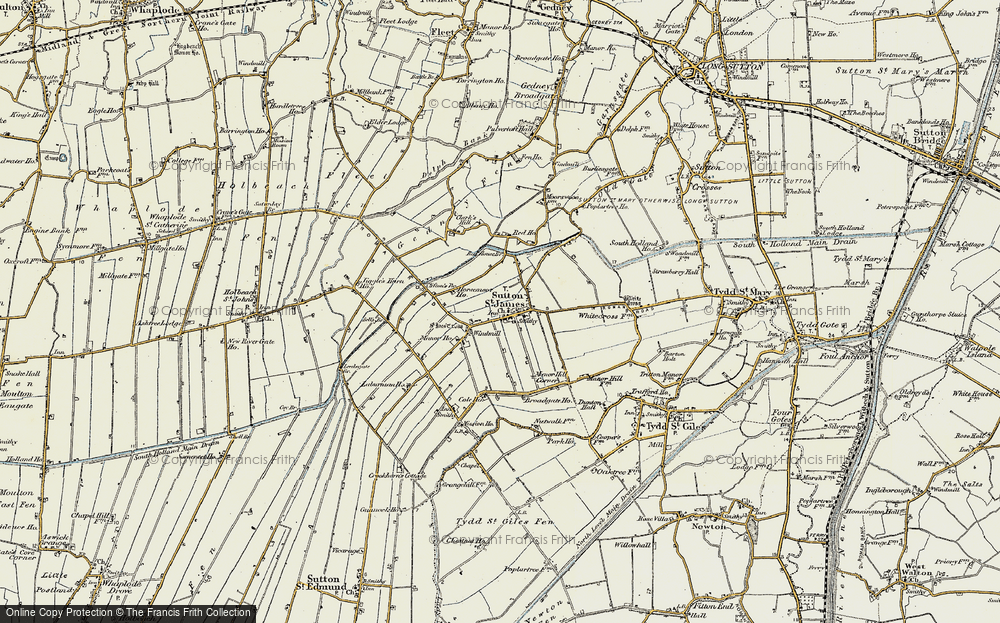
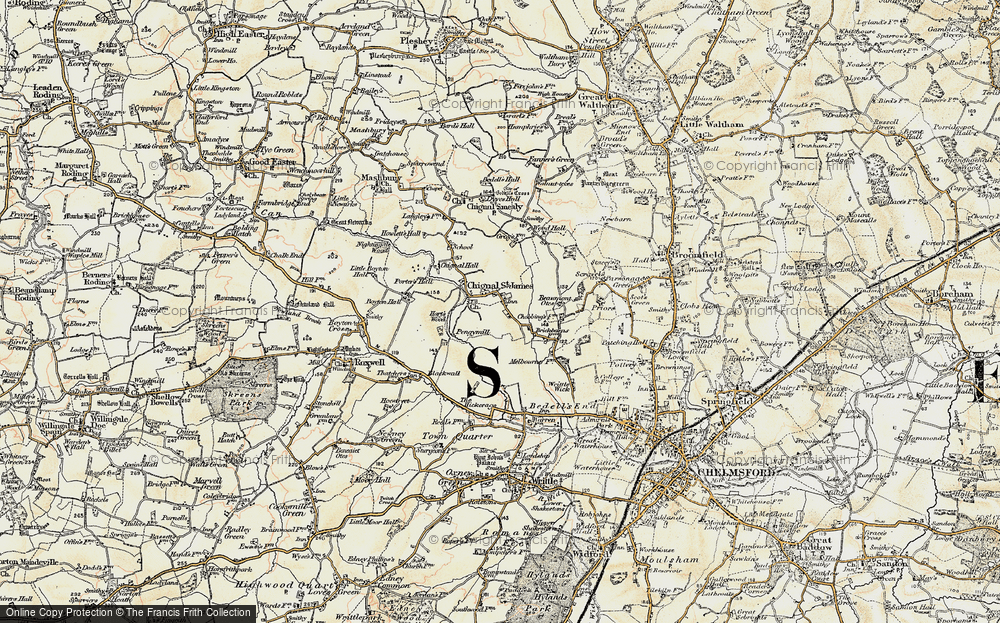
Books
1 books found. Showing results 25 to 1.
Memories
4,591 memories found. Showing results 11 to 20.
Canter Across The Canal
It must have been around the late 1960s, early 1970s when my sister and I used to ride our ponies down to Avoncliff. We lived a short distance away in Upper Westwood and our mother liked us to ride along the tow path as it ...Read more
A memory of Avoncliff in 1970 by
Tithby Or Tythby
I used to live in the village of TYTHBY, spelled with a Y and not an I. I did not even know that there was another village close by with a similar name. But I have checked on the computer and there it is, not too far away in the ...Read more
A memory of Tithby in 1944 by
Alli In Glasbury
Fred took Allan fishing some time in the 1950's, when Allan was in his twenties. He had just married Norah (Nina) - (her mother used to call her No). Allan remembers wading out in Fred's waders and standing in The River Wye until ...Read more
A memory of Glasbury by
Post Office
I was born in Hereford in 1952 to Roland S G Hodges and Doreen his wife. I have fond memories of Kings Caple and Fawley. My grandmother ran the village post office for nearly 40 years right up to decimalization. She ran her Post ...Read more
A memory of King's Caple in 1960 by
Llanhilleth
I was born in my aunt's [Ciss Smith] house in Caefelin Street, Llanhilleth, during late 1944, early in the morning. At the same time a girl named Angela [Simpkins] was born in the house opposite at the same time. My Aunt Ciss was ...Read more
A memory of Llanhilleth in 1944 by
Hillingdon In The 1940s And 1950s
My family lived in Hillingdon from the beginning of ww2 until 1953 when we moved from Biggin Hill. Our first home was a top floor flat in Pinewood Ave which was not ideal for a family with 4 children and then ...Read more
A memory of Hillingdon by
Lost Times
My memories are of Okenden in the early days, my father was born there and was from a family of 11 children, he was called Arthur Oakley, he lived there when the local bobby walked the streets pushing his pushbike, and if he did ...Read more
A memory of South Ockendon in 1959 by
Miners Strike
My father (Robert Summers born Dec 1916) was 6 months old when his father was killed in Ypers. A few years later my gran remarried a miner, James MacLachlan, an ex Cameronian. My father told me a story of how, during the strike and ...Read more
A memory of Twechar in 1920 by
Going To School
This path was a lifeline to me when I was going to school on my bike. As you look at this picture there was houses to the left and Halton Brow and corn fields to the right. I came down this path on my bike and up Boston Avenue to ...Read more
A memory of Halton by
Dads Panic
Dad was village copper for several years (our old Police House is now "Peelers" in Thorneydown Road) and had a number of people he got on well with. He tended not to panic too often but one day a message came through that ...Read more
A memory of Winterbourne Gunner by
Captions
925 captions found. Showing results 25 to 48.

It is thought that the first ocean-going ships to visit this harbour belonged to the Phoenicians, who came to trade for silver around 400BC.
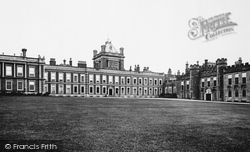
Some came to stay as they journeyed around the country, but many more came as friends, to relax, or to take in a few days shooting.
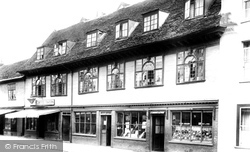
The Coffee Tavern came into being around thirty years previously - in an attempt to provide people with an alternative to nearby public houses.
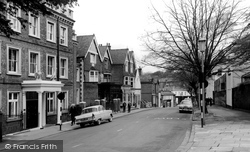
A Saxon hill village, known as Gumeninga Hergae, or the shrine of Guma's people, in 767, it has now become well and truly subsumed into suburbia, and into Betjeman folklore through his poem of the same
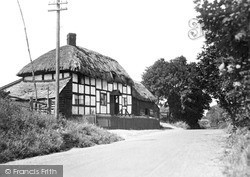
This thatched cottage sits at the northern end of the village and was once a pub whose custom came from those travelling to and from Shropshire.
This thatched cottage sits at the northern end of the village and was once a pub whose custom came from those travelling to and from Shropshire.
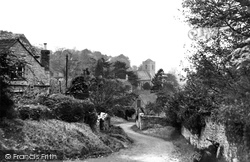
Hidden in woodland near Stroud, Bussage acquired fame in the 20th century as the home and workshop of the renowned glass engraver and stained glass artist Michael Dinkel.
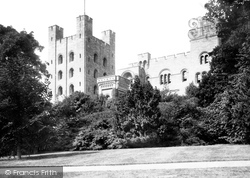
The marble came from Anglesey, timber from Pennant's estates, and slate from his own quarries.
The Coffee Tavern came into being around thirty years previously - it was an attempt to provide people with an alternative to nearby public houses.
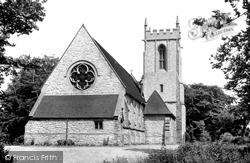
The church of St Edward the Confessor contains a medieval effigy of a crusader monk, which was found in the wall of nearby Netley Castle and probably came from Netley Abbey.
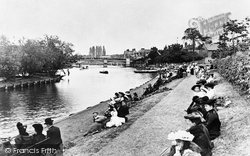
During the Victorian and Edwardian eras, the Thames riverbank drew large numbers of visitors who came here to enjoy the tranquil scene.Windsor's royal status made this stretch of the river especially popular
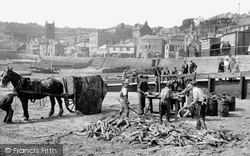
Fish being gutted on the harbour beach, long before modern hygiene laws came into play. The horse-drawn cart was a common mode of transporting fish from the beach.
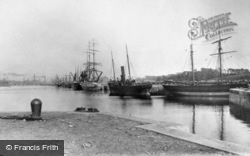
She came equipped with a towing hook, so that if she came across any of the company's schooners becalmed, she could take them in tow.
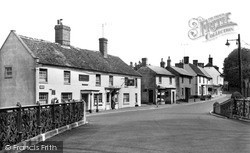
Linton had a regular market from the Middle Ages, and it was the last place outside Cambridge to maintain one, but it came to an end around 1860, supplanted by its shops.
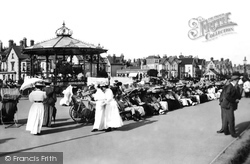
In Victorian and Edwardian times, when most seaside resorts came into being, part of the entertainment would involve listening to musicians performing in specially constructed bandstands, like this one
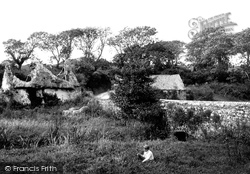
Small vessels came up the Ritec as far as Gumfreston at high tide. Note the stone bridge, tumbledown building and the solitary boy in the foreground.
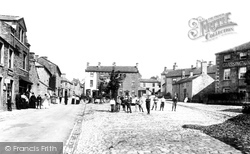
In 1902 the railway finally came to Grassington with the opening of a line to Skipton.
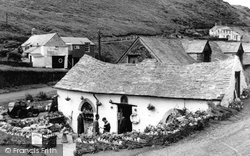
Boscastle's slate-built cottages cling to the side of the beautiful valley of the River Valency, an important route inland down which came the slate and grain that were shipped from the harbour.
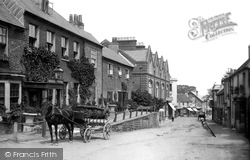
The Crown Hotel, formerly one of Lyndhurst's inns, was rebuilt in the Tudor style late in Victoria's reign to cater for those who came to delight in the beauties of the New Forest.
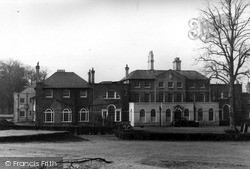
Many people came to Hawkstone to visit the follies apparently it was particularly popular with honeymooners in Victorian times. The hotel was built to accommodate these visitors.
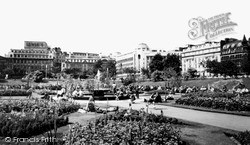
The area was going to be an art gallery, a town hall extension, an hotel, and an entertainment complex - but none of these plans came to fruition.
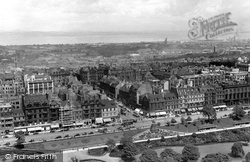
Edinburgh was well served by its tramway system for 85 years; services came to an end in November 1956.
The church of St Edward the Confessor contains a medieval effigy of a crusader monk, which was found in the wall of nearby Netley Castle and probably came from Netley Abbey.
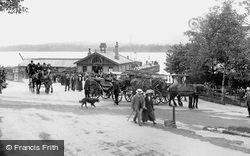
The ornate Waterhead buildings served an increasing trade of tourists to the area, particularly after the railway came in 1847.
Places (4)
Photos (6)
Memories (4591)
Books (1)
Maps (65)