Places
7 places found.
Those places high-lighted have photos. All locations may have maps, books and memories.
Photos
90 photos found. Showing results 21 to 40.

Maps
30 maps found.
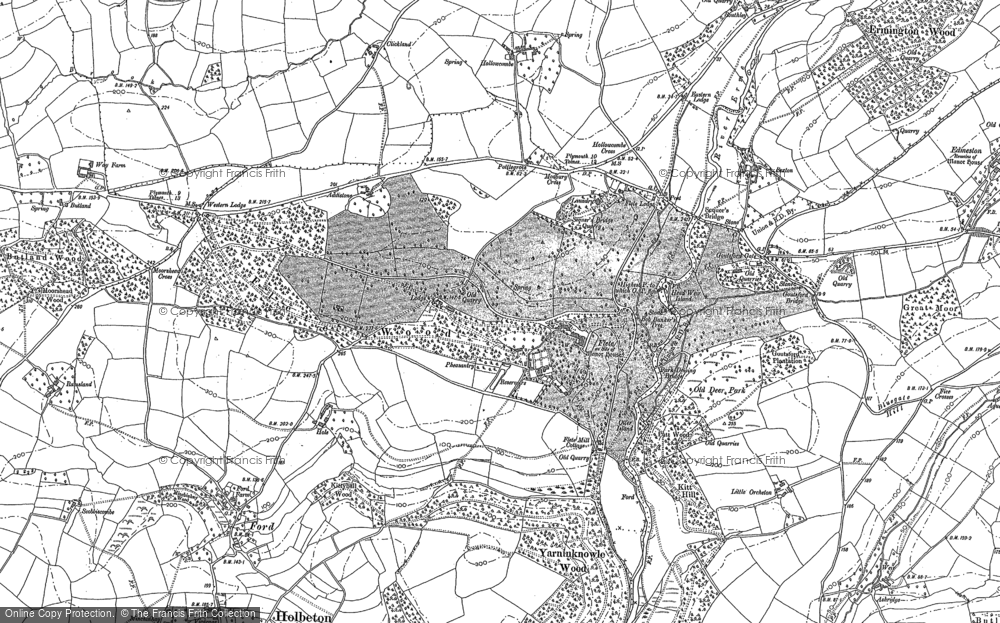
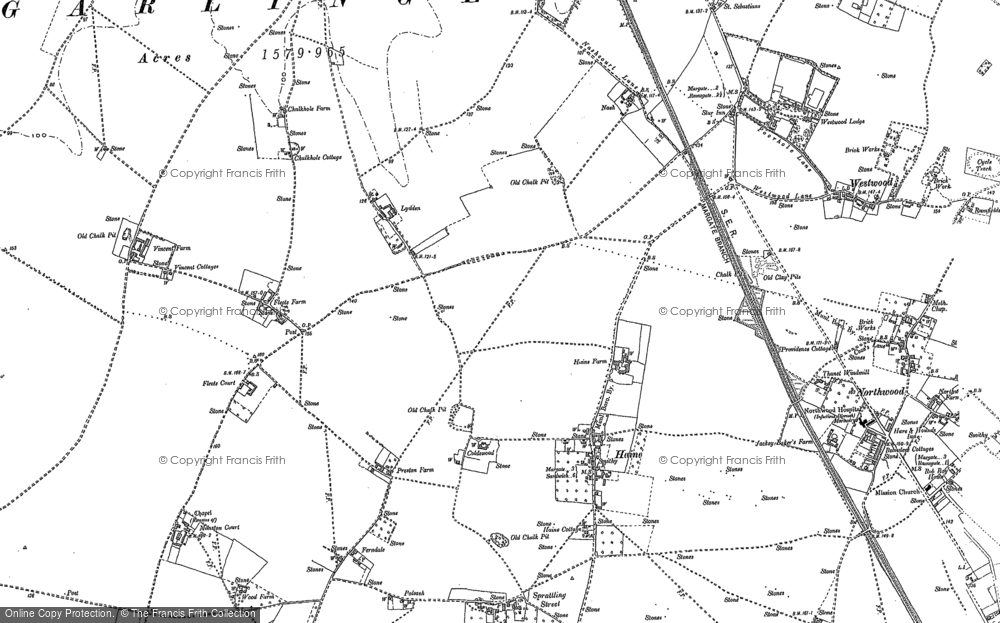
Books
Sorry, no books were found that related to your search.
Memories
161 memories found. Showing results 11 to 20.
Where I Was Born
My Beginning, at Sole Street near Cobham Kent. (9th March 1946 - 2nd January 1951) I was born on Saturday March 9th 1946 at 3.29pm at Temperley, The Street, Sole Street, Kent. I was delivered at home by the ...Read more
A memory of Sole Street in 1946
Born In Ilford
Ilford Town Hall is on the corner of Oakfield Road where I lived throughout WW2. The public Air Raid Shelter we used to sleep in was opposite the Town Hall in Oakfield Road. A very large department store called Moultons was opposite, ...Read more
A memory of Ilford in 1940 by
Burns Pit Disaster
From his seat, by the fire, my grandad could see the great mound of the spoil heap of Stanley Burns Pit. It was the site of a horrific explosion, on 16th February 1909, in which 168 men and boys lost their lives. He would ...Read more
A memory of Stanley in 1900 by
Hetheringtons
As a boy I lived at 108 Moresby Parks with my family. I was from a large family, 4 brothers and one sister. We moved there in 1976 to 2006, it was a wonderful place to live and still is today. My childhood memories are of ...Read more
A memory of Moresby Parks in 1976 by
Flete House
The memories that Mary Impey has voiced bear a resemblance to my own. I have always had a memory from very young of being in some sort of establishment with the panelled walls Mary mentioned and rows of babies' cots and even the ...Read more
A memory of Pamflete Ho
I Was Born There
I remember going to school at Strete in the Easter, up to the summer holidays, as a 4 year old in 1964. When we were due to return, we had to go to Stoke Fleming primary because Strete primary had closed. All the Rowdens, Ewings, ...Read more
A memory of Strete in 1964 by
My Mother Was Evacuated To Buckinghamshire Twice!
Britain declared war on Germany in September 1939, and this country's involvement in the Second World War began. German air-raids and gas attacks were expected imminently, and many ...Read more
A memory of Princes Risborough in 1940 by
Mixture
The quaint older houses on the right now faced new bungalows to our left, and on our left is another walkway to the primary school. Now Jimmy came to live in one of the bungalows and then he came to our school when he was about 10. He was ...Read more
A memory of Eastry by
Best Holiday Ever !
My family come from the East End of London. My mum and dad took us on holiday from Chingford on a Grey Green coach to Stoke Fleming for two weeks, we stopped en route in Yeovil for tea.... My parents had booked a caravan ...Read more
A memory of Stoke Fleming in 1956 by
Childhood Memories
I was born in Ashgrove, lived there for 21 years with my mum and dad (Lily & Jimmy Arthur) or 'English Jimmy' as he was sometimes called - my dad was a great dad. He took us on walks to McKendricks farm & up through ...Read more
A memory of Methilhill in 1954 by
Captions
51 captions found. Showing results 25 to 48.
A favourite epitaph is that over the graves of Thomas Scaife and Joseph Rutherford, killed in a railway accident: 'My engine now is cold and still, No water does my boiler fill; My coke affords its flames
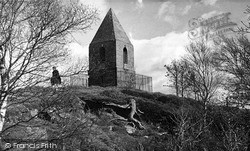
Its flames flashed warnings during the Napoleonic wars and second Jacobite Rebellion.
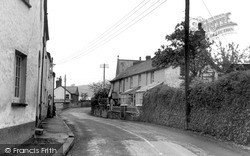
The symbol then was a flaming torch, its detail picked out with white reflectors.
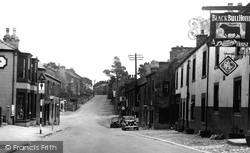
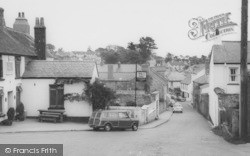
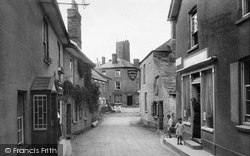
It is interesting to note the old-fashioned flaming beacon school sign on the left, and the cobbled frontage to the cottages and the Black Bull Inn on the right.
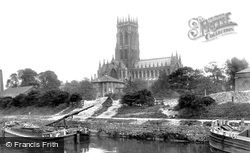
The story goes that as the old church went up in flames, the vicar exclaimed 'Good gracious, and I have left my false teeth in the vestry!'
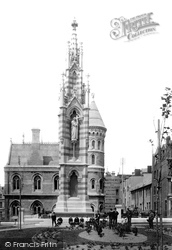
Erected in 1895 as a memorial after the removal of an ancient burial ground, St Andrew's Cross was damaged the night before the church went up in flames and was subsequently removed.
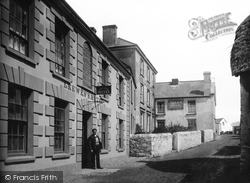
In foul weather the Lizard presented a gloomy face, but when the sun shone and the gorse was in flame, it was a paradise for the botanist and holidaymaker.
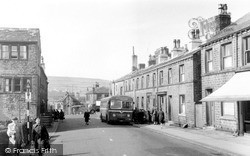
The old flaming torch sign (left) marks the approach to the village school in Holmfirth Road, Meltham, another Pennine edge town founded on the textile industry.
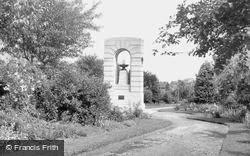
The cenotaph does not look quite so pristine these days: the plaque is missing, and the niche containing the eternal flame is guarded on both sides by ugly plastic panels.
The cenotaph does not look quite so pristine these days: the plaque is missing, and the niche containing the eternal flame is guarded on both sides by ugly plastic panels.
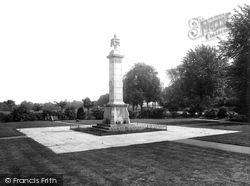
The grey granite war memorial has the names of the fallen on the base, an inscription on the column and is surmounted by an everlasting flame.
The story goes that as the old church went up in flames, the vicar exclaimed 'Good gracious, and I have left my false teeth in the vestry!'
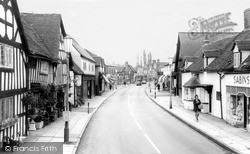
One Sunday in 1945 a tremendous explosion rocked the village, and a ball of flames erupted from behind the trees on Warwick Road.
One Sunday in 1945 a tremendous explosion rocked the village, and a ball of flames erupted from behind the trees on Warwick Road.
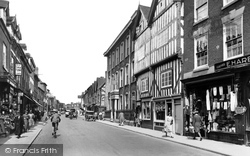
Charles Stuart, fleeing after his defeat at the Battle of Worcester in 1651, reached Bromsgrove disguised as the servant of the remarkable Jane Lane.
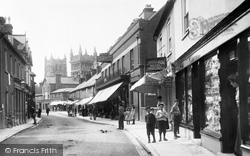
Flames jumped the road and damaged a thatched building opposite.
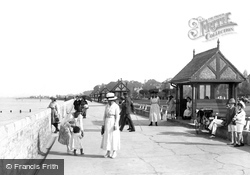
Germany had defeated France at the Battle of Sedan and the Empress was forced to flee her homeland for ever.
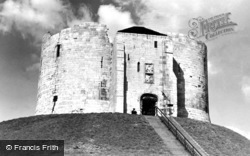
Members of the Jewish community who had sought refuge in the castle either died in the flames when it was set alight or were butchered as they attempted to escape.
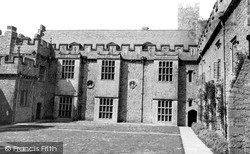
Unfortunately, the funerary decorations caught fire, and body, portraits, and the great gallery went up in flames.
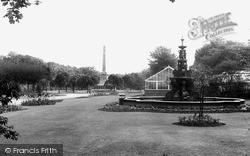
The plinth on which the column stands is 7ft high and the obelisk is 42ft with a sculpted eternal flame at the top.
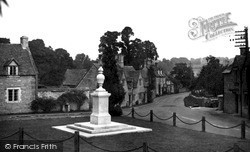
The stone flaming urn of the war memorial, designed by Sir Edwin Lutyens, holds centre stage at the crossroads in this attractive village built exclusively in the native Cotswold stone.
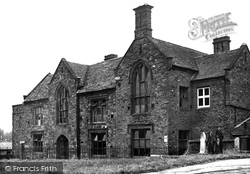
It was opened twice a week by Mr Webb, the headmaster of the Abbey School - its sign with a flaming torch can be seen on the right-hand end of the building.
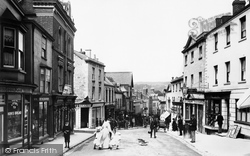
The steep, winding and narrow High Street (down which flaming tar barrels were rolled to the terror of the populace until the practice was banned in 1824) gives an excellent impression of
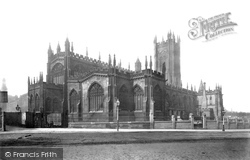
The window that you can see to the left of the lamp-post now has modern stained glass in it, in wonderful reds and oranges, to depict the flames of the bombing; it was designed as a tribute to the Cathedral
Places (7)
Photos (90)
Memories (161)
Books (0)
Maps (30)