Places
Sorry, no places were found that related to your search.
Did you mean: north ness or na h ness or nook ness ?
Photos
12 photos found. Showing results 721 to 12.
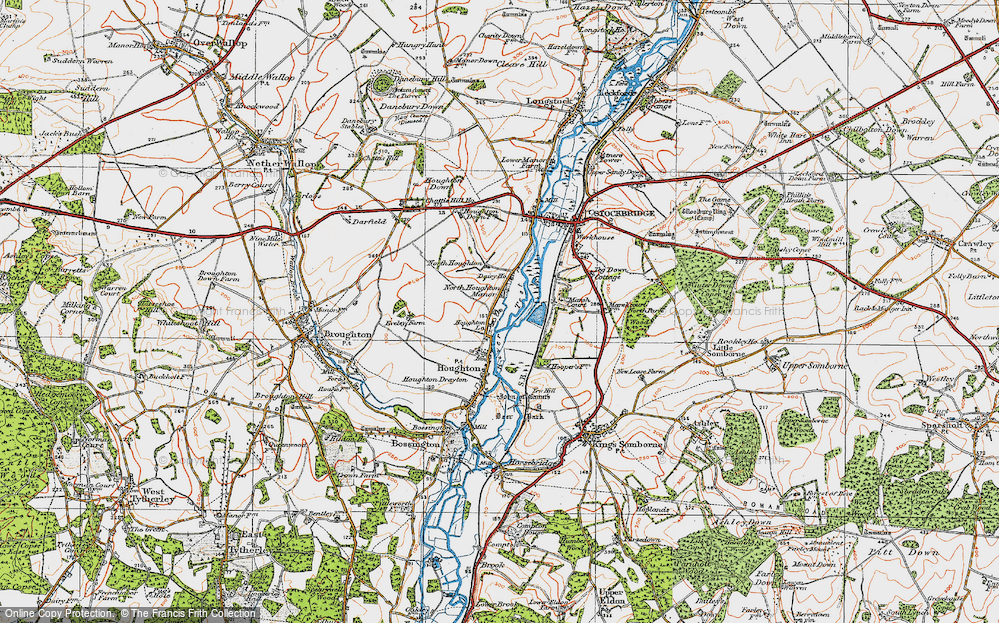
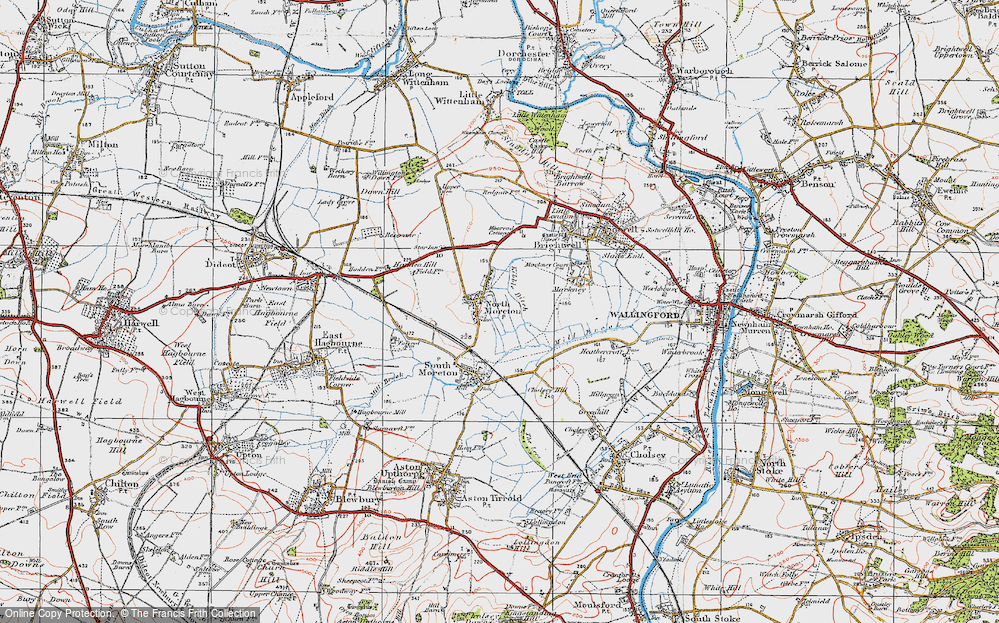
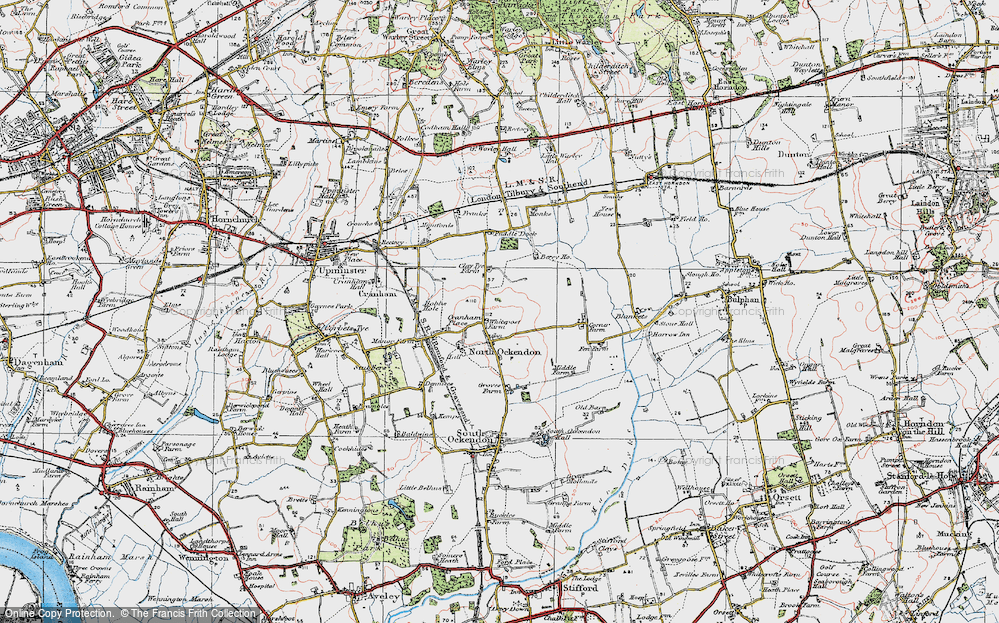
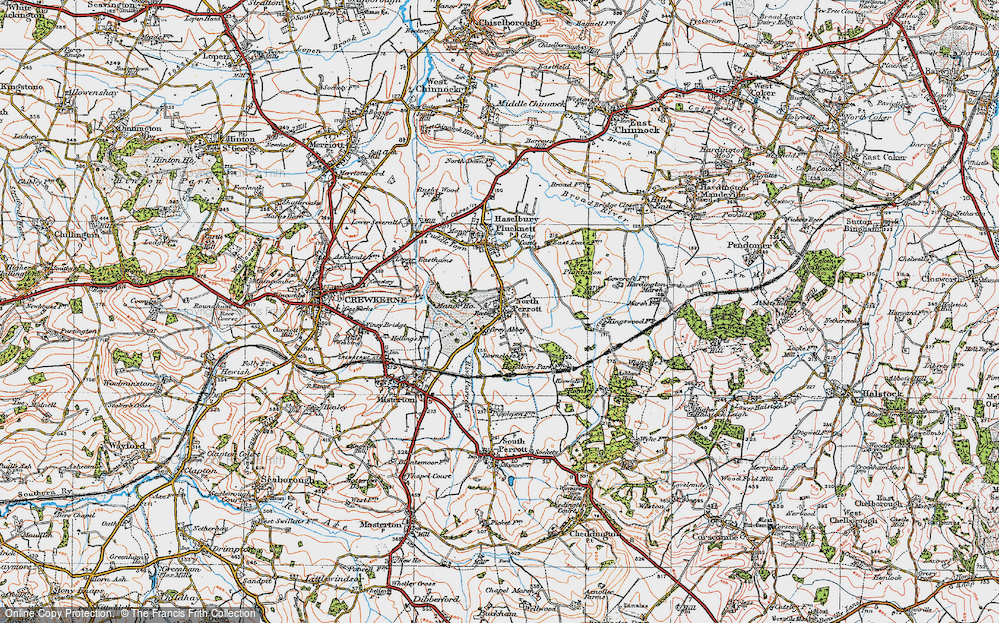
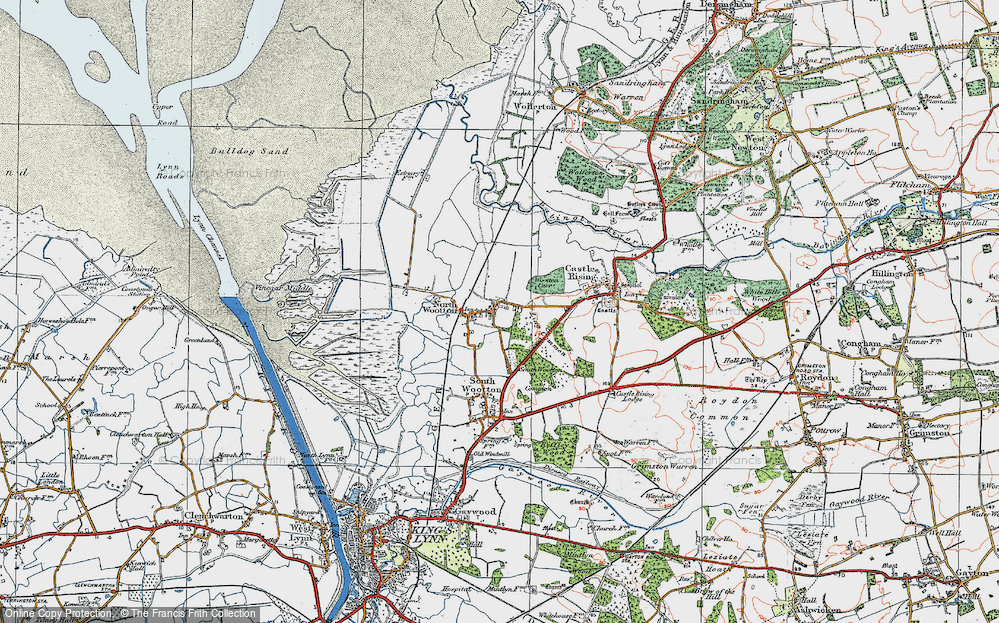
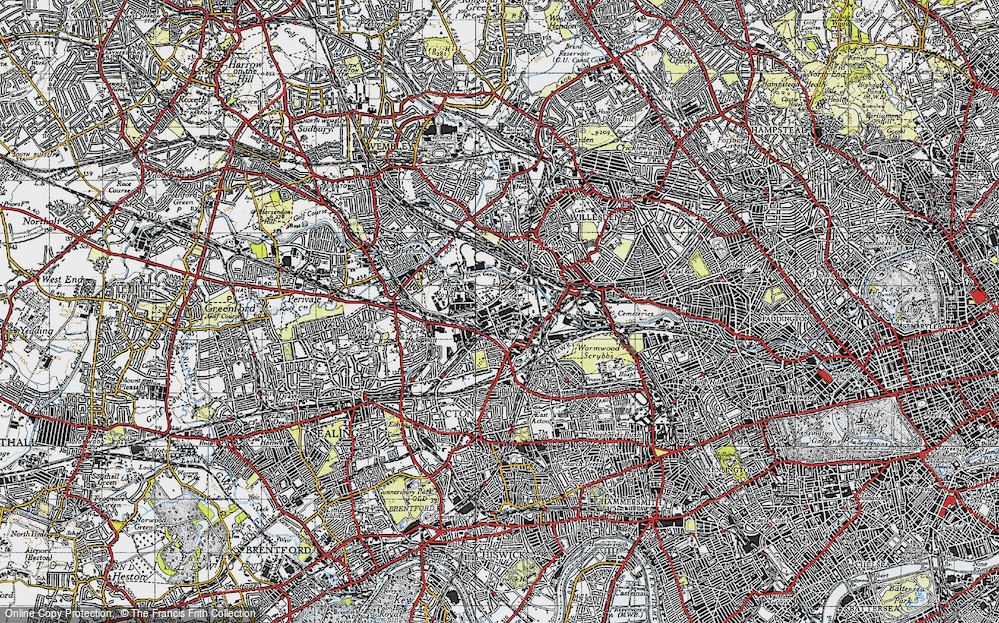
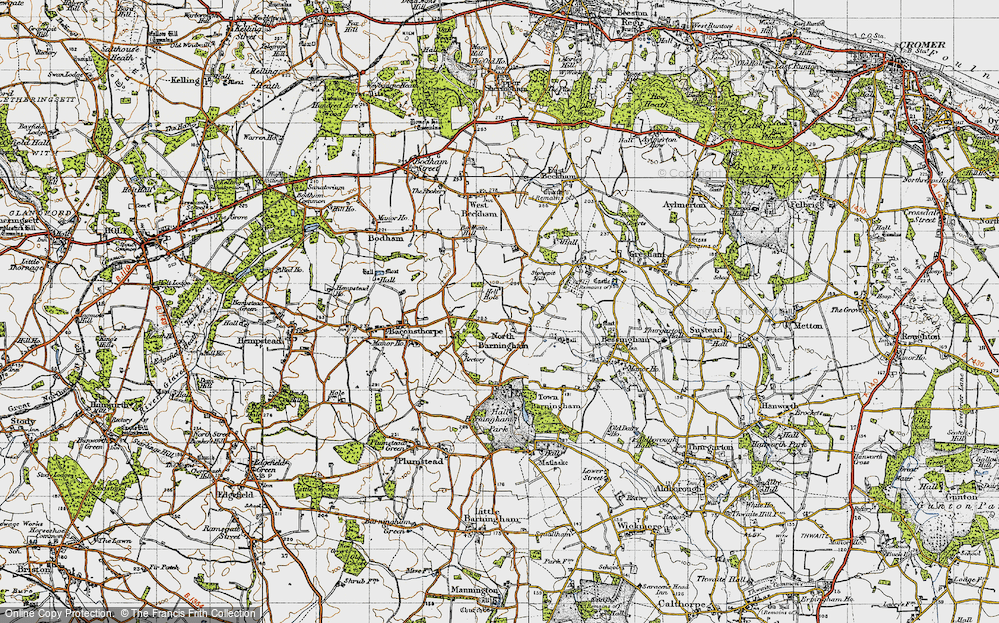
Maps
9,582 maps found.

Books
30 books found. Showing results 865 to 888.
Memories
4,597 memories found. Showing results 361 to 370.
Memories Of Aylesbury During The 60s And 70s
I was born in Buckingham Road in 1962 and lived in the same house (no.225) until I left for North Wales in 1985. I have many happy memories of living there, going to the Primary and Junior schools in ...Read more
A memory of Aylesbury by
Burgh Heath Sugar Bowl
I remember the Sugar Bowl very well as I used to swim there. I was a boarder at Red House School further down the Brighton Road, does anyone remember that? Best days of my life (another story), Walton on the Hill for ...Read more
A memory of Burgh Heath in 1960 by
Stacksteads Boyhood.
My family moved from Haslingden to Newchurch Road in 1950 opposite the Farhome Tavern. As an eight year old I attended Western Junior School until 1953 leaving to attend Blackthorn Secondary Modern until June 1957 when our ...Read more
A memory of Stacksteads in 1950 by
What Happened To Me
My name was Lynette Evans I’d just like to say hi to everyone that has shared memories of Splott. I remember so much, so clearly, I was barely 3 years old when I moved from Llanharran to Portmanmore Road. It was a ...Read more
A memory of Splott in 1964 by
The Corringham Bull
The Corringham Bull brings back memories for me too. I remember very well the legendary publican Charlie Abbott, better known as 'short change Charlie'. I left Corringham in 1963 but I sometimes return for a visit and have a ...Read more
A memory of Corringham in 1952 by
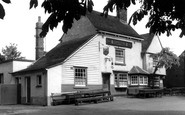
The Milk Bar In South Street
We used to go in there often, and I remember one time being very confused when asked whether I wanted lemonade, cherryade, limeade or Whipsnade, 'cause I knew that was a zoo and I didn't quite get the idea of puns. ...Read more
A memory of Dorchester in 1974
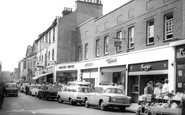
Family Picnics In 1950s
In the 1950s my family made regular summer trips to a scenic and elevated spot somewhere in the general area of Aylesbury for family picnics. I have a few b&w snaps - one of which shows a road wide enough for two ...Read more
A memory of Aylesbury in 1955 by
Simms Cross
I was born at 9 Frederick Street, in 1941, and my earliest memory is of flags, streamers and buntings strung across the street every time a soldier came home 'from the war'. I don't know why, but the Union Jack flag absolutely ...Read more
A memory of Widnes in 1941 by
Courtenay Road 1953
I moved to Wantage with my parents Ted and Phyllis Willey and my brother Ken and sister Susan. At Garston Lane school one of my first friends was John Campbell who lived in Courtenay Road. We were aged 8. Another friend was Jim ...Read more
A memory of Wantage in 1953 by

My Beginning...
My name is Russell Ham. I was born on May the 10th, 1962. I was adopted at about the age of six weeks, I think. The best thing that ever happened to me. I arrived at number 5, Thomas Street, in the summer of 1962, to the home of ...Read more
A memory of Gilfach Goch in 1962 by
Captions
1,673 captions found. Showing results 865 to 888.

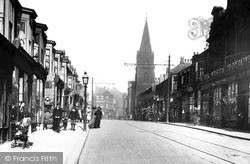
The Presbyterian Church, Frederick Street, was built in 1847; Holy Trinity, Laygate, was earlier, having been built in 1832-34 to the designs of Anthony Salvin.
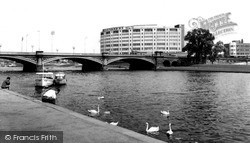
This downstream view, taken from almost the same vantage point as N50079, shows the ugly and large hotel built in the intervening fifteen years close to both Trent Bridge cricket ground and Nottingham
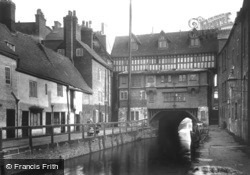
All the cottages on the left were demolished by 1910. Both sides of the water were reached by stairs from the High Street.
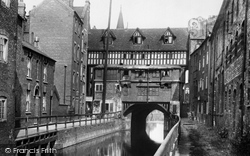
All the cottages on the left were demolished by 1910. Both sides of the water were reached by stairs from the High Street.
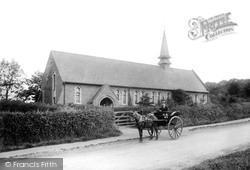
A proud pose by both man and horse in front of the Church of the Ascension. The red brick church was built in 1886 at a cost of £2,000 and seated 250 worshippers.
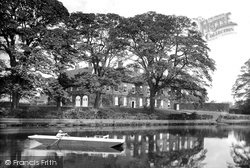
The two men were fighting over the Gawsworth estate, but it did not do either of them any good - both men were killed in the duel.
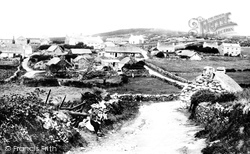
When this picture was taken, most of the villagers would have earned their living from agriculture or fishing, or both.
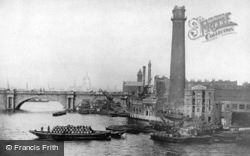
John Rennie's gorgeous bridge, built in 1817 as both river crossing and monument to the battle, was demolished in 1923.
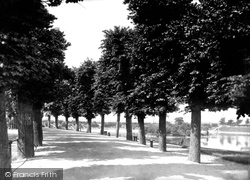
North Walk was destroyed when the Lynton and Barnstaple railway came through in 1898. Subsequently, a road was built linking The Strand with the end of High Street.
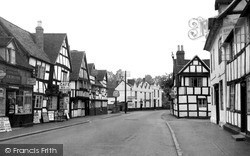
A shop, a café, a guest house and two pubs feature in this view, and all are still there today in one form or another.
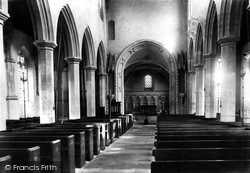
Here we see both Norman and Perpendicular features, but the organ is early 19th-century Gothic; a brass plate was set in 1789.
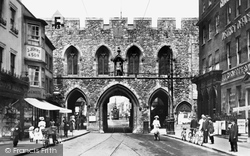
The fashions, particu- larly the hats worn by both adults and children, give a strong hint of the Edwardian period.
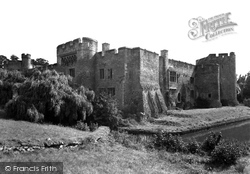
Having survived yet another war, this ancient battlement enjoys a total restoration carried out by its owner Sir Martin Conway in 1905.
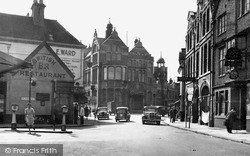
The library has since moved to another site, and this building is now used by Stourbridge College.
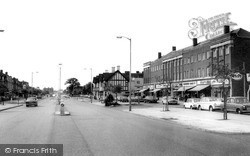
This shopping parade was built for Shirley's growing commuter population in the mid 20th century, but today it is part of a seemingly endless string of commercial premises along both sides of the road.
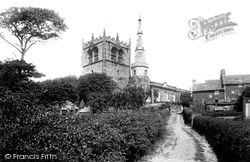
Looking more like two churches than one, Ormskirk's parish church is unique in the north for having both a tower and spire.
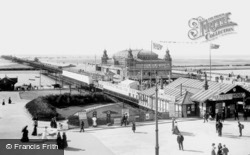
Southport has the country's longest pleasure pier, which runs for 1,211 yards over the marine boating lake and sands to the sea with attractions that included shows and amusement arcades, as well as a
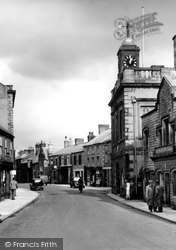
On the right, surmounted by a balustrade and square clock tower is the town hall and market. Built in 1755, it replaced two previous halls on the same site, both of which had succumbed to fire.
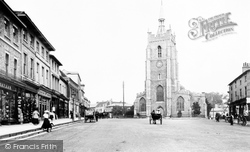
Amongst the shops on the left are the Bazaar of the Misses Parsonson, Robert Joy's carpet warehouse, John Payn, stationer and printer, William Brampton, chemist, and James Read, furniture dealer (both
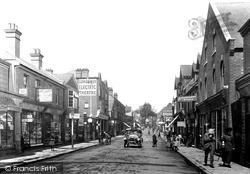
Traffic travels both ways. Notice the Police Officer on his bicycle to the left, examining a parked vehicle.
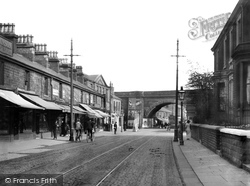
The railway line to Huncoat and Burnley crosses the road here.There was at one time another line down to Rawtenstall, joining what is now the East Lancashire Preserved Railway.As well as having three
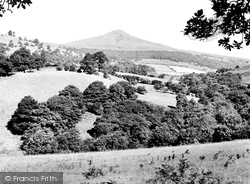
Often you can walk for miles in its foothills without meeting another person.
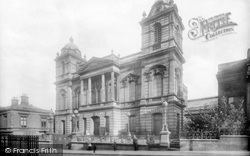
Another fine church, St Paul's was opened in 1866 for the local Methodist congregation. It cost £8,000 and all of this money was paid by one benefactor, Thomas Hazelhurst.
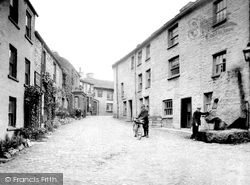
The village postman poses for the photographer, while another villager gets a bucket of water from the fountain memorial to Dent's most famous son, the pioneer geologist Adam Sedgwick.
Places (0)
Photos (12)
Memories (4597)
Books (30)
Maps (9582)