Places
36 places found.
Those places high-lighted have photos. All locations may have maps, books and memories.
- Shanklin, Isle of Wight
- Ventnor, Isle of Wight
- Ryde, Isle of Wight
- Cowes, Isle of Wight
- Sandown, Isle of Wight
- Port of Ness, Western Isles
- London, Greater London
- Cambridge, Cambridgeshire
- Dublin, Republic of Ireland
- Killarney, Republic of Ireland
- Douglas, Isle of Man
- Plymouth, Devon
- Newport, Isle of Wight
- Southwold, Suffolk
- Bristol, Avon
- Lowestoft, Suffolk
- Cromer, Norfolk
- Edinburgh, Lothian
- Maldon, Essex
- Clacton-On-Sea, Essex
- Felixstowe, Suffolk
- Norwich, Norfolk
- Hitchin, Hertfordshire
- Stevenage, Hertfordshire
- Colchester, Essex
- Nottingham, Nottinghamshire
- Bedford, Bedfordshire
- Bury St Edmunds, Suffolk
- Aldeburgh, Suffolk
- St Albans, Hertfordshire
- Hunstanton, Norfolk
- Chelmsford, Essex
- Bishop's Stortford, Hertfordshire
- Peterborough, Cambridgeshire
- Brentwood, Essex
- Glengarriff, Republic of Ireland
Photos
11,145 photos found. Showing results 17,021 to 11,145.
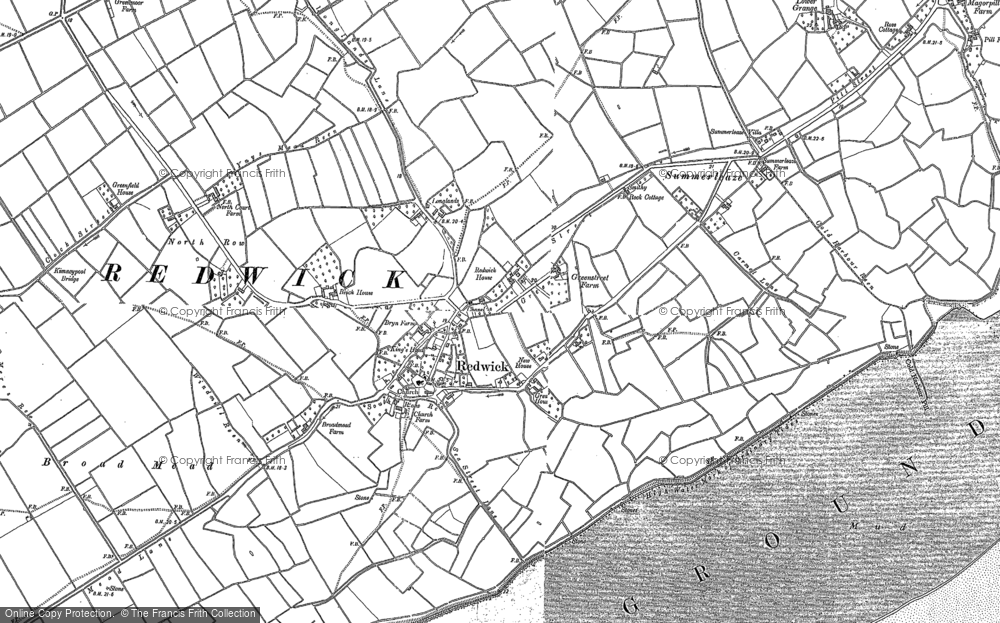
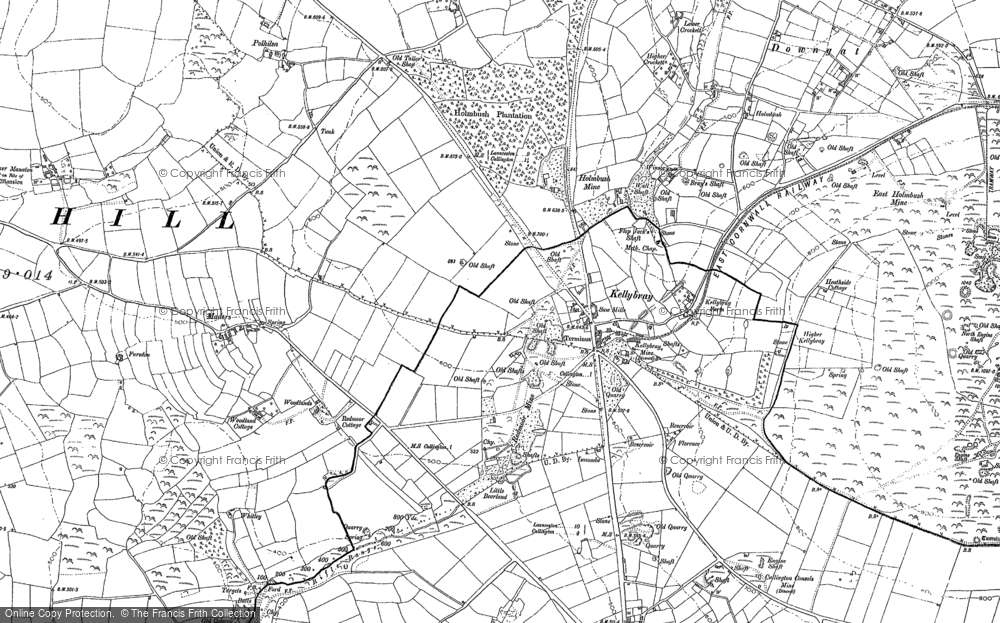
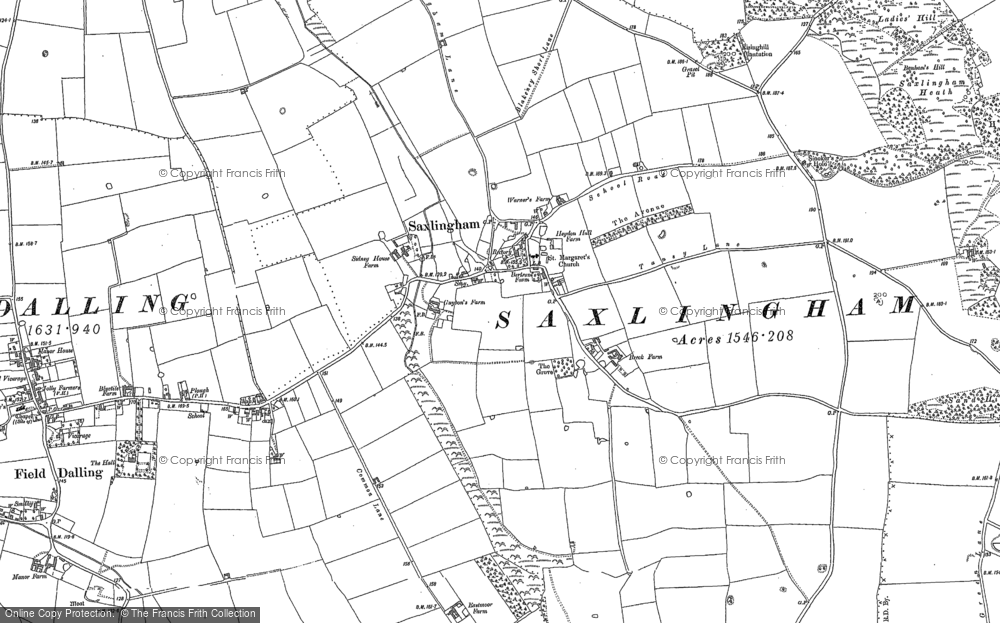
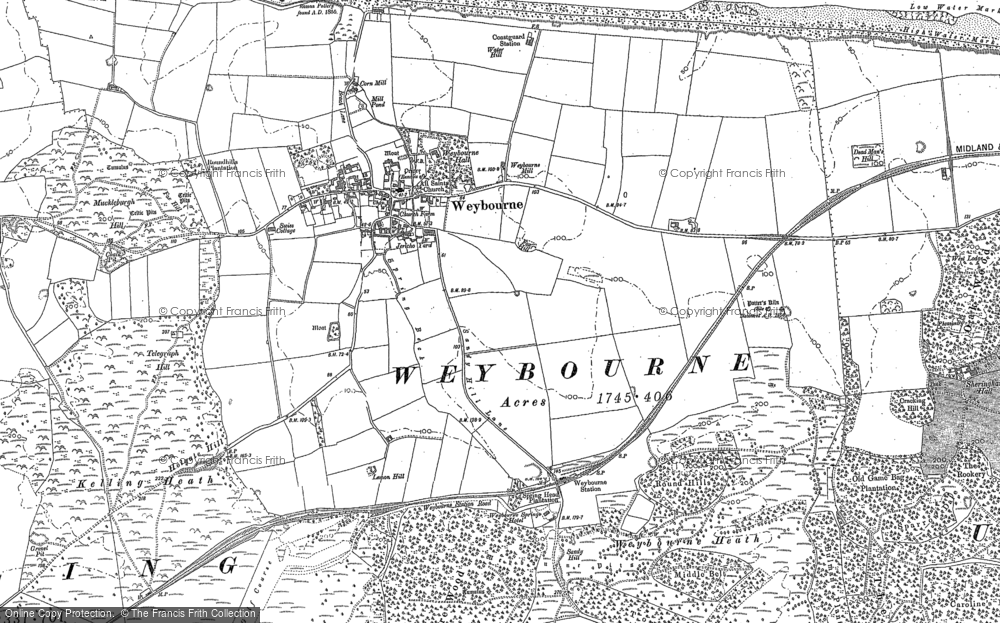
Maps
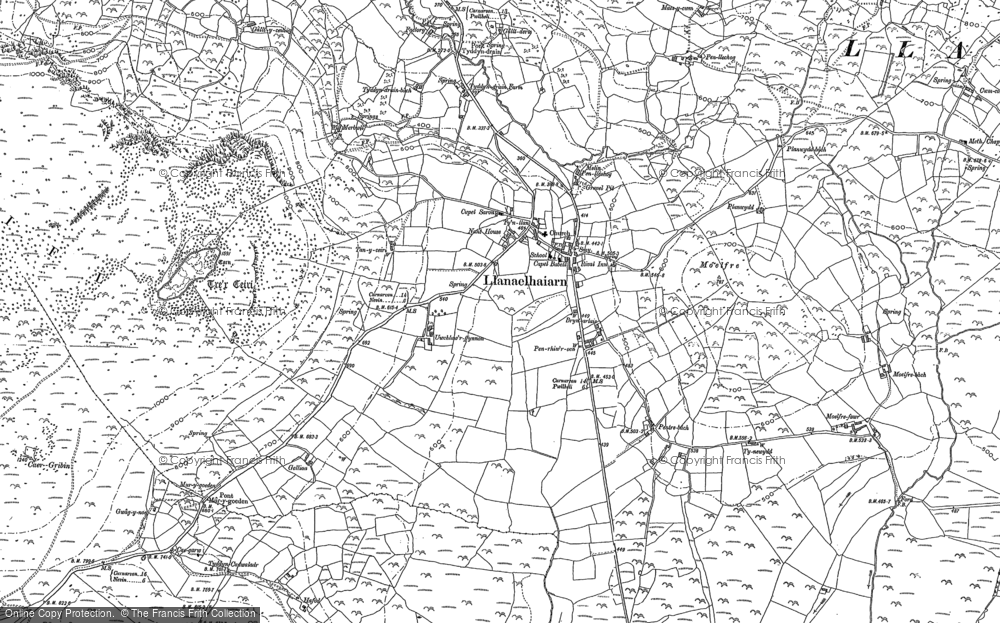
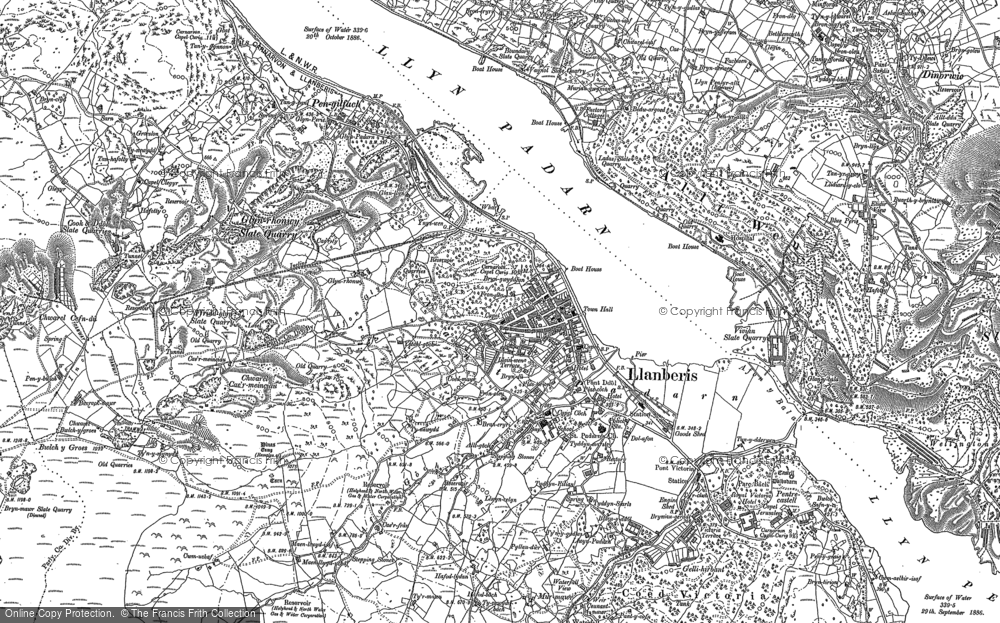
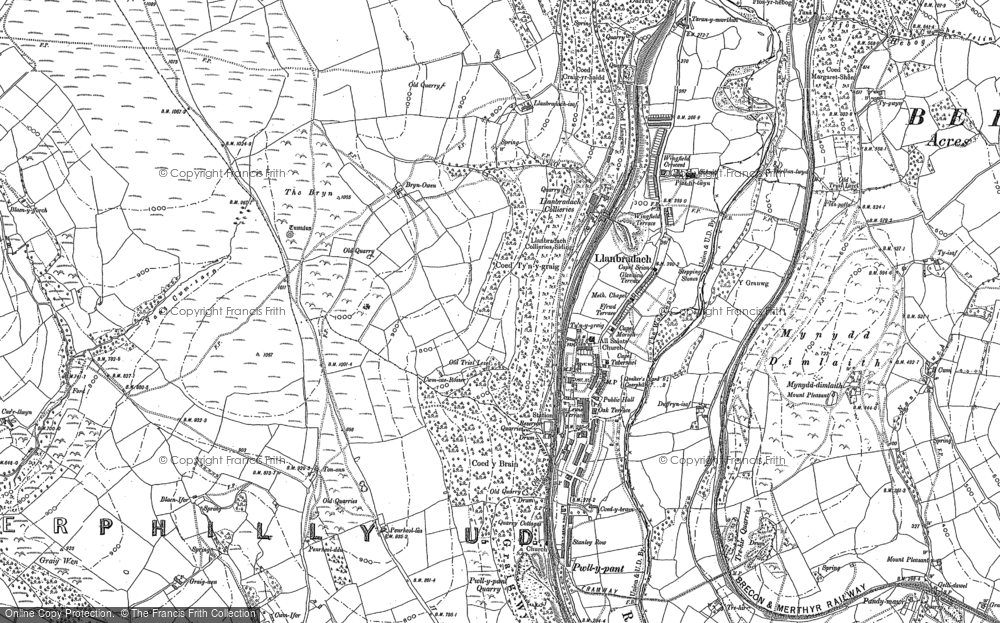
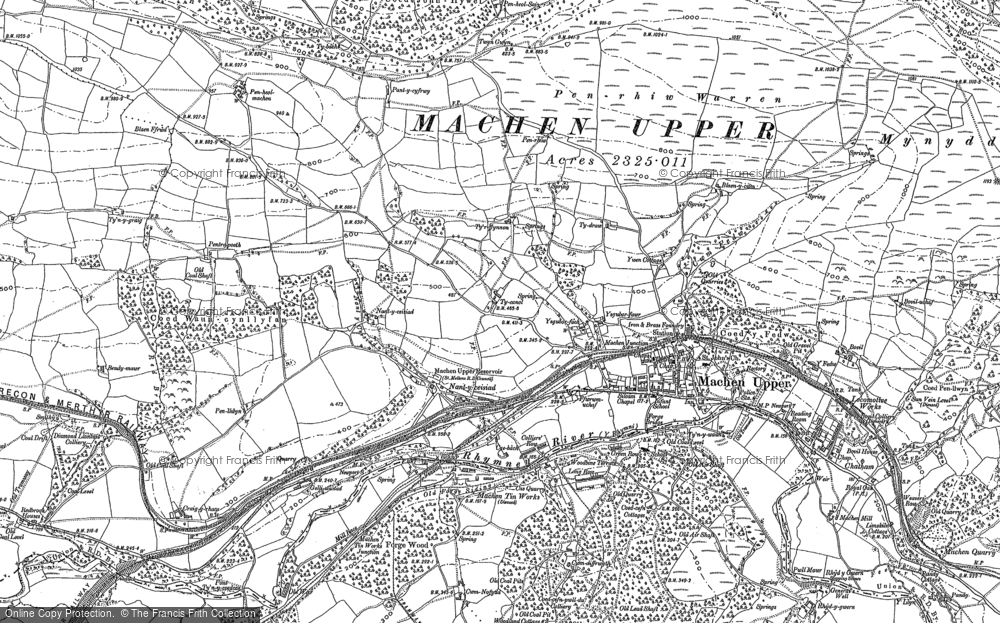
181,031 maps found.
Books
442 books found. Showing results 20,425 to 20,448.
Memories
29,073 memories found. Showing results 8,511 to 8,520.
Childhood
As a boy I thought my hometown of Frizington to be a wonderful place. We played football for hours on the Ball Alley or on the square. (Trafalgar Square) Also hours of fun "up the backs" The houses behind Nook St playing marbles. ...Read more
A memory of Frizington by
The Pictures And Being Young Stupid
Hi Keith, I had actually written to you two months ago, but they (the site) must have sensored my message because I had written my e-mail address. I had mentioned that when I told Ken (my brother and your ...Read more
A memory of Croydon by
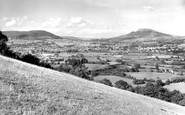
Ascent Of The Blorenge 1949
This picture reminds me of a photo my father took from the top of the Blorenge when we climbed it in August 1949. To start, we had to take the railway (closed in the 50's) to Gilwern or Govilon (I can't remember ...Read more
A memory of Abergavenny in 1949 by
Living In Cefn Hengoed
The Kemp family lived in Cefn Hengoed from about 1920 to 1938, I was born there in my grand parents James and Rose Kemp’s house, No.64 Gelligaer Road in 1934. My memories of the village start from about 1937 I remember ...Read more
A memory of Cefn Hengoed in 1930 by
Evacuee
I was evacuated to Daglingworth in 1941 from London and was billeted at Warrens Gorse Cottages just outside the village with my younger brother and sister. We attended the village school which was run by Miss Bacon (a bit of a tartar) ...Read more
A memory of Daglingworth in 1940 by
Oh Happy Days
I was born in Kilburn in Plympton Road on 2nd May 1928 and went to school at Christ Church School and then Salisbury Road School. What a lovely place Kilburn was in those days with the iron railings and gates on every ...Read more
A memory of Kilburn in 1920 by
My Daughter.
I did my nurse training at Sully Hospital and I always helped out when the minister from Sully church visited our patients. Many of our patients were really very ill indeed so his work there must have taken a toll on him so I used to get ...Read more
A memory of Sully in 1975 by
Family
I with my mum, sisters and brother moved to Fort William on the 19th of February 1978, from Hove. What a culture shock! The sun shone down on us for 2 days and then it was typical Fort William weather after that. The only good thing ...Read more
A memory of Fort William in 1978 by
Hest Bank /Bolton Le Sands
I lived with my grandparents in Bolton le Sands. I used to cycle to Morecambe most mornings, to J. W. Blands, painters and decorators, where I was apprenticed, hail rain and snow. I knew every inch of the coast road, the ...Read more
A memory of Hest Bank in 1960 by
Your search returned a large number of results. Please try to refine your search further.
Captions
29,395 captions found. Showing results 20,425 to 20,448.

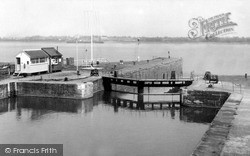
The town became a thriving port, from which 200 vessels a year carried 265,000 tons of Forest of Dean coal.
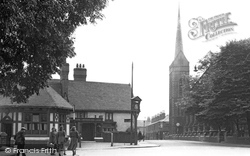
Designed by J W Stansby (who also designed the tower of Christ Church), St Paul's was built in 1868-69 at the expense of the Grand Junction Railway Company. The spire was added in 1888.
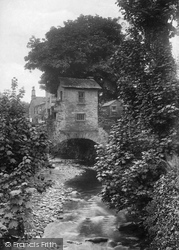
Straddling Stock Ghyll, which runs by the side of the main road, this curious little structure is probably the best-known feature of Ambleside.
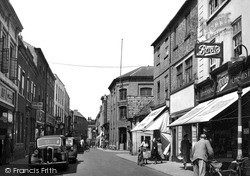
Newark enjoyed great prosperity in the 18th century through industrial growth and through its status as a coaching town on the Great North Road.
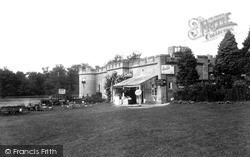
A previous Lord Byron, the fifth, an ex-Naval man, had a warship in the lake and built mock forts around its edges in the 1770s; this one is the only survivor, and is in fact a conversion of the stables
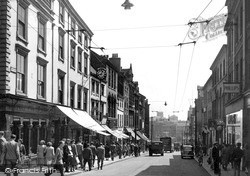
Maid Marian Way, built between 1958 and 1966, was a disaster: its crass dual carriageway cut a swathe that separates the castle area from the rest of the city.
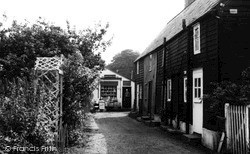
Paglesham is a village of two parts, Church End and East End.
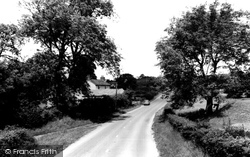
The 1950s and 1960s were ideal decades for taking to the quiet country roads and villages to enjoy the exhilaration of motor-car driving.
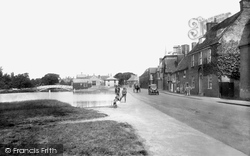
While the village lads pose for the camera and the girls stroll nonchalantly by on the other side, a `bullnose` Morris overtakes a horse and cart.
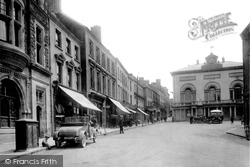
Additionally, two of the three shops on the left have now gained self-supporting roller blinds, whilst the furthest away still rests on its stilts.
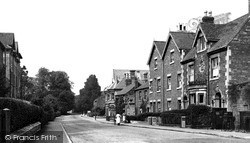
Looking west away from the town centre, with West Bank, a school boarding house on the left and opposite houses built around 1900 (a date on the nearest house is 1901).
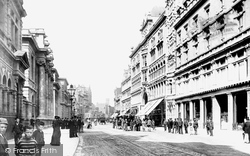
The photographer has certainly attracted a sizeable group of curious onlookers in this scene dominated by James Howell's store (right).
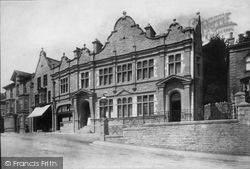
The original title of this photograph as it appears in the Frith archive is 'Jubilee Hall'.
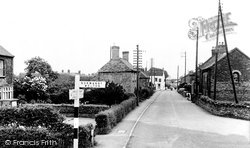
Here there is a profusion of telegraph wires and power cables, but no TV aerials.
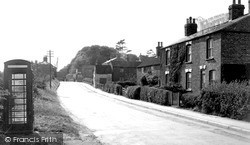
The post office has moved, and is no longer in the far distance on the right of the road.
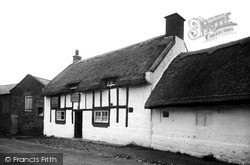
This lovely thatched, half-timbered inn has stood on this site, alongside the connecting road from Birkenhead to Neston, since 1611.
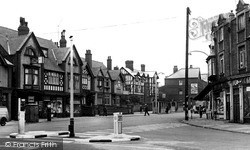
The building to its left has been demolished to create a car parking area, and the ornate clock on the wall of W Sumpter's stationer's shop (left) is also, unfortunately, a thing of the past.
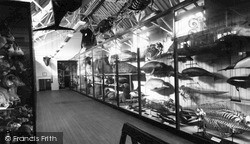
The museum was erected in 1881 as a 21st birthday present for Walter Rothschild by his mother at a cost of £3300.
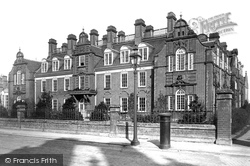
It originally started as just five women students assembling in a house in Cambridge to be tutored by Mrs Jemima Clough; as the establishment grew, it moved into a building in the suburb of Newnham, taking
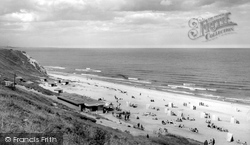
However, some areas of the Durham coast were polluted with spoil dumped directly into the sea from nearby collieries.
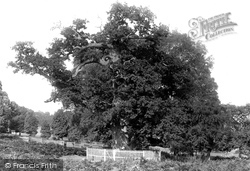
Covering 350 acres, Penshurst Park has many fine oaks; a chancel screen in St John the Baptistís church is made of Penshurst oak.
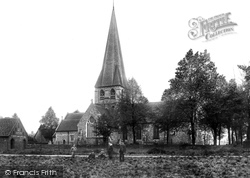
The church of St Mary and St Hugh was badly damaged by fire in 1708, which burnt down the spire and melted the bells.
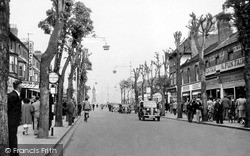
The 'No Waiting' road sign (left) was used during the 'unilateral waiting' period, when vehicles could wait on one side on odd days of the month and on the opposite side on even days.
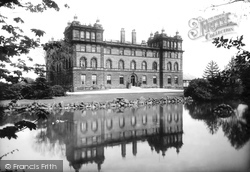
Designed by Cuthbert Brodrick, the architect of the Grand Hotel, Scarborough and the Leeds Town Hall, this splendid structure joined Ben Rhydding Hydro in putting Ilkley firmly on the water cure map.
Places (6814)
Photos (11145)
Memories (29073)
Books (442)
Maps (181031)