Places
Sorry, no places were found that related to your search.
Did you mean: north ness or na h ness or nook ness ?
Photos
12 photos found. Showing results 981 to 12.
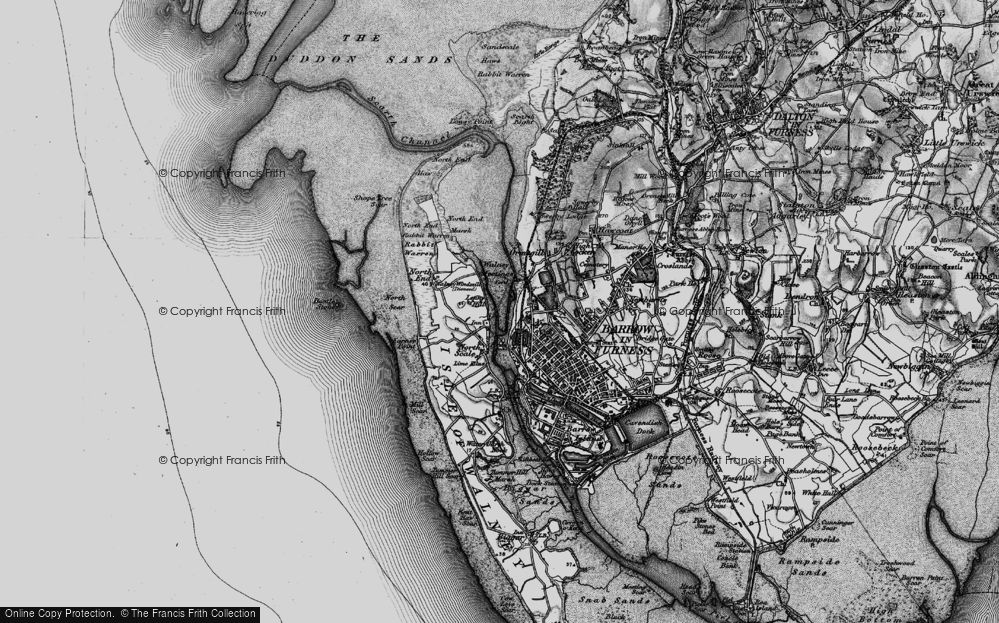
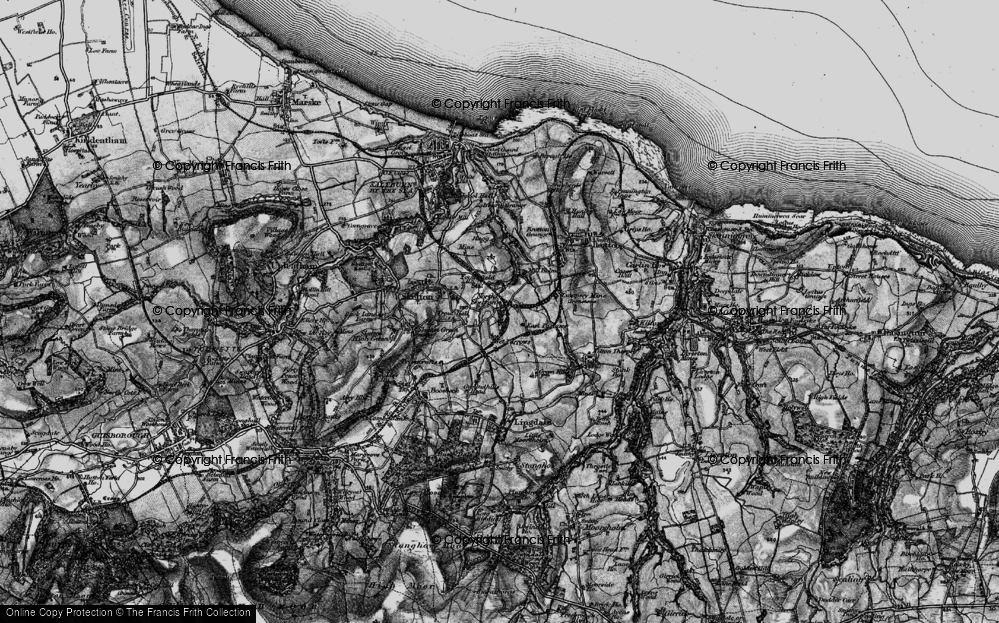
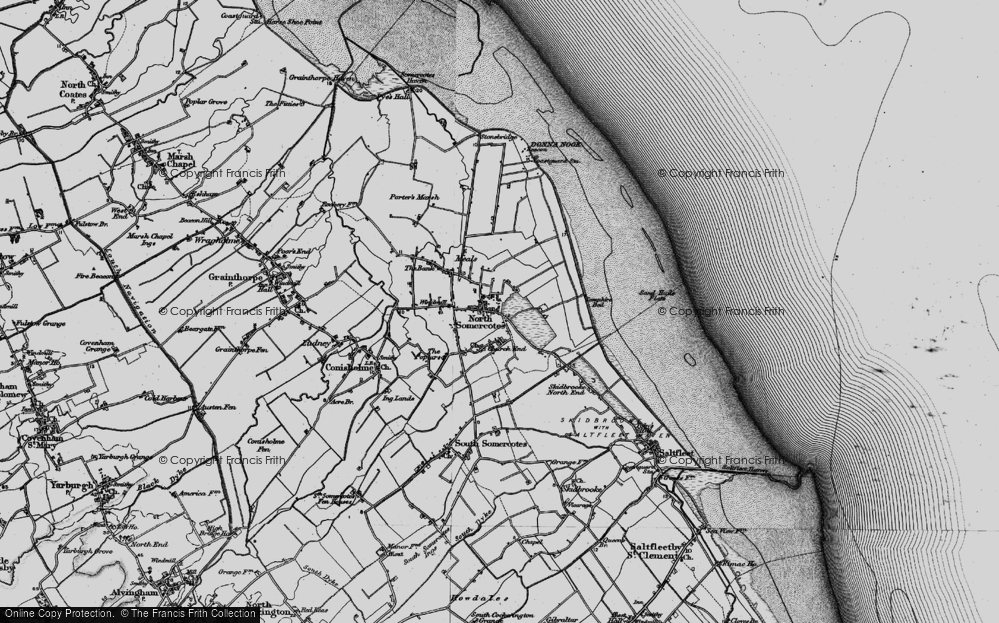
Maps
9,582 maps found.
Books
Sorry, no books were found that related to your search.
Memories
4,597 memories found. Showing results 491 to 500.
The Shops At Cove Around 1965 Remembered During Childhood Over A Few Years
Next to Mundays (sweets, stationery and newspapers) was a butcher with sawdust on the floor, a separate paydesk in a kiosk (much more hygienic than today) and tubes which ...Read more
A memory of Cove in 1965 by
Our Ladies High School 1950 1960
I was born in 1943 and lived in Wilmington. I initially went to an infant school in Oakfield Lane, however, my mother was told by the Sisters of Charity that they should pay for me to go to a Catholic school ...Read more
A memory of Dartford in 1950 by
The Kidd's Alright
THE KIDD IS ALRIGHT The daylight had faded away and dusk was now dim enough to coax the streetlights to pop on, their vague orange light slowly getting brighter as their bulbs warmed. Meanwhile inside the Hamblett ...Read more
A memory of Moston in 1972 by
Late 40,S Early 50's
I grew up in West Reading but had relatives in Westwood rd and Armor rd. Would go to visit them on the bus and always remember what we called "the buckets" which went across Norcot Hill. I guess they are what carried the ...Read more
A memory of Tilehurst by
Emigration From Tyldesley
Hi I live in Auckland New Zealand, but my grandparents came here from Tyldesley in 1922 with their three young children. Both my grandfather Fred Needham, born in 1889, and my grandmother Charlotte Dutton, born in ...Read more
A memory of Tyldesley in 1920 by
Cement Works Holborough Road
I too went to Holmesdale secondary, it was called Snodland Secondary when I first went there. My Dad and Grandfather, Peter and Henry Buss both worked as lorry drivers at the cement works and we lived in a factory ...Read more
A memory of Snodland in 1964 by
Matinee Mayhem
Aged seven I would join the queue outside the cinema each Saturday morning for the children's matinee accompanied by an older cousin. Once the doors were opened we were ushered in by a man with a voice like a sergeant major,he ...Read more
A memory of Newbiggin in 1951 by
School And Work In Fareham
I attended Fareham Secondary School at Southampton and Harrison Roads from 1950 to 1954. Then I started work as an apprentice at Croker and Farrell, who was the Ford dealer, which was situated right next to Trinity ...Read more
A memory of Fareham in 1959 by
18+ Club
I can remember being a member of this club at around that time. We used to meet up and have days out etc. I had a girlfriend for a short time who lived in Shirley and used to drive a Morris Minor. Another girl there who was quite outgoing ...Read more
A memory of Croydon in 1970 by
Flying Bomb Memories
As a 14 year old living in these dangerous war year's, we were used to seeing dog-fights between the Spitfires and Luftwaffe so much so that we were rather blasé about taking cover when danger threatened. Came the flying ...Read more
A memory of Twickenham in 1944 by
Captions
1,652 captions found. Showing results 1,177 to 1,200.

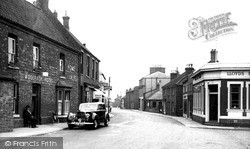
North from the Market Place, the High Street curves away past The Woolpack, now rendered and roughcast.
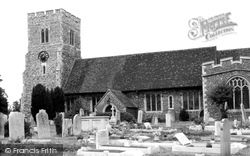
The earliest parts of the north nave date from c1100, and another nave and chancel were constructed in the 14th century. The tower dates from the 15th century, and the vestry from the 16th century.
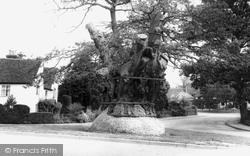
Another tree known as the Young Oak was planted nearby in 1863.
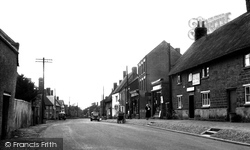
Looking west along the High Street, we see on the right the Dog and Gun, a Phipps public house, now closed and converted to a private house.
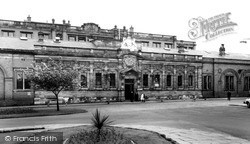
Lever ensured that although they were closely linked, the factory and the village did not intrude on one another.
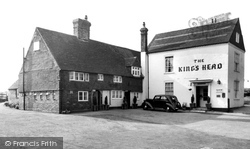
This is yet another building that has changed since the 1960s.
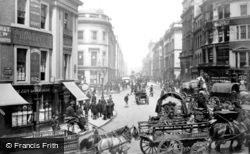
Here we are at the junction of Cannon Street and the approach to the new London Bridge; the street was opened by King William IV in 1831, and named after him.
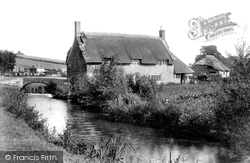
This seemingly idyllic rural summer scene on the banks of the River Brit, with its group of thatched cottages, lines of washing and vegetable garden, is brought acutely into focus by a closer
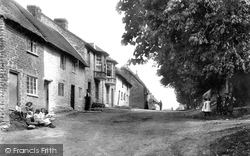
Under the spreading chestnut trees of St Mary`s churchyard, and on the opposite side of the village street, the photographer`s activities generate much interest from a mixed audience of both children
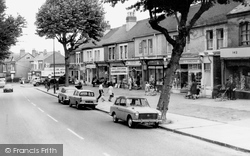
Both Acock's Green and Olton were once residential areas favoured by the wealthier inhabitants of Birmingham, but they became progressively industrialized as factories opened along the route of the
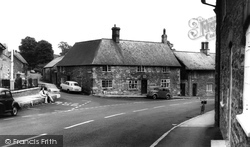
On the corner are No 2 Back Street and 20 Market Street (centre) whre W J Perry offers gifts and cream teas. Both are built of local iron-stained oolitic limestone.
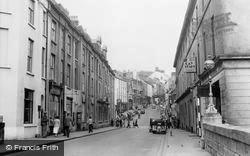
The Lloyds Bank to the left of the road is still in existence and bears a commemorative plaque to Gwen John and her brother Augustus John, both artists.
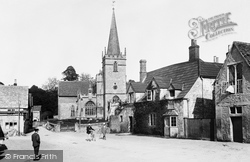
The Perpendicular church of St Cyriac is impressive, both internally and externally. The west tower, with a recessed spire above, has a porch attached, which is unusual.
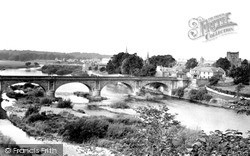
This magnificent stone bridge was built in the early 1800s to replace another that was washed away in the floods of 1797.
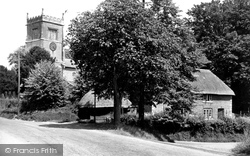
St Mary's is another restored Norman church. Dating from around 1200, additions were made in the 1400s; a transept was demolished at that time. Restorations were made by John Colson in 1862.
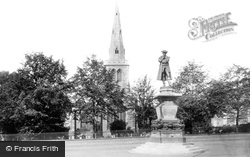
Another great Nonconformist preacher dominates the Square at the opposite end of the High Street to John Bunyan.
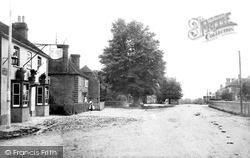
The Swan Inn advertises 'Good Accommodation for Cyclists', and another sign offers 'Horse and Trap or Wagonette for Hire'. Cycling would have been hard going on the rough roads.
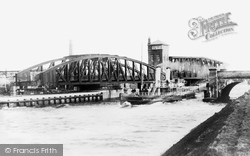
Both the 800-tonne Swing Aqueduct and the swing road bridge have been opened to allow the passage of a steamer on the MSC.
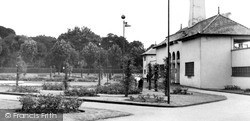
Another two pennies bought a bus ride back to New England'.
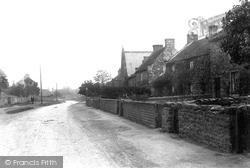
This village was once on the Darlington to Richmond railway line before its closure in 1969. The once thriving mill closed in 1947, and the Manor House, later used as a brewery, went in 1956.
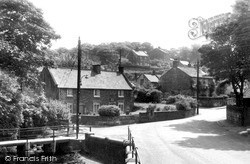
By 1821 the population had passed the 850 mark; the church had both a rector (Rev Richard Lacy) and a curate (Rev Benjamin Birkitt).As well as village constable, blacksmith, and millwright, there
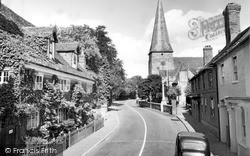
The Bower House on the left is quintessentially a Sussex- style house with its attractive tile-hung upper elevation and small dormer windows in the roof space.
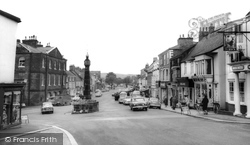
This view is flanked on the left by the shop front of Greenwoods chemist's and druggist's shop.
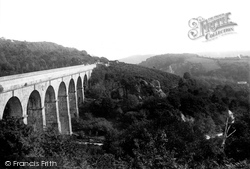
Both railways served quarries, mines and the china clay industry.
Places (0)
Photos (12)
Memories (4597)
Books (0)
Maps (9582)