Places
36 places found.
Those places high-lighted have photos. All locations may have maps, books and memories.
- Pentre-cwrt, Dyfed
- Pentre Halkyn, Clwyd
- Pentre, Mid Glamorgan
- Ton Pentre, Mid Glamorgan
- Pentre, Powys (near Llangynog)
- Pentre, Powys (near Guilsfield)
- Pentre, Powys (near Bishop's Castle)
- Pentre, Dyfed (near Pontyates)
- Pentre, Powys (near Newtown)
- Pentre, Clwyd (near Mold)
- Pentre, Clwyd (near Ruabon)
- Pentre, Shropshire (near Chirk)
- Pentre, Clwyd (near Hawarden)
- Pentre, Clwyd (near Chirk)
- Pentre, Clwyd (near Ruthin)
- Pentre, Clwyd (near Mold)
- Pentre, Shropshire (near Oswestry)
- Pentre, Powys (near Welshpool)
- Pentre, Clwyd (near Mold)
- Pentre, Shropshire (near Forton)
- Pentre Broughton, Clwyd
- Pentre Gwynfryn, Gwynedd
- Pentre Maelor, Clwyd
- Pentre-clawdd, Shropshire
- Pentre Galar, Dyfed
- Pentre Llifior, Powys
- Pentre-cefn, Shropshire
- Pentre-Gwenlais, Dyfed
- Pentre-Poeth, Dyfed
- Burntwood Pentre, Clwyd
- Pentre Berw, Gwynedd
- Pentre Hodre, Shropshire
- Pentre Llanrhaeadr, Clwyd
- Pentre-celyn, Clwyd
- Pentre Cilgwyn, Clwyd
- Pentre Morgan, Dyfed
Photos
98 photos found. Showing results 2,741 to 98.
Maps
316 maps found.
Books
2 books found. Showing results 3,289 to 2.
Memories
1,253 memories found. Showing results 1,253 to 1,253.
Captions
3,593 captions found. Showing results 3,289 to 3,312.

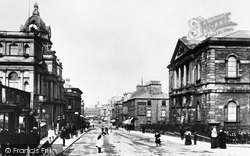
The cart, left, was the usual way of carrying light loads around the town centre, but the carters often had difficulty on Manchester Road.
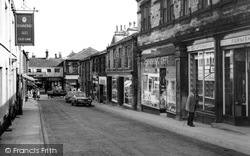
By 1890, the town was the world centre of card clothing, the making of a device (a sheet of leather inset with wire teeth) to comb wool prior to being spun.
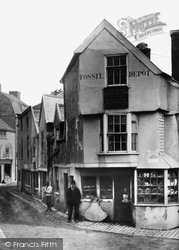
He was followed by Thomas Seager, who may well be the gentleman smoking a pipe (centre left).
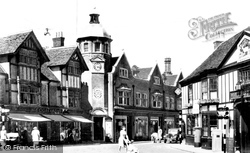
The Society merged with the Chelmsford Star Co-op, and now occupies a prestigious site in the George Yard shopping centre.
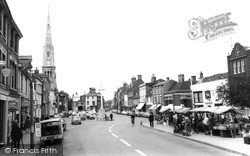
On non-market days, the centre of St Ives was a quiet and unhurried place.
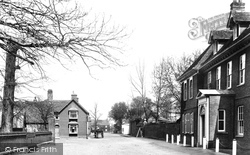
A builder balances on a plank across two ladders (centre right) to carry out a meticulous repair to the stone balls on the gate to the Manor.
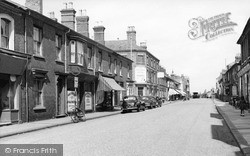
All on the right was demolished and replaced by a shopping centre and an indoor market, The Agora, in the 1970s.
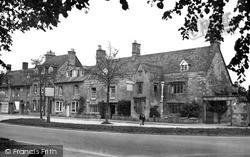
Moreton was a market town for the woollen industry in centuries past, and it was also an important centre for the linen weaving industry and a coaching town in the days of horse-drawn travel
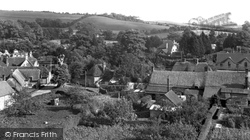
We are looking south-eastwards across the centre of the village towards the Springhead home of environmental guru Rolf Gardiner and the hills of Cranborne Chase.
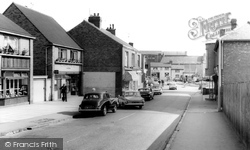
The view shows the centre of Anstey, as the road drops down from the heights of Bradgate Park, enclosed out of Charnwood Forest c1200 as a hunting park.
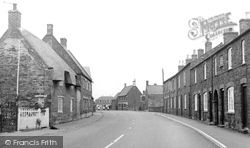
The White Hart pub (centre right) sits at right angles to the street, but the inevitable 20th-century interloper of considerably lesser architectural merit can be seen in the distance.
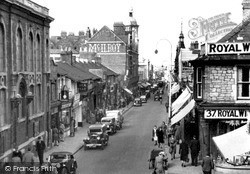
It served for some years as Swindon's first arts centre and as the children's library.
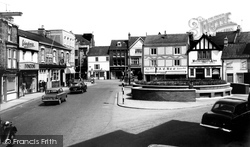
The 18th-century Tivoli Tavern (the white building, centre left), formerly the Globe, is still there, but the buildings on the left are no more, having being replaced by Devonshire House.
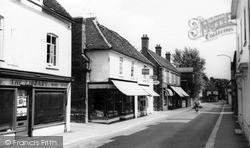
The photograph shows Bell Street as a quiet back street in a small market town with only one car and a solitary cyclist - a far cry from the busy shopping centre of today.
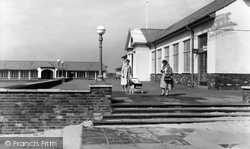
If the activities prove as popular as they are expected to, there are plans to develop Ainsdale Lido into a visitor centre, shop and training facility.
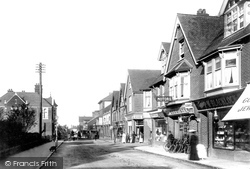
This view looks back towards the town centre. These Georgian buildings with their refined sash windows have gone.
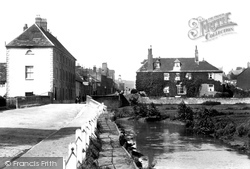
Looking westwards, towards the King of Prussia, we can see the cupola of the Town Hall in the distance (centre).
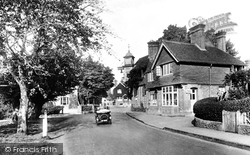
On the road linking Guildford and Dorking, this hamlet was one of the medieval centres of the local iron industry, and is named from the hammer-pond that worked a furnace here.
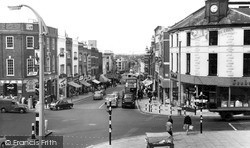
Shinner's large department store with its clock over the pavement is visible (centre left), and so is the white frontage of Perring's furniture showroom on the corner of West Street.
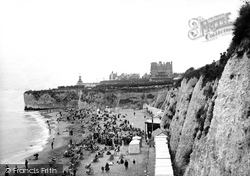
A large crowd is gathered on the beach in the centre of this photograph, possibly to watch 'Uncle Mac and his Minstrels.'
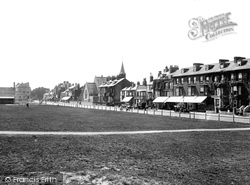
The Walmer Stores in the centre of this photo has its blinds down.
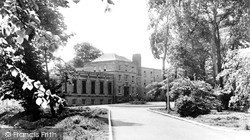
In the1920s Jesse Boot, founder of Boots the chemists, gave land to the west of Lenton, and University College moved here out of the city centre.
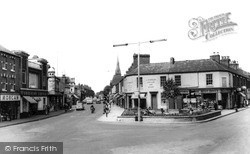
To the left the Shopping Centre occupied the Victoria Palace Theatre; this was mainly used as a cinema, and by the date of this photograph had been stripped of its ornate stucco facings.
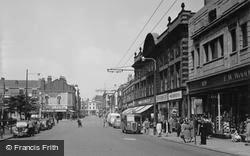
It is an evangelical church, and the present clergy are noted for taking their message out into the nearby shopping centre.
Places (57)
Photos (98)
Memories (1253)
Books (2)
Maps (316)