Merry Christmas & Happy New Year!
Christmas Deliveries: If you placed an order on or before midday on Friday 19th December for Christmas delivery it was despatched before the Royal Mail or Parcel Force deadline and therefore should be received in time for Christmas. Orders placed after midday on Friday 19th December will be delivered in the New Year.
Please Note: Our offices and factory are now closed until Monday 5th January when we will be pleased to deal with any queries that have arisen during the holiday period.
During the holiday our Gift Cards may still be ordered for any last minute orders and will be sent automatically by email direct to your recipient - see here: Gift Cards
Places
Sorry, no places were found that related to your search.
Photos
Sorry, no photos were found that related to your search.
Maps
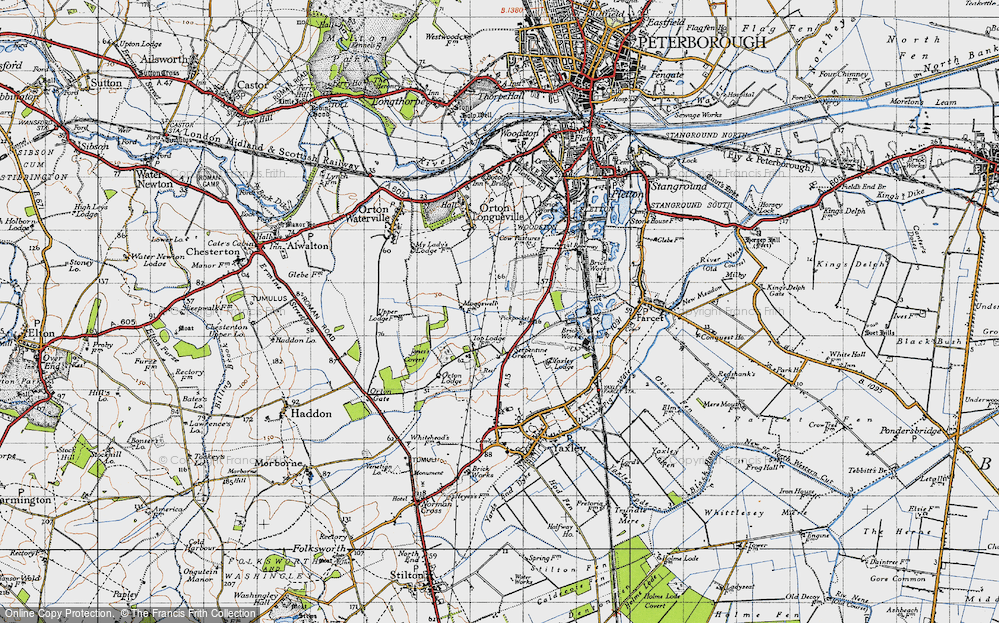
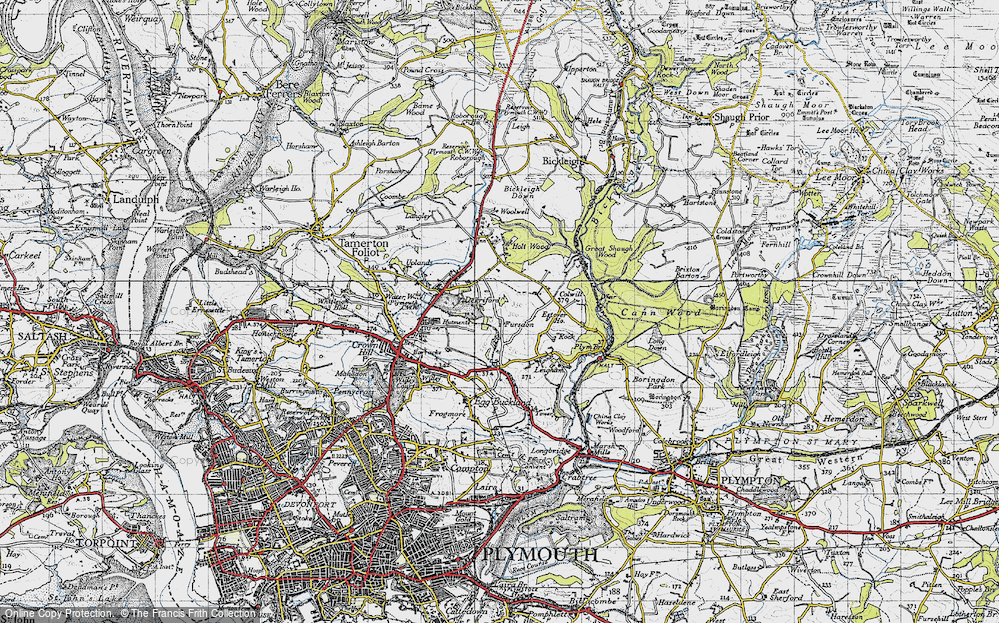
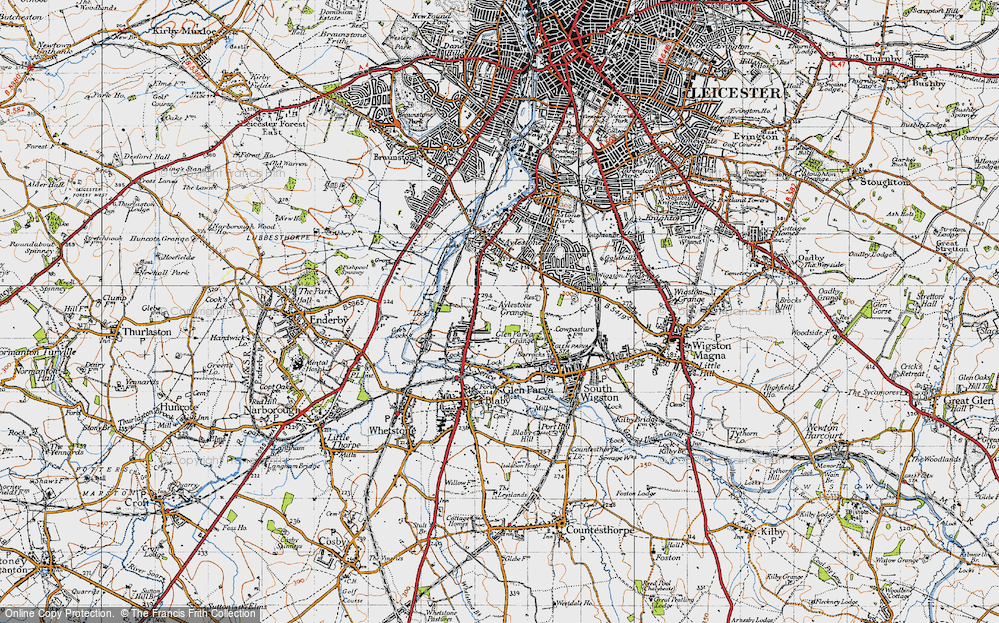
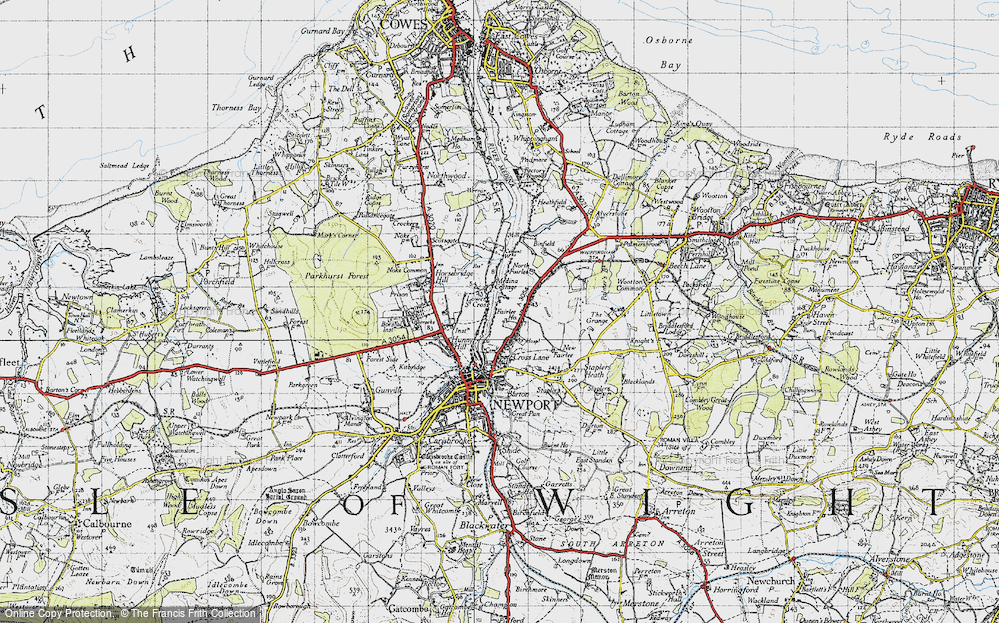
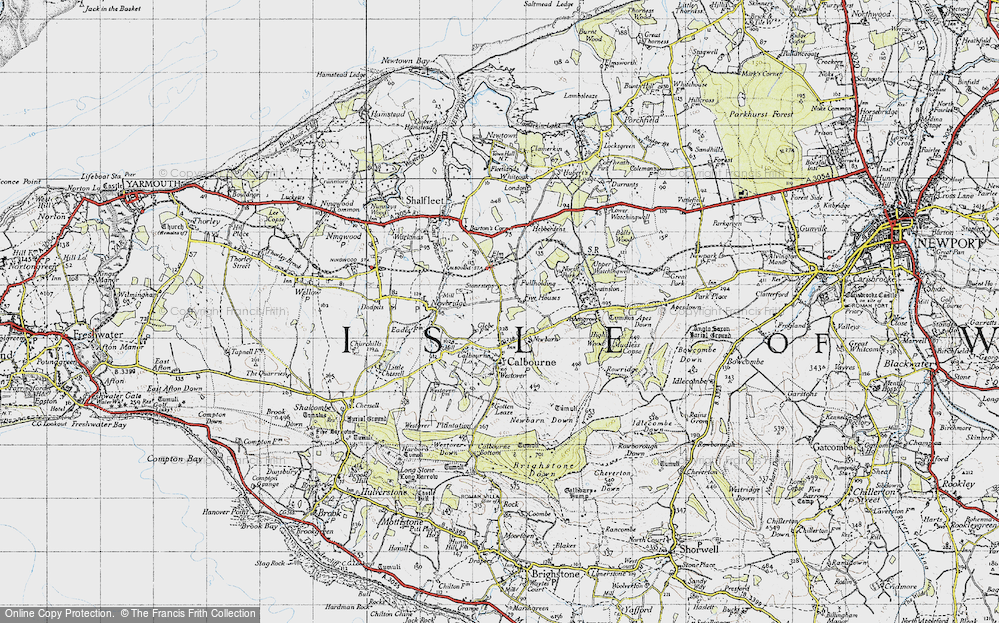
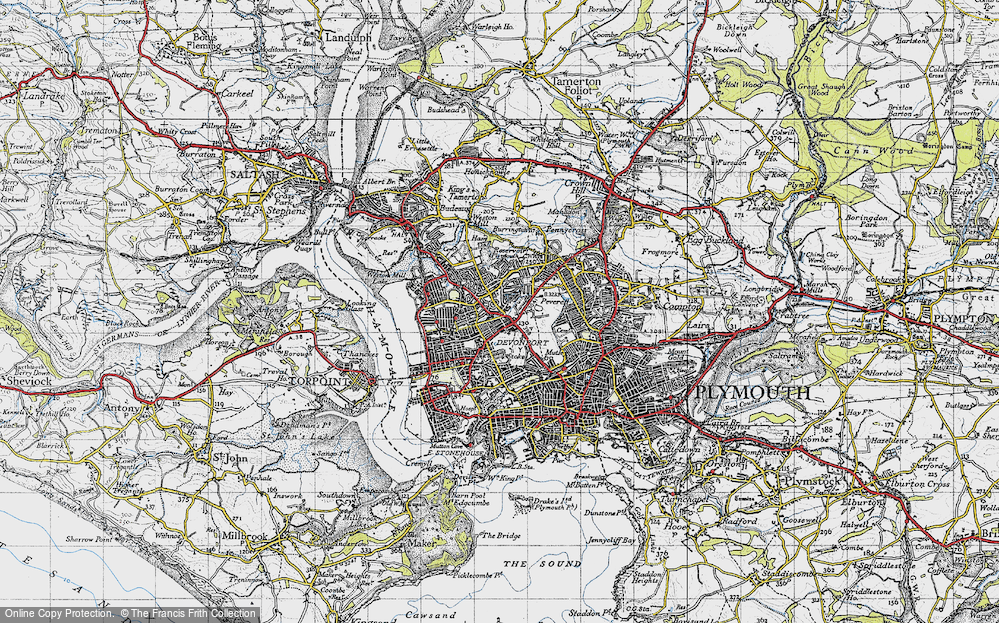
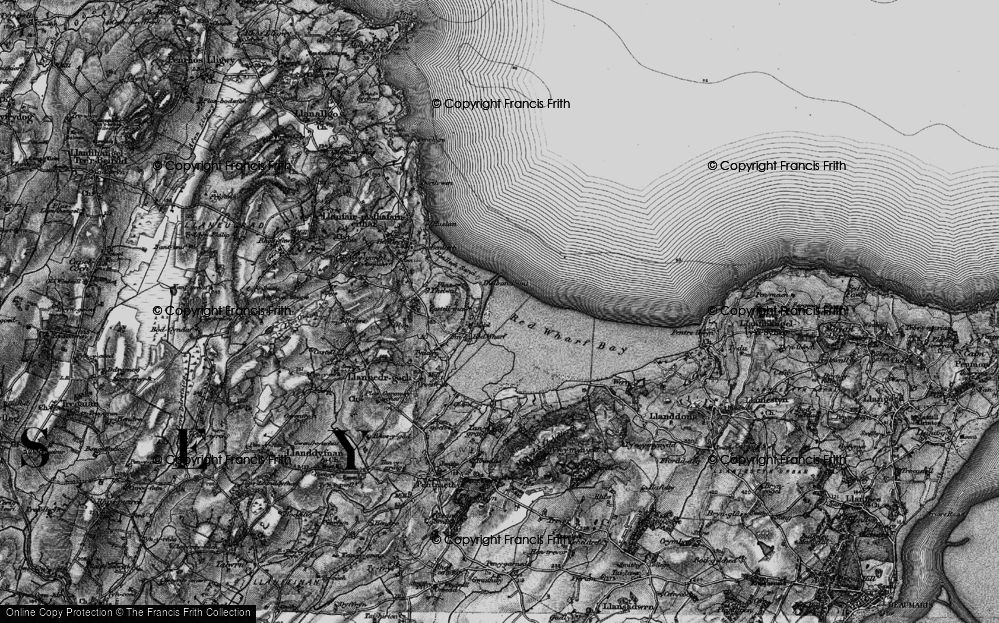
7,034 maps found.
Books
163 books found. Showing results 4,441 to 4,464.
Memories
22,913 memories found. Showing results 1,851 to 1,860.
Music And Memories
Is there anyone else who sang in Mrs Solomon's choir and went to Mr Pellymounter's school in St Dennis. I remember all the grownup ladies wearing their wedding dresses as we had to wear white. I was about four when I started to ...Read more
A memory of St Dennis in 1944 by
Clapham Church
I visited Clapham and the Church in the summer of 1999. At different periods during the 1800's my Collins family lived and worked there. Thomas Collins of Burpham was buried at Clapham on September 13th, 1855 at 55. His first ...Read more
A memory of Clapham by
Procter Memorial Home
I have found three postcards sent to my father at the Procter Memorial Home round about 1911/12. I thought at first that he might have been recuperating from some illness, but reading one of the cards it suggests that he ...Read more
A memory of Shotley Bridge in 1910 by
Worthing Front Or Silverstone
In about 1935, when I was 5 years old, my Grandfather used to take us all on gentle rides into the South Downs from his home at 11 Gaisford Road in his circa 1930 Hillman Minx. The beloved Minx was not turbo-charged ...Read more
A memory of Worthing in 1930 by
Matthews Opticians
To the left of this photo, the first shop you can see was Reg Matthews opticians. You can just make out the entrance and the window above which is a V shape. As a trainee dispensing optician working there around 1971, I used to ...Read more
A memory of Worksop in 1971 by
Sunday Mornings
My mother in law, then Marie Elizabeth Burston born 1921 in Wales, whilst in service at Hartlebury House used to go to church every Sunday morning. The postman played the big organ. Every morning she had to give him and the ...Read more
A memory of Painswick in 1930 by
The Day The Pub Got Blown Up
Does any one remember the local pub in Sturry, that got blown up in ww2, my dad saved a little boy, but through shock, the young lad later died. Does any one remember the ODELL family who lived in ROOKERY NOCK? Would ...Read more
A memory of Sturry in 1944 by
Happy Times
During the last war my father served in the Merchant Navy and saw Aberdaron from the sea, that was to be the beginning of many trips and a life-long love of the village. I started going to Aberdaron at about the age of six and have ...Read more
A memory of Aberdaron by
Morris Dancing
My memories of Thaxted are very dear to me. My parents, unfortunately now deceased, were Queenie and Denzil Roberts. Denzil was a Pharmacist and purchased the property known as the Chemist Shop and refurbished the property so we ...Read more
A memory of Thaxted in 1950 by
Coopers And Booths
My Great, Great Great Grandfather, William Booth, used to push a cart up and down the streets of Clayton le Moors with his son John Booth, selling shellfish. He was known as 'Muscle Bill' and his son, 'Oyster Jack'. (This ...Read more
A memory of Clayton-Le-Moors in 1890 by
Your search returned a large number of results. Please try to refine your search further.
Captions
9,654 captions found. Showing results 4,441 to 4,464.

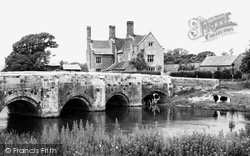
Thomas Hardy used the Manor at Wool as the setting for the disastrous honeymoon of Tess and Angel Clare in his novel 'Tess of the D'Urbervilles'.
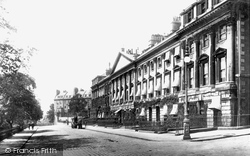
Having completed our tour of the central part of the city, this chapter provides an itinerary taking in the best of the great terraces, squares and crescents that were developed to its north.
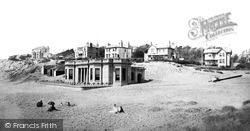
Cliff lifts became a popular solution to the problems of beach access in the later years of the Victorian period, and were used at a number of seaside resorts.
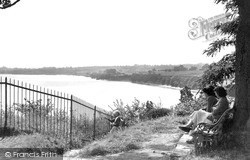
Mothers and daughters take advantage of the excellent views of the Severn afforded them from the churchyard of St Peter's.
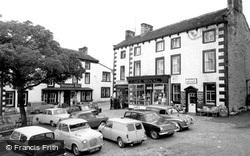
Parked cars dating from the 1960s fill the cobbled square at Grassington, the pretty Wharfedale village whose wealth was founded on lead mining in the nearby limestone hills.
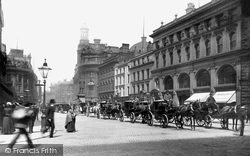
This view looks towards the Royal Exchange and St Mary's Gate. This was one of the principal cab ranks in Manchester, and licensing, fares and conditions were regulated by the local authority.
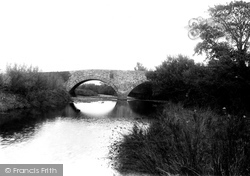
Sulby not only gives its name to the island's longest river but also to (probably) its tallest inhabitant.
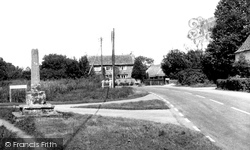
This Wiltshire village is known locally as the village of four crosses, all medieval.
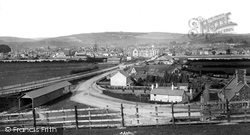
Our earliest view of Junction station. A carriage shed is to the left. The shaded area beyond the road will become the Ilfracombe railway. Several sailing vessels stand at Barnstaple Quay.
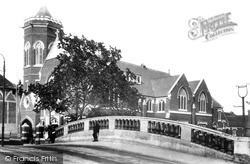
Photographed in the year it was built, this church had seating for 800 people, and a commodious schoolroom at the back.
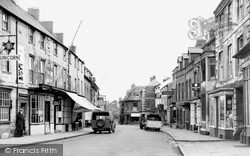
The sign of the Unicorn inn on the left has a finely- carved sundial nearby, also with a unicorn below.
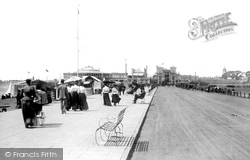
In the meantime, development, in the main of a residential nature, continued to spread north and east across Portsea Island.
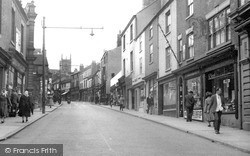
Bath Street, leading off the Market Place, is one of Ilkeston's main shopping streets. This view looks back towards the tower of St Mark's at the end of the street.
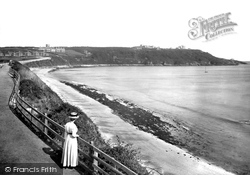
Standing proudly at the top of Pendennis Point is Pendennis Castle, built by Henry VIII to guard the approaches to the estuary of the Fal, one of Cornwall's great waterways.
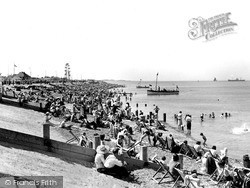
It was to Sheerness dockyard that Nelson's body was brought, preserved in a barrel of spirit, following his death at Trafalgar.
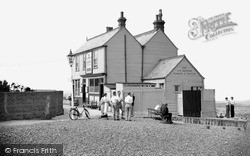
Once a boat builder's premises, it obtained a licence to sell beer in 1897. It was swept away in a great flood.
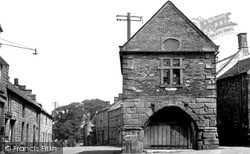
The 17th-century Old Market House at Winster was the first property to be acquired by the National Trust in the Peak District, in 1906.
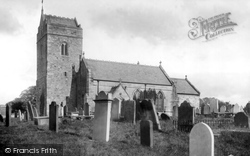
Cockermouth is best known as the birthplace of the poet William Wordsworth, and there is a stained glass window memorial to this fact in the parish church of All Saints.
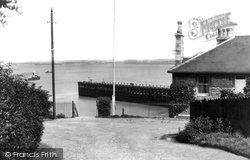
Portishead was connected to Bristol by rail in 1867. The following year the pier was commissioned; it was soon extended so that vessels could use it at low water.
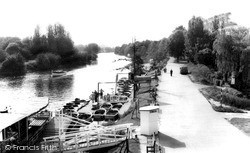
Long before this picture was taken, the northern Severn had effectively been closed to navigation at two to three hundred yards above Stourport Bridge.
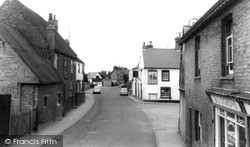
The centre of the village is located around the White Horse public house (centre right).
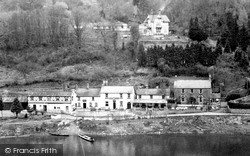
The river flows particularly swiftly at this point and is very popular with canoeists riding the rapids. The white building in the centre is the Saracen's Head pub.
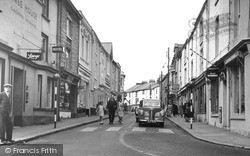
On the left is Wheeler's Hotel, and at the top of the street, just visible, is the hop leaf symbol of Simond's Brewery - once a common sight on local pubs.
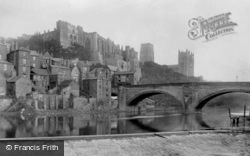
It was built by Bishop Flambard in 1128. The peninsula end was defended by a gatehouse, but this fortification was demolished in 1760.
Places (0)
Photos (0)
Memories (22913)
Books (163)
Maps (7034)