Places
Sorry, no places were found that related to your search.
Photos
Sorry, no photos were found that related to your search.
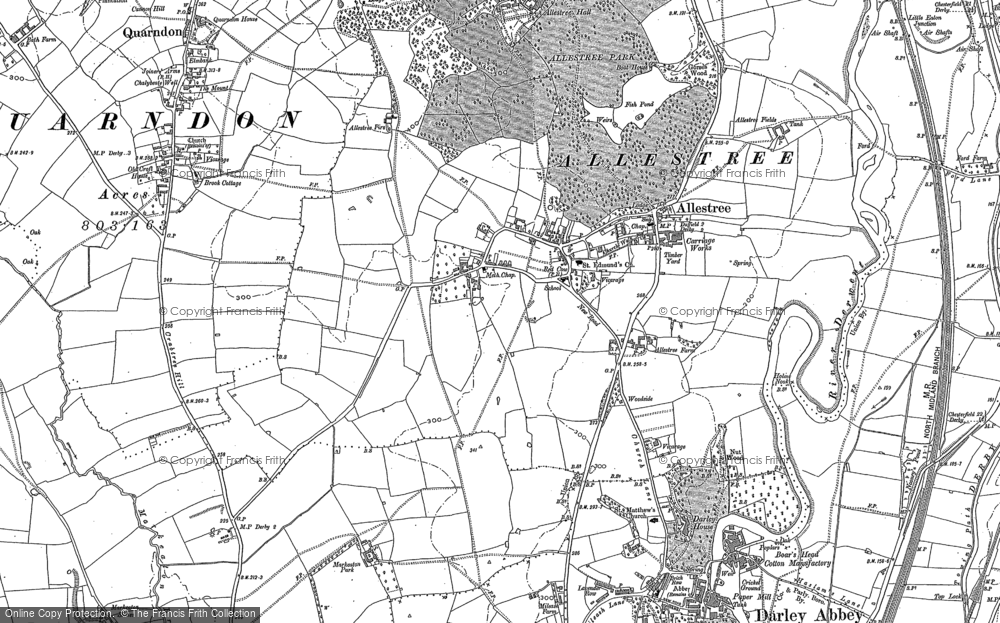
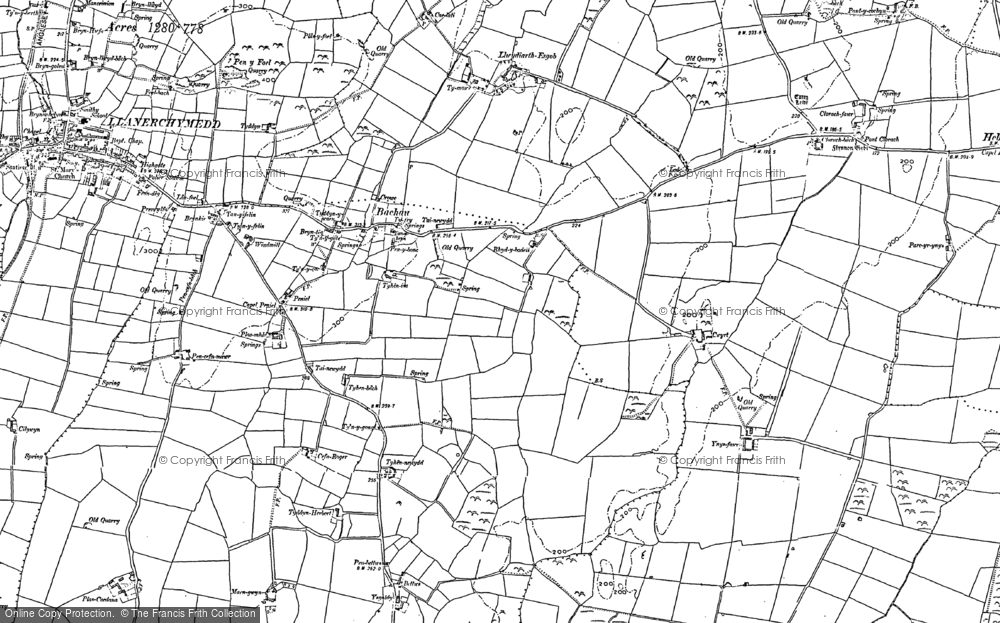
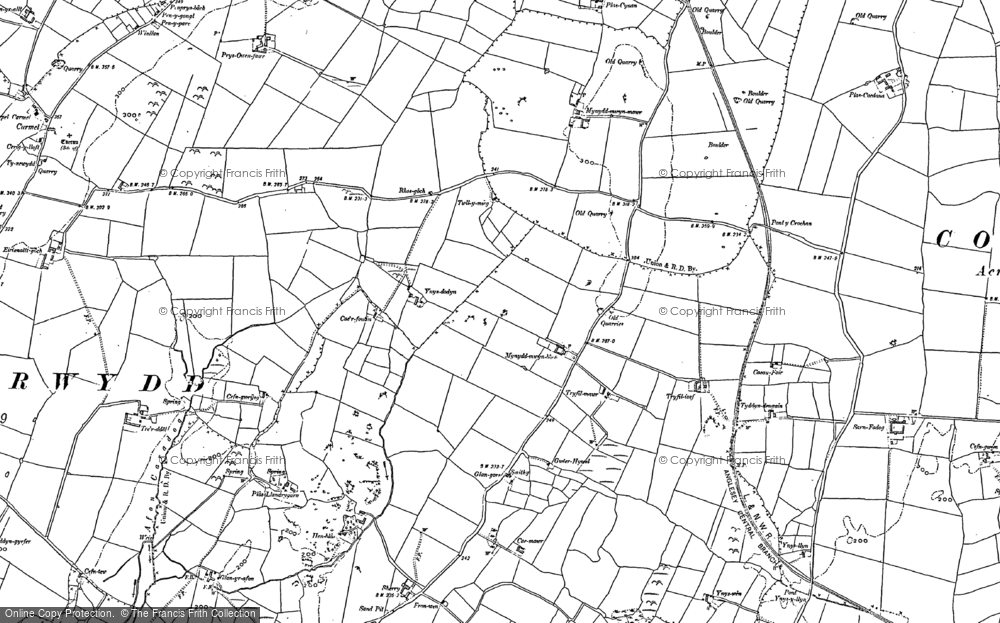
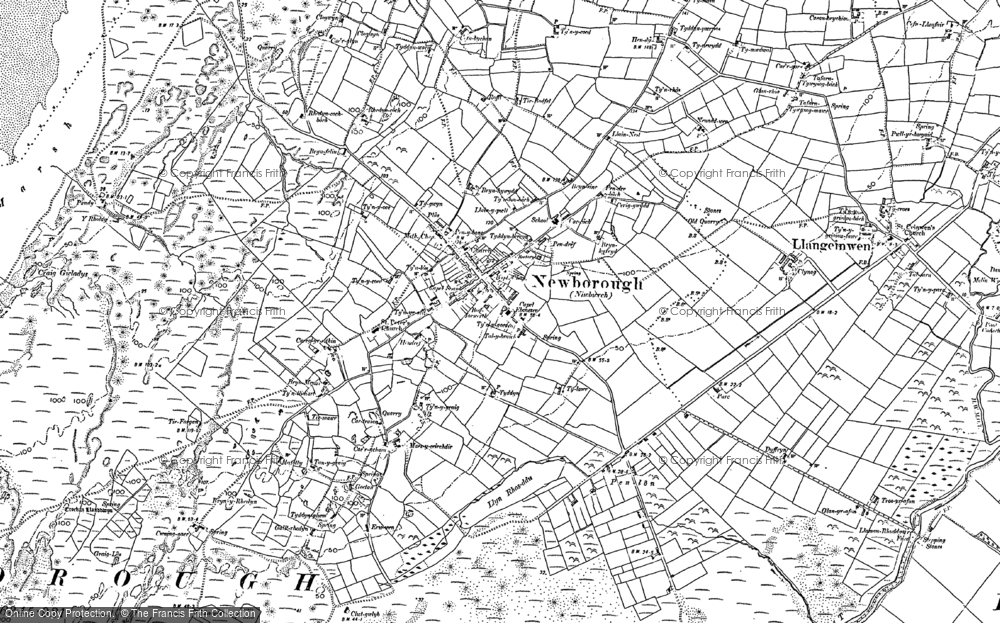
Maps
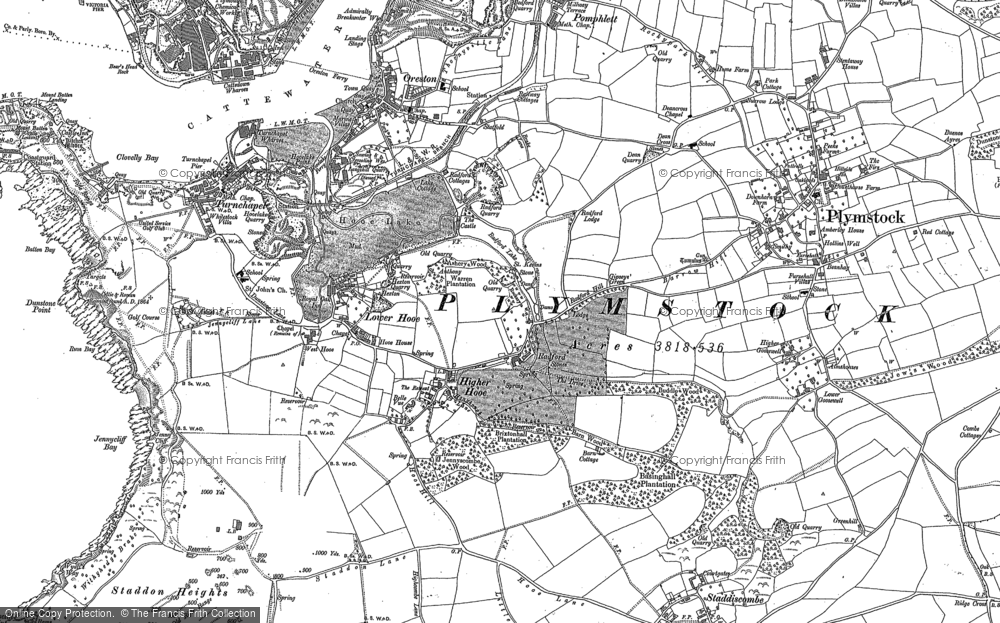
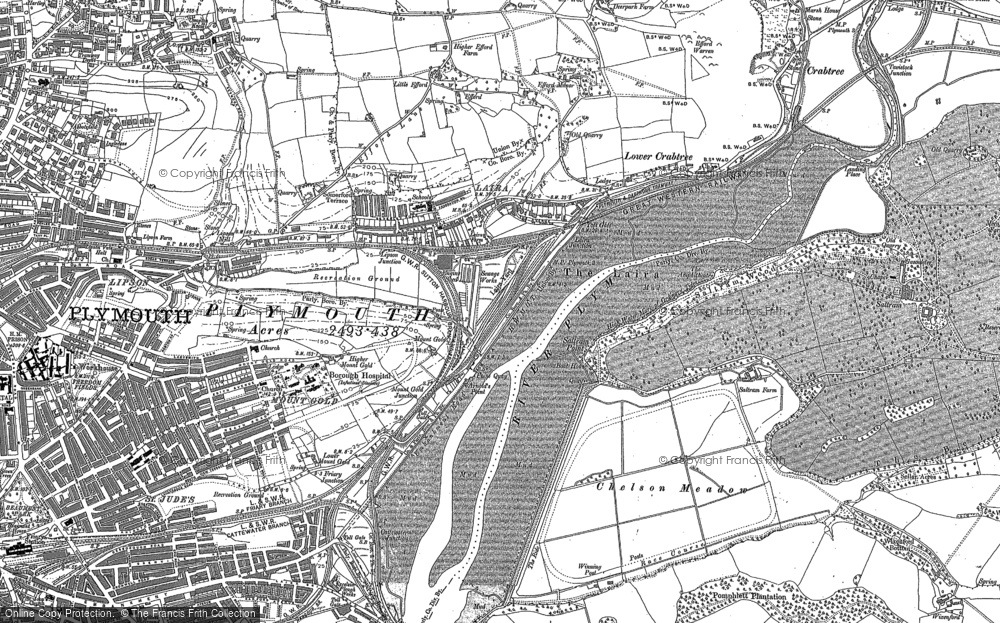
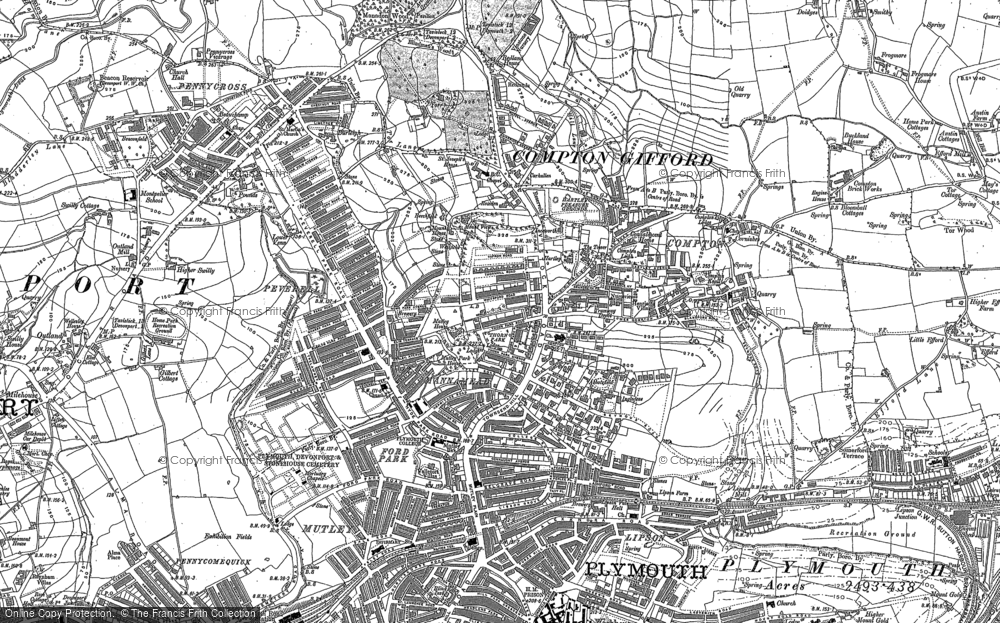
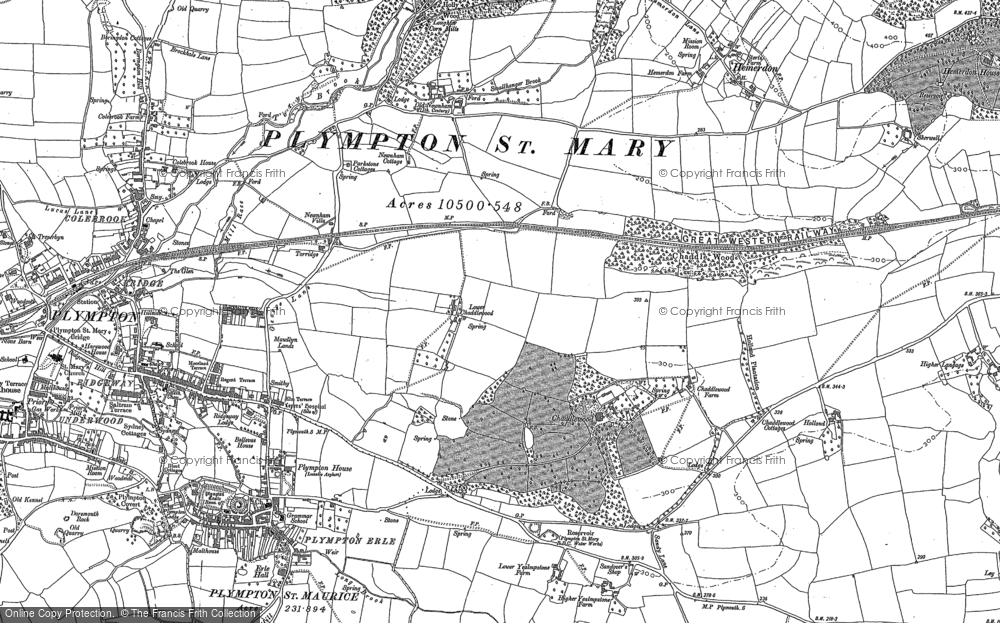
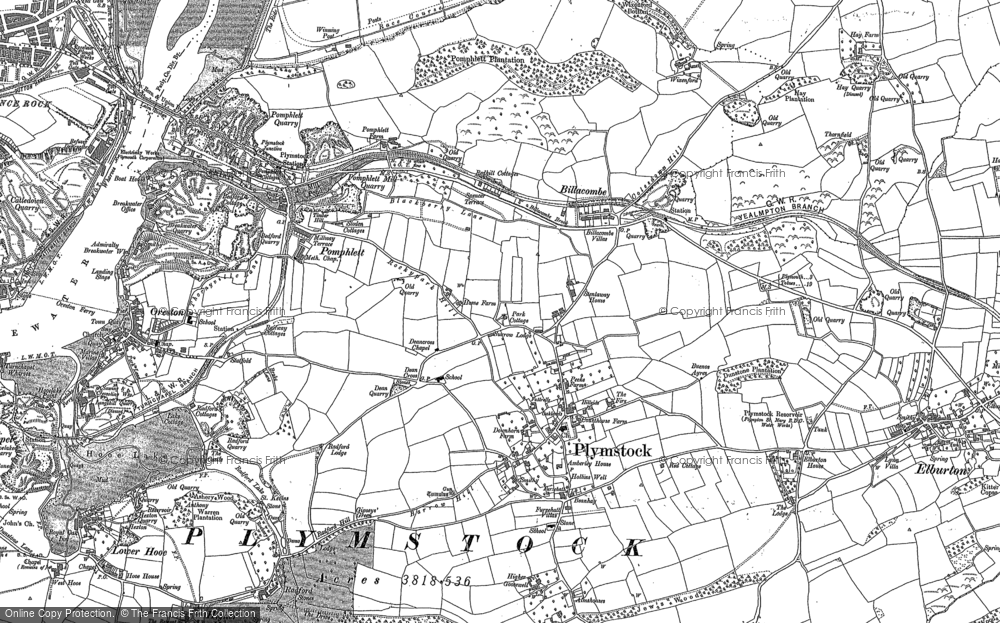
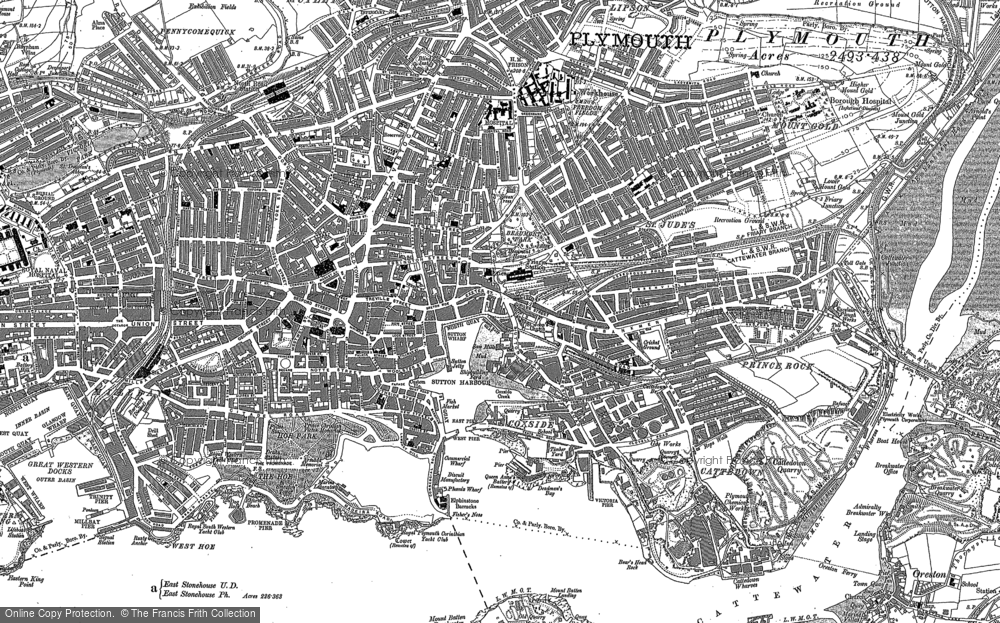
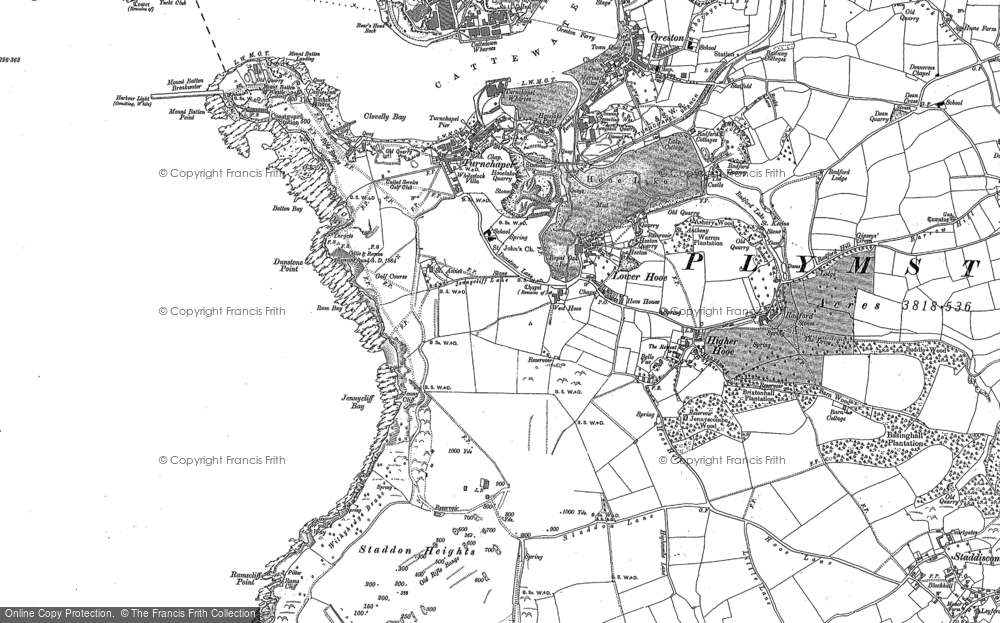
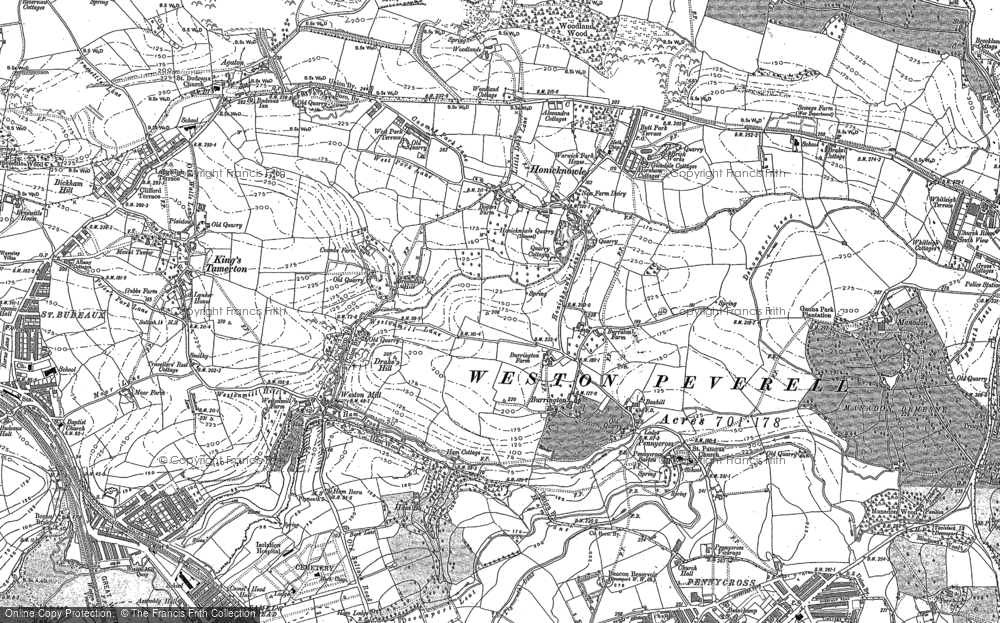
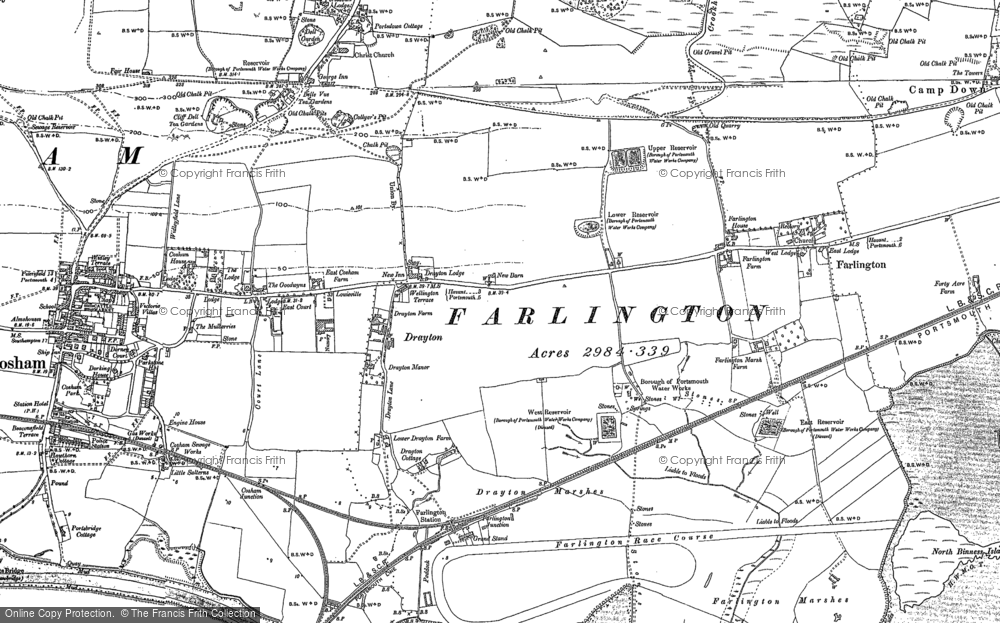
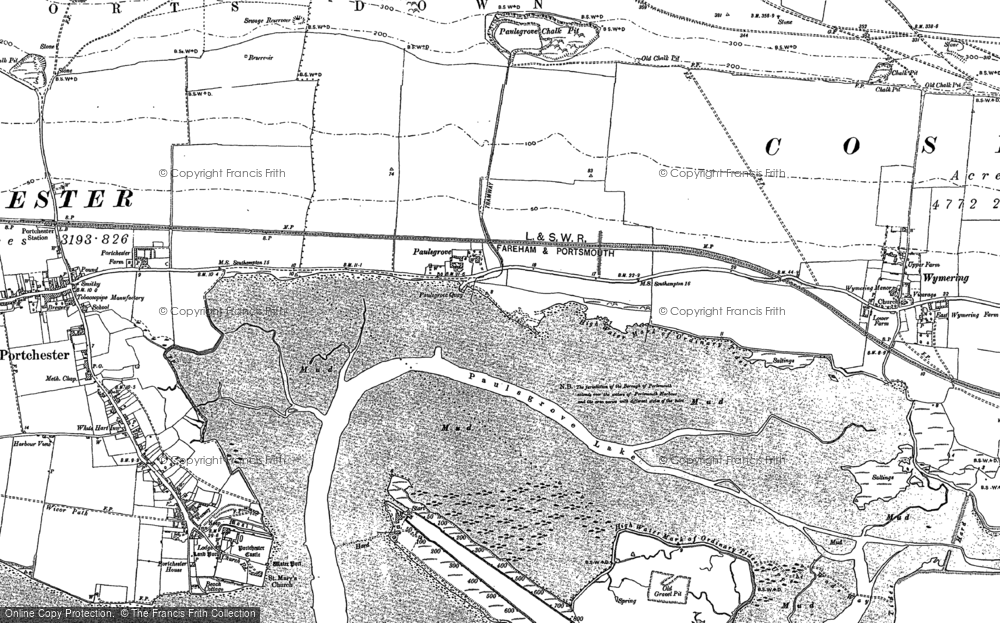
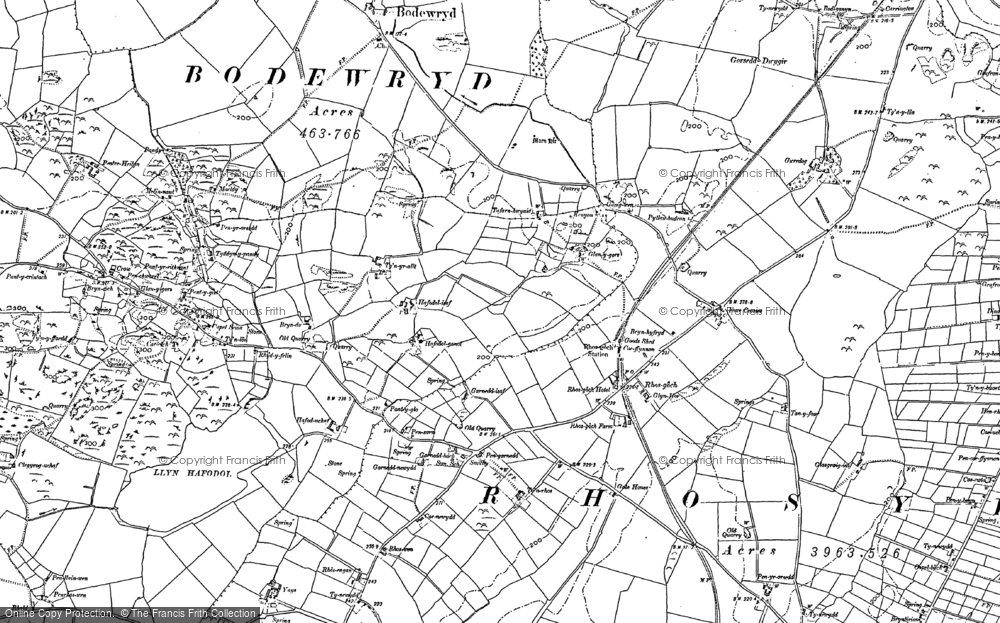
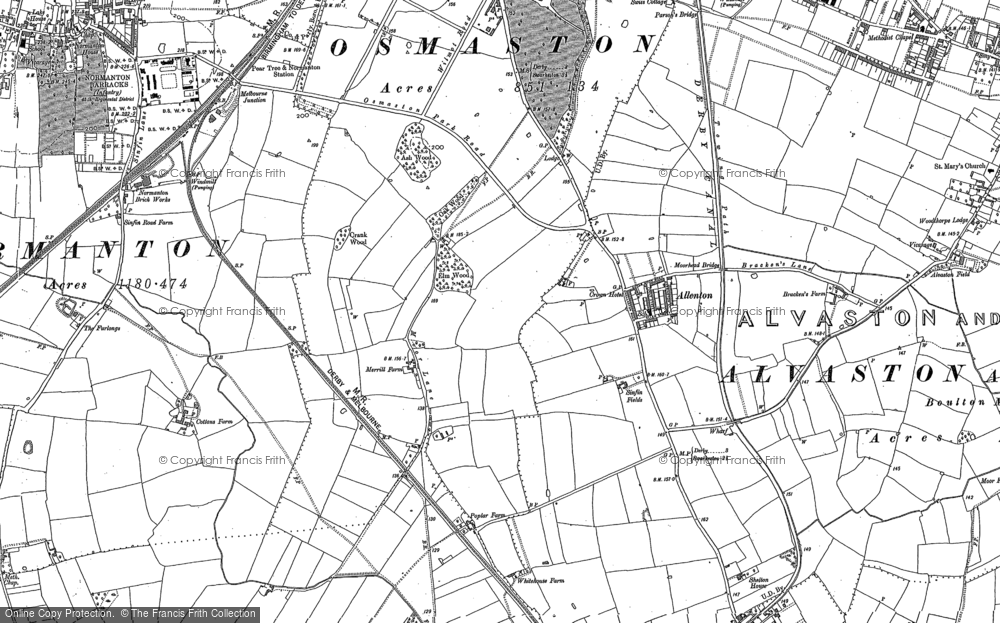
7,034 maps found.
Books
163 books found. Showing results 2,353 to 2,376.
Memories
22,912 memories found. Showing results 981 to 990.
Willingham School
I remember my first day at Willingham School. I was so daunted by Mrs Readers presence. She was so authoritative and strong of mind and confidence. She never demanded respect, she would never have to because she earned ...Read more
A memory of Willingham by Stow in 1971 by
The Westerham 'flyer'
I travelled with my father on the Westerham branch-line in the summer of 1959, and as we were the only passengers boarding the empty train at Dunton Green, we were invited by the driver to accompany him and his fireman in the ...Read more
A memory of Westerham in 1959 by
Jaywick
I have had a long association with Jaywick - I am the organist at St Christopher`s church in Meadow Way. I was approached by Mrs Elsie Coleman (who was steward 'in charge' then) over thirty years ago to do a `temporary stint`. I loved the ...Read more
A memory of Jaywick in 1978 by
Sternhold Avenue Memories
We lived in Sternhold Avenue, No 87 I think, and I went to Sunnyhill Road School until we moved to Crystal Palace some two years later. I remember the bombed out old Streatham Theatre and a milk bar call the Blue Riband ...Read more
A memory of Streatham in 1949 by
Goodrington
I was born in 1948 in Wallasy Cheshire, now Merseyside. As my maternal grandparents lived in Plympton, we used to spend two or three weeks with them every year. A day out to Goodrington was very popular, travelling by train from ...Read more
A memory of Paignton by
Folkstone Court, Newmarket Avenue
My name is Jo Buchanan, I used to live at 2 Folkstone Court and went to Islip Manor Middle School and would love to hear from anyone who remembers me from 1978-1988. I'll always remember going cooler picking, down ...Read more
A memory of Northolt in 1980 by
The Ogmore I Knew
I was born in 1940 and attended Tynewydd Junior School then the Park School then Bridgend Tech. Even though we had the constraits dictated by the war, life was happy we had the mountains to explore. We would dam the river for ...Read more
A memory of Ogmore Vale by
The Toy Shop In Queens Road
I remember the toy shop, there was also a dolls hospital at the back of the shop where my beloved dolls were taken to have their broken limbs fixed and also to have the occasional eye replaced.
A memory of Buckhurst Hill in 1950 by
Jaywick Sands From 1954 1960
I first discovered Jaywick when I was just ten years old in 1954. I was taken there by my parents in a 1936 Bedford Van to stay with my uncle Bill, aunt Flo and cousin Bill who was 6 months younger than me. This would ...Read more
A memory of Jaywick in 1954 by
Caster Avenue
I was born at 46 Caster Avenue in 1951, my name was then Sue Riley. My mother was Lilly, my grandparents were Jack and Maud Clare who lived at 17 Caster Avenue. I have happy memories of playing on the bloody field and the reck ...Read more
A memory of Runcorn in 1956 by
Your search returned a large number of results. Please try to refine your search further.
Captions
9,654 captions found. Showing results 2,353 to 2,376.

At the height of the canal era, the Wharf was a bustling depot where up to ten large barges could load and unload.
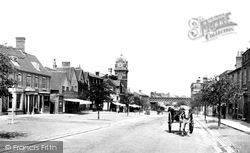
Two hundred and thirty-five years before this photograph was taken, Samuel Pepys visited the town and ate 'very good troutes, eels and crayfish' at the Bear Hotel.
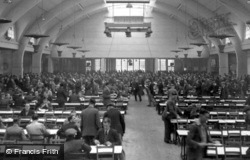
In spite of its large empire, Britain was badly prepared for war. However, it was amazing how well folk improvised. Work was hard.
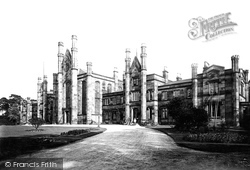
This complex included the Deaf and Dumb School, and Henshaw's Blind Asylum, complete with its own chapel.
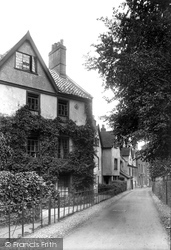
At the east end, Lower Close leads into Hook's Walk with its excellent brick and flint-built houses, many rendered and colour-washed. It leads to the curiously-named Gooseberry Garden Walk.
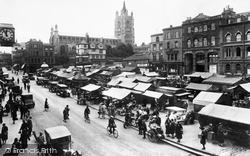
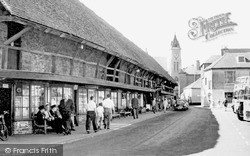
At this time, the buildings on the right are awaiting their fate - they were eventually pulled down. But they themselves had their origins in encroachment on the original larger medieval market place.
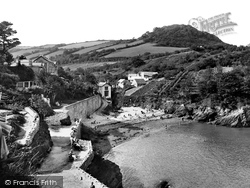
The deep, sheltered valleys of this part of the coast were at one time noted for their market gardens, which grew a variety of produce, but were most famous for their strawberries.
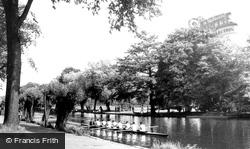
Rowing sports have always played a large part in the leisure activities of Bedford's citizens.
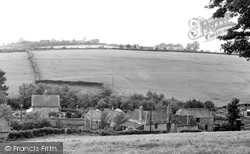
There is no minster at Yetminster, but it does offer a very attractive 15th century parish church, with some excellent brasses and carved roof bosses. Its bells are over 300 years old.
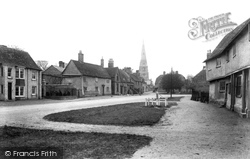
The village of Spaldwick lies at the centre of a medieval estate which included most of the neighbouring settlements. The church in the background is known as 'the cathedral of the valley'.
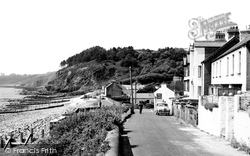
At very low tide submerged tree stumps, thought to date from c5,000 BC, were seen here. Fossilized hazelnuts have also been found here. The Amroth Arms is on the right.
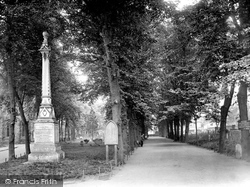
The monument of 1903 commemorates 17 Suffolk Protestants who were burnt at Bury during the reign of Queen Mary. The ruins of the Charnel Chapel are between the two avenues.
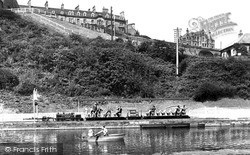
The miniature railway at Saltburn delighted generations of young visitors to the town (and possibly older visitors!). In the foreground a proud father and his children enjoy the boating lake.
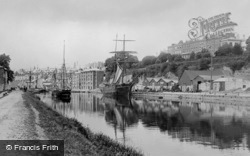
Graceful sailing ships are clustered alongside the quay on the Exeter Canal at the north end. The warehouse and Customs buildings around the Basin and riverside are beautifully preserved.
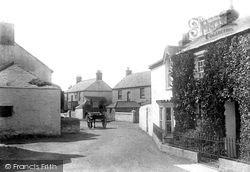
Mullion takes its name from St Melaine, the 6th- century Bishop of Rennes, who excommunicated two British priests who went to preach on his patch.
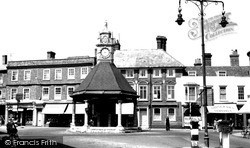
The clock tower, partly enclosed by an hexagonal shelter and situated at the centre of a traffic system, stands on the site of a wayside chapel, disused in the 16th century, converted into houses and
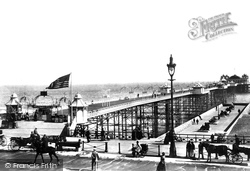
Widely considered the finest pier ever built, it was designed by R St Moore, and opened in 1899; the theatre at the end was added in 1901.
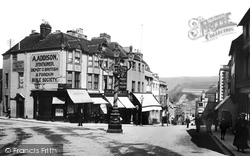
At the Market Street junction, the High Street starts dropping steeply to School Hill. The ornate lamp standard was replaced a few years later by an equally elaborate War Memorial.
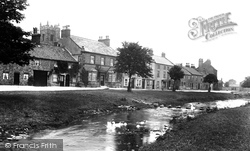
It was at Catterick in AD 625 that Paulinus, first Bishop of York, baptised converts to Christianity, following the marriage of King Edwin of Northumbria to Ethelburga of Kent.
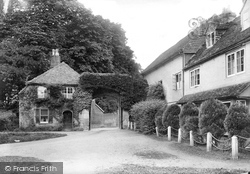
At the southern end of the Close is Harnham Gate, one of the three gates that served the cathedral; it is contemporary with the original 14th-century cathedral wall.
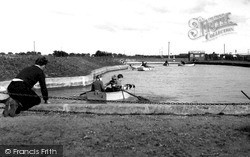
Here children tentatively set out on a journey across the boating lake at Shoeburyness. This playground area was close to the sea.
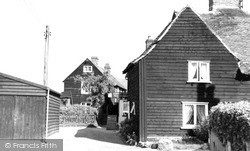
To reach West Mersea it is necessary to pass over the Strood, a causeway which is liable to flood at high tide. These attractive weatherboarded houses still stand.
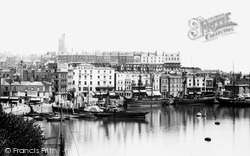
We are looking towards the inner harbour-now the yacht marina—with a paddle steamer and three brigs at moorings.The chimney on the left of the Admiral Harvey pub probably belonged to Ramsgate's
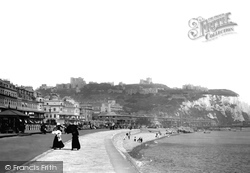
Here we have a magnificent view of the broad sweep of the breezy seafront at Dover, with the castle overshadowing the town from four hundred feet above, and the Roman Pharos clearly visible beside the
Places (0)
Photos (0)
Memories (22912)
Books (163)
Maps (7034)