Places
Sorry, no places were found that related to your search.
Did you mean: north ness or na h ness or nook ness ?
Photos
12 photos found. Showing results 401 to 12.
Maps
9,582 maps found.


Books
Sorry, no books were found that related to your search.
Memories
4,597 memories found. Showing results 201 to 210.
Boyhood Days
My aunts and uncles lived in East Howle and I was a regular visitor around and before 1950. The two families lived opposite one another in what I think may have been "railway cottages" and my cousins totalled 9. In those days you ...Read more
A memory of East Howle
How Good Barking Was In The 1950s
I was born in Shirley Gardens in 1935, right opposite Barking Park where I spent most of my childhood at Barking open air lido. What a magnificent place that was! My father was a policeman in Barking so we always ...Read more
A memory of Barking by
James Joseph Irvine (Autobiography) 1911 1990
Stretching over about a mile on the A68 road to Edinburgh from Darlington, lies the small mining town of Tow Law. Approaching it from Elm Park Road Ends, on a clear day, as you pass the various openings ...Read more
A memory of Tow Law in 1930 by
The Mill
As a boy myself and my friends would gather our fishing rods and tackle and bike to the mill for a day’s fishing, I caught my first trout standing on the big outlet pipe from the mill, another time we were there and one of my friend fell ...Read more
A memory of Bordon by
Childhood Holidays
I will never know why, but we used to take the train to Lundin Links, and then taxi to Lower Largo. I don't know when these holidays started (I was born in 1957 and there are certainly photos of me around 3 years old). ...Read more
A memory of Lower Largo in 1965 by
Old Manor Cafe
My memory of Blackwater started when I was 14, for those of you who don't know what the Old Manor was, it was a transport cafe, which stood on what is now a supermarket site, on the right, at the junction with Rosemary Lane. In ...Read more
A memory of Blackwater in 1960 by
Things I Remember
Greenford market, that's where the buses terminated. If you were quick you could jump off the back of a bus at the corner when it turned into Windmill Lane, that way if the bus was going further than the market it saved you ...Read more
A memory of Greenford in 1975 by
Cooksons Leadworks Part 2
1965. During my time working here I carried out a number of different jobs, one was to make Zinc ingots, my shift would start with my furnace fired up and there next to it would be my "charge" this would be a pile of old ...Read more
A memory of Newburn in 1965 by
Woolies !
I found this site through a link on another, which had pictures of old buses - http://www.old-bus-photos.co.uk/?cat=51 I commented there on some of the Yorkshire Woollen District Transport fleet, which my dad used to drive. I was born in ...Read more
A memory of Dewsbury in 1974 by
Captions
1,652 captions found. Showing results 481 to 504.

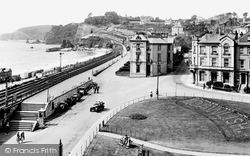
Dawlish began as two discrete hamlets, one inland by the parish church and another on the seashore, but quickly grew as the first visitors arrived to holiday in the late 18th century.
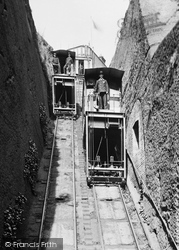
The town is also a centre for another type of railway - the restored Severn Valley Railway with its steam engines.
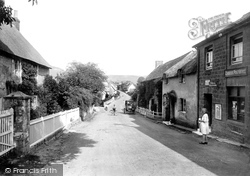
Another view of Chideock Post Office (right), looking eastwards to Mervyn House, Staddlestones, and Rose Cottage (centre).
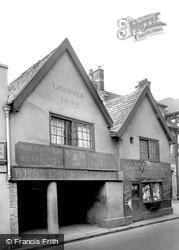
Ye Olde Blue Bell and Ye Olde Cabin both date from the 15th century.
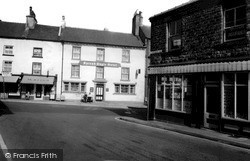
However, there was strong opposition to the proposal from both Barnsley and Huddersfield.
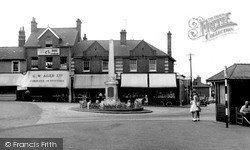
The impressive war memorial records the names of the dead of both World Wars of the 20th century.
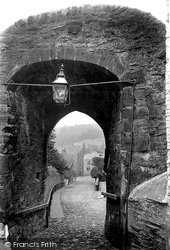
This is another postern gate surviving from the Town Wall, which was built to defend Richmond against Scottish raids shortly before the Battle of Bannockburn.
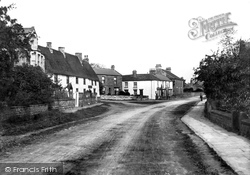
The Abbey was founded by the Premonstratensians; they were an order noted for preferring secluded areas, both for building their religious houses and for rearing their sheep.
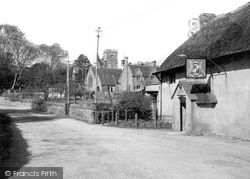
Symondsbury has had at least two remarkable parsons, both of whom lie buried within its church. Gregory Raymond served here for 57 years, through much of Victoria's reign.
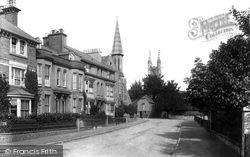
Both the Congregational Church and the houses next to it on the left were demolished in the 1970s to make way for the town's Magistrates Court.
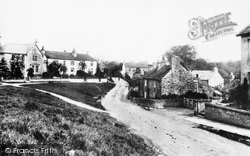
The abbey was founded by the Premonstraterians; they were an order noted for preferring secluded areas, both for building their religious houses and for rearing their sheep.
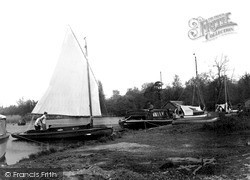
In the centre of the picture two men are working on an another unusual boat, a motorised wherry - notice the shortened mast.
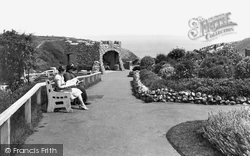
Another view of the delightful Hazelgrove area with its charming castellated grotto. This little folly was built as a shelter where one could rest and look out onto the well-laid-out flowerbeds.
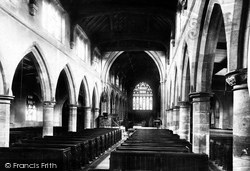
A west gallery was added in 1693 and a gallery on the south side in 1698, but both were removed in 1855. The north aisle was rebuilt in 1856 and a clerestory was added.
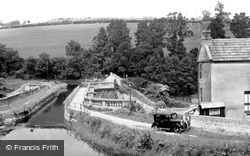
Although the infrastructure is essentially unchanged, much tidying up of both bank and water has taken place in recent years.
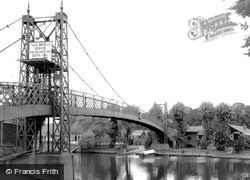
This is the private footbridge to the island at Thames Ditton. The notice states that both the bridge and the island are private.
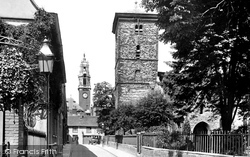
The lamp on the left lights the alley to Tymperleys, a superb late 15th-century timber-framed house, now a clock museum.
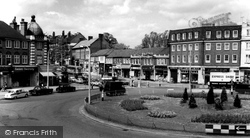
Hendon did not develop as a major shopping centre until well into the 20th century, when the rapid increase in the population made it necessary to provide better facilities for residents
Weymouth's Georgian Esplanade has come through another century unscathed, with only the shingle having retreated since Queen Victoria's Jubilee Clock was erected in 1887.
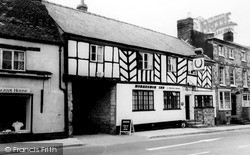
Another was the thatched-roofed Black Horse.
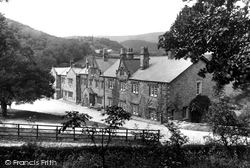
Another view of brooding Pendle Hill can be had from Whitewell. The wooded area along the river moving towards the Trough of Bowland is said to be reminiscent of Switzerland.
Another was the thatched-roofed Black Horse. In the 1920s the Auto Cycle Union (similar to the AA and RAC) recommended both the George Hotel and Ye Olde White Bear as being suitable for its members.
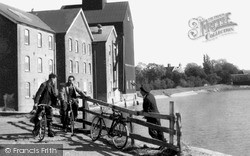
The brick-built buildings look as if they will last for another century at least. However, the huge Allied Flour Mill now stands on the site and very little of this scene remains.
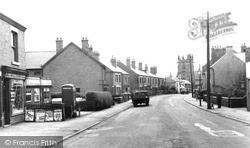
Another view of Derby Road, Swanwick, a little further north, opposite Willgoose's newsagents shop, on the left.
Places (0)
Photos (12)
Memories (4597)
Books (0)
Maps (9582)