Places
Sorry, no places were found that related to your search.
Did you mean: north ness or na h ness or nook ness ?
Photos
12 photos found. Showing results 761 to 12.
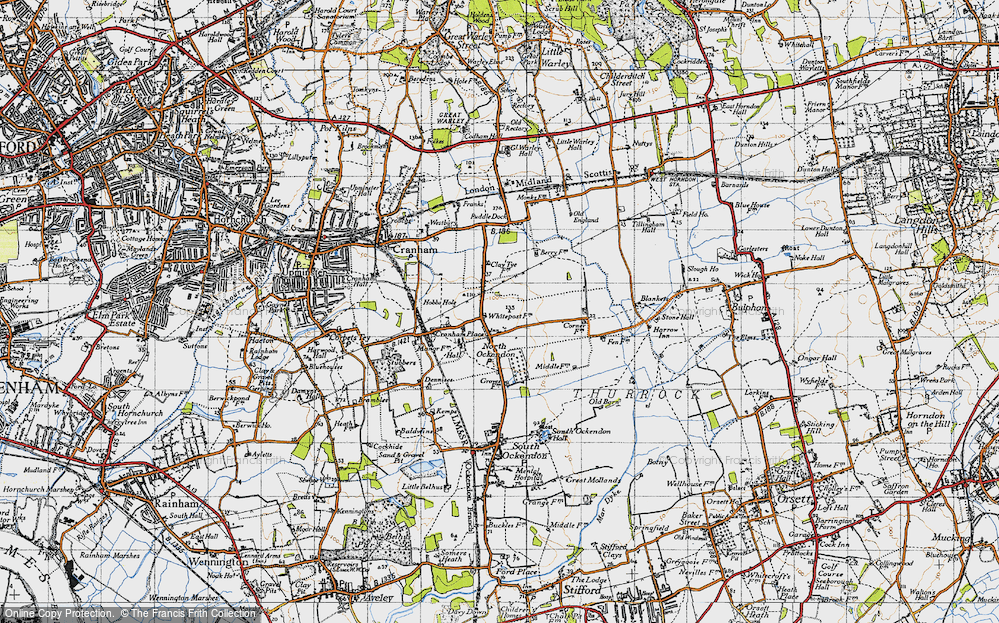
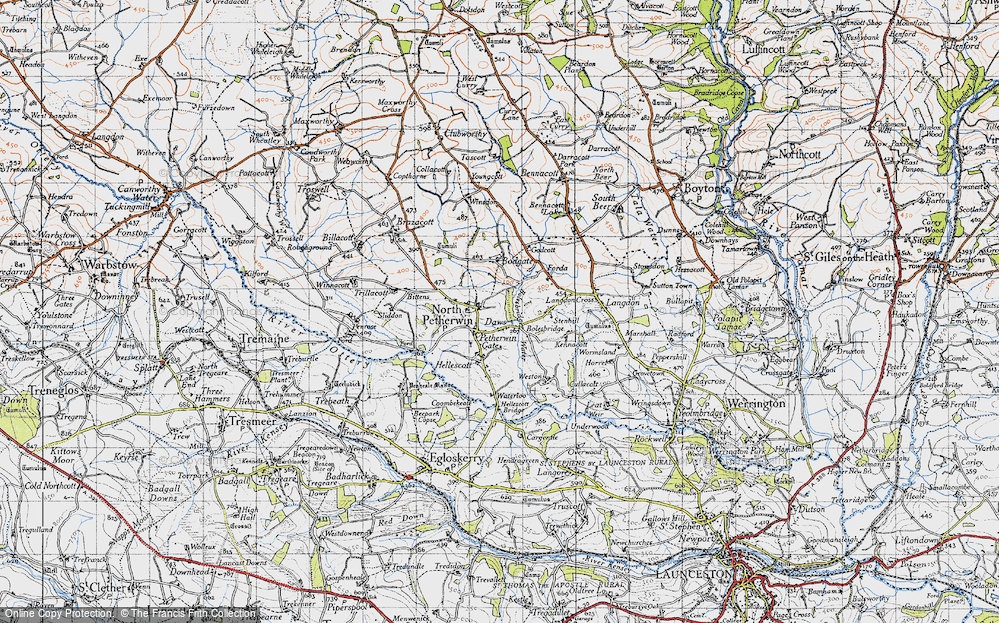
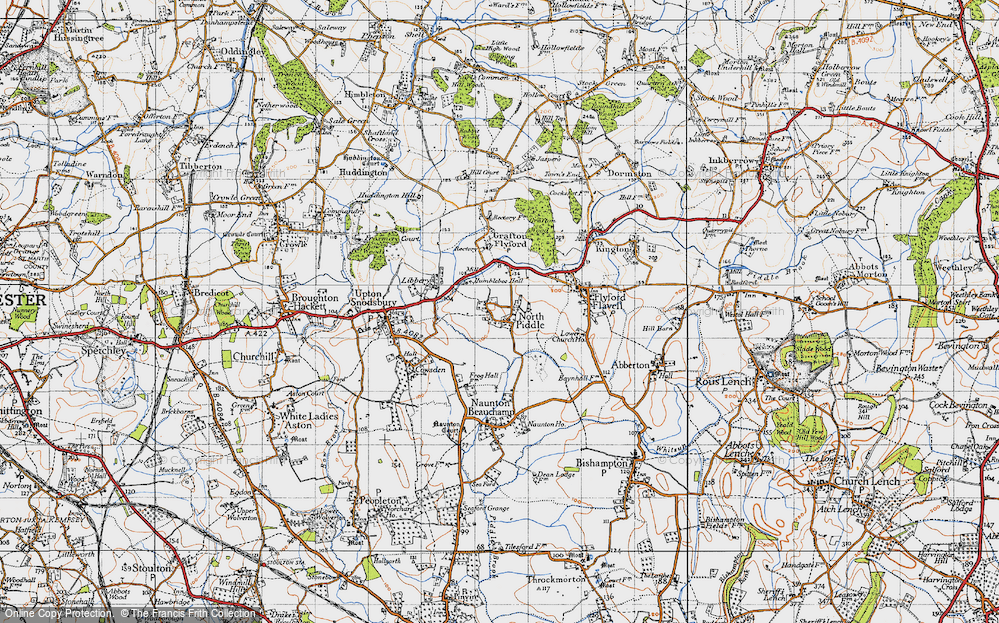
Maps
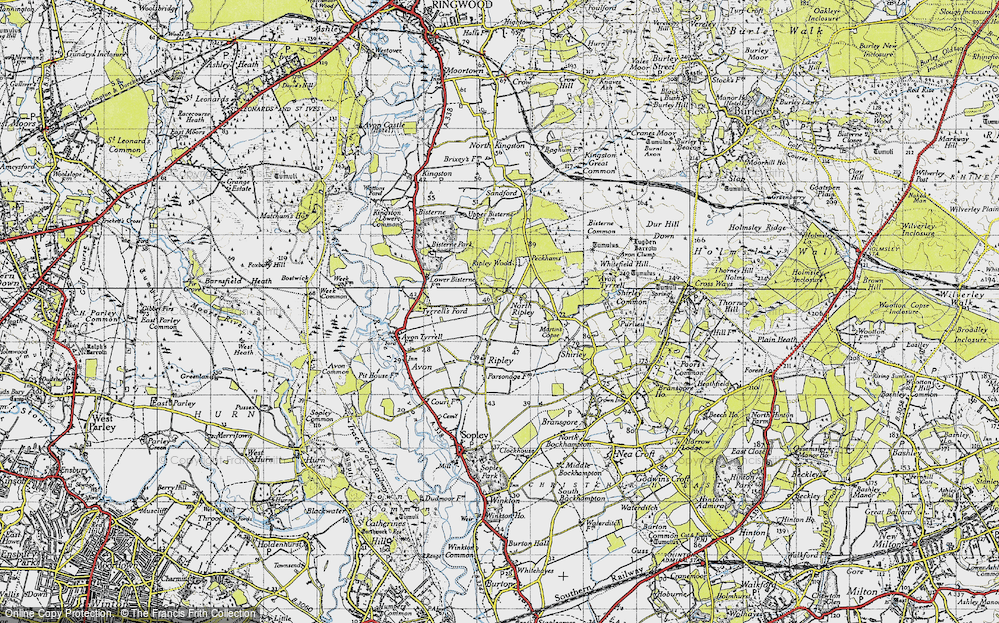
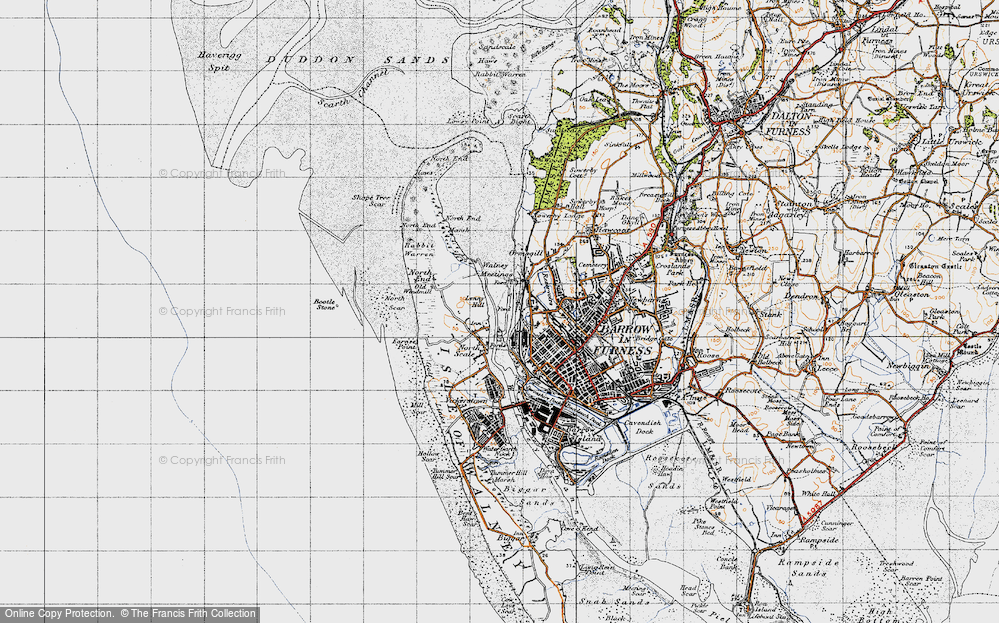
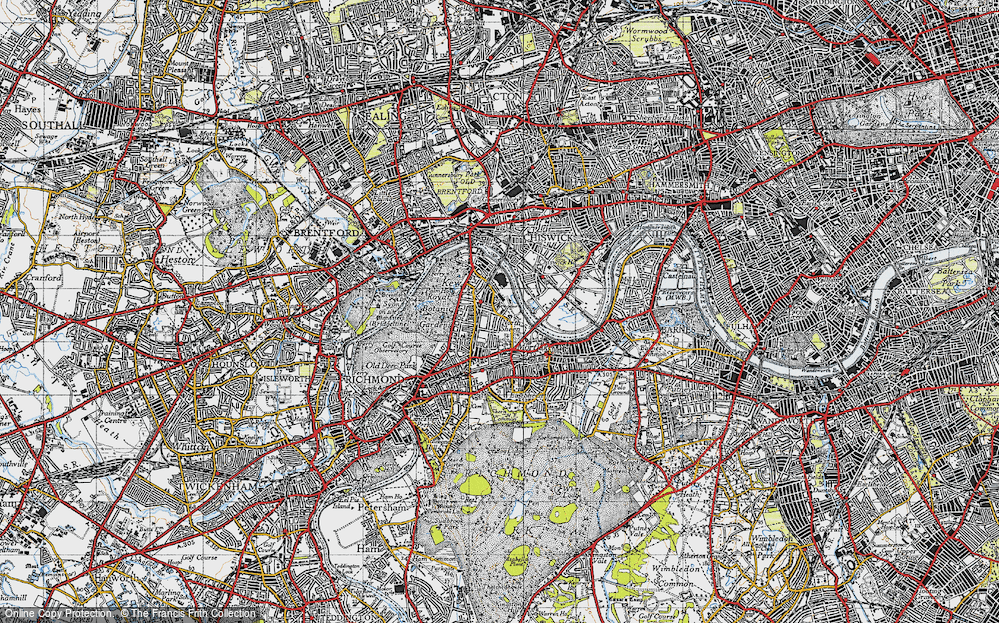
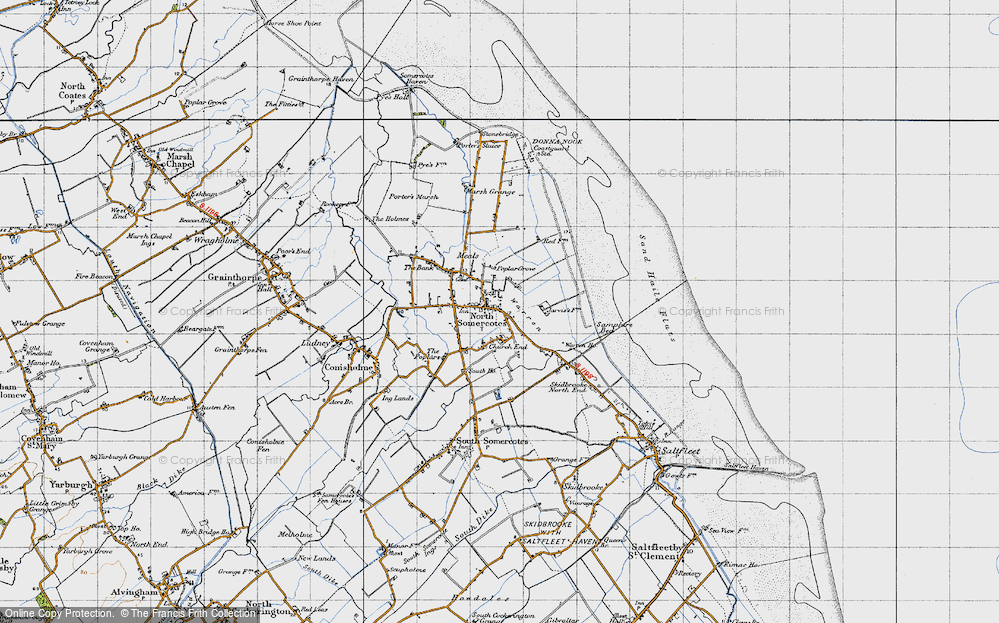
9,582 maps found.
Books
Sorry, no books were found that related to your search.
Memories
4,597 memories found. Showing results 381 to 390.
Evacuee From London
Dear Sir/Madam. I am at present researching my childhood days at 86,Easton Street Boys Hostel, High Wycombe. I do remember walking to school with other boys alongside the Wye River. The name of that school escapes my ...Read more
A memory of High Wycombe in 1949 by
Monson Road Laundry
From 1964 to 1968 I worked many of my school holidays at the laundry in Monson Road. I earned 2 shillings an hour at first, but by 1968 was making four bob. It was hard work. We dealt with those endless roller towels that they ...Read more
A memory of Redhill in 1964 by
Sileby My Early Life
I was born in Mountsorrel 1938 and soon moved to Sileby 10, Mountsorrel Lane with my mother Mabel Foukes [nee Burton]. My father Thomas was in the army and my mum worked at Newbold Burton and Lawson Ward. I remember convoys of ...Read more
A memory of Sileby in 1940 by
June 2011
Well, I did visit Clements Hall last spring/summer 2011, after not seeing C.H in about fifty years ago. We parked at the keep fit-gym club and as soon as I got out of the car I turned around and saw the the playing field, known then as ...Read more
A memory of Hockley in 1960 by
Annie Bell From Devonshire Street
I'm trying to find my Grandma's grave, can anyone help please? She was Annie Bell (nee Robson) and lived at 61 Devonshire Street in 1951. She was 50 when she died on 6 February, 1951 and had chronic bronchitis ...Read more
A memory of Gateshead in 1951 by
Marsala Road Ladywell The Prefabs
I was only a few months old when our family moved to 122 Marsala Road, Ladywell in 1949. I was ten years of age when we moved from Ladywell to Dartford in August 1959 but there are many different and varied ...Read more
A memory of Lewisham in 1958 by
Market Days
I remember the various market stalls well, and the market cafe where you could be a greasy bacon cob, and a well stewed tea from the giant tea pot ! I used to buy a bundle of nylon stockings from a stall on the town hall corner. There ...Read more
A memory of Worksop in 1966 by
Prefabs Alexander Avenue
I lived with my parents John and Rhoda Mcgonigle and my elder brother Joe at 1, Alexander Drive and remember the sweet shop. We used to live next door to Mr and Mrs Dale who had a daughter Pearl. My parents ...Read more
A memory of Wishaw in 1960 by
Perivale
I worked at a textile mill called Sewing Silks in Perivale Avenue from 1957 to 1960, the compnay had been a German one until the Second World War when it was taken over by an Austrian manager whose son was an RAF ace I believe. It was ...Read more
A memory of Perivale in 1957 by
Petworth Mill
My grandparents Hylands live in the millhouse at Petworth. When I was a child, after moving from a farm at Sutton my grandad Bill worked for the mill driving a flour lorry and nan Olive used to sell tickets to men wnting to fish ...Read more
A memory of Petworth in 1970 by
Captions
1,652 captions found. Showing results 913 to 936.

More had to give both Melplash and his favourite daughter to Lord Paulet, who interceded with the king on his behalf in search of a pardon.
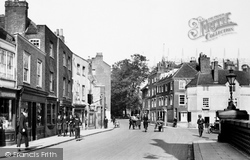
On the Buckinghamshire bank (since 1974 in Berkshire) Henry VI's great foundation, Eton College, has rendered this another 'company town'.
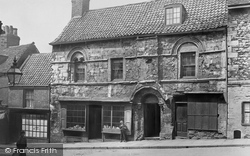
The Jew's House is another of Lincoln's surviving early medieval stone houses: the city has more than most.
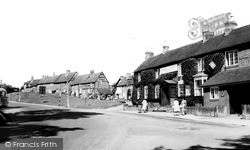
It was in another of the town's inns, The Kings Arms, that Sir Walter Scott did the preparatory work and outline for his classic novel 'Kenilworth', set during the period of the last building phase
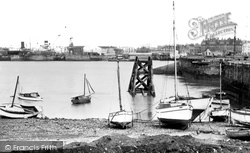
Both Bute East and West docks neared closure. West finally succumbed in 1964 with East surviving a further six years.
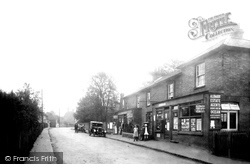
The tea-room beyond with, curiously, a weighing machine on the pavement outside is no more, and another estate agent's premises now occupies this space.
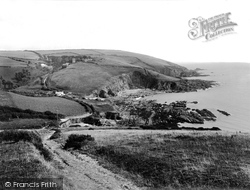
This was yet another popular spot with smugglers, who often ensured the silence of the local parson with the odd cask of brandy.
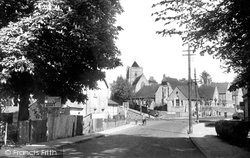
Two other brothers who died within two months of one another are also commemorated. Behind the photographer lies Muster Green, the site of a Civil War battle.
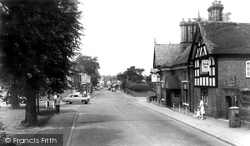
This is another town that now serves largely as a dormitory town to both Birmingham and the Black Country, and also to the new town of Telford.
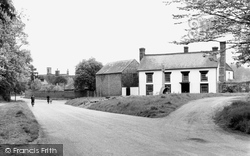
On the green is the war memorial. Next to the house is a flint barn, and to the left is another old farmhouse.
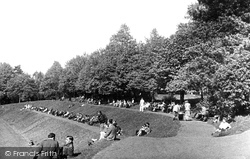
This is another view of the same cricket match. The two men in the foreground are wearing military uniforms and are engrossed in conversation.
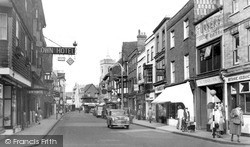
The old Crown Hotel is soon to close and be turned into another High Street shop.
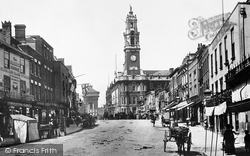
A year after photograph 47650, the photographers returned to take another view looking west towards the New Town Hall.
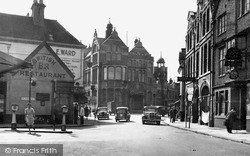
The library has since moved to another site, and this building is now used by Stourbridge College.
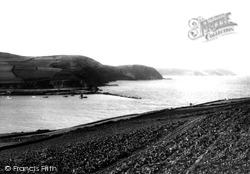
We can also see the remains of the breakwater, which by 1870 had become the subject of a wrangle between Tynwald and the Imperial Government that was not resolved until 1879.
The house has now gone, and the bridge has been replaced by another. This photograph was taken in Lower Monk Street near the weir in Swan Meadows.
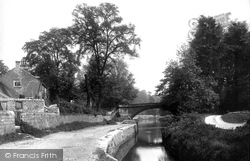
with a brass plate on it on which the following was inscribed: 'Whoso is hungry, and lists well to eat, Let him come to Sprotbrough, for his meat, And for a night and for a day, His horse shall have both
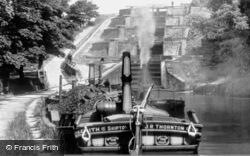
Taken a few years after photograph 34748, this splendid view shows both flight and boats. The furthest boat is a steam-powered tug, which will move the immaculate coal-laden barge.
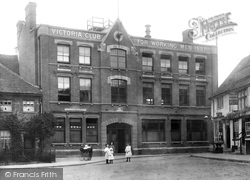
The Victoria Club for Working Men in the west corner of Kingsbury is another benefaction from the Rothschilds, in this case Baron Ferdinand of Waddesdon.
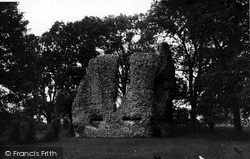
King John ordered new kitchens to be built both here and at Marlborough. 'In each kitchen shall be made a hearth for the cooking of two or three oxen'.
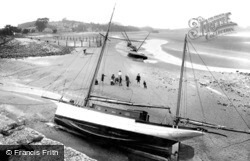
The Ulverston Canal was opened in 1796 to connect the town with the Leven Estuary, and to enable trade, both exports and imports, to be increased.
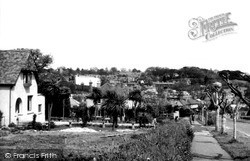
The bypass on the south side of town was opened in 1926; it was much needed to relieve the narrow streets of both local china clay and through traffic.
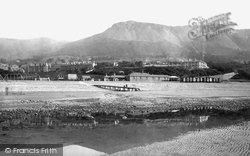
The prosperity of the North Wales coastline grew steadily during the 19th and early 20th centuries.
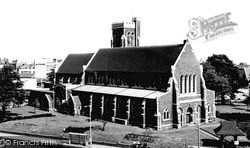
Here we see another reconstructed church, this time the responsibility of the Luftwaffe.
Places (0)
Photos (12)
Memories (4597)
Books (0)
Maps (9582)