Places
Sorry, no places were found that related to your search.
Photos
Sorry, no photos were found that related to your search.
Maps
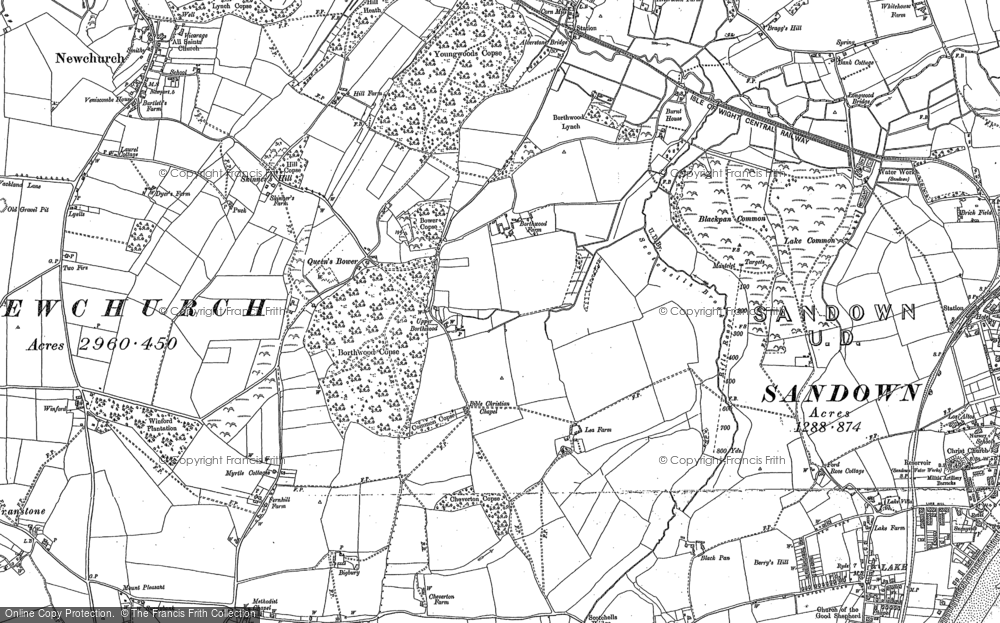
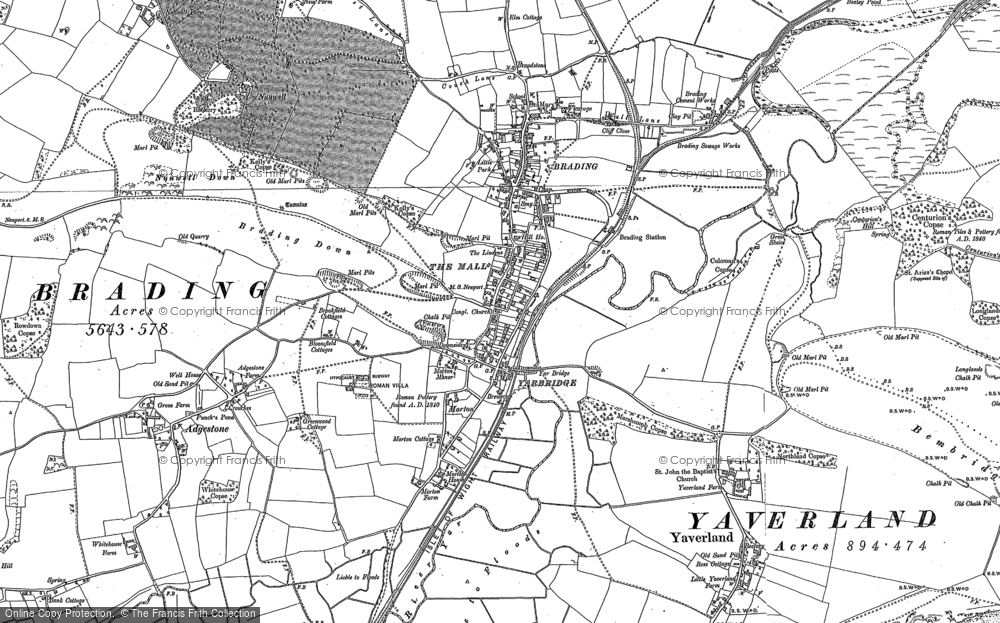
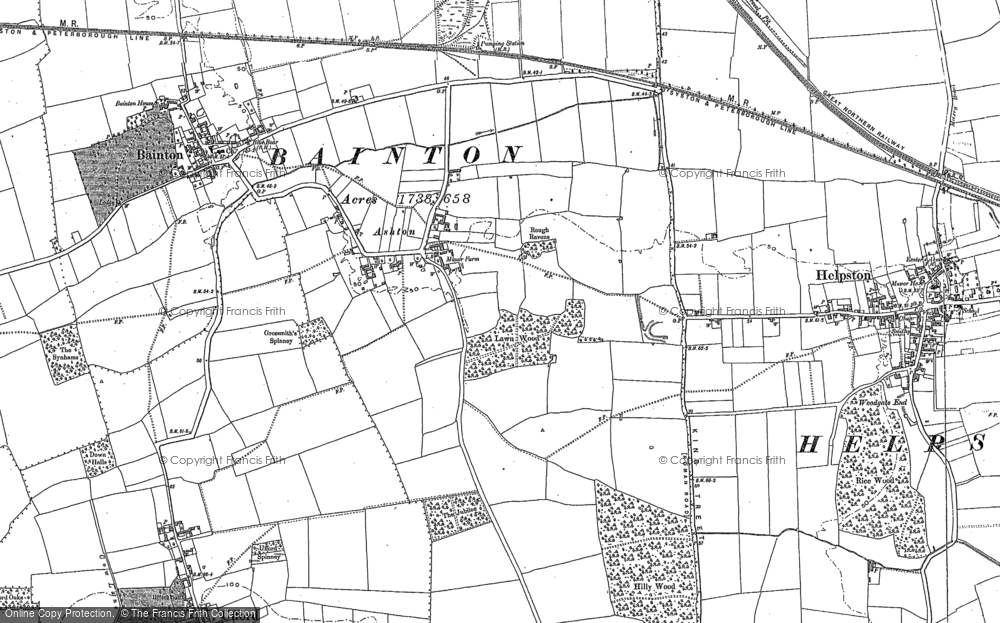
7,034 maps found.
Books
163 books found. Showing results 2,401 to 2,424.
Memories
22,912 memories found. Showing results 1,001 to 1,010.
Working At The Coop Store.
This used to be a very busy street, with the Coop Store, butchers and the office at the back of the butchers, also the coal yard at the back. I worked at the Coop 1957 to 1963, very happy times. In the winter, the ...Read more
A memory of Moulton in 1957 by
Hydecroft (House)
My grandfather was born at his family's home, Hydecroft, which I gather must have been quite a sizeable affair (advertised later as having 8 bedrooms, 28 acres including a tennis-court). I can find no record of it now, but does anyone have any family records or memories of it?
A memory of Lowfield Heath in 1880
Vindicatrix
I remember the nurse, she was called Codine Anne - you got that tablet for everything. We went to the Berkley gospel hall Sundays. We got tea and sandwiches and that was a luxury. Being at the sea school I had food parcels from ...Read more
A memory of Sharpness in 1956 by
Games We Played
Kick the can, blocky, true dare, will, force, cant tell,or promise, I think it went something like that. I can't remember the game but we used a word 'skinch' that meant you where neutural or something like that. I was talking to my ...Read more
A memory of Crook
Collingwoods
Does anyone know anything about - or even remember - Mary Collingwood? She lived at "Beck Side" and was the Postmistress for a number of years. She lived with her mother Eliza until her death in 1917. Mary herself died in 1949 aged ...Read more
A memory of Ainstable in 1940 by
Memories Of Salford 7
I was born in Hope Hospital in 1946 and lived at number 2 Arm Street, Salford 7. I went to Grecian Street school and every Sat. me and my friends used to go to the Tower picture house - it was 6p to get in and 3p for an ...Read more
A memory of Salford in 1950 by
Holidays In Salford.
Used to love going on holiday to Salford, yes, Salford as far I was concerned it was the greatest place ever when I was a nipper. My dad was a Salford lad born and bred, my gran stayed at number 6 Derby Street, first house on ...Read more
A memory of Salford in 1960 by
Searle The Boatbuilder
In the row of cottages on Pill Creek mentioned by Malcolm Macmeikan lived "old Searle" who built small boats in a shed on the quay on the opposite side of the creek. At age 11 or 12, I painted one of them, a rowing boat ...Read more
A memory of Feock in 1930 by
East View And Munich
I lived at East View, Number 31 with Edgar and Myfannwy Howells from 1955 onwards. They were my aunt and Uncle. They looked after me when my parents died when I was 5 years of age. East View was a great street to be brought up ...Read more
A memory of Bargoed by
Mendip Road And Mendip Cresent
Me and my brother Ken lived at number 36 Mendip Road and went to Eltringham Street School. We would love to hear from anybody who lived in the street and Mendip Crescent. We still live in Battersea and Wandsworth ...Read more
A memory of Battersea in 1950 by
Your search returned a large number of results. Please try to refine your search further.
Captions
9,654 captions found. Showing results 2,401 to 2,424.

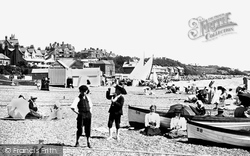
By this time, Felixstowe was at the height of its popularity as a seaside resort, with its south-facing beach.
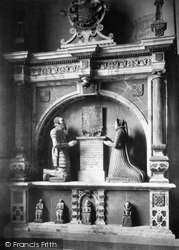
Dorothy Vernon lived at Haddon Hall during the 16th century and eloped with John Manners, the son of the Earl of Rutland.
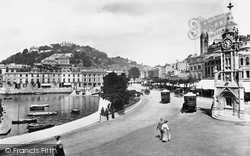
The harbour was at that time still the preserve of local fishermen, but today the area is monopolised by pleasure craft and luxury yachts.
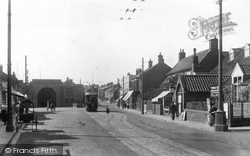
The streets are deserted, so everyone must be down at the beach enjoying the sun and sea breezes.
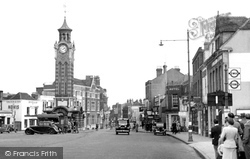
A final view of Epsom town, with its wide High Street and only a little traffic. The clock tower, with public lavatories at its base, was about 100 years old when this picture was taken.
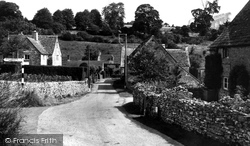
Just along the road from Duntisbourne Abbots is the village of Duntisbourne Leer, named after the great Normandy Abbey at Lire which once owned the manor.
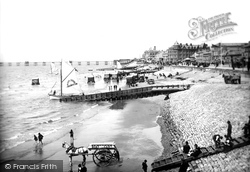
As well as portable gangways, boat-carts were also used to get trippers to and from the sailing boats.
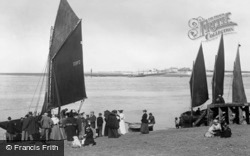
Visit any resort where there are fishing vessels and you will be sure to find plenty of onlookers. In the distance is the landing stage at Knott End-on-Sea.
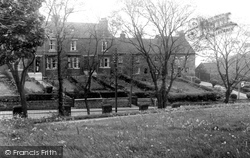
Opposite the parish church are to be found a row of late Victorian houses known as Britannia Terrace, characterised by their bay windows and long front gardens.
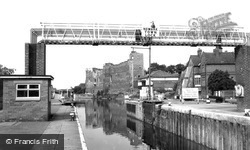
Town Lock is one of two mechanised locks; the other is Newark Nether Lock at the northern end of the branch.
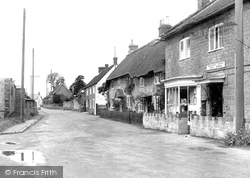
This village sprawls around the lanes of the surrounding countryside of the Blackmoor Vale as though not quite sure where it wants to be.
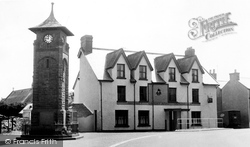
At one time there was certainly no drinking after hours here because both the landlady's daughters were policewomen.
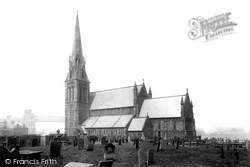
The church, large enough to hold over 1,000 people, was built in the 1840s at a cost of £8,052. It was designed by Anthony Salvin and built using stone from the nearby Runcorn Hill quarries.
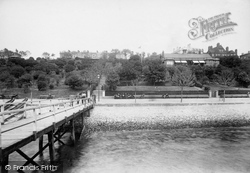
The wooden jetty on the left would have been used at high tide.This photograph was taken long before the widening of the promenade.
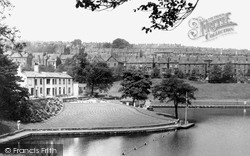
The lake at Crookes Valley Park is in fact one of Sheffield's older reservoirs, converted for use as a boating lake and for fishing.
This village sprawls around the lanes of the surrounding countryside of the Blackmoor Vale as though not quite sure where it wants to be.
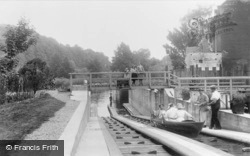
Whilst the lock alongside is teeming with boats, a small skiff makes its way up the elevator to the upper river level. The sign indicates that this will close at 9pm.
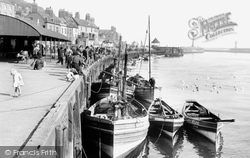
Visitors come here even today to look at the catches brought in by Whitby trawlers.
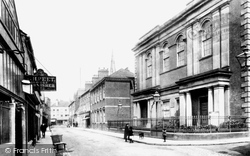
The Wesleyan church on the right dates from 1844, and is typical of the big town chapels at that time.
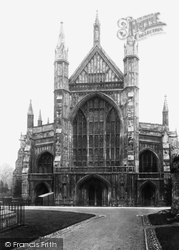
Buried in the Cathedral is Izaak Walton, author of 'The Compleat Angler', who died at his son-in-law's house in the Cathedral Close in 1683.
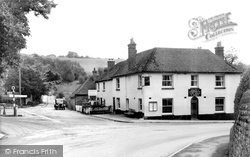
An old coaching inn on the Emsworth to Harting road, which sold Henty and Constable's ales at the time of the photograph. The Inn is still trading. The scene today is little changed.
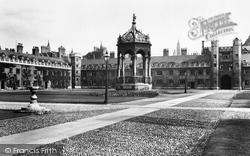
The fountain in the centre was built at the beginning of the 17th century by Italian craftsmen.
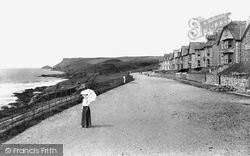
This fine Edwardian terrace, with its breathtaking views, would not long have been completed when this photograph was taken. It stands at the top of the low cliffs visible in photograph No 86689.
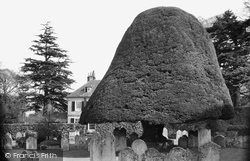
An ancient yew tree shows the antiquity of many a country churchyard. Yew was used in the manufacture of the traditional English longbow, which turned the tide of battle at Crecy and Agincourt.
Places (0)
Photos (0)
Memories (22912)
Books (163)
Maps (7034)