Places
6 places found.
Those places high-lighted have photos. All locations may have maps, books and memories.
Photos
Sorry, no photos were found that related to your search.
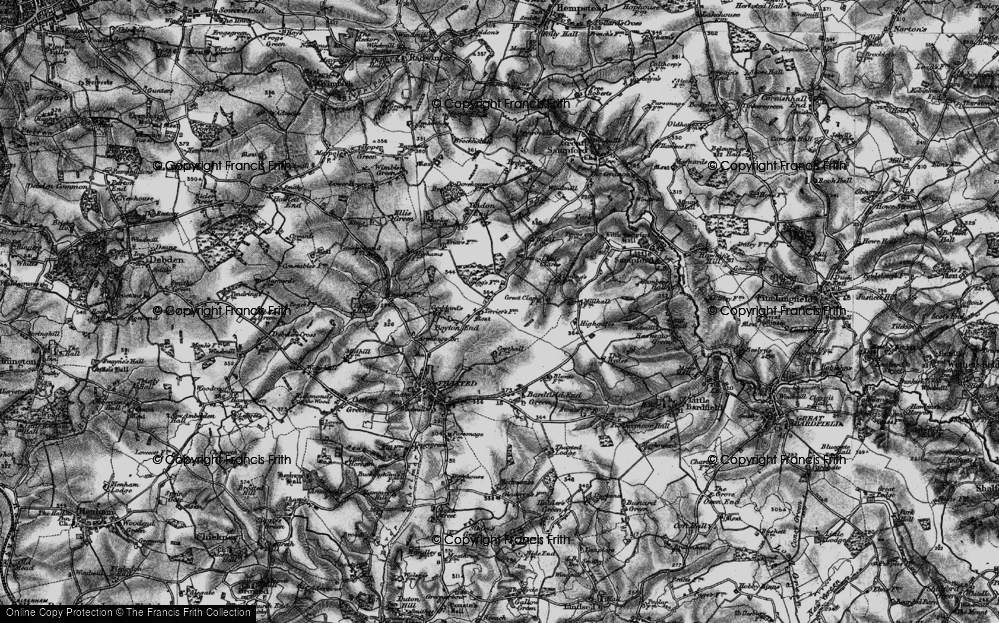
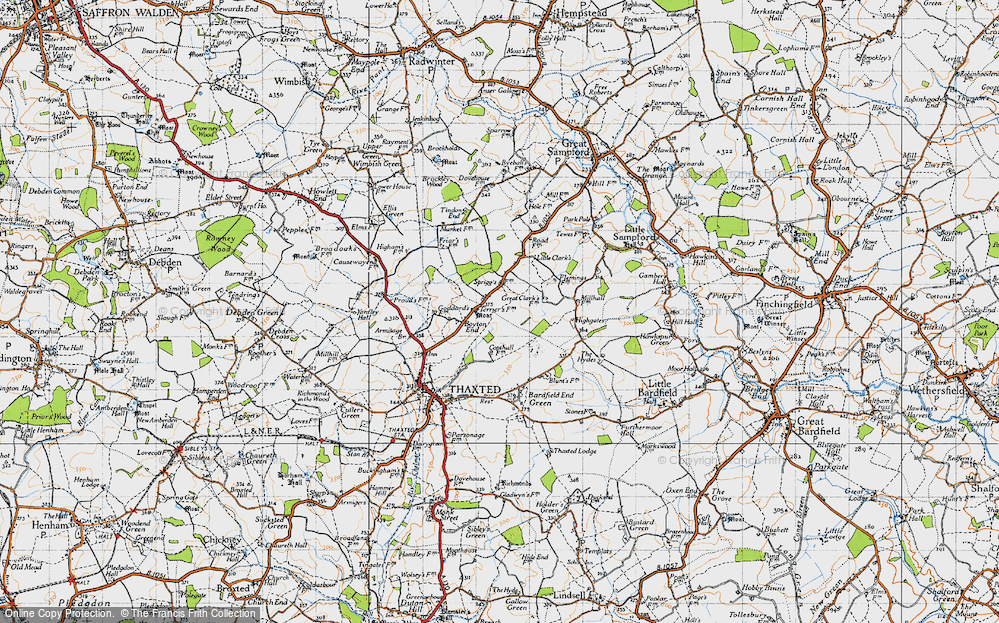
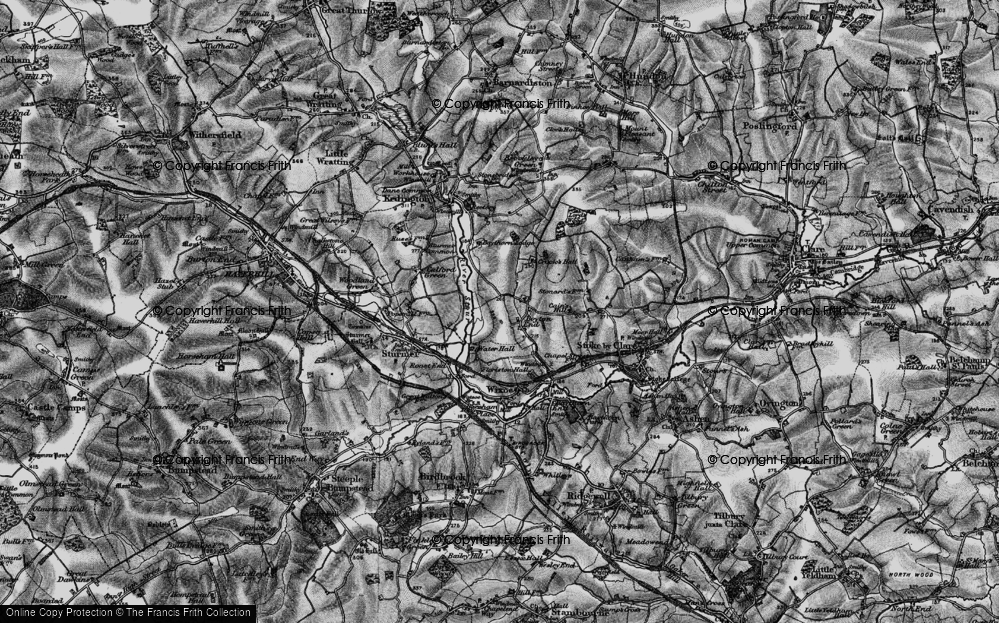
Maps
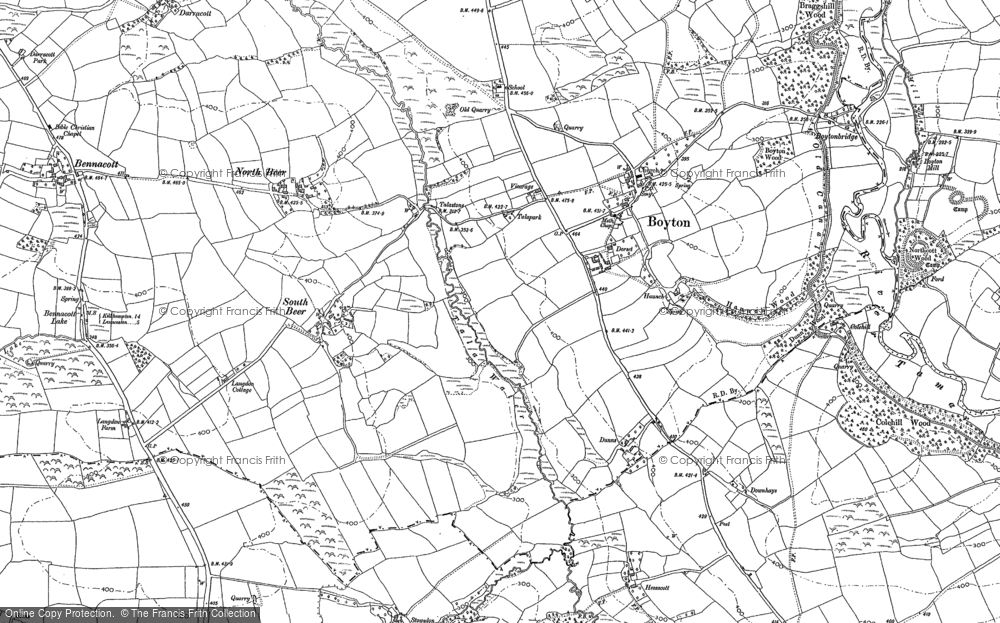
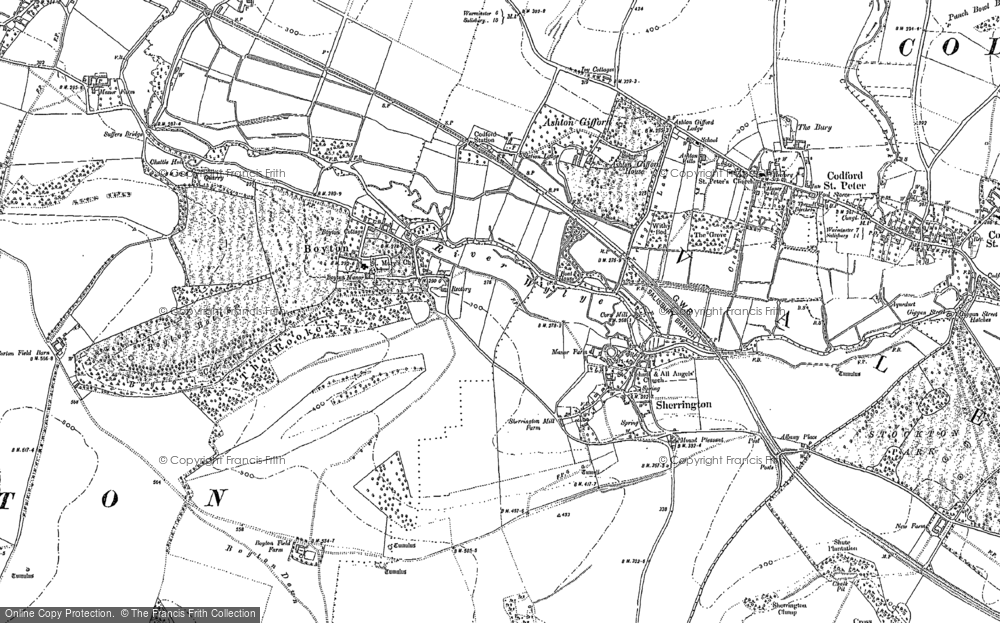
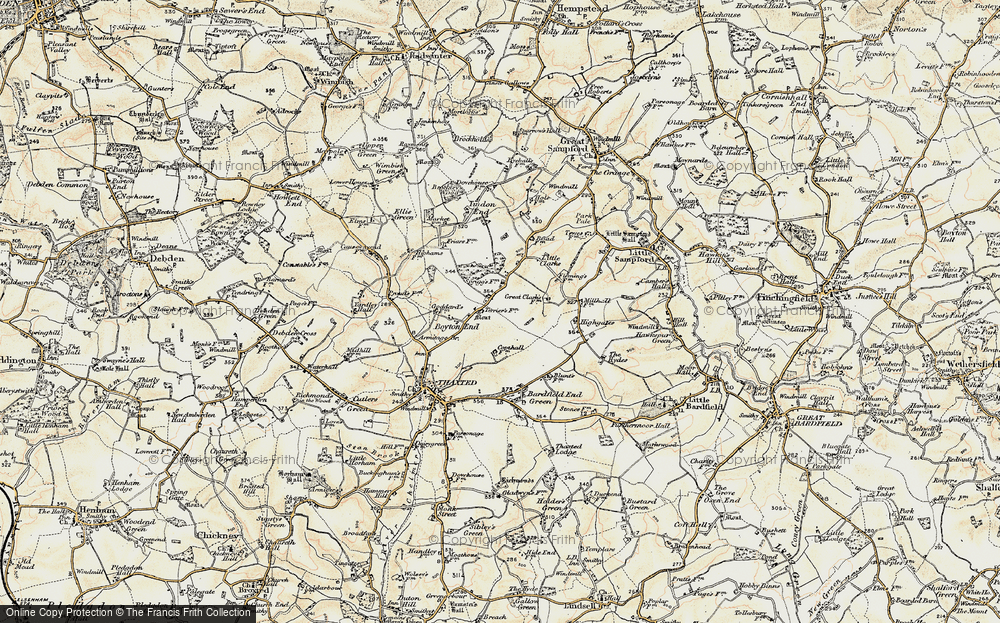
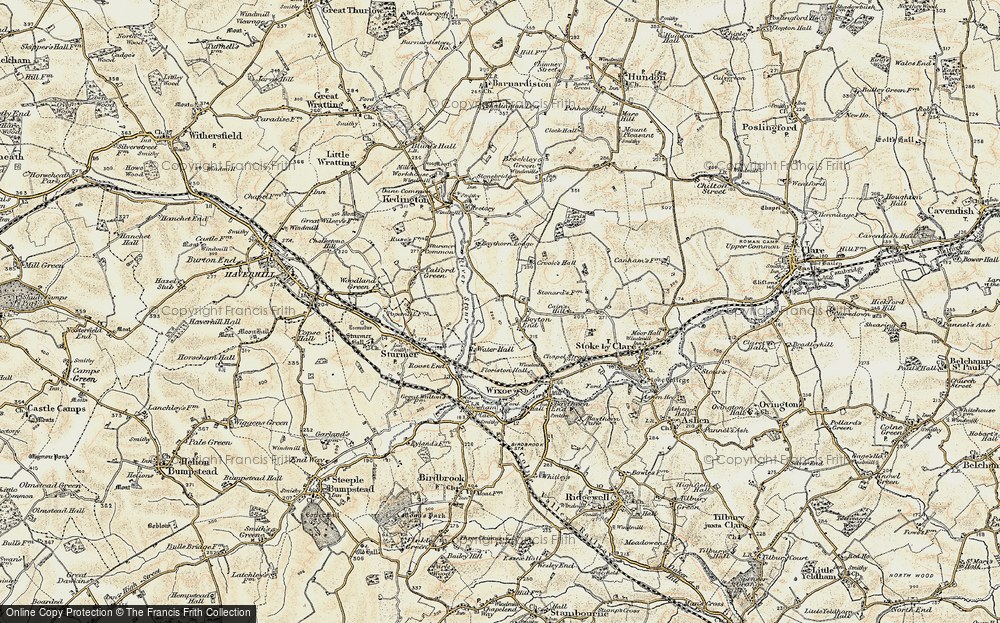
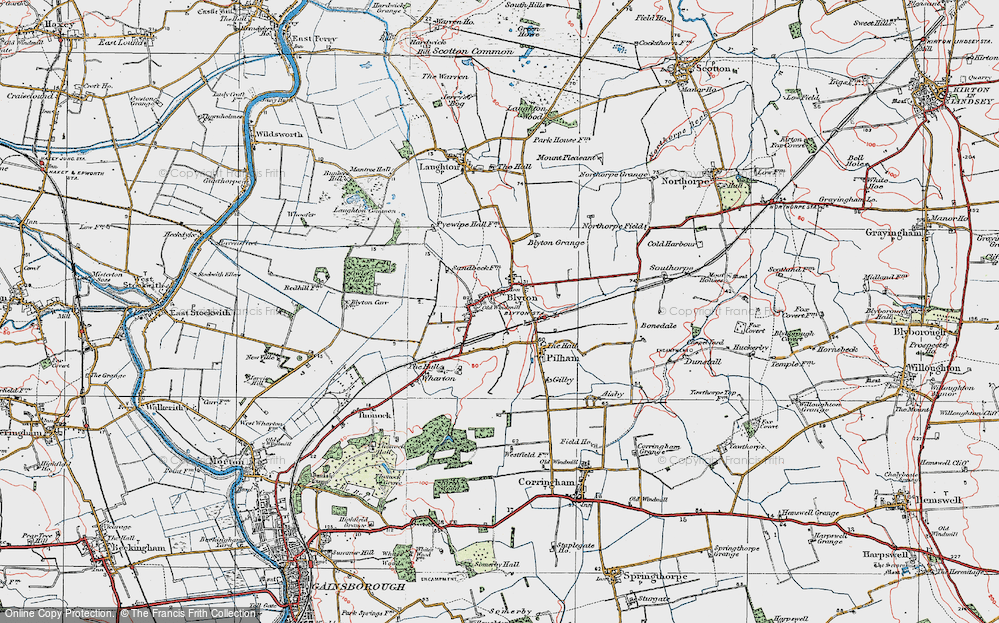
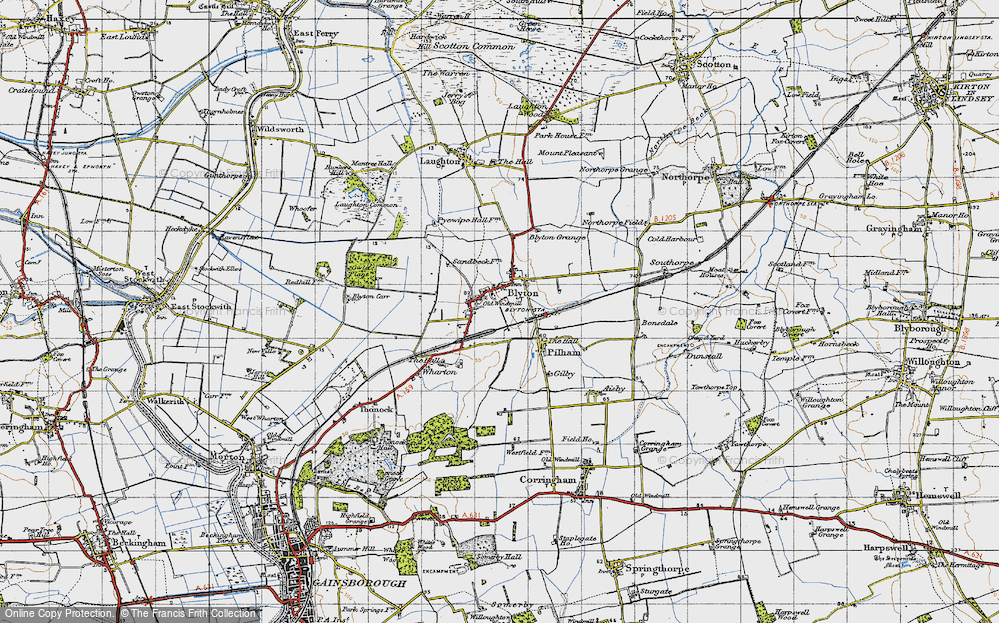
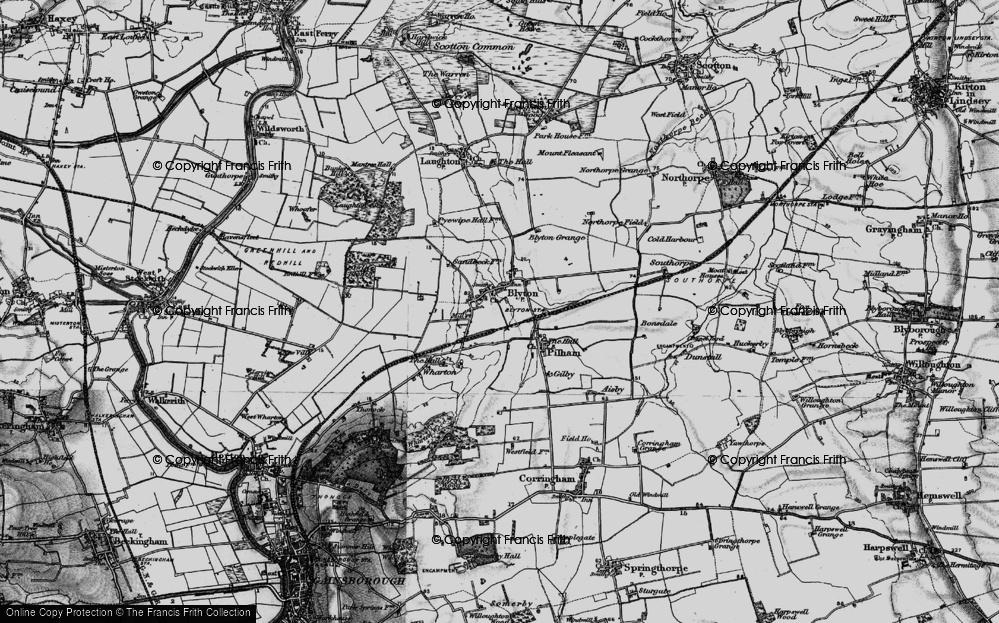
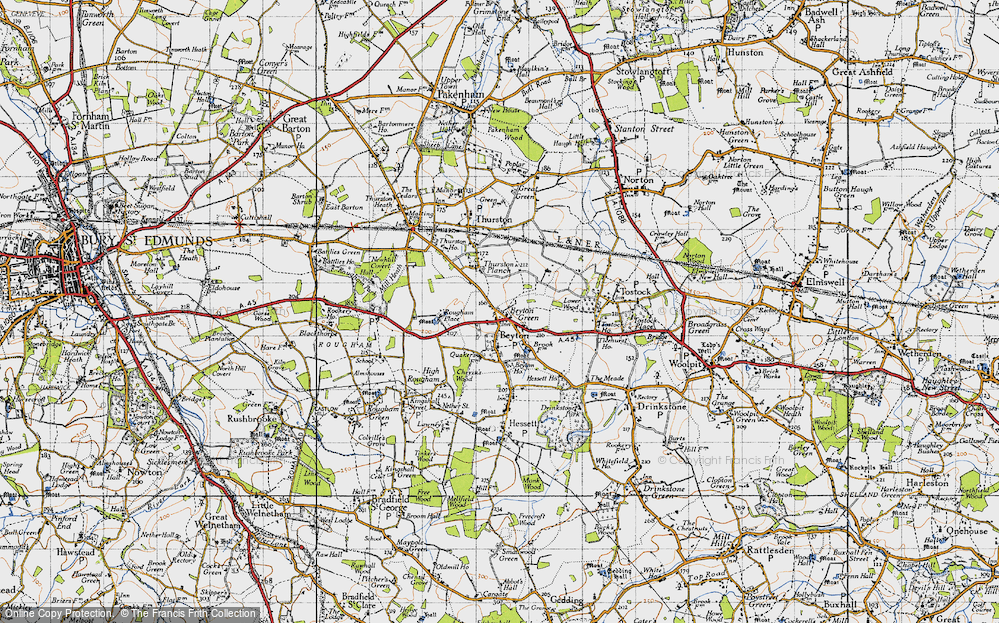
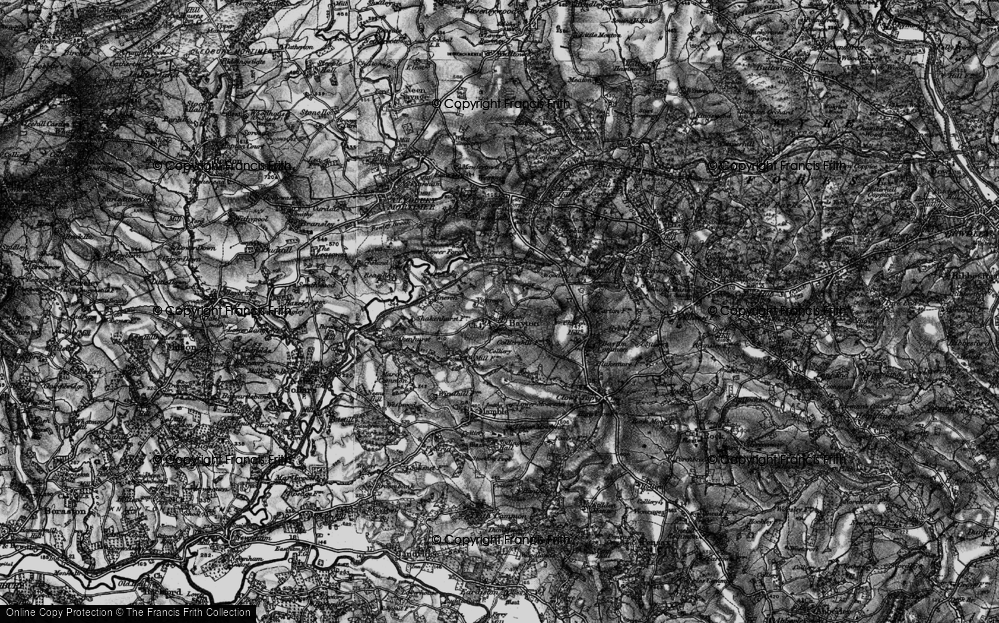
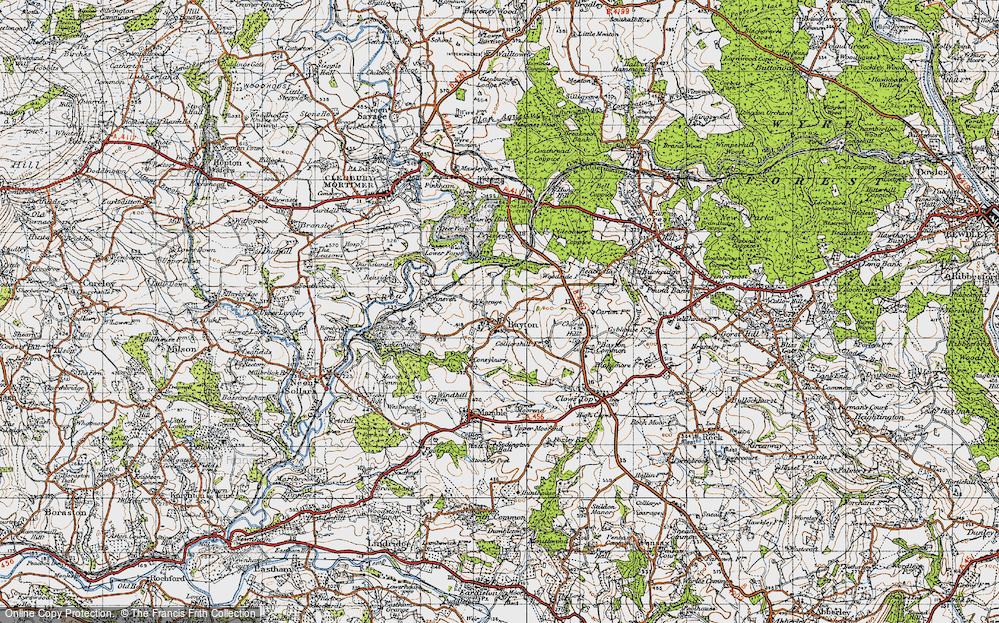
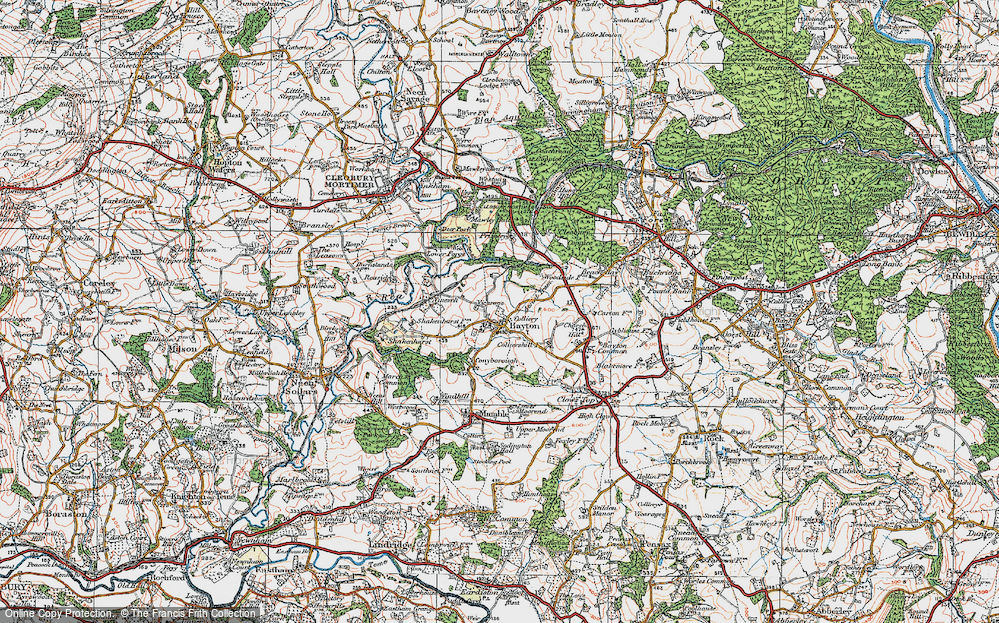
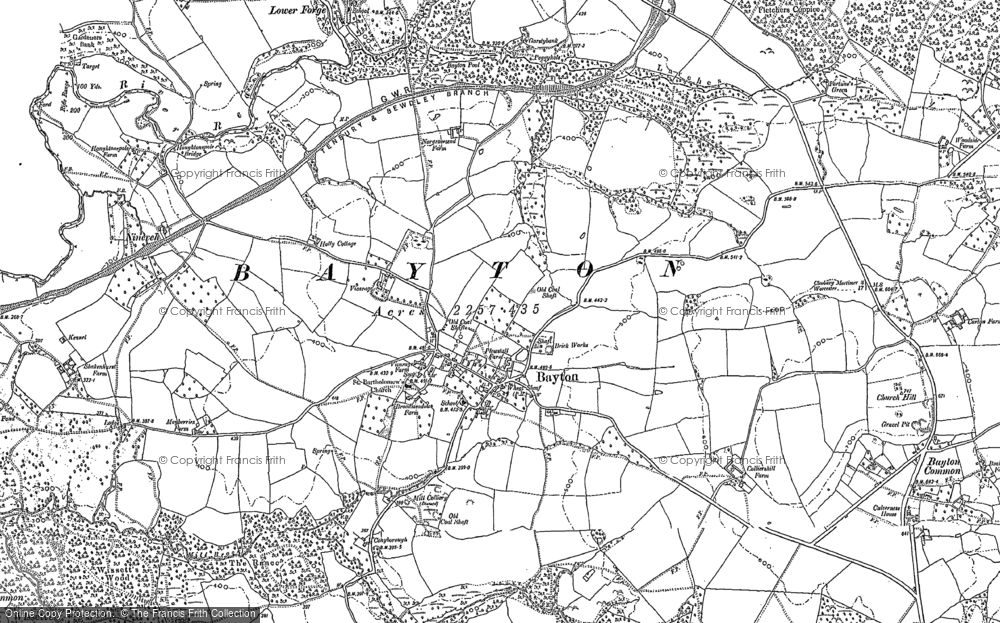
360 maps found.
Books
Sorry, no books were found that related to your search.
Memories
141 memories found. Showing results 11 to 20.
Great Memories Of This Area
Really it was 1961-66. I worked as a Geologist for the United Steel Companies based in Rotherham. I visited Haile Moor and Beckermet Mines every two or three weeks for 5 years and came to love the area and its people ...Read more
A memory of Thornhill in 1961 by
Motorboats
My parents had a caravan in Heachem and as children we used to visit Hunstanton all the time. My fondest memory was the motorboats. I used to feel very grown up driving the boat on my own under the little bridge. It probably wasn't as big as I remember but was the highlight of my holidays.
A memory of Hunstanton in 1880
The Shakey Bridge
My mother left Yorkshire with me in 1945 when I was four years old. She worked for a Mrs Curzon at Arrochar house in Rothiemay as a cook and general help. I think the owners were titled people. I remember ...Read more
A memory of Rothiemay Crossroads in 1945 by
History Of Netherthong
I am currently researching and writing a history of Netherthong and I have well over 200 photos and other ephemera. I have started numerous chapters relating to such subjects as schools, parish council, churches, sport, ...Read more
A memory of Netherthong in 2010 by
Sunny 1950''s Sunday Mornings
I have many memories about the old St Mary's Church. Until I started thinking of them I realised that I have not got one involving a rainy day apart from when my Grandad was buried in the churchyard. He was ...Read more
A memory of Clayton-Le-Moors in 1954 by
Where I Was Born
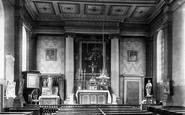
My Beginning, at Sole Street near Cobham Kent. (9th March 1946 - 2nd January 1951) I was born on Saturday March 9th 1946 at 3.29pm at Temperley, The Street, Sole Street, Kent. I was delivered at home by the ...Read more
A memory of Sole Street in 1946
Re: Davis Family History
Hi Linda, Not sure how my tree links in with yours but I am also descended from a Davis family that I have traced back to Inkberrow. So far I have gone back to a John Davis born 1808, who was a farmer working on Priory ...Read more
A memory of Feckenham by
Daneswood Convalescent Home 1958/9
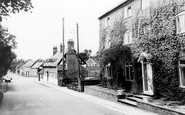
I was a pre - Nursing student at Daneswood for two years. I hailed from Bolton, Lancashire and it was my first time away from home and town. I fell in love with Woburn Sands and enjoyed my time at Daneswood, ...Read more
A memory of Woburn Sands in 1958 by
Aspull Born And Bred
I was born in Bolton Road, Aspull. I started at St Elizabeth's School when I was four and a half. Didn't have far to travel - just cross the road (no cars then) and walk 10 yards and I was there. First day was with my gas-mask ...Read more
A memory of Aspull
When We Were Kids
When we were kids in Fishcross we used to go fishing most weekends, play in the woods, go to the Dam, climb and fish the Ochill Hills, Tooks Pond for eggs, go to the pictures etc. I knocked about with Charlie and John Bradley, ...Read more
A memory of Fishcross in 1948 by
Captions
76 captions found. Showing results 25 to 48.

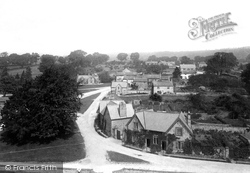
Holy Trinity church contains a Saxon cross, found in the 19th century, and the Bolton family pews, which came from the theatre in London's Drury Lane.
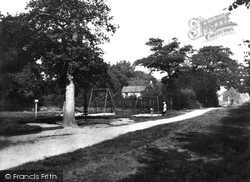
No one is certain about the origin of this strange name, except that it has nothing to do with Enid Blyton.
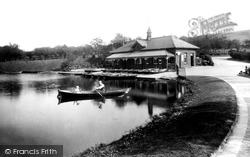
Here we see an almost deserted Queen's Park, with just one customer for a rowing boat on the park's lake. The park opened on 20 June 1887 in Queen Victoria's Jubilee year.
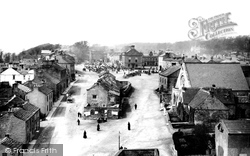
In the 1890s the market rights were still owned by Lord Bolton, the charter having been granted by Charles I. Originally markets were held on a Tuesday, but this was changed to Fridays in 1696.
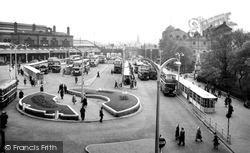
Blackburn had started to expand with the canal age.Then, in 1797, its first turnpike opened, connecting it with Bolton.
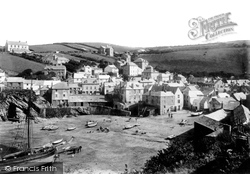
There is a trading boat on the beach, either discharging coal or loading slate.
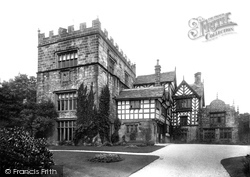
Turton Tower lies four miles south of Darwen, and four miles north-east of Bolton. The villages of Turton and Turton Bottoms are next to the Tower.
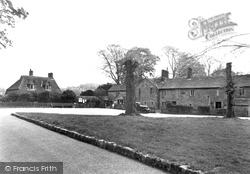
The trees on the green in the estate village of Bolton Abbey at the entrance to Wharfedale had just been subjected to a severe pollarding when the Frith photographer called to take this photograph.
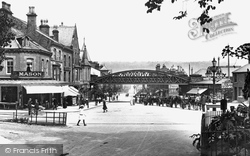
However, when the line was extended to Bolton Abbey (on 16 May 1888) the Midland was in the way, and had to be demolished.
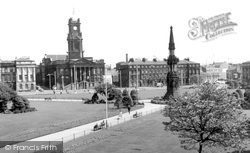
The Town Hall was modelled on that at Bolton, and was completed in 1883, though it was damaged by fire in 1901.
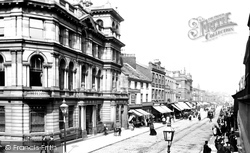
On the left is the imposing bulk of William Deacon's Bank; also along here was the Bank of Bolton, which was later taken over by Barclay's.
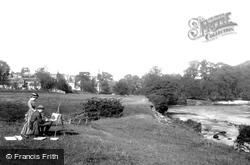
Bolton Abbey is rich in prospects for the artistic eye: there are the stepping stones across the river, the deep green hanging woods, the lively bubbling waters, and the ancient stones of the abbey itself
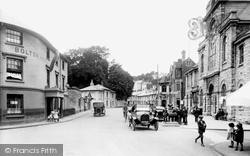
This view shows Bolton Cross on the road to Higher Brixham before it became the traffic-packed road junction it is today.
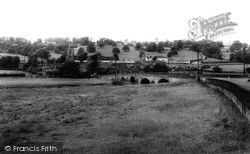
This fine, four-arched bridge over the River Aire at Kildwick, between Keighley and Skipton, was built by the canons of Bolton Priory in the early 14th century.
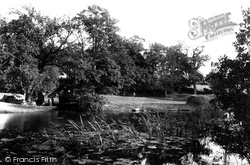
The boat on the left, adjacent to the rather decrepit boatshed, has an awning to protect passengers from the harmful rays of the sun.
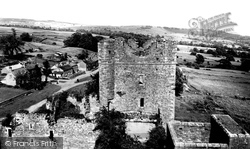
Sir Richard Scope's formidable 14th-century castle at Castle Bolton commands extensive views over his estates in lower Wensleydale, as this view from the castle walls shows.
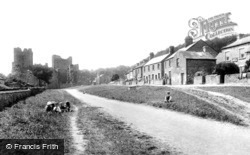
In the background are the ruins of Bolton Castle. Sir Richard Scope's formidable 14th-century castle commands extensive views over his estates in lower Wensleydale.
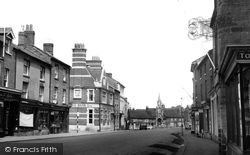
The barbers were Messrs Bolton & Warne, with Bird's the greengrocer's this side and Walker's bakery on the other side.
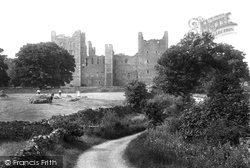
The castle at Castle Bolton was built by Richard, Lord Scrope during the reign of Richard II.
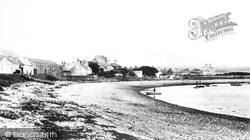
In 1823 John Butcher, a preacher from Bolton, was landed by fishing boat at Derby Haven and brought Primitive Methodism to the island.
Though similar to Bodiam Castle in shape, and designed with a well-defended entrance that featured no less than five doorways and a portcullis at either end, Bolton's principal function appears to have
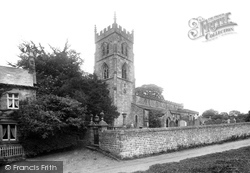
Bolton Hall, where once King Henry VI stayed in hiding, has now gone, but the gateposts can still be seen opposite the church.
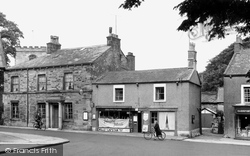
Bolton-le-Sands is perched on a low rise that once overlooked the sea. Its former maritime associations are reflected in the name of the Blue Anchor.
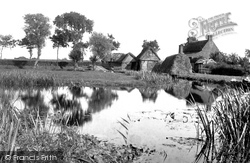
The shallow-bottomed boat on the right is used for transporting the reeds, and finished thatch can be seen on the roof of the cottage and outhouses.
Places (6)
Photos (0)
Memories (141)
Books (0)
Maps (360)