Places
36 places found.
Those places high-lighted have photos. All locations may have maps, books and memories.
- Shanklin, Isle of Wight
- Ventnor, Isle of Wight
- Ryde, Isle of Wight
- Cowes, Isle of Wight
- Sandown, Isle of Wight
- Port of Ness, Western Isles
- London, Greater London
- Cambridge, Cambridgeshire
- Dublin, Republic of Ireland
- Killarney, Republic of Ireland
- Douglas, Isle of Man
- Plymouth, Devon
- Newport, Isle of Wight
- Southwold, Suffolk
- Bristol, Avon
- Lowestoft, Suffolk
- Cromer, Norfolk
- Edinburgh, Lothian
- Maldon, Essex
- Clacton-On-Sea, Essex
- Felixstowe, Suffolk
- Norwich, Norfolk
- Hitchin, Hertfordshire
- Stevenage, Hertfordshire
- Colchester, Essex
- Nottingham, Nottinghamshire
- Bedford, Bedfordshire
- Bury St Edmunds, Suffolk
- Aldeburgh, Suffolk
- St Albans, Hertfordshire
- Hunstanton, Norfolk
- Chelmsford, Essex
- Bishop's Stortford, Hertfordshire
- Peterborough, Cambridgeshire
- Brentwood, Essex
- Glengarriff, Republic of Ireland
Photos
11,145 photos found. Showing results 18,081 to 11,145.
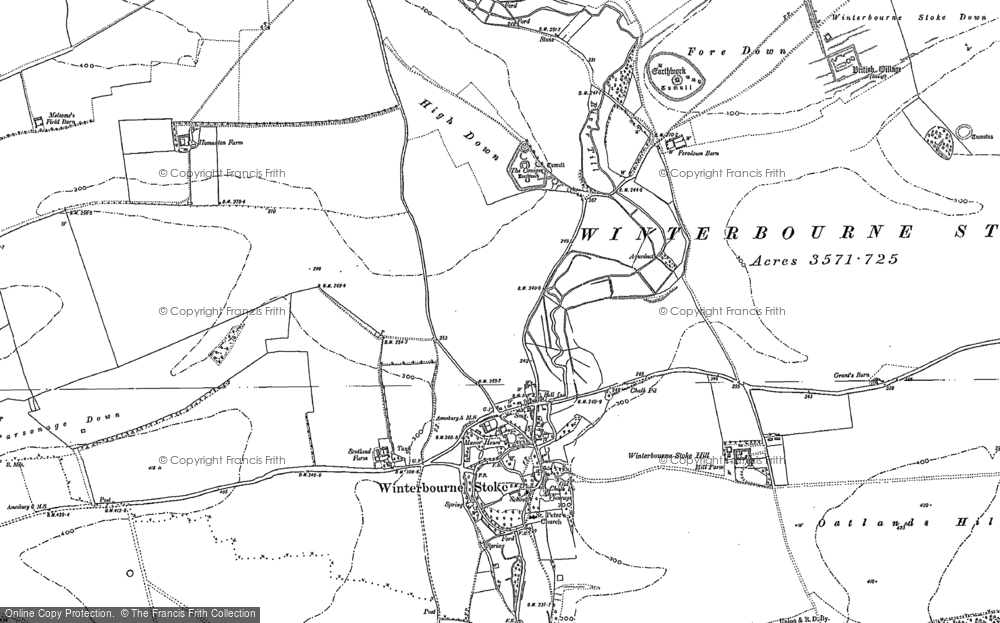
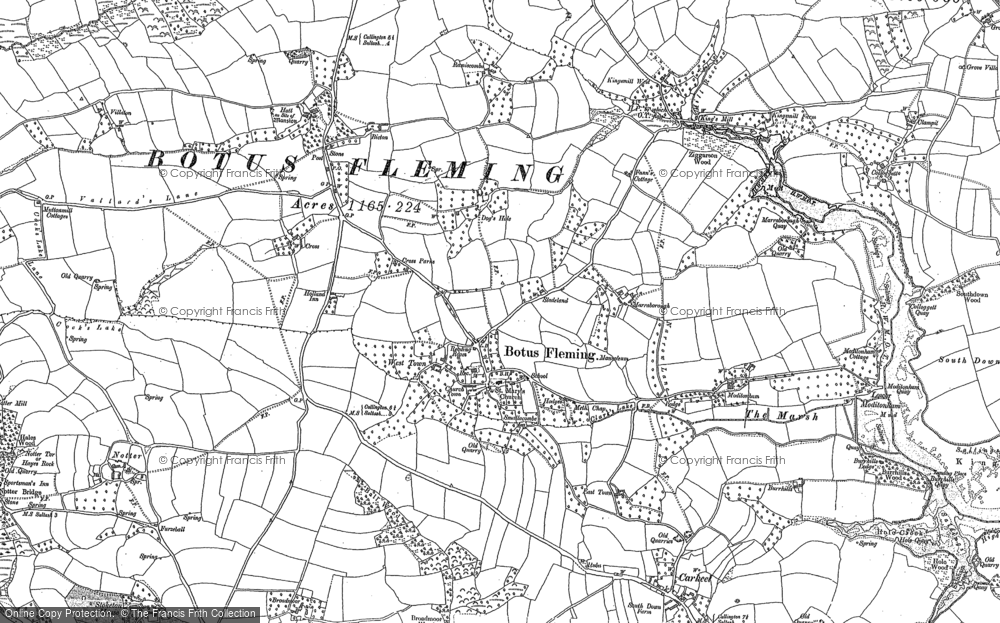
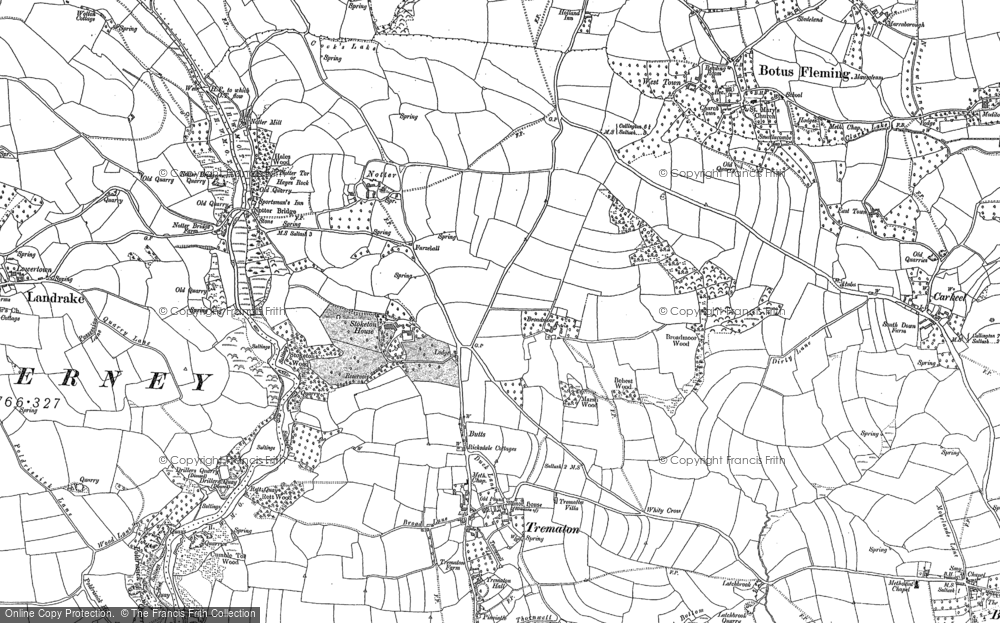
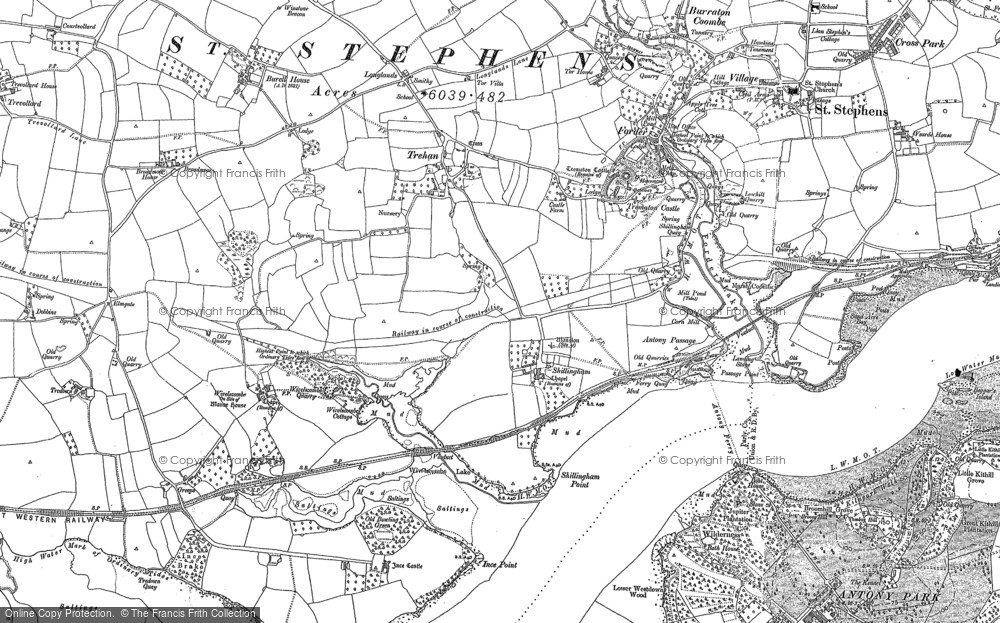
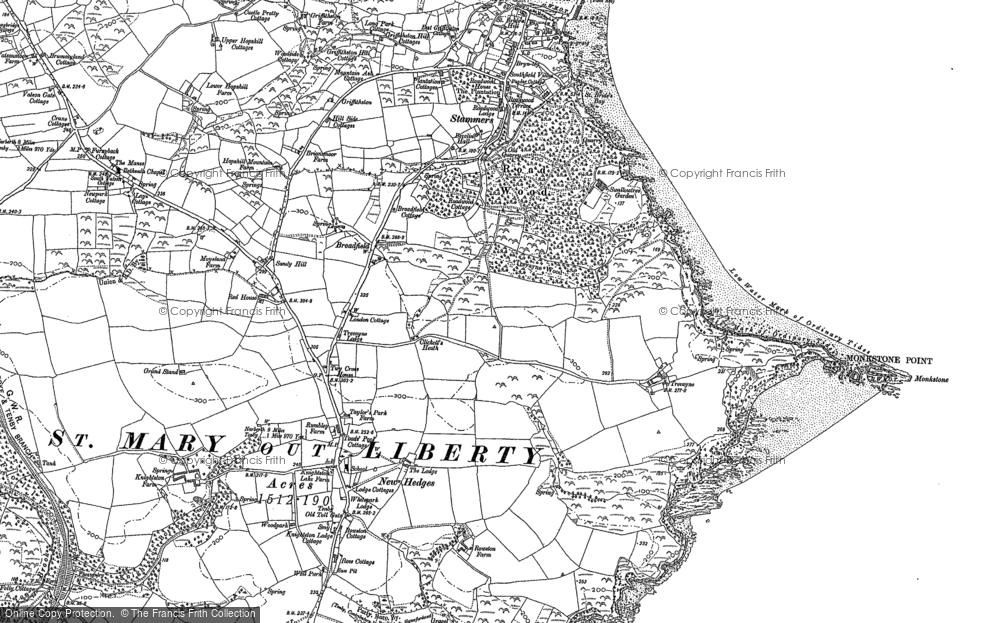
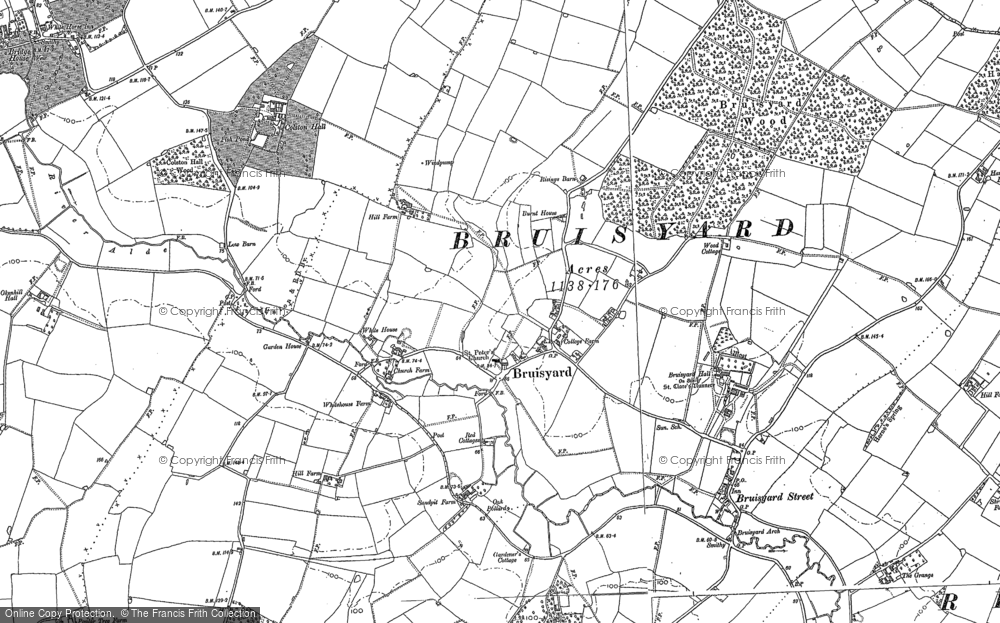
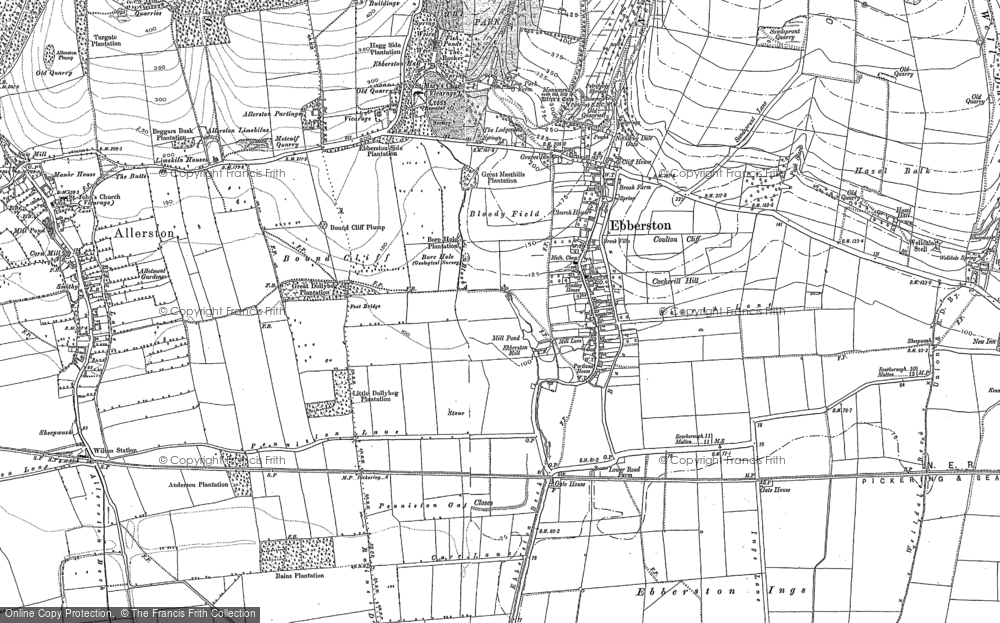
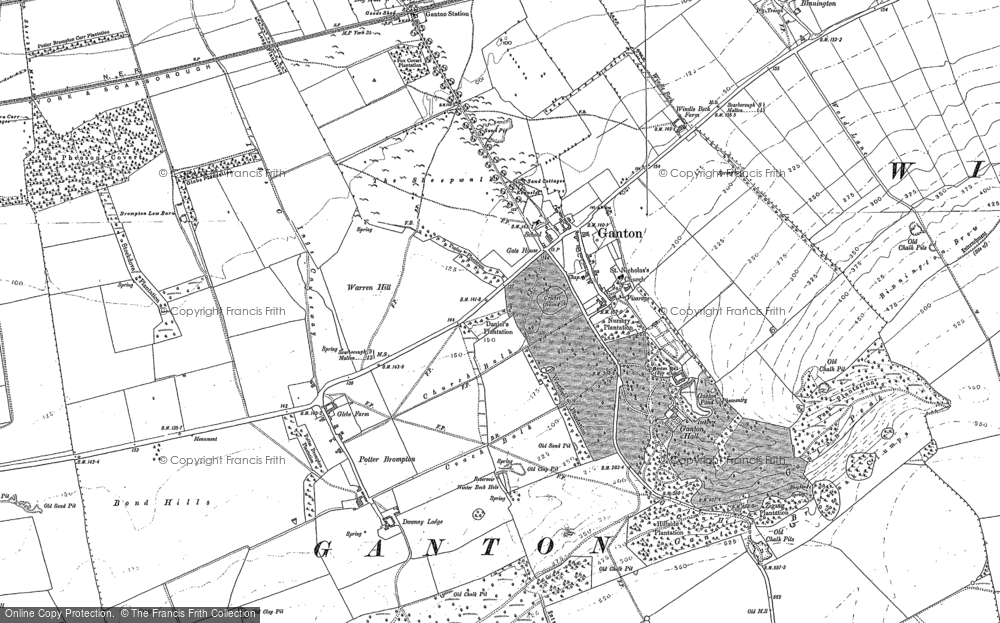
Maps
181,031 maps found.
Books
442 books found. Showing results 21,697 to 21,720.
Memories
29,074 memories found. Showing results 9,041 to 9,050.
Chelmsford
I remember Chelmsford, my dad used to work on the Eastern National Buses for twenty eight years as a 'clippy' til 1973 when he died. We used to live in Waltham where he cycled down to the village to catch the bus, which was two miles ...Read more
A memory of Chelmsford by
Piano Pong
Kilbirnie Central School and music teacher Mr Brawn. Mr Brawn was a most gifted pianist; if you recall he always wore a grey shiny suit. Mr Brawn would often give a piano recital at the start of class, this was as he put it, to warm ...Read more
A memory of Kilbirnie in 1959 by
Ford Motor Annual Shutdown
I well remember being 'fortunate' enough to work for contractors during the annual shutdown; when I was 15/16. It was during Fords heyday when they had circa 45,000 - many of who 'biked' to work come rain or shine. The ...Read more
A memory of Dagenham by
The Assender Or Leyshon Family!
My mum was born in Gilfach Goch (Red Nook) in 1930. Her mother was born Catherine Ann Leyshon and her father Reginald Bernard Assinder, which changed over the years to Assender. My grandmother passed away in ...Read more
A memory of Gilfach Goch in 1930 by
Born And Bred In Greenford 1951 1968
I started life in Kings Avenue Greenford, went through my schooling at; Bethams, Stanhope Junior then Stanhope senior boys. I remember spending 6d of chips at the fish and chip shop on Greenford Road almost ...Read more
A memory of Greenford by
Holidays In Grainthorpe
Many holidays were spent by me and my brother in Grainthorpe during the 50's and 60's with my grandparents. They lived in Buttgate, Ben and Bertha Barfield and my auntie, Winnie Barfield. Many happy memories, walking to ...Read more
A memory of Grainthorpe in 1950 by
Gheluvelt Park
My family lived in Lavender Road from 1958, then Tower Road till 2007, and we have been in walking distance of the park till now (2013). We have had many hours of enjoyment there and our two children spent many hours in the park ...Read more
A memory of Worcester in 1958 by
They Were The Days
I grew up in eccles between 1963 and 1985. For those that check these memories or who have already contributed to them, i have attatched a link ...Read more
A memory of Eccles by
Frimley Hospital
My 2nd daughter Deborah was born in Frimley Hospital June 24, 1964 on a night when 6 babies were born (when normally only 1 would be born). The nurses were run off their feet. One came and asked me where my husband was because she ...Read more
A memory of Frimley in 1964 by
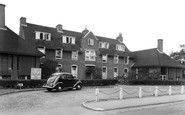
Long Summer Holidays In The 50's.
My grandparents had bought No 64, Castle Drive (now 156) in the mid 30's. After the war ended they moved down to the Bay until they passed away in the 1980's. Each summer school holidays meant I had 4 glorious ...Read more
A memory of Pevensey Bay in 1956 by
Your search returned a large number of results. Please try to refine your search further.
Captions
29,395 captions found. Showing results 21,697 to 21,720.

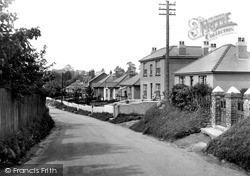
This view has not changed much in the intervening years, but note the absense of road markings.
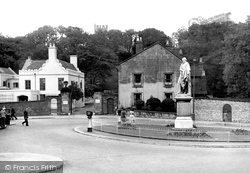
Opened in 1937 and set within the castle grounds, the zoo, with over 400 species, became one of the best in the country.
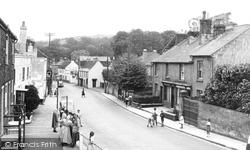
Carisbrooke's dramatic castle, rich in history, made the town a popular tourist attraction with early visitors, includ- ing the poet Tennyson, who may have incorporated aspects of the castle into his
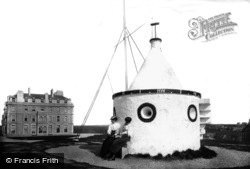
The Beacon, just south of the Atlantic Hotel (in the background) was once a Coastguard lookout. Its place is now occupied by the town war memorial, which incorporates the lookout in its structure.
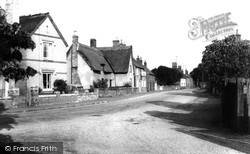
Village houses of different ages front the street. The thatched roof has a patterned blocked ridge. Next door is a small pub. The road leads down to the River Ouse and Buckden Mills.
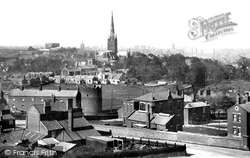
The great cathedral spire dominates the view, with the square block of the castle on the left and St Peter Mancroft's tower in between.
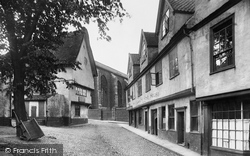
Now no longer a pub, the Britons Arms on the left, built as a community of religious women in the 15th century, was the only house to survive a great fire in 1507.
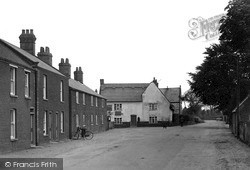
The thatched house north of the crossroads no longer has a village shop. The outbuilding on the right is now The Cat's Whiskers, a hairdresser's whose name wittily puns on the road name.
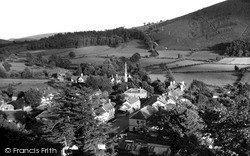
It was intended to link New Radnor with Old Radnor, two miles distant, to form a major city to be the capital of Radnorshire. The project faltered, confirming Welsh antipathy to large settlements.
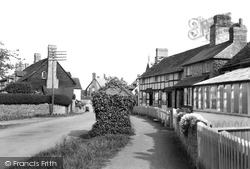
Despite increases in population and the subsequent rise in road traffic, Herefordshire still manages to retain an aura of peacefulness and serenity, exemplified in this photograph.
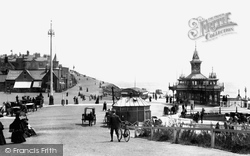
By the last year of Victoria's reign Bournemouth had become an established seaside resort.
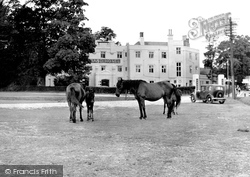
Sometimes the inhabitants of the Forest, whether they be ponies, deer, badger or foxes, still come to town.
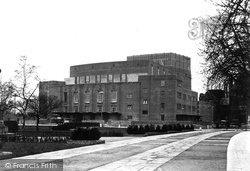
The design for a new Shakespeare Memorial Theatre was thrown open to competition; the winning entry was submitted by Elizabeth Scott, great-niece of Sir Gilbert Scott. The new theatre opened in 1932.
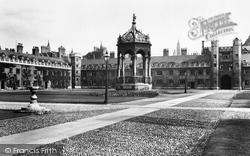
The fountain in the centre was built at the beginning of the 17th century by Italian craftsmen.
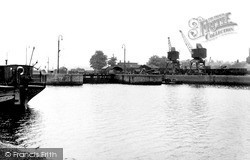
What makes the Wet Dock so useful is that it is a non-tidal section of the port. Water in the dock is held at a con- stant level by the lock gates.
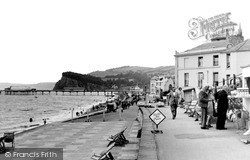
Large stacks of deck chairs punctuated the prom- enade. Ice cream was delivered in aluminium boxes, some can be seen beneath the serving hatch.
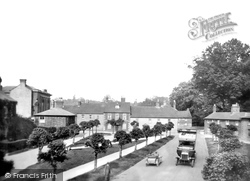
Wilton, once the capital of Wessex, was the most important town in early medieval Wiltshire. This is Kingsbury Square, with St Edith's church on the left.The road across the square is the A30.
Improvements have extended to the racecourse area; however, the wooded heights of the Wyndcliffe can still be seen on the horizon.
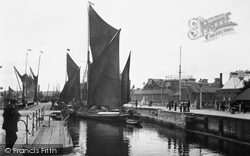
When the Wet Dock was constructed in Ipswich between 1839 and 1842, it was the most revolutionary and the biggest of its kind in the country.
Despite increases in population and the subsequent rise in road traffic, Herefordshire still manages to retain an aura of peacefulness and serenity, exemplified in this photograph.
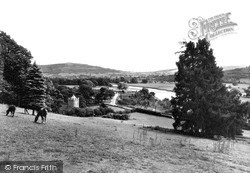
Despite increases in population and the subsequent rise in road traffic, Herefordshire still manages to retain an aura of peacefulness and serenity, exemplified in this photograph.
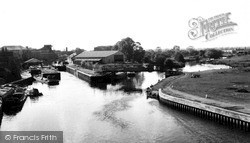
On the way into Newark from Farndon the navigation passes a number of old maltings and a large Trent Navigation Co warehouse, which can be seen in this picture in the left background.
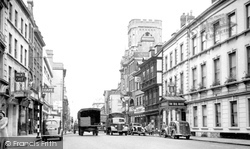
The Bell Hotel was demolished in 1969 during the redevelopment of the area; but the dark building next door with the projecting upper storeys still survives and houses a wonderful old fire surround.
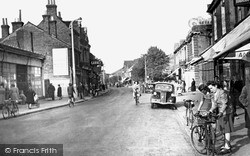
This bustling fifties shopping scene, with a substantial and surprising number of bicycles in evidence, shows the prominent red-brick Post Office on the left standing out against its rather dingy neighbouring
Places (6814)
Photos (11145)
Memories (29074)
Books (442)
Maps (181031)