Merry Christmas & Happy New Year!
Christmas Deliveries: If you placed an order on or before midday on Friday 19th December for Christmas delivery it was despatched before the Royal Mail or Parcel Force deadline and therefore should be received in time for Christmas. Orders placed after midday on Friday 19th December will be delivered in the New Year.
Please Note: Our offices and factory are now closed until Monday 5th January when we will be pleased to deal with any queries that have arisen during the holiday period.
During the holiday our Gift Cards may still be ordered for any last minute orders and will be sent automatically by email direct to your recipient - see here: Gift Cards
Places
4 places found.
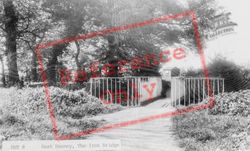
Those places high-lighted have photos. All locations may have maps, books and memories.
Photos
68 photos found. Showing results 41 to 60.

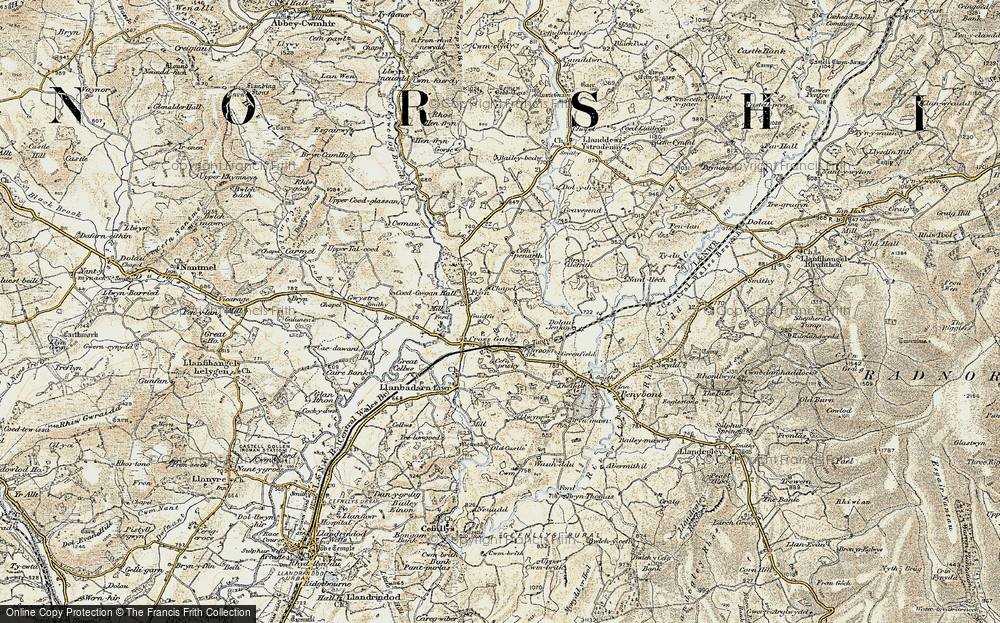
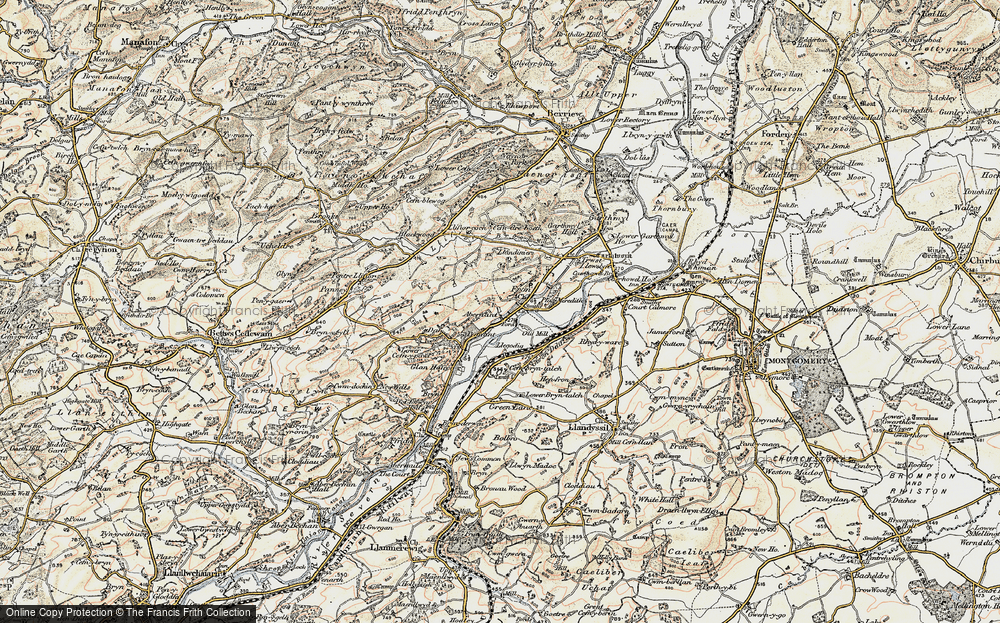
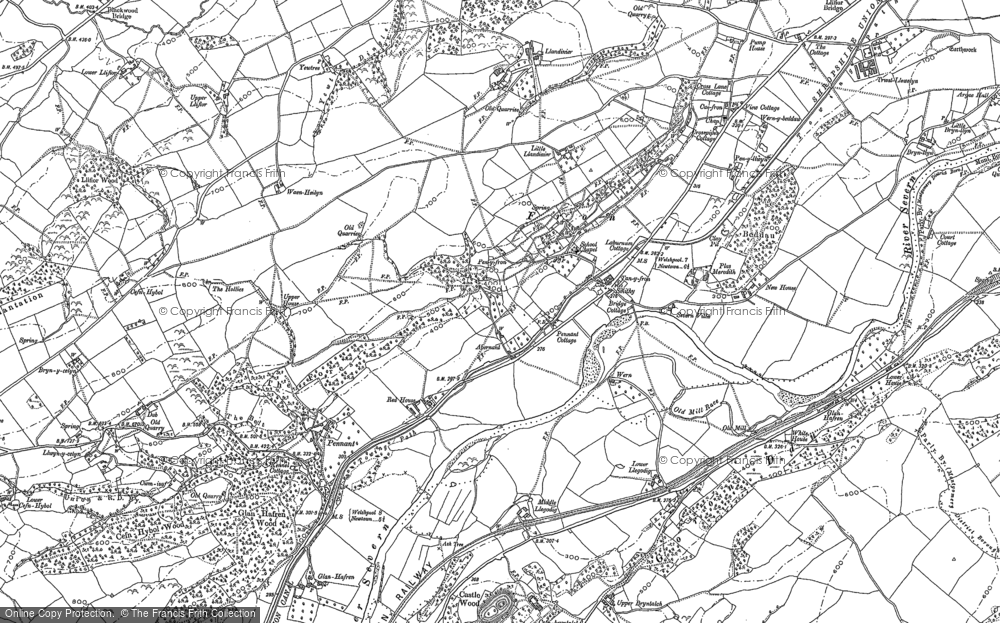
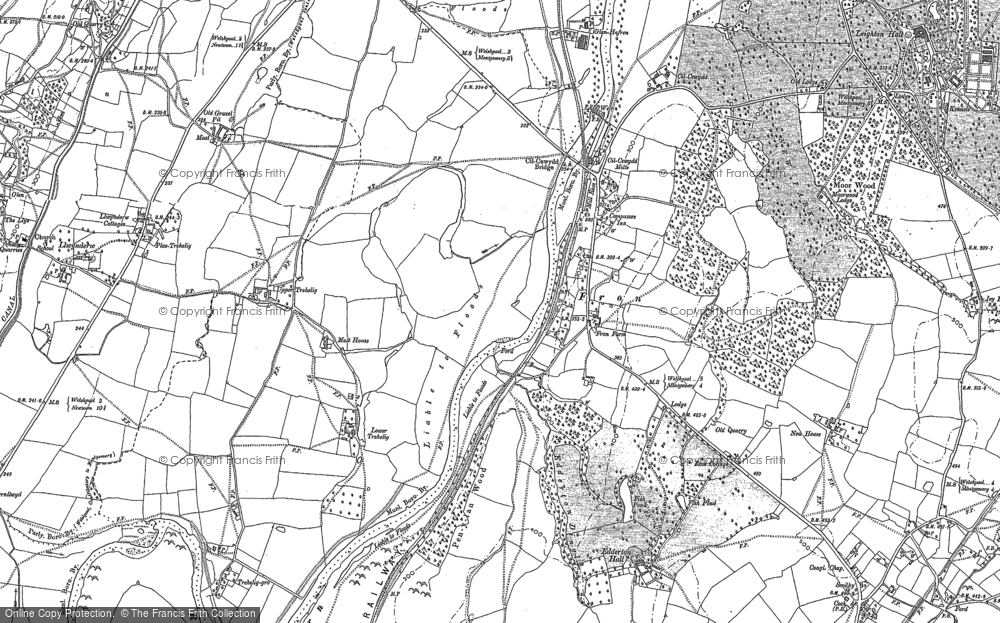
Maps
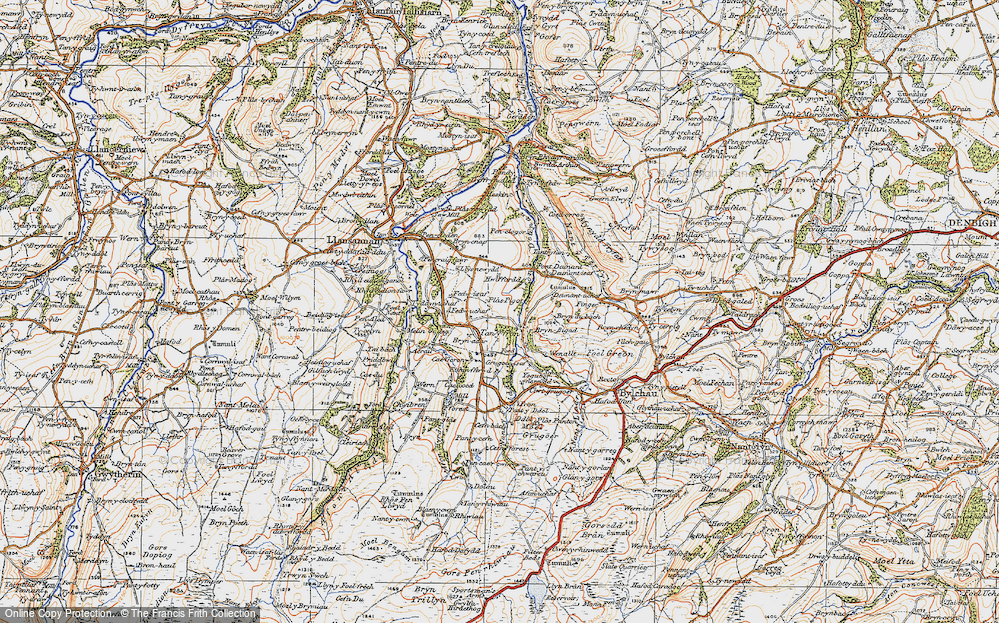
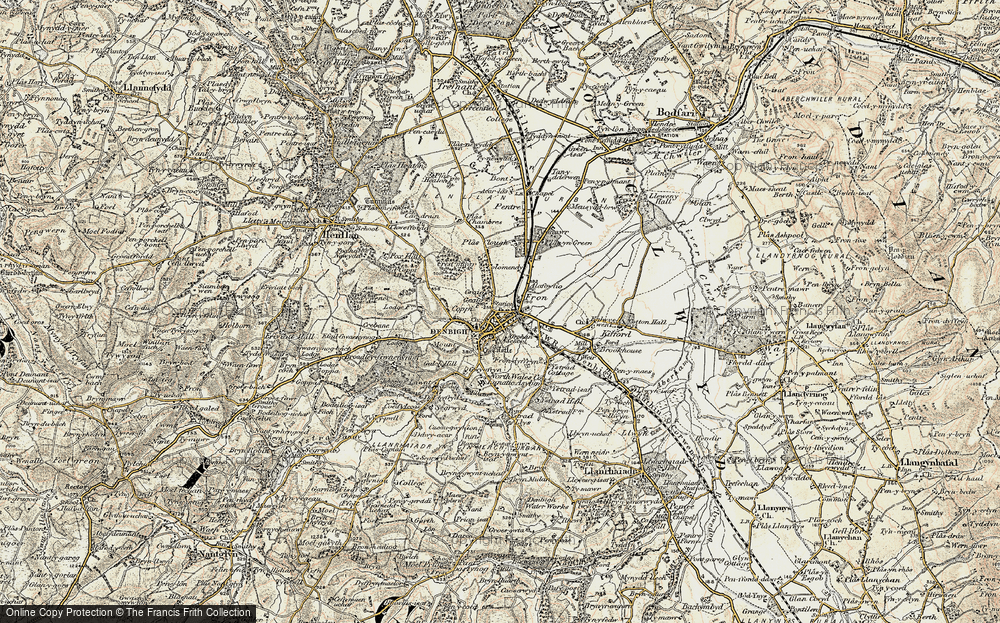
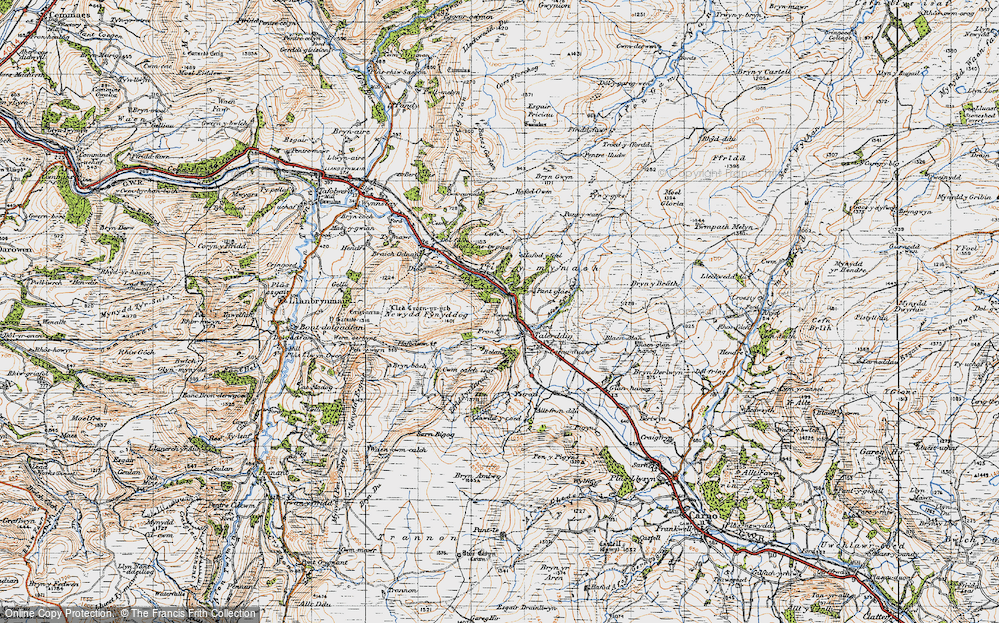
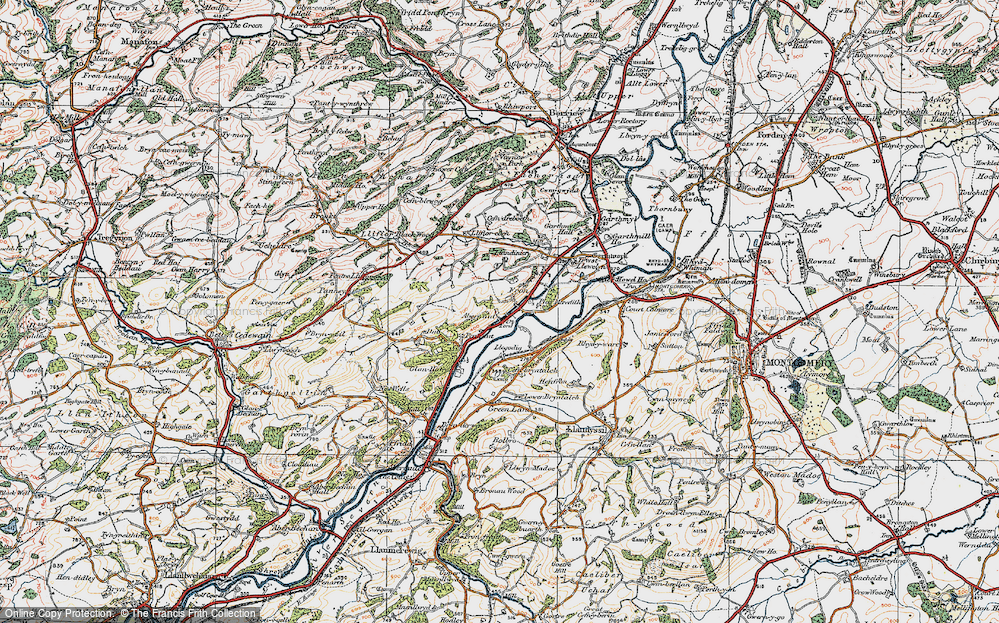
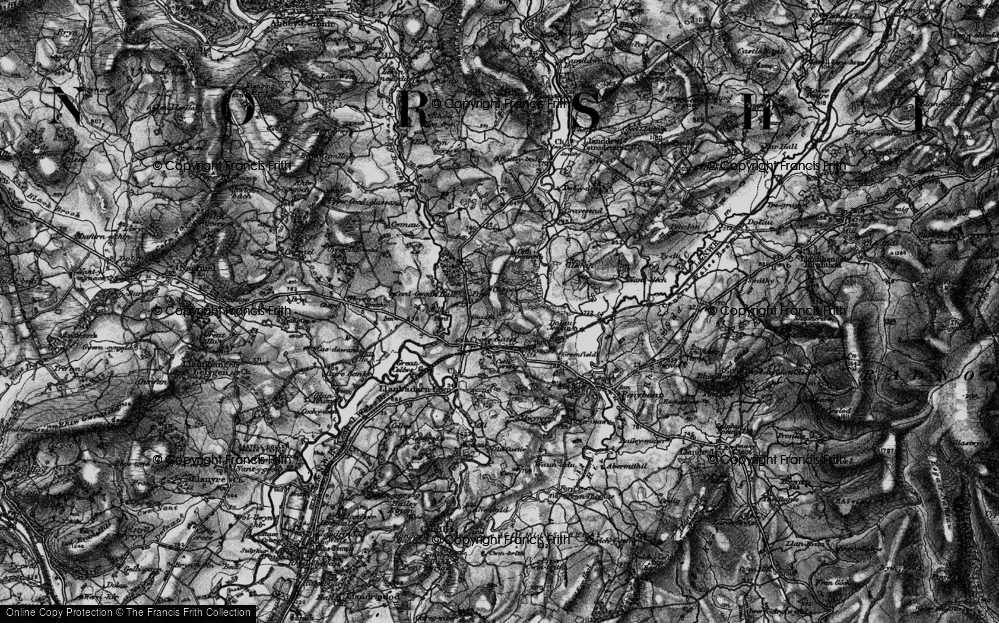
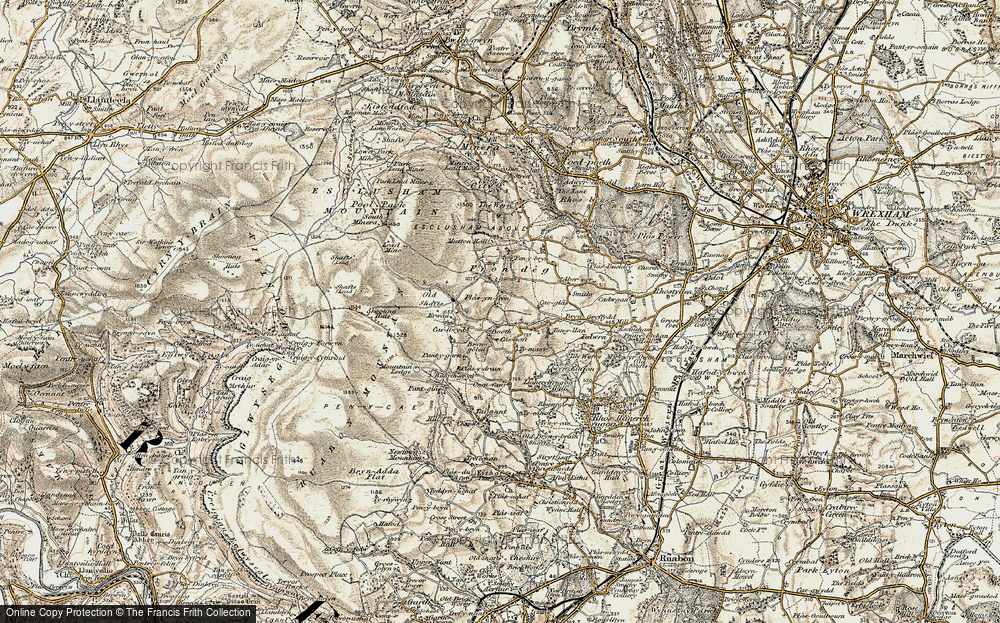
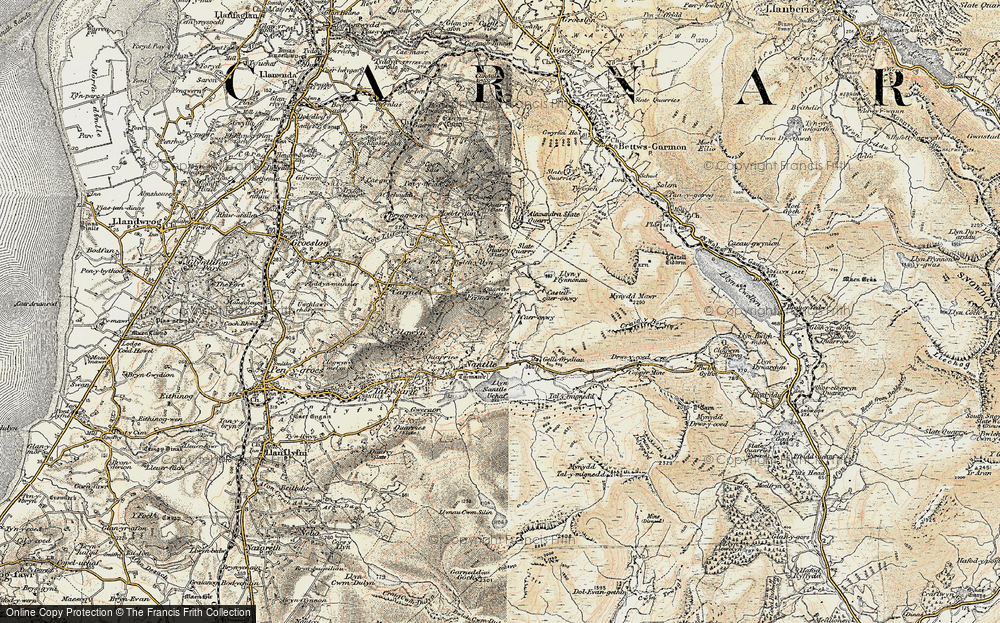
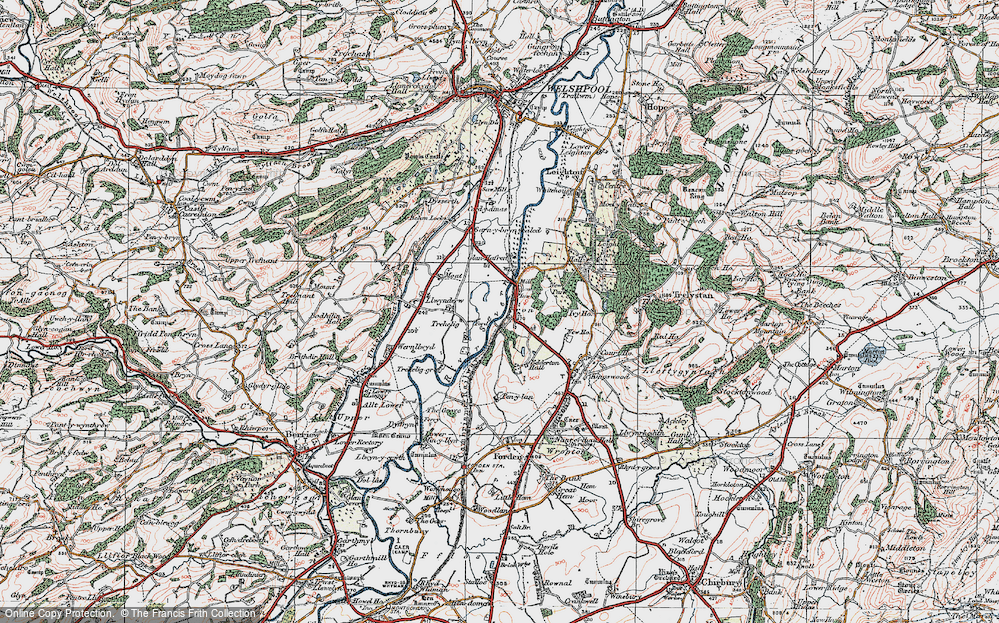
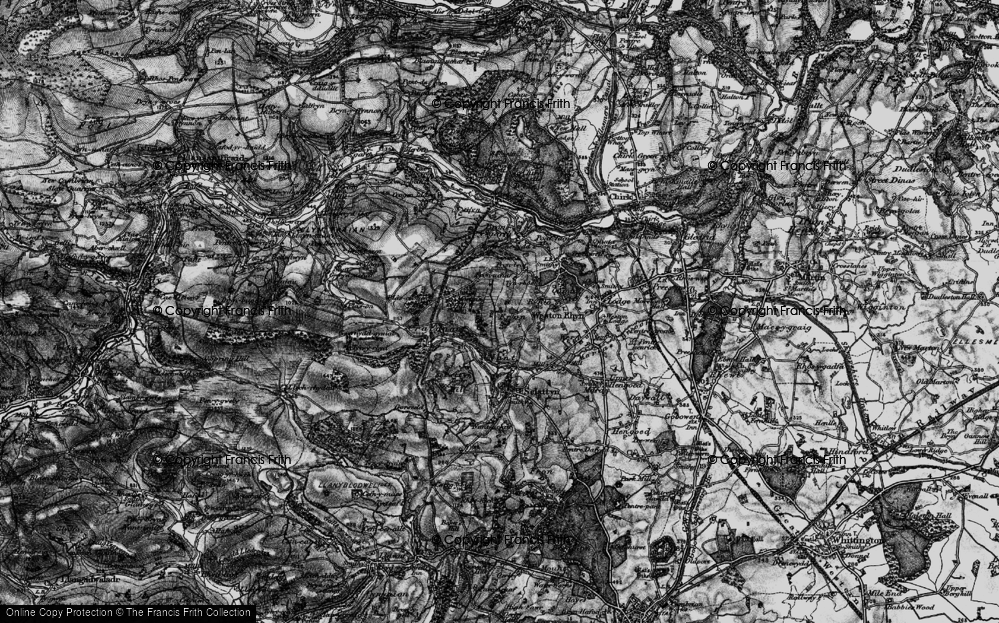
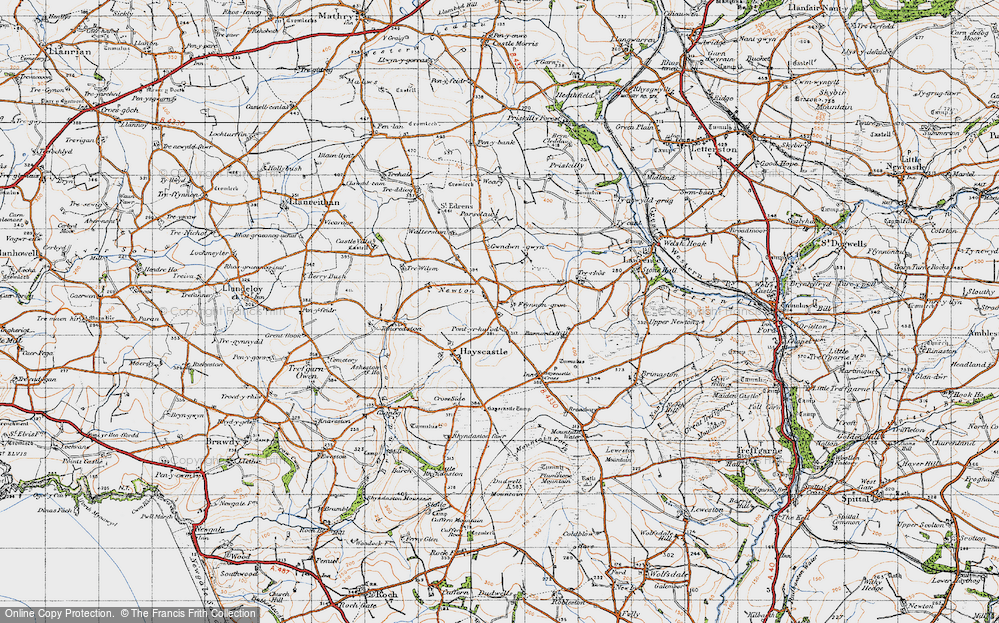
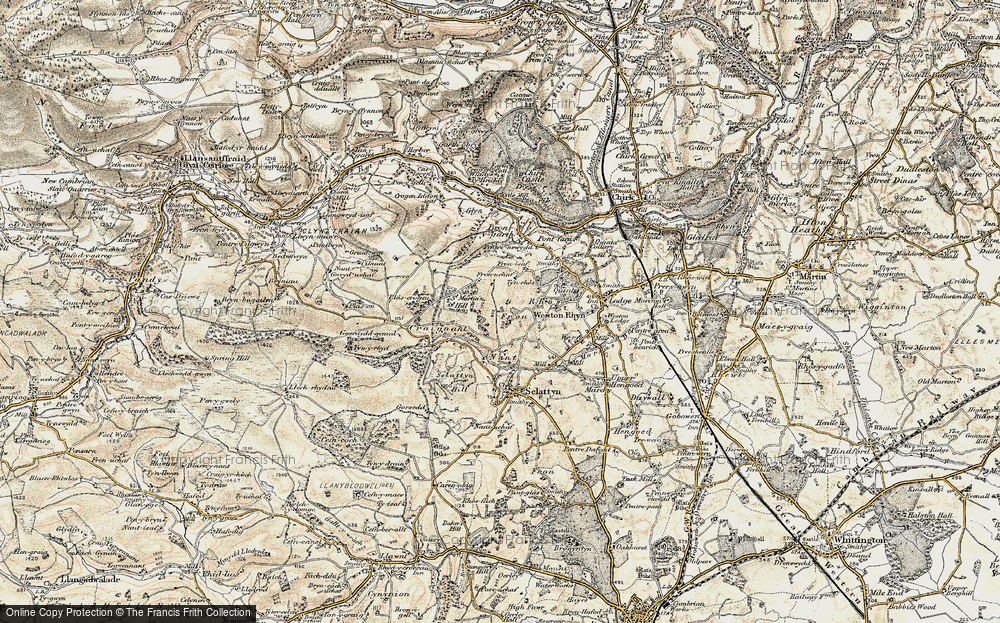
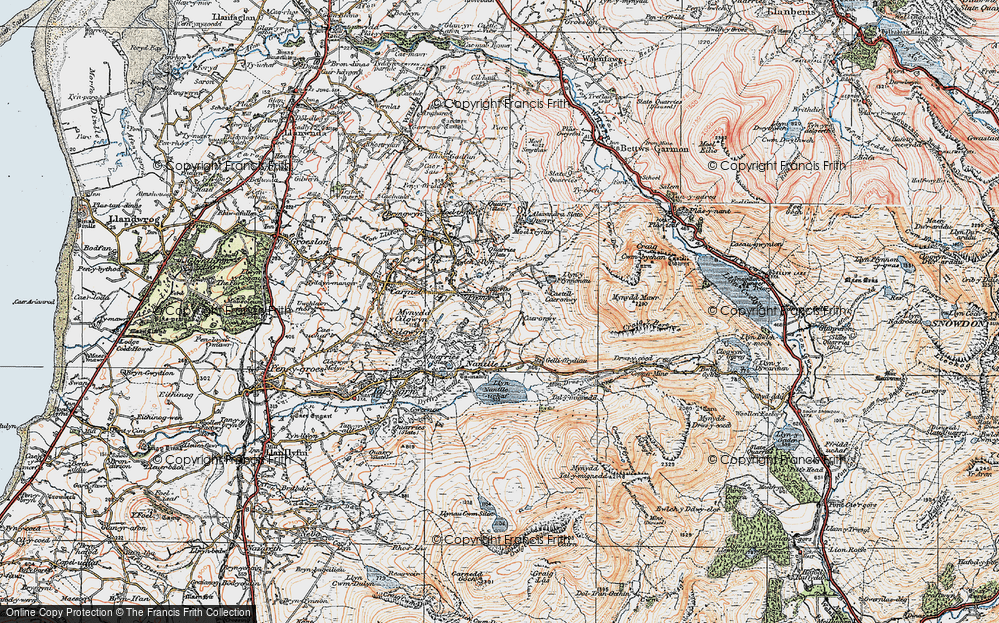
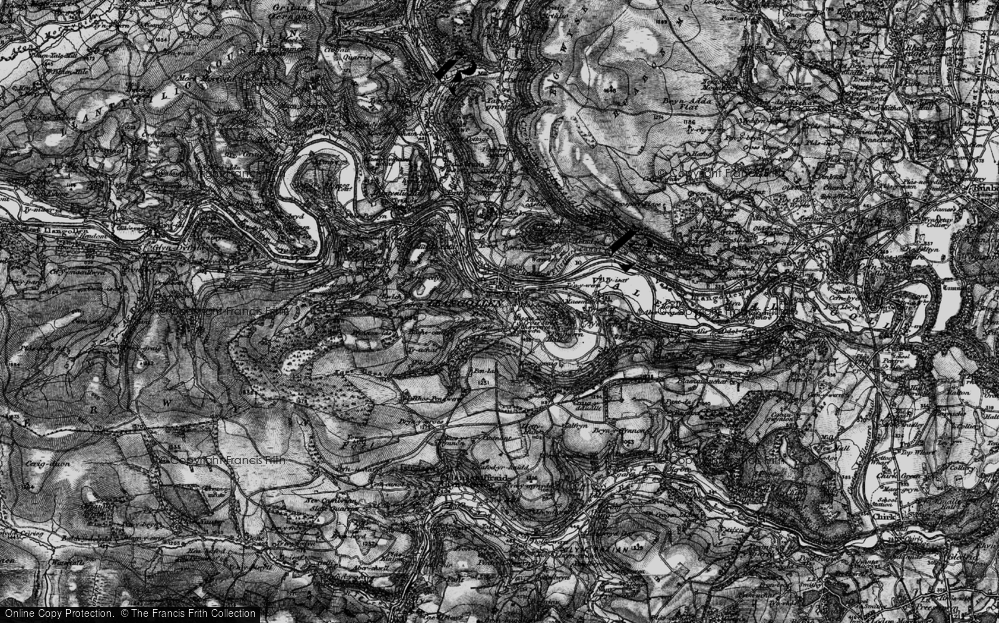
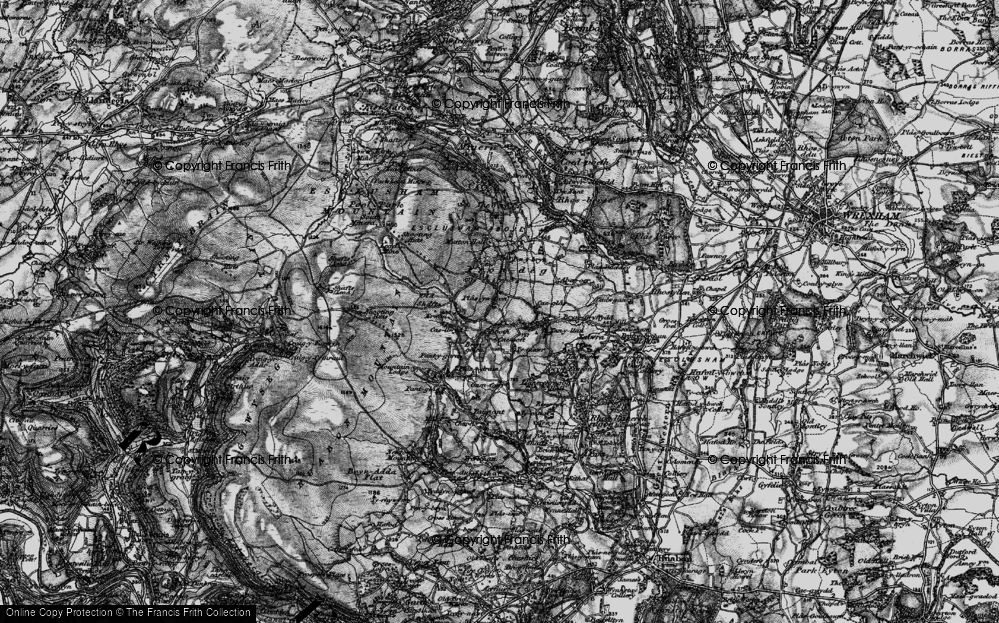
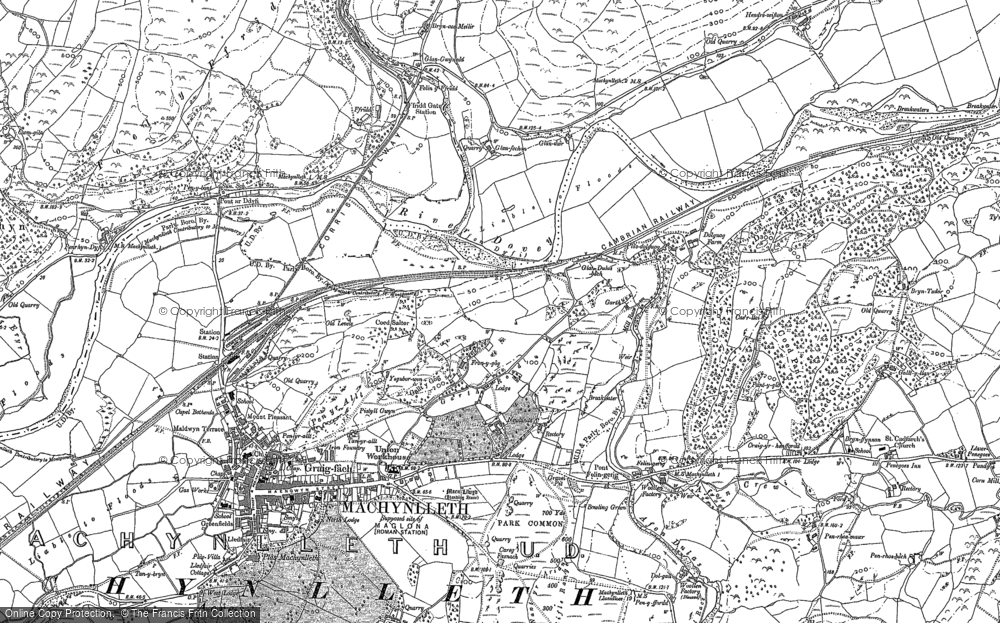
70 maps found.

Books
Sorry, no books were found that related to your search.
Memories
713 memories found. Showing results 21 to 30.
Treowen Road
I was born in March ,1947 at 69,Treowen Road.It was a terrible winter,and the midwife who delivered me (Nurse Maiden) had to enter the house through the upstairs bedroom window because the snow was pilled up so high. I lived in treowen ...Read more
A memory of Crumlin in 1947 by
1948
Edgware Middlesex, the cradle of my childhood,and Burnt Oak is where I went with Mummy as a special treat , we used to go into Lyons corner house for a nice cup of tea and a small treat, and it seems like only yesterday the whole family went ...Read more
A memory of Burnt Oak in 1948 by
Visits To Wareside 1964 Present
My dad was born at Hillside Cottages in Wareside in 1929 (I think). I remember visiting my Grandmother there up until she moved to Ware round about 1978/9. She lived in the house with the "Hillside Cottages" sign on ...Read more
A memory of Wareside in 1975 by
Dinham Weir
The Ludlow weirs were navigation Flash Lock weirs until the railways came to the Teme valley. Sailing Trows from the Severn worked up the river with wheat for the mills from Gloucester returning with flour for the villages and iron bar ...Read more
A memory of Ludlow in 1860 by
Police House 1939 45
The Police House was located on Radcliffe Road, Cropwell Butler. (now called 'The Old Police House'). On the front wall it bore a sign bearing the words 'County Police'. From 1939 to 1945 it was occupied by the ...Read more
A memory of Cropwell Butler in 1940 by
"Any Old Iron"
This photo brings back lots of memories for me as it shows High Road, Woodford Bridge which is where the old-fashioned ironmongers that my family owned was situated. There had been one on the site since the beginning of the ...Read more
A memory of Woodford Bridge in 1974 by
On Our Way To Longleat.....
After walking the footpath from Rodden Farm we would end up on the main Frome /Warminster road, not far from the start of Friggle Street. This was our route to Longleat we often took on foot during our school holidays. ...Read more
A memory of Elliots Green in 1980 by
Busk Crescent
Late in 1945 my parents moved to 25 Busk Crescent, in Cove. The house was on top of a hill and overlooked the Farnborough airfield. From the front bedroom you could see aircraft landing on the runway. The house was one of a string of ...Read more
A memory of Cove in 1945 by
Delamere By Sid Grant
The Jewish Fresh Air Home and School was founded in 1921 by Miss Margaret Langdon, MBE, MA (1890-1980) and located at Blakemere Lane, Delamere near Norley, in the beautiful Cheshire countryside. My time spent there was from ...Read more
A memory of Delamere in 1930 by
Found Memories Of Early Days At Yealmpton
Now living in Australia and having revisited Yealmpton in recent times, the changes are amazing. Where there used to be fields in which I played with mates, sadly houses now stand. The old bridge, church, ...Read more
A memory of Yealmpton in 1950 by
Captions
788 captions found. Showing results 49 to 72.
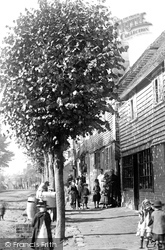
Burwash was a centre for Sussex iron making. After the iron industry ceased production, the locality was less prosperous; the common became notorious for 18th-century lawlessness.
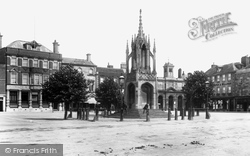
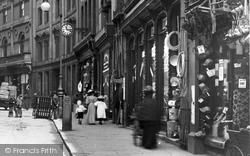
This view clearly shows the iron benches, railings and posts and the ornate street lamps. The earth road is in marked contrast to today's tarmac surface.
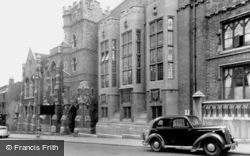
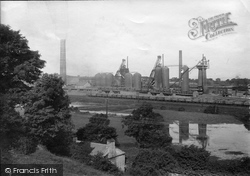
Round Oak Iron Works in the 1850s.Though by no means the first iron works in the area, it would become the most important.
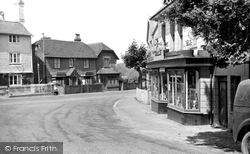
Iron smelting and gunfounding brought prosperity to the area in the 16th century.
Iron smelting and gunfounding brought prosperity to the area in the 16th century.
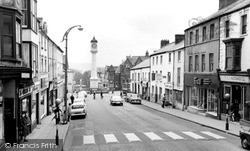
The town clock has been given a number of nicknames, including `the Iron Duke of Tredegar`, because of the small profile of the Duke of Wellington on the base.
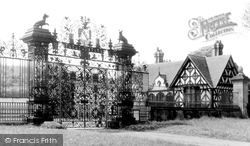
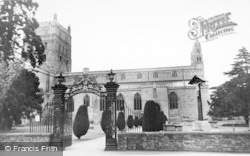
These splendid decorative iron gates were made by the Davies brothers of Bersham between 1719 and 1721.
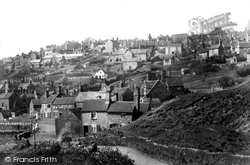
During the 18th century Madeley Wood grew into large industrial community where 3,500 people worked in the iron industry.
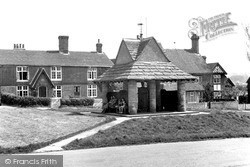
An iron pot containing a large number of coins of Edward the Confessor was found in 1876. They were thought to have belonged to King Harold, and hidden during the Battle of Hastings.
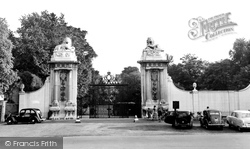
The wrought-iron work is very fine, and is believed to have been done by the French master of wrought iron work, Tijou.
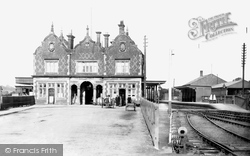
These early forges smelted iron ore in a bloomery, which was often little more than an open hearth fired by charcoal.
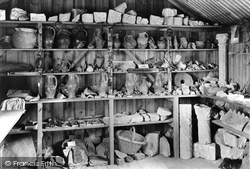
Medieval vases, iron keys, Norman stonework and animal bones bring together Old Sarum's troubled and relatively short-lived past.
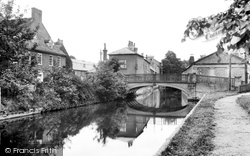
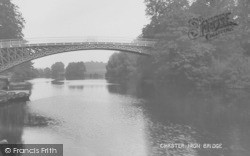
This neat cast iron bridge was built in 1829 replacing an old wooden bridge. It connects Norfolk to Suffolk over the River Ouse, making Thetford a border town.
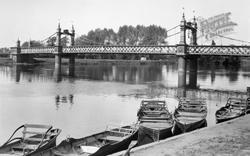
The River Trent at Burton is now crossed by three bridges: Burton Bridge, built in 1864, the iron Angelsey Bridge and the Stapenhill Viaduct, which is in fact a footbridge.
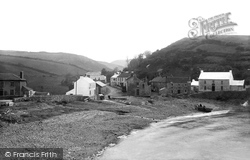
Strawberry Hill, above the village, was the site of an Iron Age fort. A boat is being beached to the right beyond the slipway and other boats in the centre.
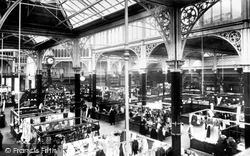
The glass roof is supported on ornamental columns made of cast-iron. The market appears light and airy, and there seems to be plenty of space around the stalls.
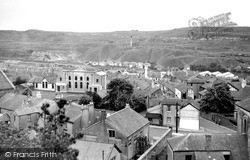
Although pig iron was being produced in the area in the late 18th century, it was the setting up of the Tredegar Iron Works in 1800 that gave the town prosperity, growth and its name.
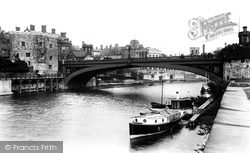
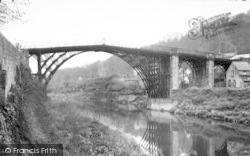
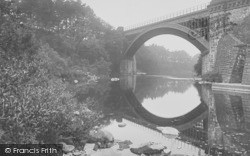
Built of cast-iron, the bridge was opened in 1863 and improved the city by giving direct access to the original railway station, which was situated within the city walls.
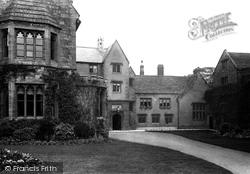
The Gothic iron bell cupola stands atop the Bell Building built in 1835 by Ralph Lyon, the school's headmaster from 1823 to 1845.
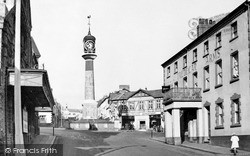
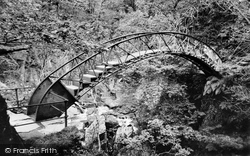
The tower`s iron steps were enclosed with iron railings until 1933, when the present dwarf wall, pillars and sward were substituted.
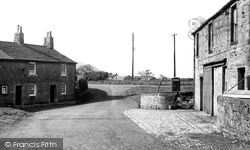
Sett-paved yards (right) withstood iron-shod cart wheels. Villagers grew barley, fruit and vegetables, whilst the village shop supplied everything from treacle to paraffin oil.
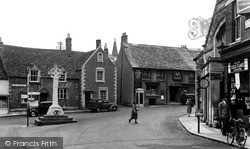
This inn is one of the 17th-century buildings in Westport to survive the Civil War skirmishes between the Royalists and the Parliamentary forces lead by Sir William Waller.
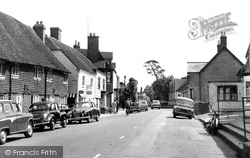
The picturesque village of Burwash was once a centre of the Wealden iron industry. Nearby stands Batemans, a 17th-century iron-master's house, the home of Rudyard Kipling for many years.
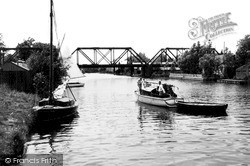
The shallowness of the river is apparent in this picture of a man quanting towards the iron railway bridge. The railway line has since closed.
Places (4)
Photos (68)
Memories (713)
Books (0)
Maps (70)