Places
4 places found.
Those places high-lighted have photos. All locations may have maps, books and memories.
Photos
6 photos found. Showing results 541 to 6.
Maps
65 maps found.
Books
1 books found. Showing results 649 to 1.
Memories
4,592 memories found. Showing results 271 to 280.
Part 16
Conclusion On my last visit it was hard to see where the village was. The small triangular field is now a park but it looks so small. The place I remember seemed so much larger than Small Park that is now there. Having been raised ...Read more
A memory of Middle Rainton in 1945 by
Braddock And Bagshaws Chemists
I left Robinhill Technical School in July 1954 and started work at Braddock and Bagshaw's Chemist at the bottom of the iron railings on Yorkshire Street. I worked there until January 1960 when I left to do my ...Read more
A memory of Oldham in 1954 by
Happy Times
I was born the day my parents moved to Sshilbottle. We lived at 16 Farne View but this was later changed to 16 St James Road. Nearly everyone's dad worked at the pit. Shilbottle seemed to be split in two - we had our own Church of ...Read more
A memory of Shilbottle in 1954 by
Happy Days
I was born at 'Barford View' in Churt in 1952 and lived there until I was 13. I am one of eight children of the Lindsey-Clark family, my brothers and one of my sisters still live in the area. I have such wonderful memories of Churt - ...Read more
A memory of Churt in 1952 by
East Harling, Audrey Hudson
I came to E.H. in 1947 when I was 2 yrs old, and lived in Gallants Lane - opposite Fen Lane. Audrey Hudson used to organize the village children for the St John's Ambulance Brigade practice evenings, when we would ...Read more
A memory of East Harling in 1955 by
Orchid Ballroom
Oh yes, wonderful evenings spent waiting for the invitation to dance. I have photos of the exciting evening when the TV cameras came and televised us jiving. I even remember the site when it was a skating rink.
A memory of Croydon in 1953 by
When I Was 12
I was born in Dublin, Ireland. My mother was born in Six Bells. Her name was Olwen Roche, nee Griffiths. In 1959 my mother took myself and my brother to stay with my grandparents who lived at no 9 Griffin Street. I will never ...Read more
A memory of Six Bells in 1959 by
Early Years In Park Road
Born in 1947 to Ted & Cred Fowles, I lived in 3 Park Road until 1955 when I moved down the hill to Southsea. I started Tanyfron primary school in 1951 and went on to Penygelli Secondary school, Coedpoeth, in 1958. ...Read more
A memory of Tanyfron by
Wraysbury School.
I went to Wraysbury School and one day came late. Everyone was gathered in the canteen for morning assembly, and when I got there, everyone clapped and I was pushed up to receive a large brown envelope. Going back to my place, I ...Read more
A memory of Wraysbury in 1947 by
Walnut Cottage
My Grandparents ran the post-office at Moorland when I was young, we used to visit every Sunday. I loved the atmosphere and the peacefulness of the village. My grandad was Charles Kitch, also named 'Fido', but I can't find out why. ...Read more
A memory of Moorland in 1962 by
Captions
925 captions found. Showing results 649 to 672.

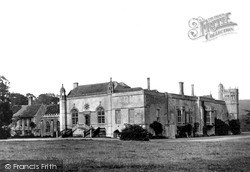
The 14th- and 15th-century cloisters have a new fame as the setting for Hogwarts in the Harry Potter films.
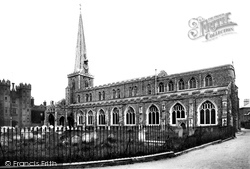
Perhaps the man who made the bell had other things on his mind when it came to putting in the inscription, as he forgot to invert the words laterally in the mould, and they appear backwards on
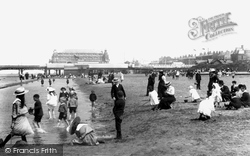
Working people usually had one set of clothes for work and another for best, and for a trip to the seaside the best clothes came out of the closet - or the pawn shop.
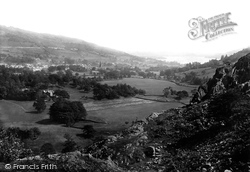
Her close neighbour at nearby Rydal Mount was William Wordsworth, who had his own pew in the church; so did the family of Dr Arnold of Rugby School fame.
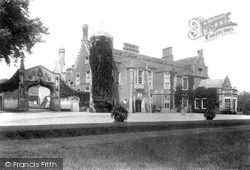
The very fine 15th-century gateway came from the Old Schools in Cambridge in c1754. Queen Victoria rented Madingley Hall in 1861 while the Prince of Wales was at Cambridge.
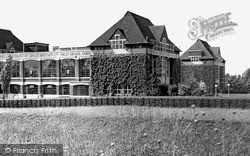
The Spirella Company came to Letchworth in 1910. The new factory was commissioned in 1912, and was built over the following eight years.
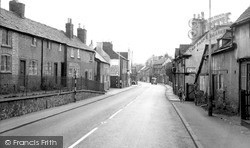
The village has acquired international fame as the home of the Quorn Hunt; its founder Hugo Meynell took residence in 1753 at Quorn Hall (now an educational centre).
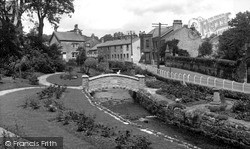
When Queen Elizabeth II came to the throne in 1953, the village erected a Coronation Bridge and laid out Coronation Gardens, which we can see here.
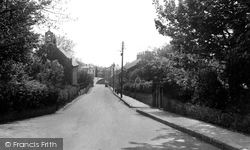
The slip road on the left-hand side leads through to a grid-work of streets of Victorian houses, presumably built to house the miners who came to live in the area during the mining boom of
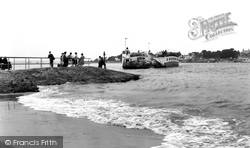
She came into service in 1958.
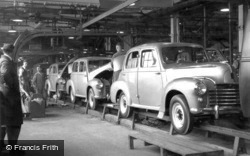
GMC executives came over from the US to get work back to normal after the war. Much of the firm's success was due to David Jones, the industry's longest-serving design executive.
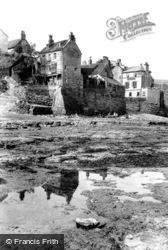
The connection with the legend of Robin Hood is obscure, but one story is that Robin came here to hire boats in order to escape from England.
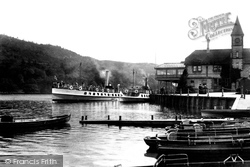
Lakeside is the settlement furthest away from the Lakeland mountains, but it is historically important as the entry point for large numbers of Victorian day visitors who came up from Lancashire by way
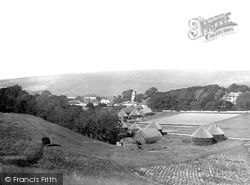
An old story says that King Alfred came here to build a palace, but instead he built a shipyard on the estuary of the Cuckmere nearby.
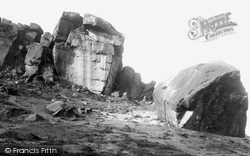
The Victorians came to Ilkley in their carriages, and later by train, to enjoy fresh air and the invigorating spa water. But sunshine can quickly disappear.
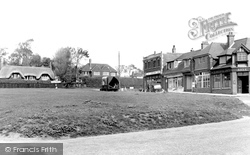
The village began to expand in 1866-1867 when a local man came up with a scheme to transform it into a popular seaside resort.
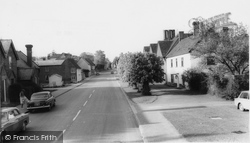
It is said that the ornate staircase in the Town House came from Standon Lordship. The white shed on the left stands next to the village pond where the villagers skated in winter.
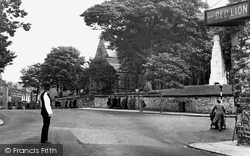
Gilpin came to Houghton after being cleared of charges of heresy, but he was indicted a second time and was on his way to answer the charges when he broke his leg.
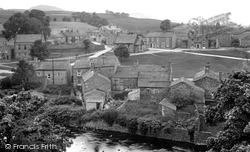
The Quaker Meeting House came in 1836, and next is Summerfield House, formerly an inn. Finally, on the right is the Wesleyan chapel of 1836.
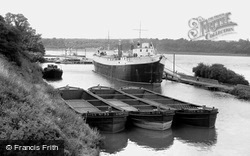
Alas, plans to save her came to nothing.
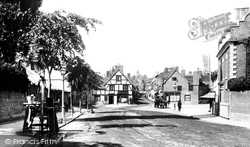
James I awarded it to Sir Fulke Greville, who was also given the title of Baron Brooke of Beauchamp Court.
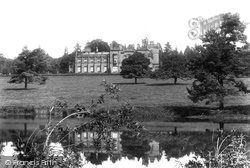
The house was famed for the way in which the designers successfully blended medieval and modern styles, and the prolific use of white and gold for the interiors.
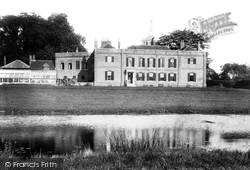
It was built in 1712 for William Lowndes, Secretary to the Treasury, who came from Winslow in central Buckinghamshire where in 1700 he had built Winslow Hall.
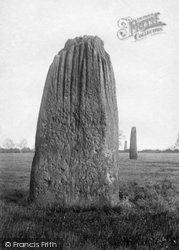
Each weighs about thirty tons - they possibly came from the quarries at Knaresborough.
Places (4)
Photos (6)
Memories (4592)
Books (1)
Maps (65)