Places
1 places found.
Those places high-lighted have photos. All locations may have maps, books and memories.
Photos
24 photos found. Showing results 1 to 20.


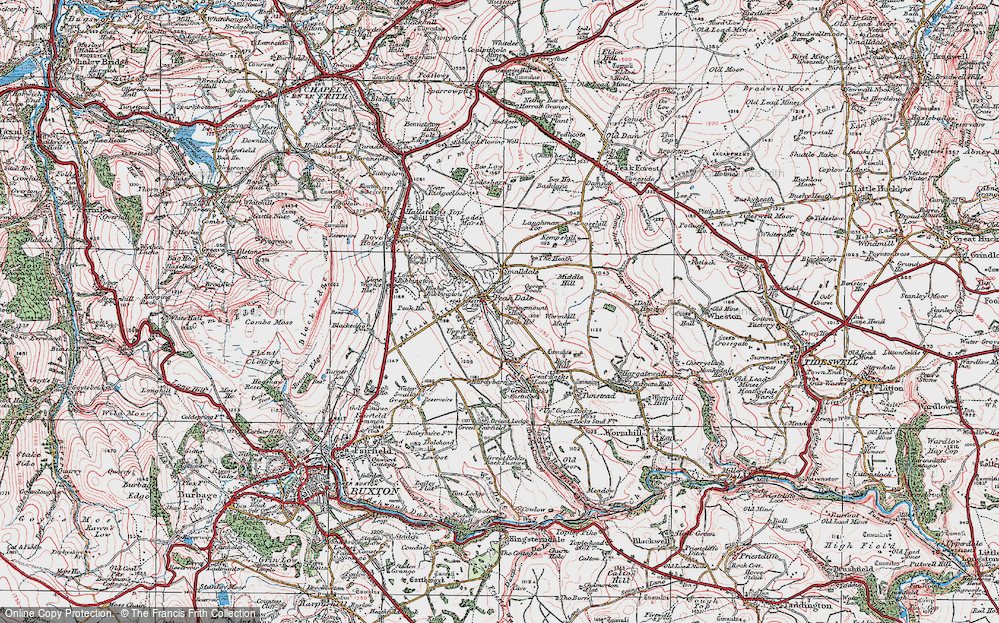
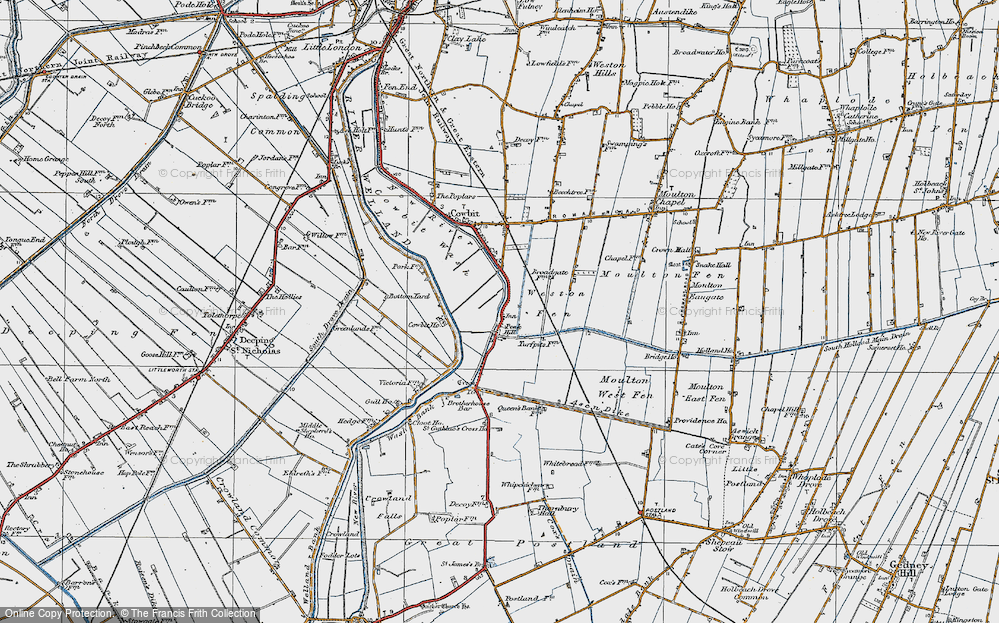
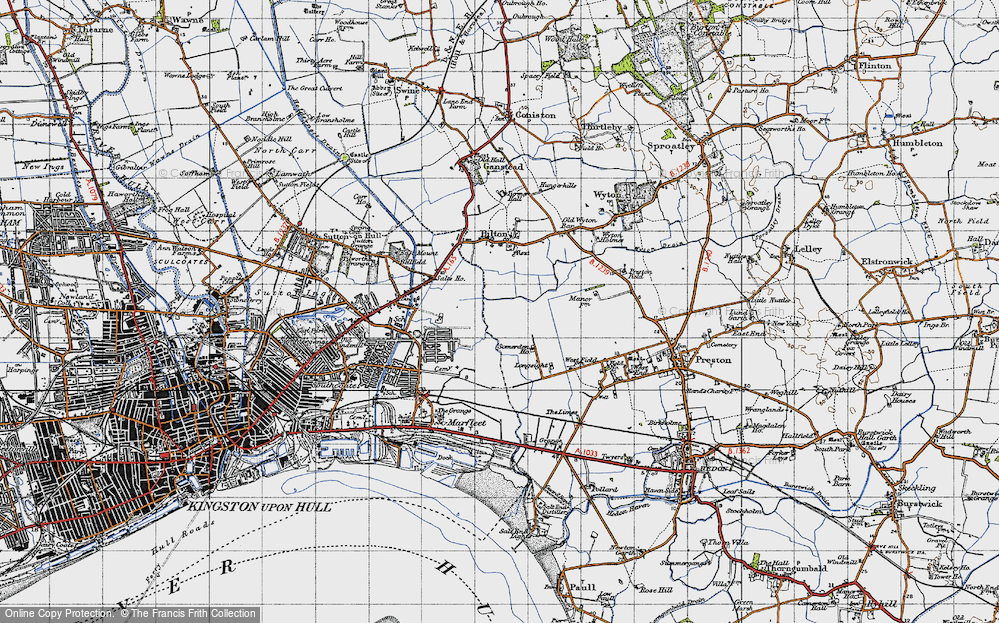
Maps
47 maps found.
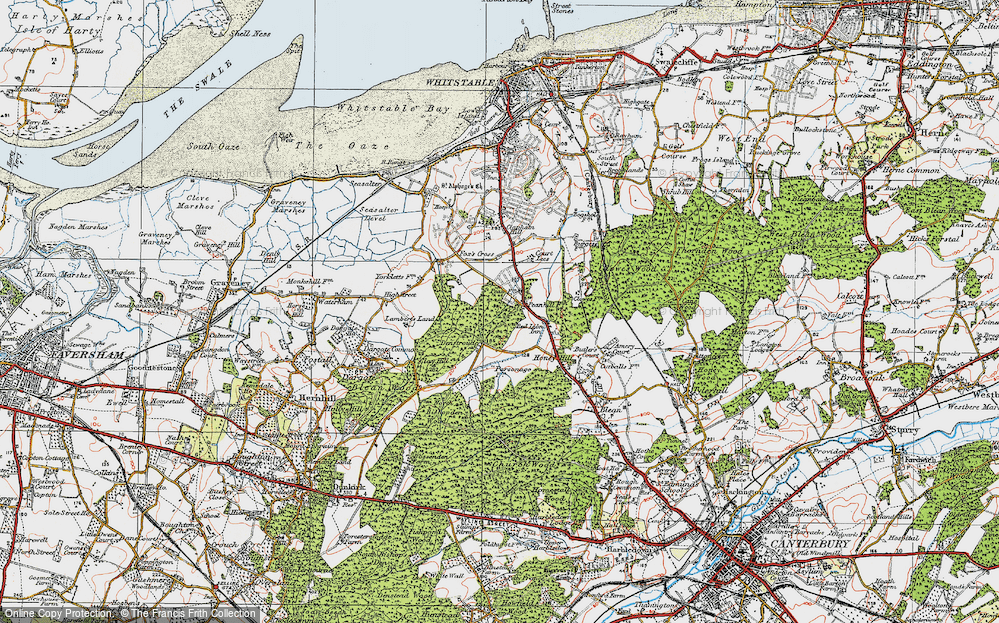
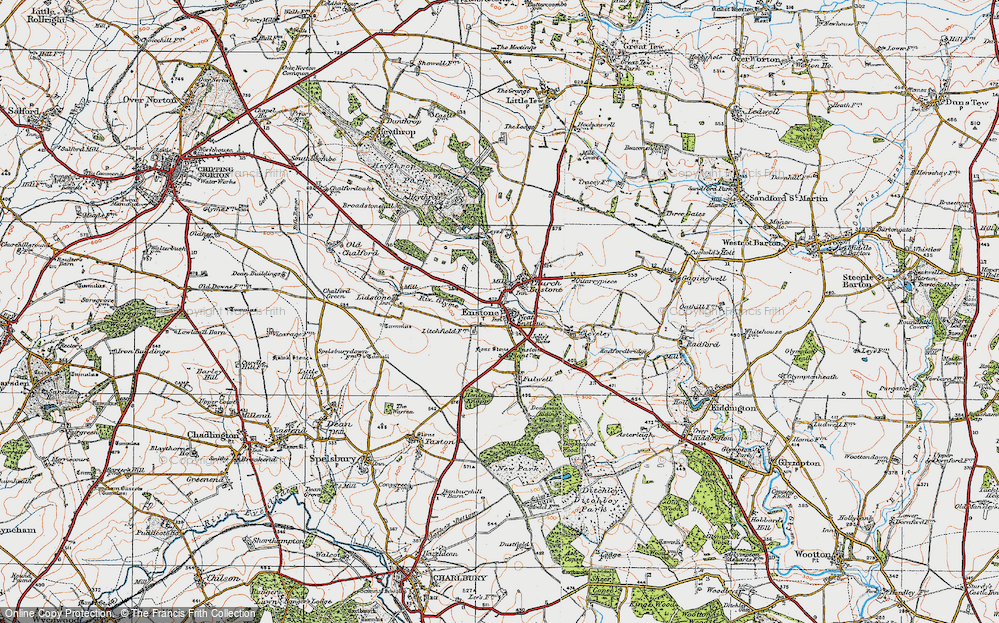
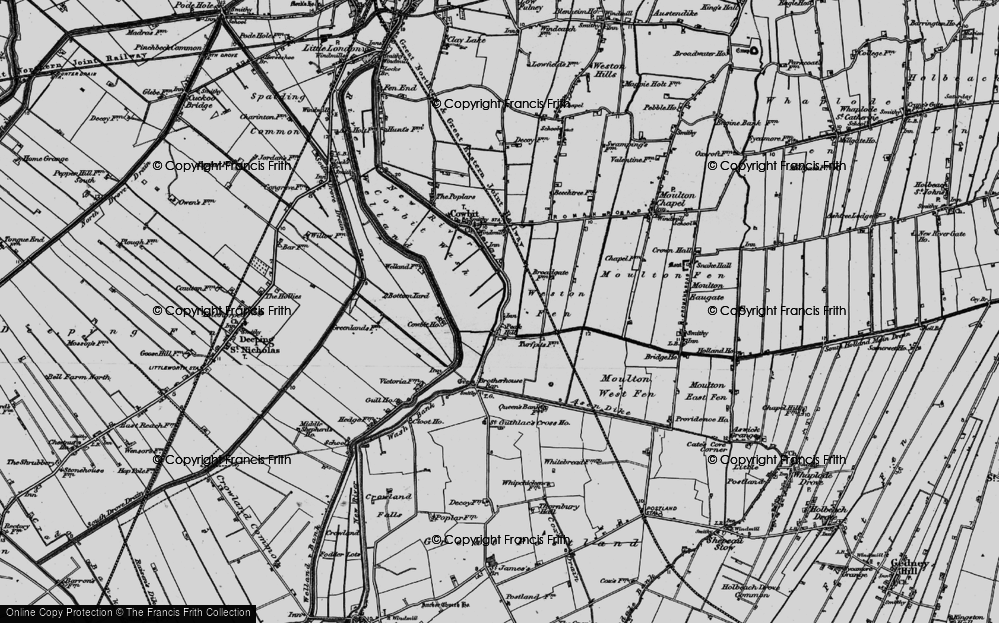
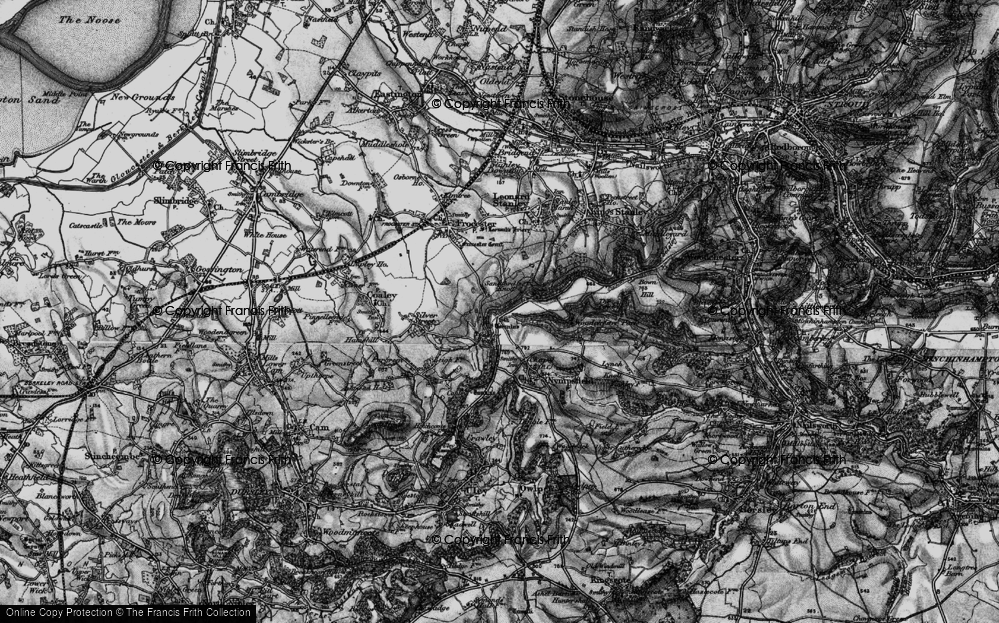
Books
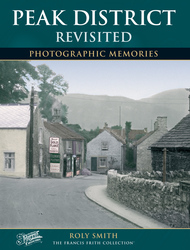
1 books found. Showing results 1 to 1.
Memories
285 memories found. Showing results 1 to 10.
Where I Grew Up
I lived most of my life in Sible Hedingham, as a family we moved there from London in 1962. I was just 2 years old at the time. My father Robert Farren, "Bob" as he was best known and my mother Ivy, took over the licence of ...Read more
A memory of Sible Hedingham in 1962 by
Coney Hall 1950/60s
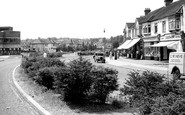
This picture brings back many memories. I was born in 1953 and lived in Coney Hall until 1972, attending school at Wickham Common and then Hawes Down Secondary. The view from where this picture was taken is not dramatically ...Read more
A memory of West Wickham by
End Of An Era
In 1944 I was a 13 year old pupil at Morley Grammar School. One beautifully sunny Sunday evening I walked from my house at 16 Albion Street (now Morrison's carpark) and about 40 yards East of the Pentecostal Church of the Nazarene ...Read more
A memory of Morley in 1944 by
Delamere By Sid Grant
The Jewish Fresh Air Home and School was founded in 1921 by Miss Margaret Langdon, MBE, MA (1890-1980) and located at Blakemere Lane, Delamere near Norley, in the beautiful Cheshire countryside. My time spent there was from ...Read more
A memory of Delamere in 1930 by
1951 1979 Life In Aldbrough St John
Reading Carol's memories brings to mind a lot of happy times in the village, especially the bus shelter and phone box. We managed to make up a lot of our own entertainment, especially the 'village youth ...Read more
A memory of Aldbrough St John in 1972 by
Summer Of 1965
I have happy memories of a summer spent with my Nannie and Grandad Gibbs. I remember walking down this street, passing 'Auntie Martha's' to the post office every day with Grandad. He used to buy me chocolate cigarettes every day. I ...Read more
A memory of Moorsholm in 1965 by
Helmshore 1950 1968
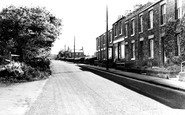
I was born in Musbury Road at the bottom of Tor Hill and spent 5 years with Tor as my back yard; my name is still chiselled in the rocks at the top. Anyone remember the Tor Mile race? In 1955 we moved up to 3, Lancaster ...Read more
A memory of Helmshore by
Spanish City And That Very Old Car On The Links
This is an iconic picture for me in two ways. First it shows the Spanish City somewhere near its heyday (spring/summer of 1955), bringing back memories of the great band of Harry Atkinson (the ...Read more
A memory of Whitley Bay in 1955 by
Rayne In 1950 1960
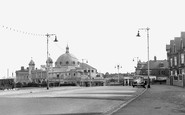
I was born in Rayne and in the 1950s.I have fond memories of being able to play various sports in the road at School Road with my brother Peter and friend Richard Dodd, gaining a few more players as word got around! We used to ...Read more
A memory of Rayne by
Nash Court
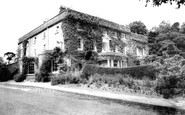
I too was a member of St Matthew's church choir in Stretford, Manchester. I remember going to Nash yearly for some years in the 1960s. Some of the choir men also went but I think the organiser was the choirmaster Mr Ronald Frost, who was ...Read more
A memory of Nash in 1965 by
Captions
43 captions found. Showing results 1 to 24.
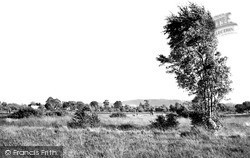
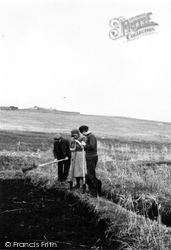
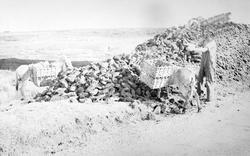
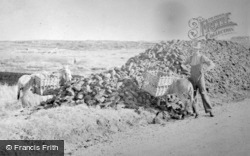
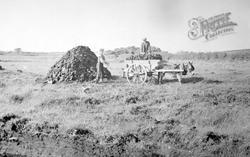
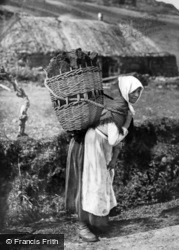
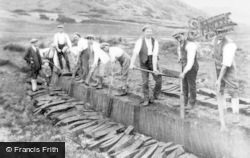
A typical moss landscape of sedge and scruffy birch trees is in the foreground; beyond are some of the traditional peat cutters who were still working the area.
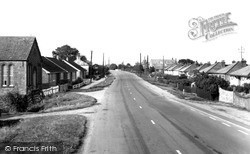
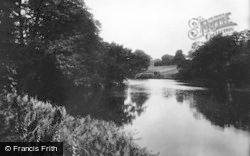
The banks of this river tower over most of the buildings in the village, such is the shrinkage of the local peat landscape.
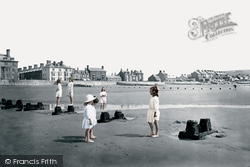
The stumps of massive trees, and the peat they grew in, are sometimes exposed by heavy seas.
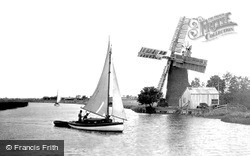
No one is completely certain as to their origin, but it is believed that they are the result of medieval peat workings.
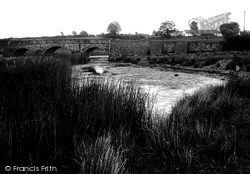
As the plants died, peat formed, which became a major source of fuel for the local inhabitants. The bog is now protected.
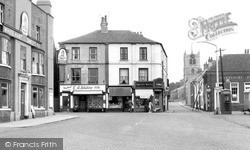
In the late 19th century, many workers from Holland were attracted to this land of canals and windmills as skilled peat workers.
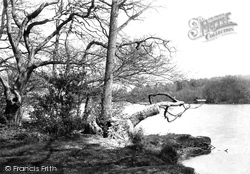
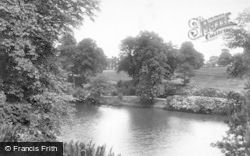
Fritton Lake, like the Broads, originated as a series of peat pits in the medieval period. It was later used as a duck decoy. The ducks were drawn into the decoy by the decoy man's dog.
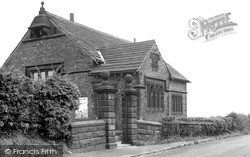
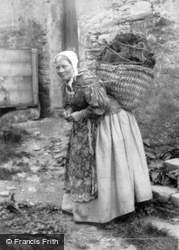
In fact the peat around the village used to be dug by the local people for use as fuel.
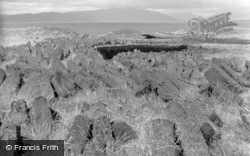
Turf dales were parts of the old mosses where sods were sliced up for peat, to be used as fuel.
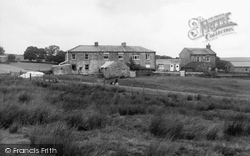
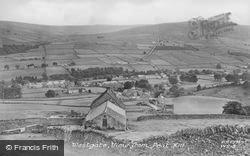
It was here, dur- ing the heyday of the lead mining industry, that the lead was smelted in a mill, though the only intact remnant today is the peat house.
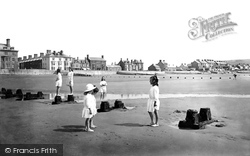
The stumps of massive trees, and the peat they grew in, are sometimes exposed by heavy seas.
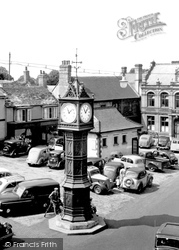
Perched on high ground at the fringes of the Fens, it is a place that conceals its long history - rich finds of Romano-British pottery confirm that it was a considerable settlement in Roman times, with peat being
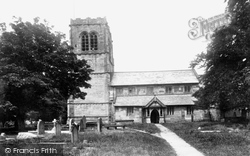
Every freeholder in Mobberley had rights to cut peat from the Moss, usually in their designated `moss rooms` or narrow strips of peaty land.
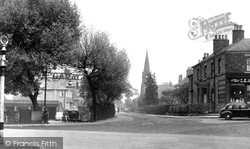
Lindow Moss, the peat bog shared between Wilmslow and Mobberley, is still in places the mysterious half-land half-water landscape where two thousand years ago a Celtic tribe sought to appease the
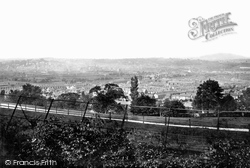
This former town had the honour of being granted city status as part of the 2002 Queen's Jubilee year, beating off some tough competition from several other aspiring Welsh towns.
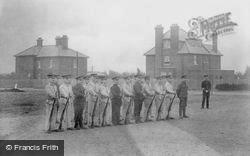
Perhaps they served in the Boer War; in eight years' time these men would be at war again in the battlefields of Europe.
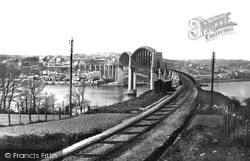
The Admiralty stipulated that it must be at least 100 feet above the water to allow the passage of ships.
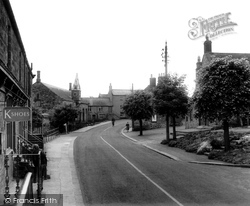
Main Road c1955 Once the market town for Northumberland's principal lead-mining area, Allendale Town also lays claim to be at the geographical centre of the UK.
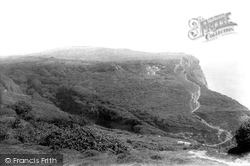
On wilder winter days, with a storm beating up the Channel, the walk along the cliffs east of Hastings can be an exciting excursion, with salt spray soaking the clifftop rambler and fierce winds making
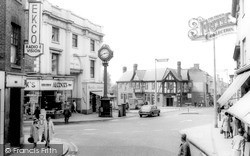
One of the signs in the shop window of Alcock's, just across the road, reads 'Beat Rising Prices - No Tax Increase'.
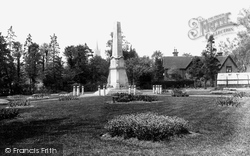
A Peace Parade was held at Stortford in July 1919 when the plans for the memorial in Castle Gardens were announced. By-laws forbade the beating of carpets and driving of cattle through the gardens.
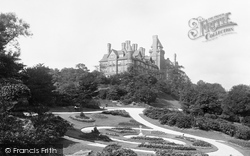
At that time, around 1860, it was considered bad for your health to attempt the whole journey without an overnight stop half-way, which happened to be at Preston.
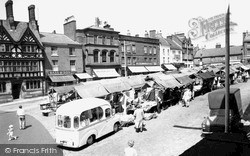
They must either all be at work, or down at Rudyard Lake for the day.
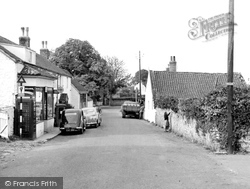
The YHA sign on the right points to the youth hostel that used to be at the end of Eastfield Road.
Places (1)
Photos (24)
Memories (285)
Books (1)
Maps (47)