Places
28 places found.
Those places high-lighted have photos. All locations may have maps, books and memories.
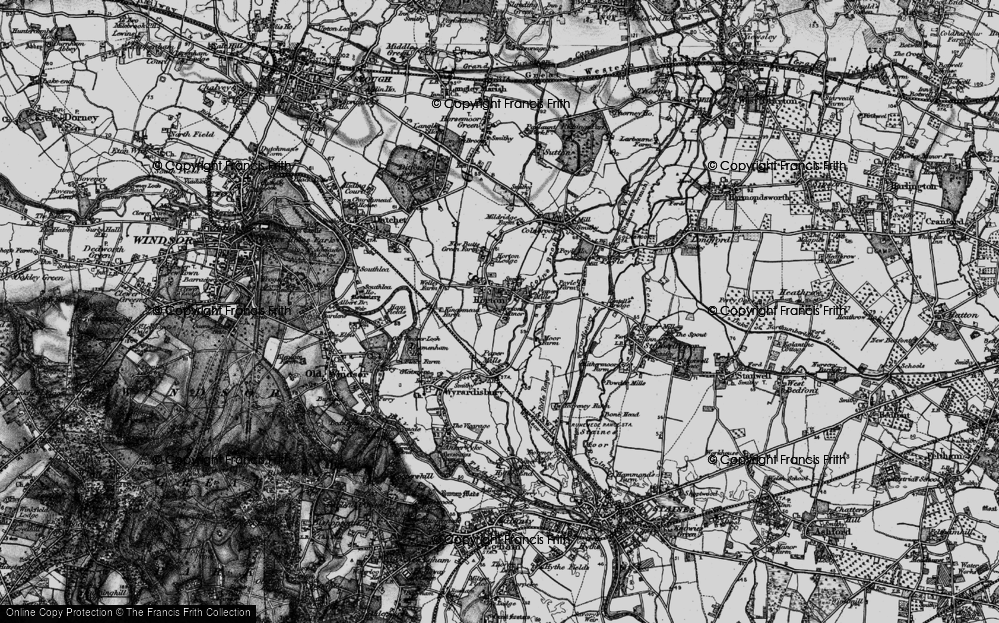
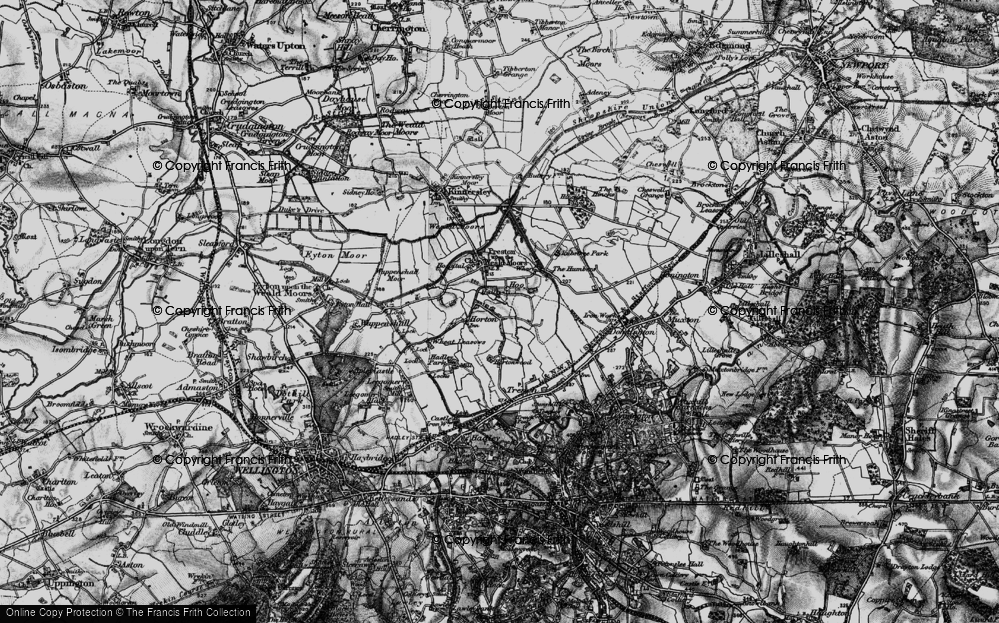
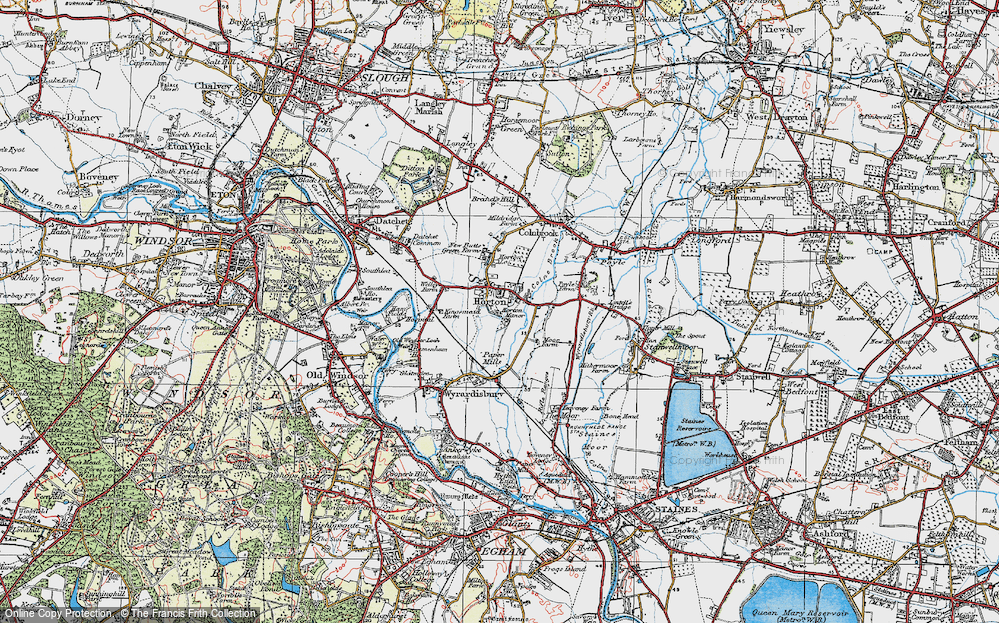
- Horton, Berkshire
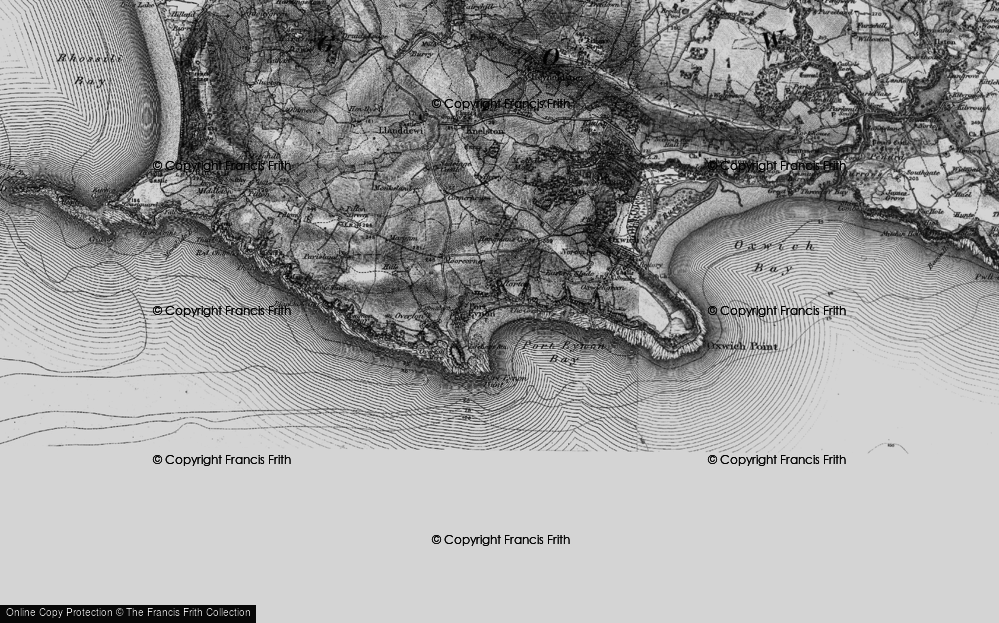
- Horton, West Glamorgan
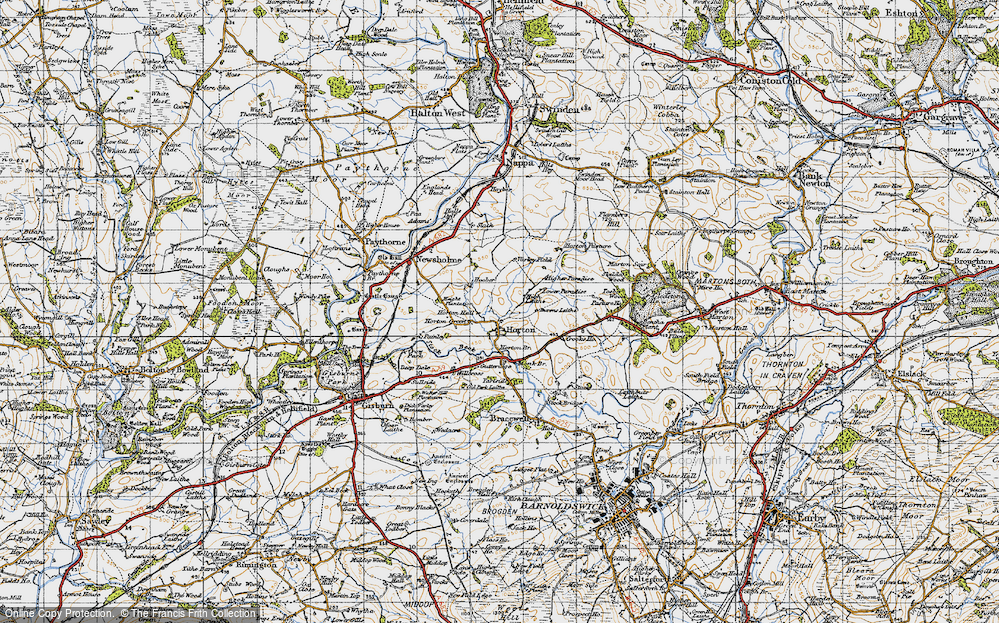
- Horton in Ribblesdale, Yorkshire
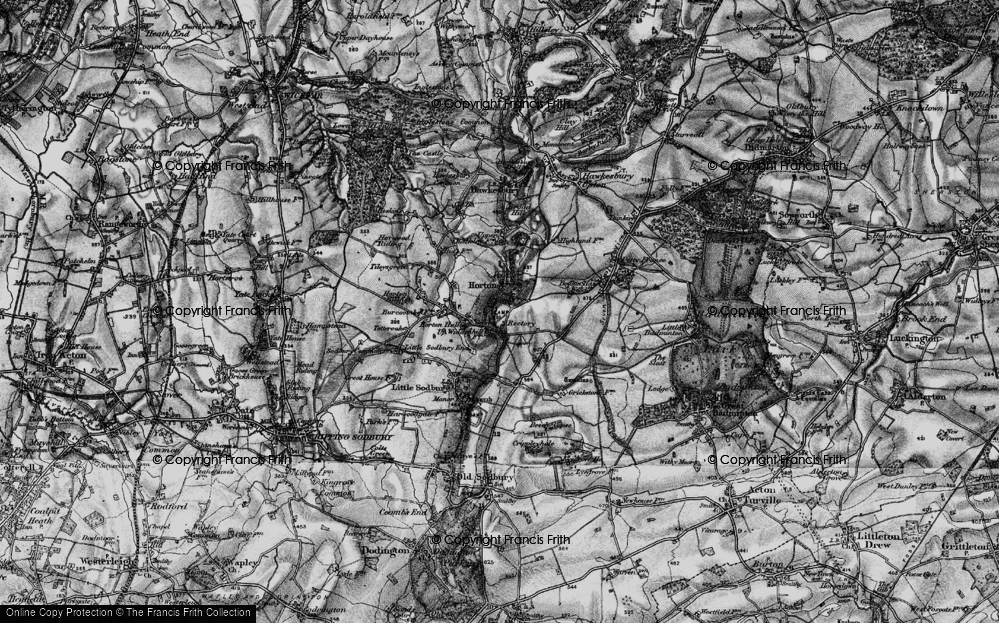
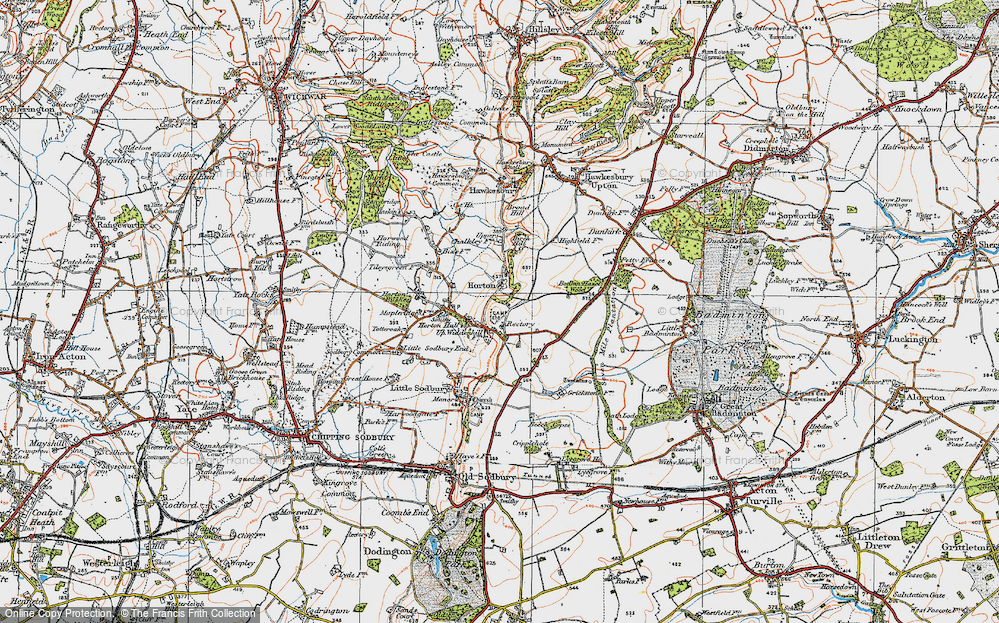
- Horton, Somerset
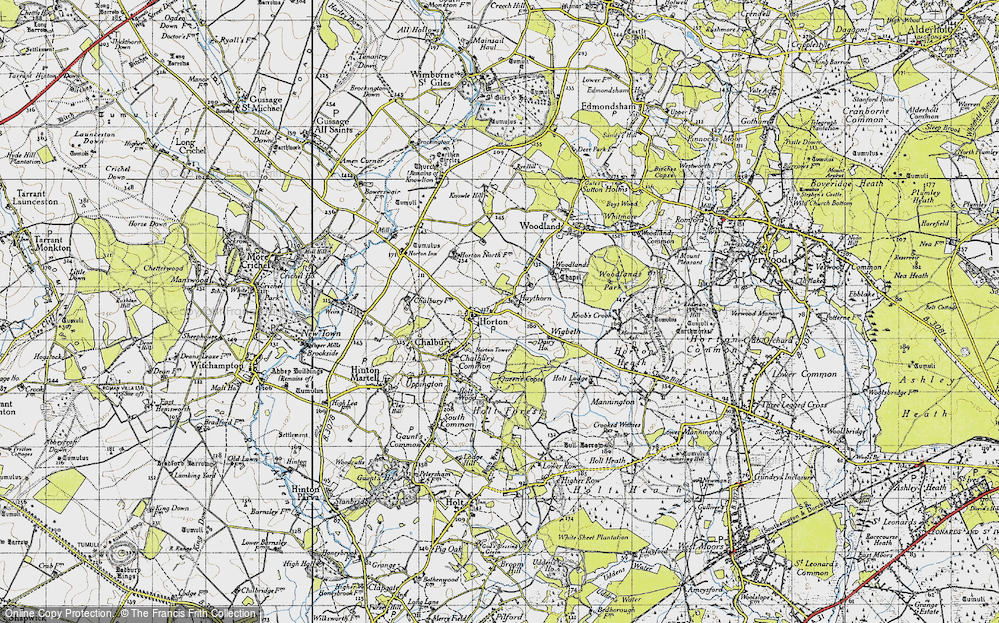
- Horton, Dorset
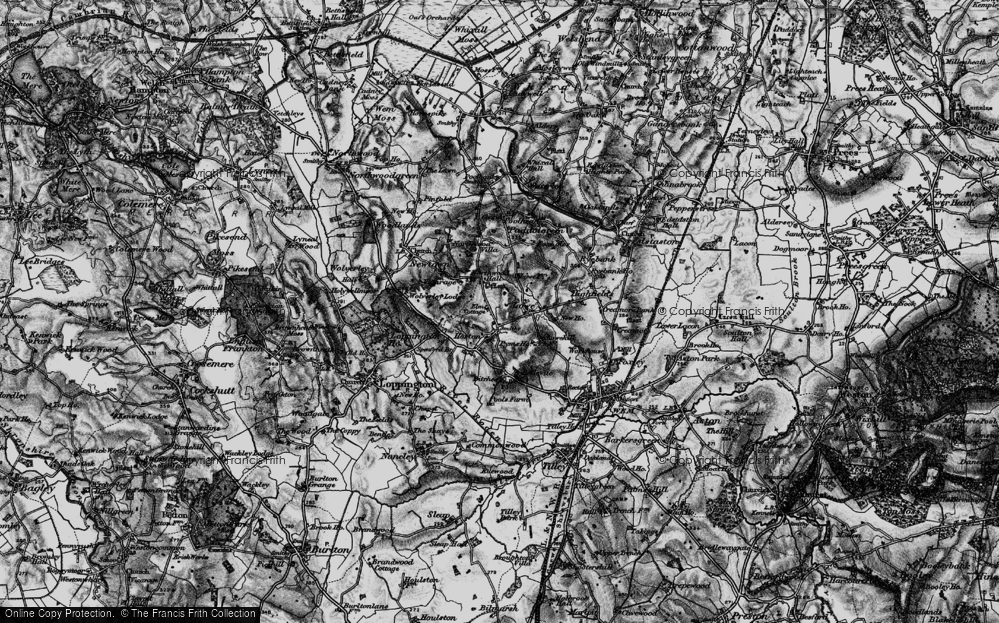
- Horton, Lancashire
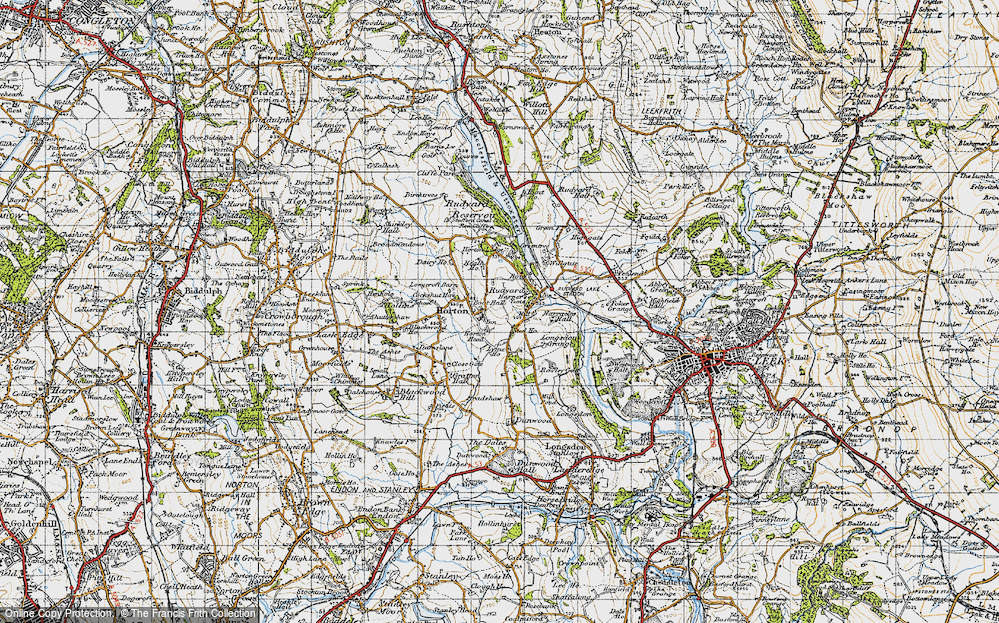
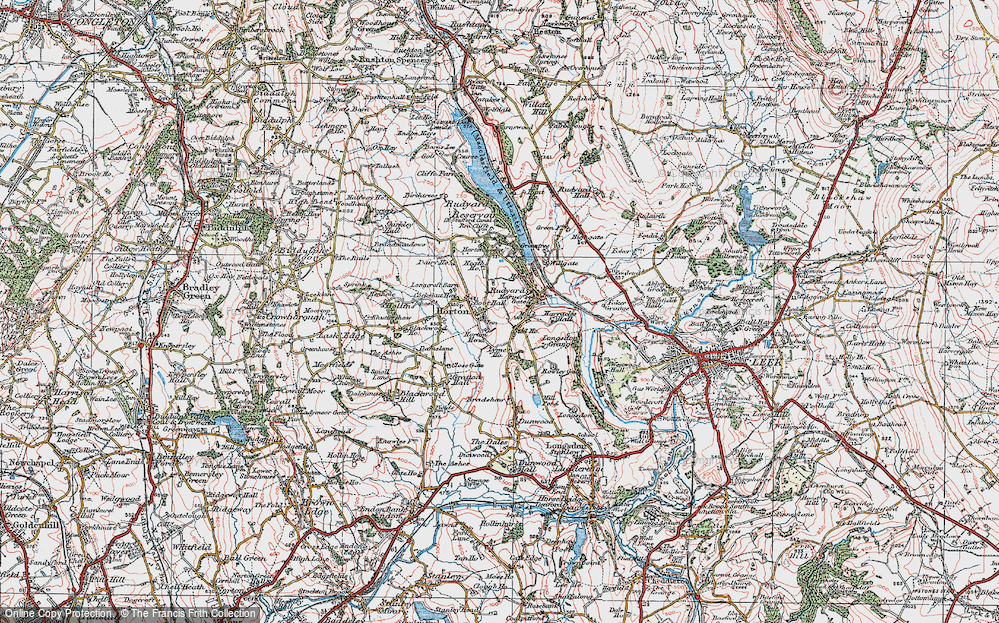
- Horton, Staffordshire
- Horton, Northamptonshire
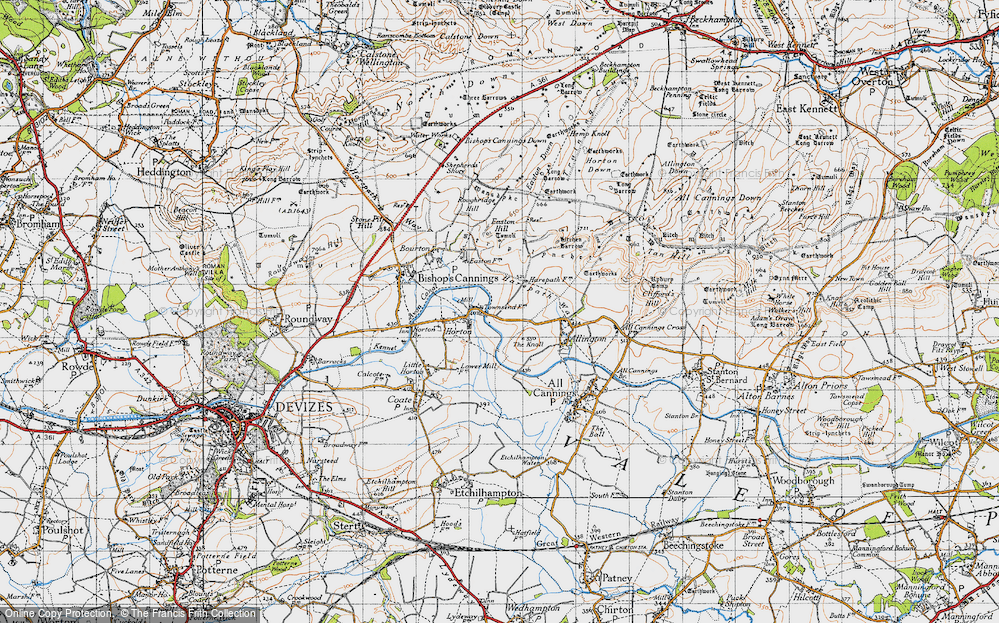
- Horton, Wiltshire
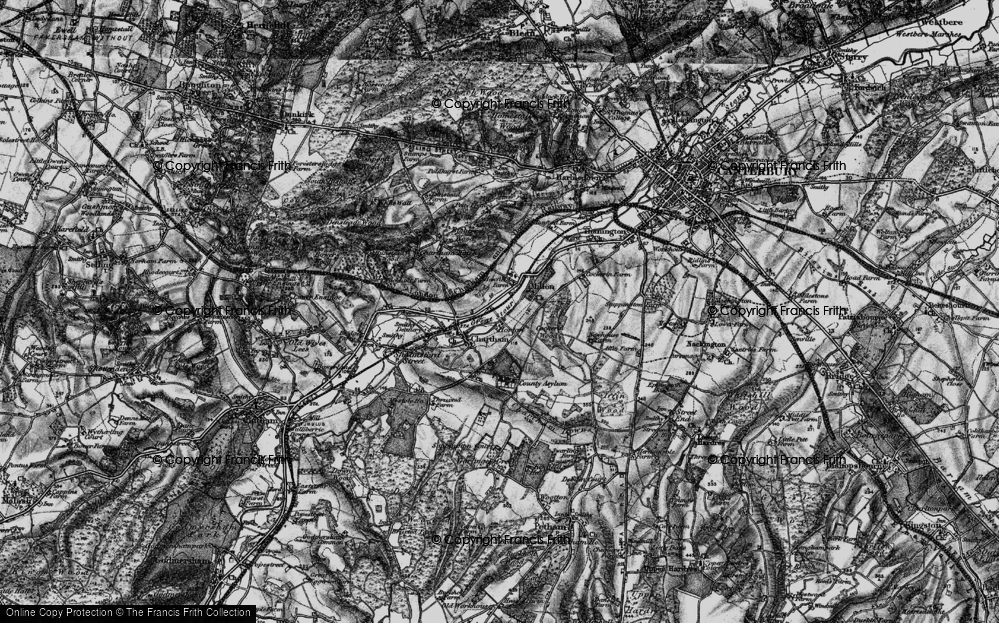
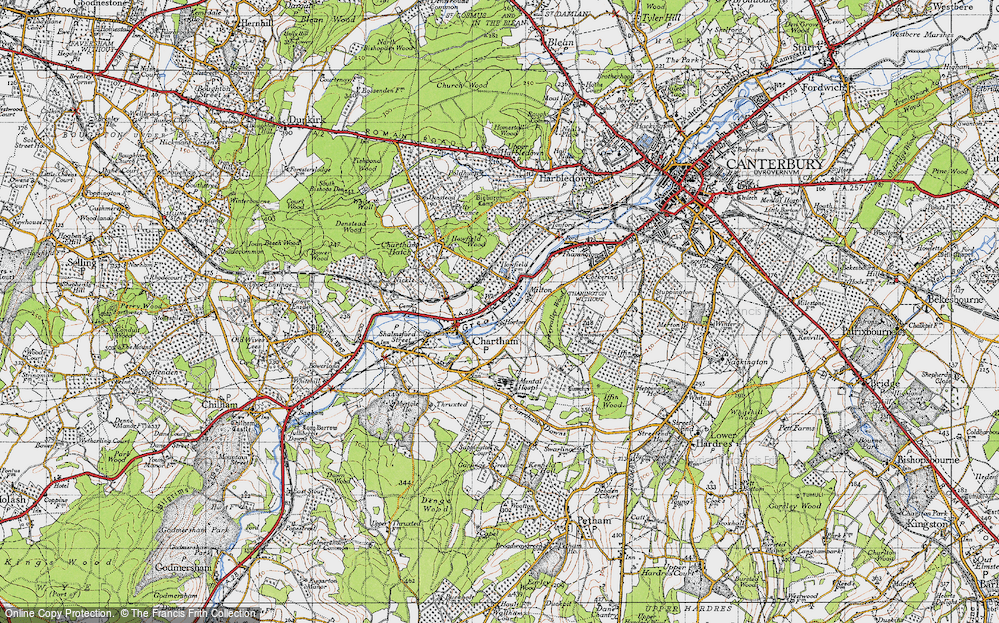
- Horton, Kent
- Horton, Shropshire (near Wem)
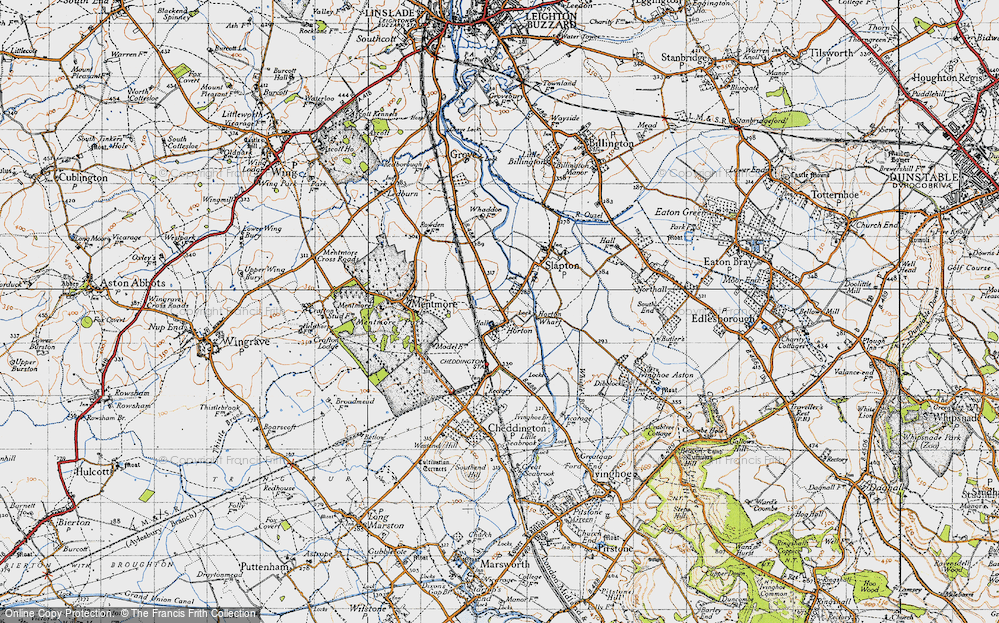
- Horton, Buckinghamshire
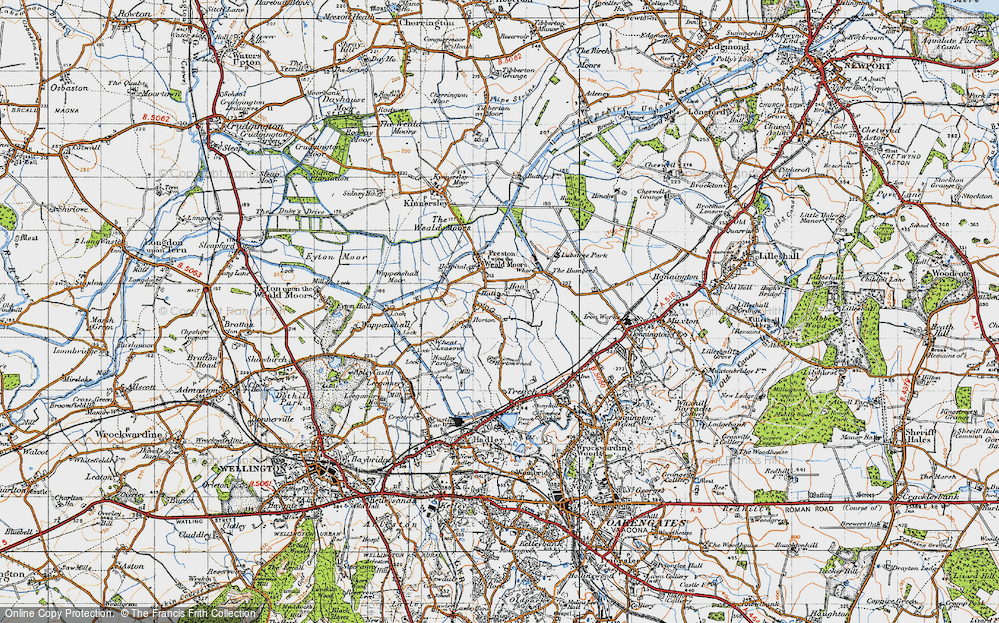
- Horton, Shropshire (near Newport)
- Horton, Avon
- Little Horton, Wiltshire
- Horton Heath, Dorset
- West Horton, Northumberland
- Little Horton, Yorkshire
- Horton Heath, Hampshire
- Great Horton, Yorkshire
- Horton Common, Dorset
- Horton Cross, Somerset
- Horton Green, Cheshire
- Horton Wharf, Buckinghamshire
- East Horton, Northumberland
- Horton-cum-Studley, Oxfordshire
- Horton Kirby, Kent
- New Houses, Yorkshire (near Horton in Ribblesdale)
Photos
204 photos found. Showing results 1 to 20.

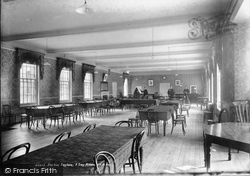
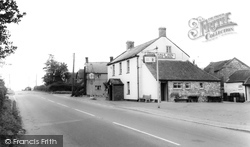
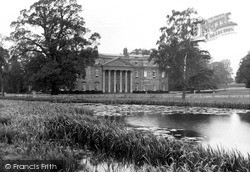
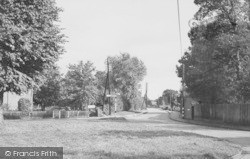
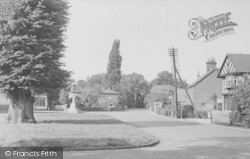
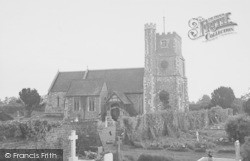
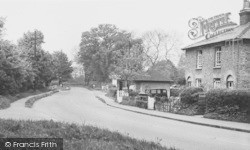
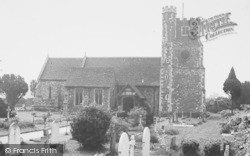
Maps
165 maps found.
Books
Sorry, no books were found that related to your search.
Memories
73 memories found. Showing results 1 to 10.
Early Memories
My birth on 30 Nov 1946 at 34 Oldberry Road, Burnt Oak, is where it all started for me, but my mother & her parents moved into the house when it was built for the LCC. She's 89 now, but recalls that she, as a 9-yr-old in 1928, ...Read more
A memory of Burnt Oak in 1946 by
Fair Oak As It Was
My first day of school was September 1965 at Fair Oak Infants. It wasn't too bad the first day as my Mum was allowed to stay at the back of the classroom, but after that I was left on my own. I became very ...Read more
A memory of Fair Oak in 1965 by
Church Choir
I think it was about 1959 when a new Vicar arrived in the village of Yapton he was the Rev. Nelson. I was 12 at the time, His wife who we only knew as Mrs Nelson decided to start a church choir. So with a few of my cousins and girls I ...Read more
A memory of Yapton in 1959 by
Childhood Memories.
I was born at 50 Nancy Road, Grimethorpe on the 12 December 1944. At this time this address was the White City police house and had the West Riding police crest attached to the front of the house. My dad, Robert Cox, had come ...Read more
A memory of Cudworth in 1944 by
Little Boys Home, South Darenth
My two great uncles were at Horton Kirby Home in 1880's, aged 6 and 10. The 6 year old died of pneumonia there, and the 10 year old went into the army when he was of age. He eventually emigrated to Canada.
A memory of South Darenth in 1880 by
Happy Youth
I first found out about when I moved to Great Horton in Bradford about 1952. I met a boy called Philip Tempest who lived in a house near by, we became life long friends. His parent took me on holiday with them to a cottage they owned ...Read more
A memory of Nesfield in 1950 by
Always A Colliery Lass
I was born late 1959 at Little Thorpe Maternity Hospital. I lived in Arthur Street with my parents Alan and Ada Robson and my newly widowed grandfather Bob Mckee. My grandmother, Lizzie, sadly passed away a year ...Read more
A memory of Easington Colliery in 1964 by
Wartime Camp At Horton Chapel
I was a child living in a large house next to the river at Horton Chapel adjacent to a bridge. In the Second World War in 1944 prior to Normandy, a squadron of Canadian Engineers camped next to the river and built a ...Read more
A memory of Chartham in 1944 by
Christmas Eves 1960s
I was born in Stroud and lived in Cashesgreen and Paganhill until I was 11 when the family moved to Hertfordshire. My aunt lived at Minchinhampton in a house my sister now owns. As children we remember making the then very ...Read more
A memory of Rodborough in 1963 by
Chattin And Horton Shopping Store
IWAS FIVE IN 1964 AND IN THE HIGH STREET WAS A LARGE SHOP CALLED CHATTIN AND HORTON. IT WAS A WONDERFUL SHOP ESPECIALLY AT CHRISTMAS TIME WHEN FATHER CHRISTMAS USED TO BE THERE WITH HIS SACK OF TOYS. YOU ...Read more
A memory of Brierley Hill in 1964 by
Captions
24 captions found. Showing results 1 to 24.
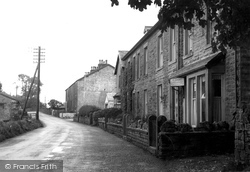
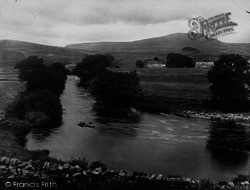
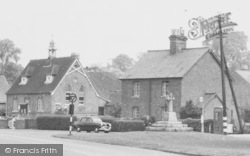
Here we see a quiet corner of the Ribblesdale village of Horton-in-Ribblesdale.
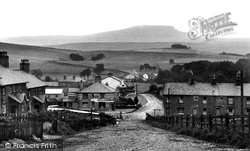
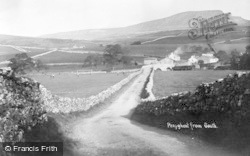
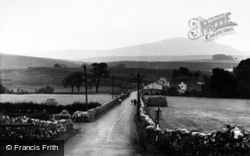
The Ribblesdale village of Horton-in-Ribblesdale is dominated by the stepped profile of Pen-y-Ghent, 2,277 feet high and one of Yorkshire's famous Three Peaks, seen here in the background of this view
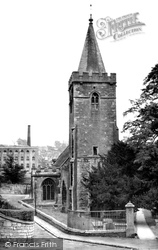
The eastern chapel was the Horton family's worshipping place. The stained glass in the south window has several Netherlands roundels of the 16th century and later.

The third of the grand houses, Horton Place, was still a Tudor mansion although the owner, John Trotter, would have it rebuilt within a few years.
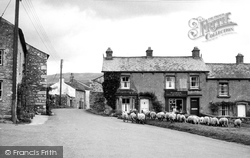
On the way from Clapham to Horton-in-Ribblesdale we pass through the village of Austwick. The village's church of the Epiphany was built as a lecture hall in 1839.
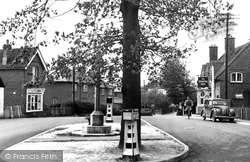
Today the parish of Fair Oak incorporates Horton Heath, and its population is now over 8,000.
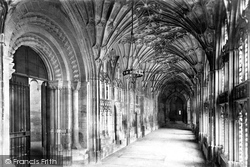
Abbot Horton had started the work, and John Boyfield carried it on. It is one of the most perfect structures of its kind in existence.
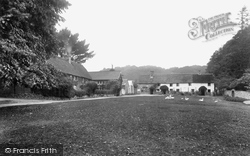
Geese run loose on the grass at Mannington hamlet, midway between the villages of Holt and Horton in the hills north of Wimborne.
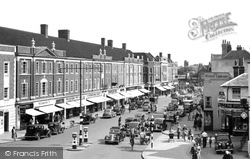
The Downs, like Horton and the common, were now part of London's Green Belt, and no further development would take place on them.
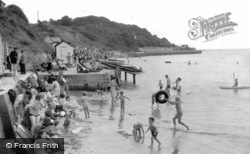
Albert Fort, on the headland at one end of the bay, was built to guard the strategically important waters of the Solent.
Albert Fort, on the headland at one end of the bay, was built to guard the strategically important waters of the Solent.
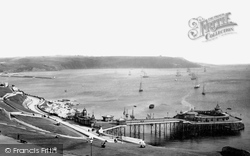
Heights (just right of centre) is not, as local myth says, a wind- break for the golf course on the top of the Heights; it was actually constructed as a gunnery range for troops sta- tioned at Bovisand Fort, on
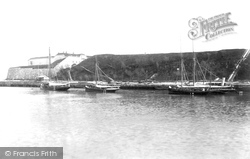
At the time this photograph was taken, the fort on the Nothe was equipped with quick-firing guns, searchlights and accommodation for a battalion of soldiers.
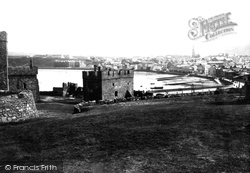
Magnus Barefoot built a timber fort on St Patrick's Isle between c1098-1103.
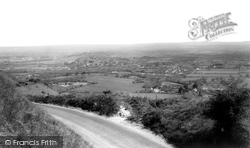
Much earlier than that it was a hill fort. One of the region's great landmarks, Ditchling Beacon reaches a height of over 800 feet and is the third highest point on the South Downs.
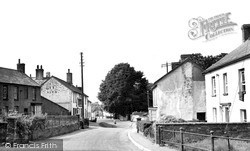
The village, thought to date to Saxon times, takes its name from the nearby hill-fort. On the left here is the Maltsters' Arms, still a thriving public house.
Magnus Barefoot built a timber fort on St Patrick's Isle in about 1098-1103; the bulk of the surviving fortifications date from the time of Thomas, First Earl of Derby, and were constructed in 1460-1504
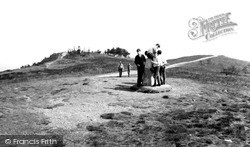
Our Iron Age ancestors appreciated the importance of the site and built a hill fort on the top, but it was abandoned when the Romans conquered the region.
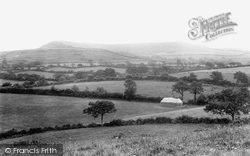
This photograph shows the skyline from the profile of Bell Stone (left, top) along to the ramparts of the Iron Age hill-fort on Eggardon Hill (right, top).
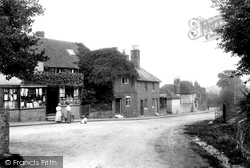
But nearby Oldbury Hill has traces of Neanderthal hunters and an Iron Age fort on its slopes.
But nearby Oldbury Hill has traces of Neanderthal hunters and an Iron Age fort on its slopes.
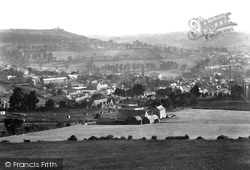
Rodborough Fort, on the skyline, now masked by trees, remains an unmistakeable landmark.
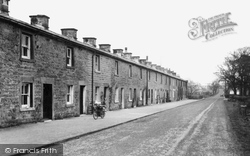
Four hundred of these workers combed wool in their homes at Forton, Scorton and Nether Wyresdale.
His was the thought behind the fortresses that were built in the late 1880s on and around Box Hill; there is still a fort on the summit of the hill, a testimony of a war that was never fought.
Places (28)
Photos (204)
Memories (73)
Books (0)
Maps (165)