Places
Sorry, no places were found that related to your search.
Did you mean: north ness or na h ness or nook ness ?
Photos
12 photos found. Showing results 661 to 12.
Maps
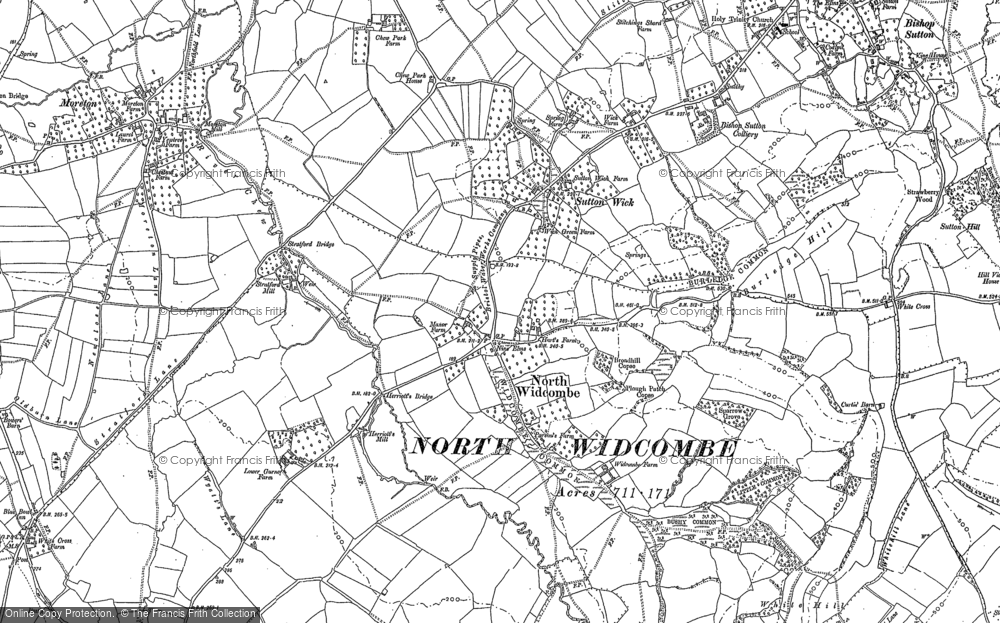
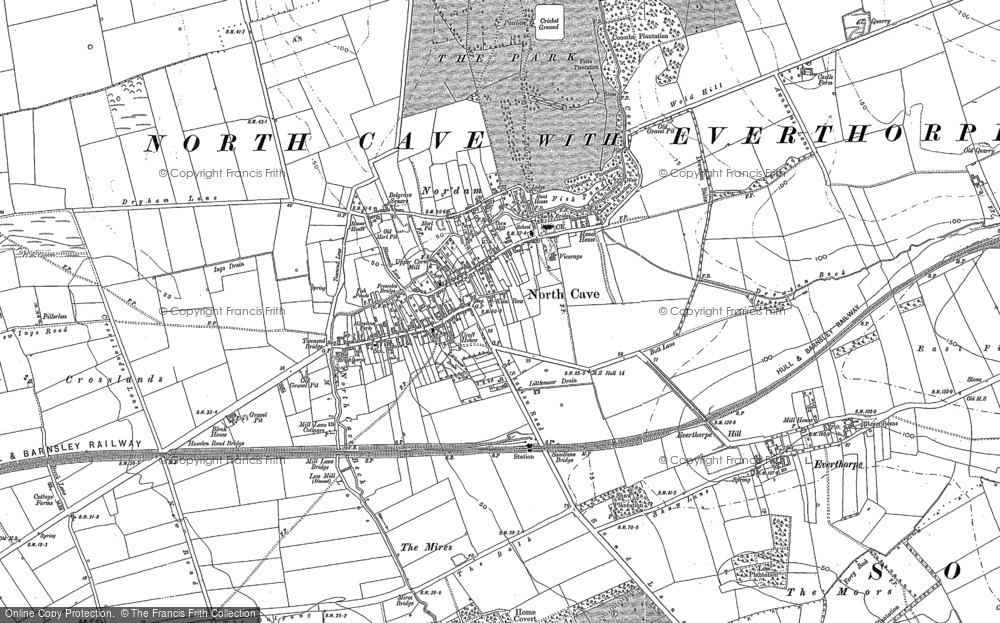
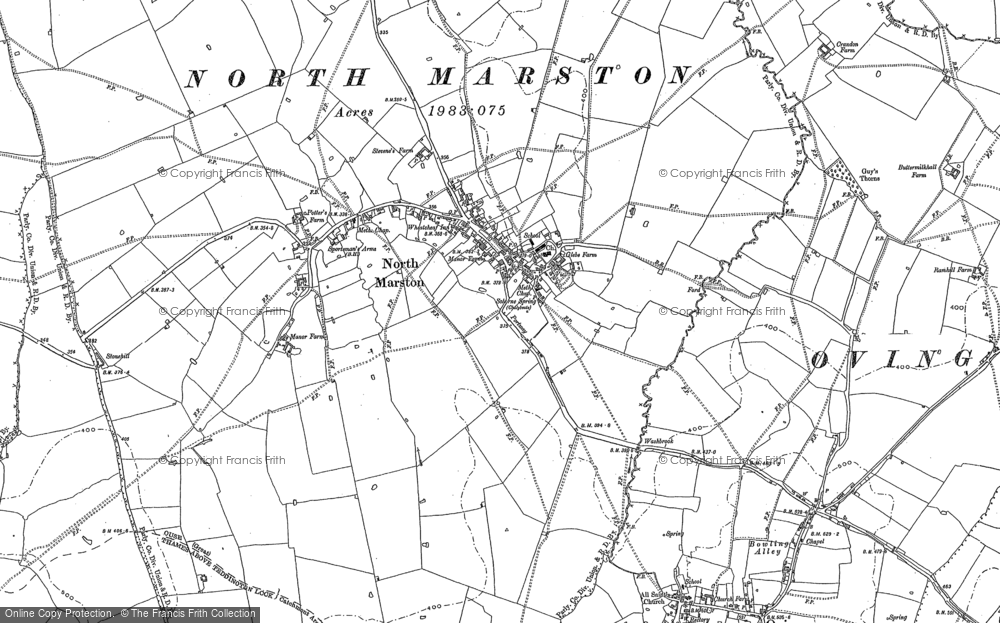
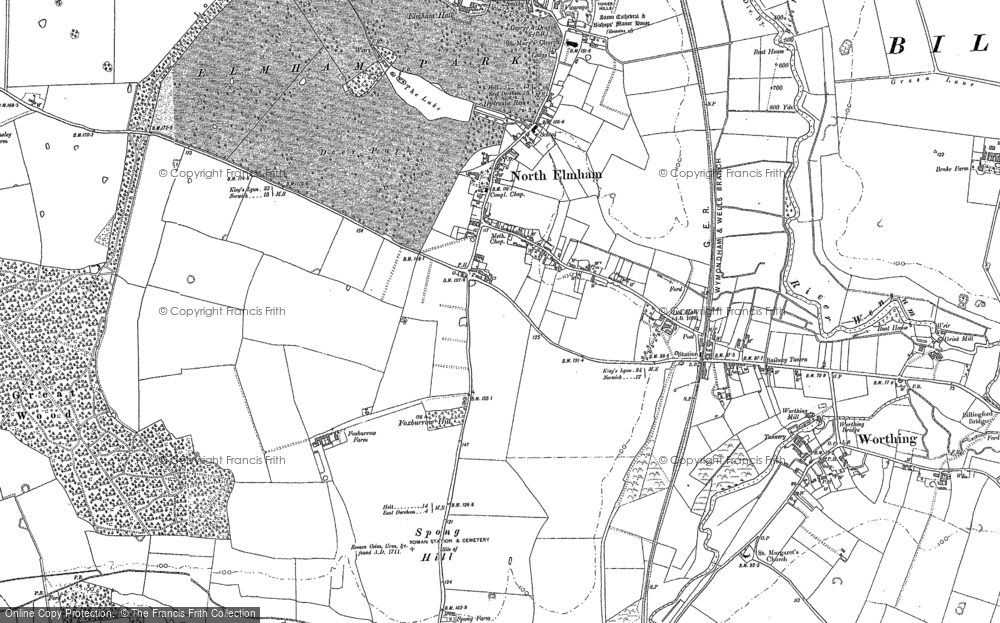
9,582 maps found.
Books
Sorry, no books were found that related to your search.
Memories
4,597 memories found. Showing results 331 to 340.
Coffee And Doughnuts
A friend from work, and I took courses at the Neath Technical Institute. I left Swansea about 7:30am, and had to run down Mount Pleasant to the bus station in order to get to the Institute. For lunch we walked up town to a little ...Read more
A memory of Neath in 1947
Childhood Days
I too have happy and sad memories of Thurnscoe. I started school in 1952 at Hill Infants. Mrs Cartlidge was our teacher. I still remember where I sat behind the door and being given a small blackboard and chalk on my first day ...Read more
A memory of Thurnscoe in 1952
Cookridge Once Fields And Farms
I moved from Holbeck in 1948 into one of the first estates to be built in North West Leeds, Ireland Wood (Raynels). In 1950 I went to Cookridge School, then a wooden hut right slap bang opposite where Cookridge ...Read more
A memory of Cookridge in 1950 by
Happy Days
I have many fond memories of Bodiam and the Castle, from when I was 1 year old in 1943, until I was 15. Along with dear Mum and my two sisters, our whole extended family on my mum's side consisting of several families would move to ...Read more
A memory of Bodiam in 1950 by
The Dreaded Climb Up The Hill
When I was a lad, my mum would take me shopping in Folkestone's town centre. Probably to Sainsbury's in Sandgate Road, Timothy Whites, etc. Being that we lived Wood Avenue area, we would walk down Dover Road & ...Read more
A memory of Folkestone in 1953 by
My Fading Memories
I was but a lad of 8 when my folks bundled us all off to a wide land downunder. Since 1968, Australia has been my home. I often speak of my fading memories of Queensbury, my walks through the village, living on 'The ...Read more
A memory of Queensbury in 1968 by
Wickham Bishops Born And Bred
In 1950 I was born on a cold winter's night to my mother Rosemary Jesse, at 'The Black Houses', Kelvedon Road, Wickham Bishops, built by architect, designer and socio-economic theorist Arthur Heygate Macmurdo. ...Read more
A memory of Wickham Bishops by
Runaway Train
The day of my nan's funeral, a goods train from Newbury's brakes failed, and the signalman switched the train to another track, thus averting a major disaster as a passenger train that was nearly full was heading into ...Read more
A memory of Whitchurch in 1955 by
1939 Onwards I Remember
I was born in 1939, the year war started, and remember being lifted out of bed in the middle of the night and the barrage balloons looked like big elephants in the sky. I also remember the table shelter in the lounge which ...Read more
A memory of Harborne in 1940 by
Newmarket Hospital
I worked in racing stables in Exeter Road. In the spring of 1960 I was injured when a yearling I was exercising suddenly reared and I 'went out the back door', narrowly missing the edge of the pavement, but hitting my ...Read more
A memory of Newmarket in 1960 by
Captions
1,652 captions found. Showing results 793 to 816.

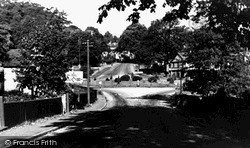
Only 30 years later, it has become just another branch of suburbia. Some picturesque cottages were destroyed to widen these roads and create the roundabout, which now dominates the view.
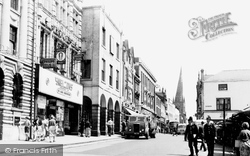
Two helmeted local 'bobbies' stride towards the camera in another view of the Market Place in Chesterfield, looking up the High Street towards the famous Crooked Spire of the parish church of St Mary
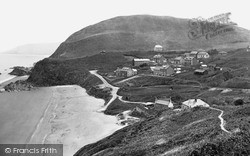
This is another small bay with good shelter and fine sands - here only two boats were built. Until the 1850s there was just an inn and a cottage in the bay, with a limekiln nearby.
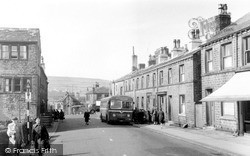
The old flaming torch sign (left) marks the approach to the village school in Holmfirth Road, Meltham, another Pennine edge town founded on the textile industry.
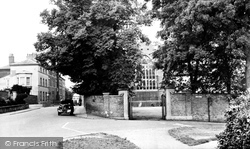
Hence comes the expression a 'Derby game' when two local teams play one another. The school has a charter dating back to the 16th century.
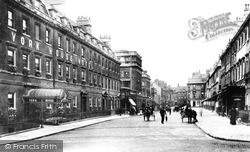
Moving north to the end of Milsom Street, we see George Street, another good street laid out around 1761.
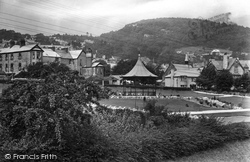
Shortly afterwards the bandstand was removed to this spot from its position on the promenade. It was refurbished and re- opened in July 1990.
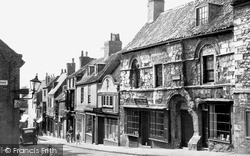
The Jew's House is another of Lincoln's surviving early medieval stone houses: the city has more than most.
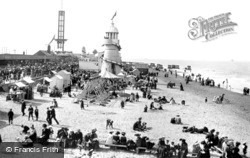
Here we have a wonderfully evocative sign of the times: a beach scene in high summer and not a glimpse of bare ?esh. Cleethorpes liked its helter-skelters, as it had another on the beach.
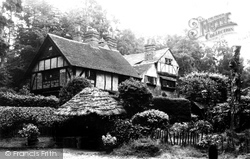
A wealth of timbers, tiles, gables, chimney-stacks and a thatched gateway make another attractive High Road house north of Ruffetts Cottages. It is now obscured by trees and hedges.
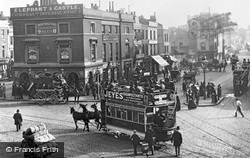
Heavy bombing during the Second World War led to the redesign of the traffic system and yet another rebuilding of the pub.
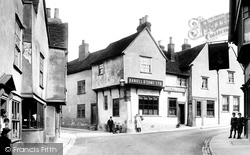
Opposite is the swinging sign of another inn—the Nelson's Head.
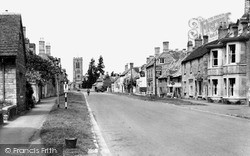
Another wide street, and also laid out as a market, it has many good stone houses, including almshouses of 1877 on the left and several pubs.
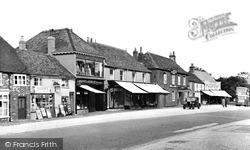
This excellent view of the shops on the side opposite the Market Hall shows an attractive variety of architecture.
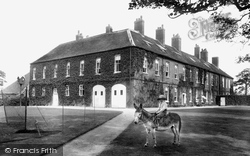
In November 1711 Lord Mohun fought a duel in Hyde Park against the Duke of Hamilton, in which both men were killed. It was not Mohun's first duel.
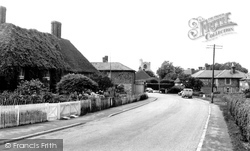
Now only a hamlet, this village was once well-known for the quarrying of Bethersden marble; apart from being used locally, it was used for interior work in both Canterbury and Rochester cathedrals, and
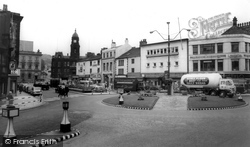
Another national figure was Dewsbury's only MP to become a Cabinet Minister. Walter Runciman, the Liberal MP, headed the Education Board in 1908 and was at the Board of Trade in 1914.
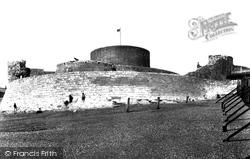
Situated between Hythe and Folkestone, Sandgate Castle was yet another of Henry VIII's fortifications; it was built with rounded bastions in the German style.
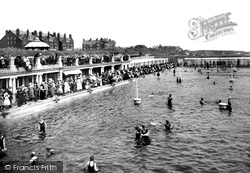
Despite its closeness to the sea, the open-air baths are a popular attraction, but the majority of patrons seem to prefer watching from the poolside or from deckchairs on the balcony above.
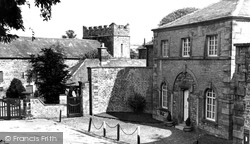
One of the county's earliest churches, it was founded in the 7th century and has several Saxon crosses, one carved with both pagan and Christian symbols.
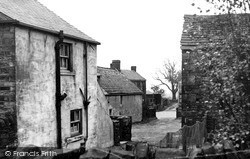
This farming village is not far from Silkstone. Most of the cottages were built in stone from the Greenmoor Quarry.
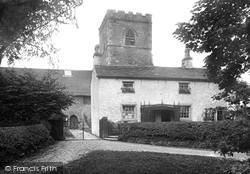
Yet another ancient cross base is located at Mitton Green. So often, these were from the original market cross.
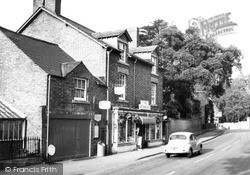
A few miles to the north of Chipping Campden lies Mickleton, a small town that displays both the limestone buildings of the Cotswolds and the traditional half-timbered style of the Vale.
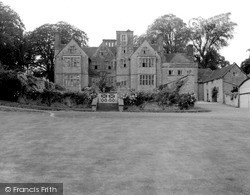
Another Elizabeth, the Queen, stayed here soon afterwards.
Places (0)
Photos (12)
Memories (4597)
Books (0)
Maps (9582)