Places
Sorry, no places were found that related to your search.
Did you mean: north ness or na h ness or nook ness ?
Photos
12 photos found. Showing results 681 to 12.
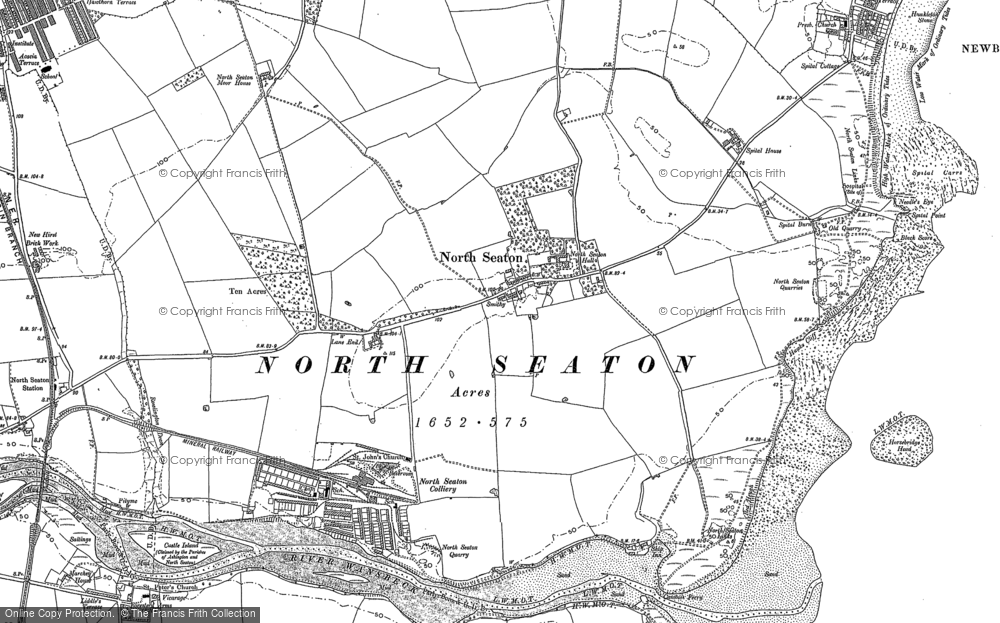
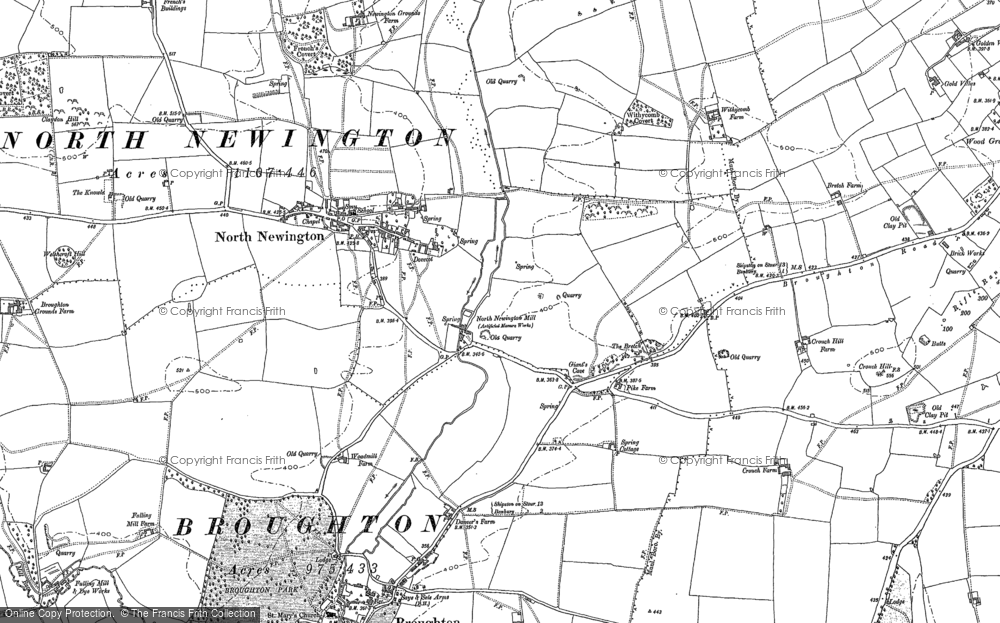
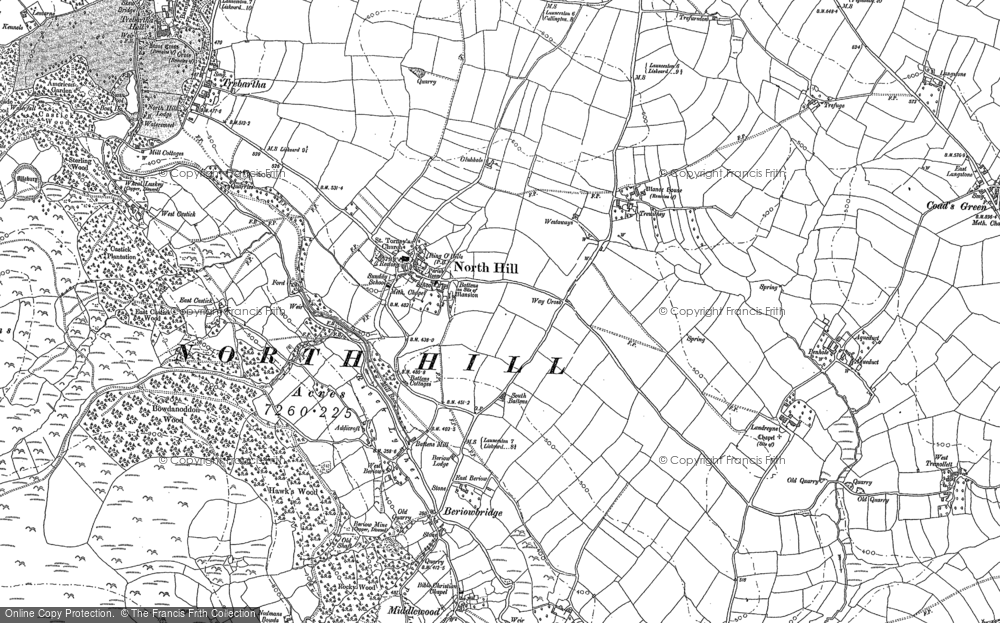
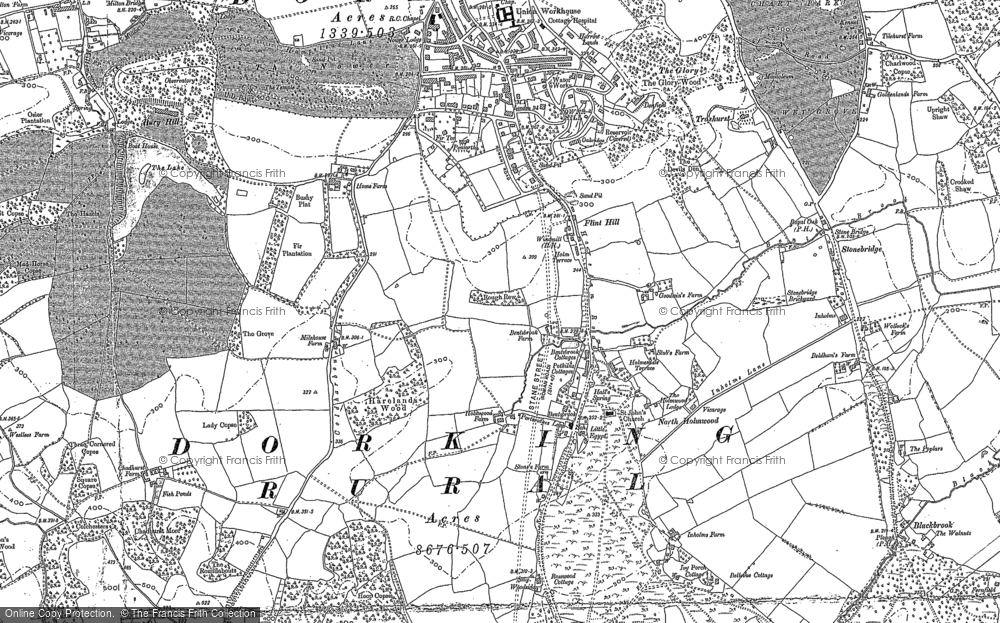
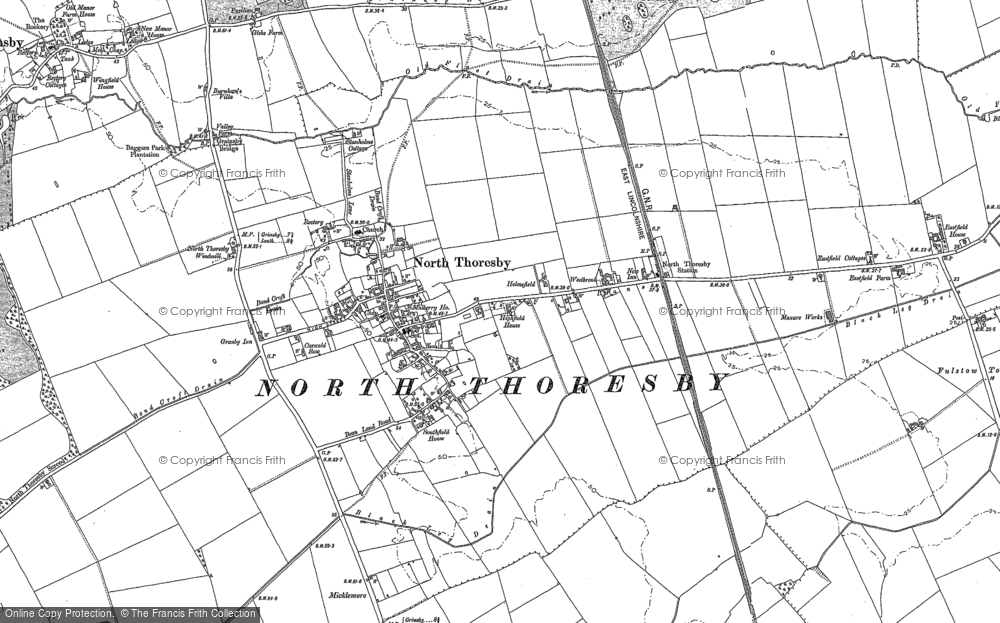
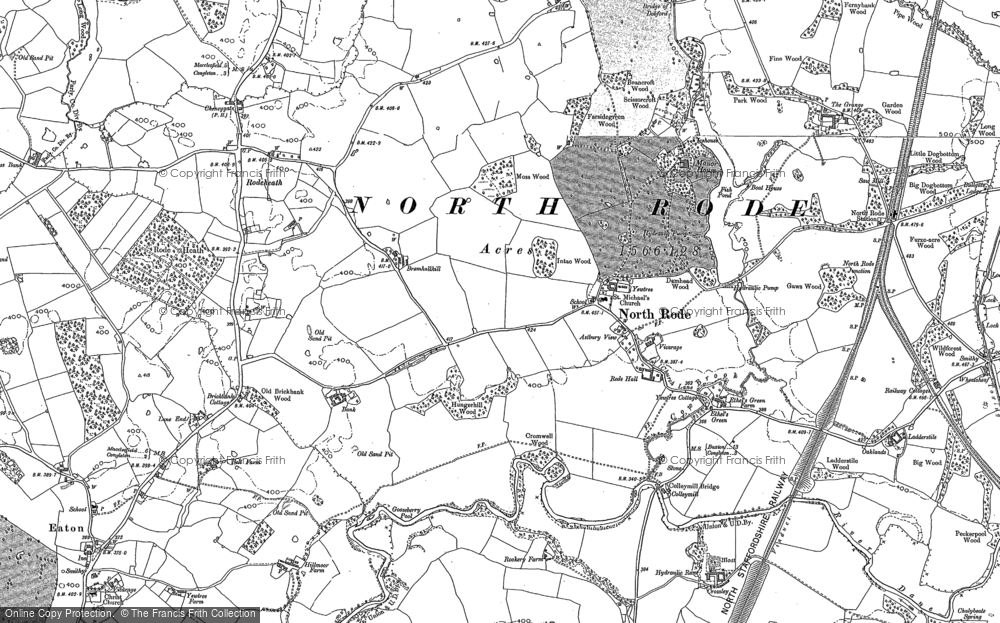
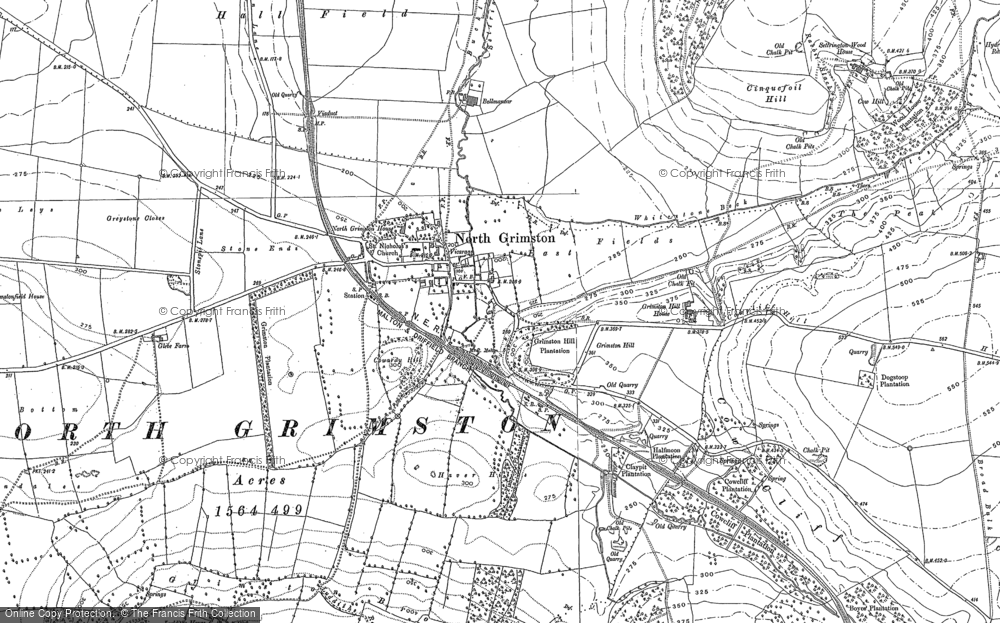
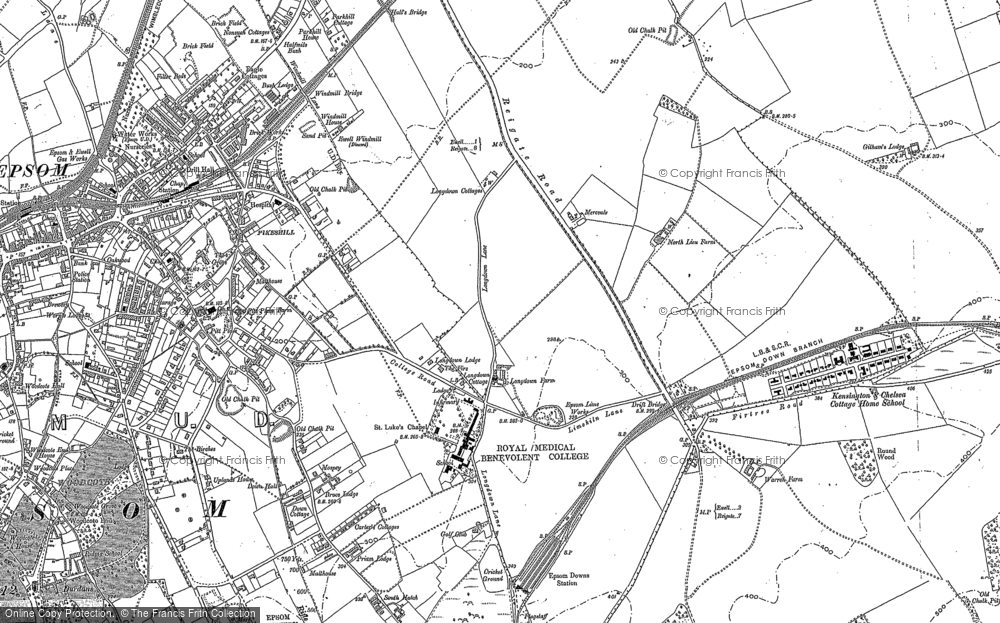
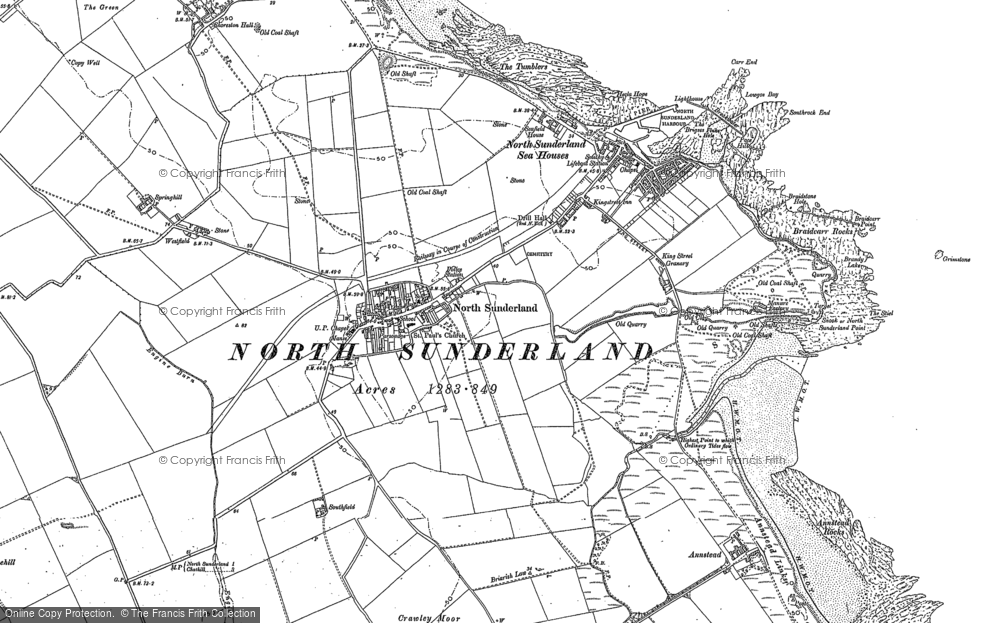
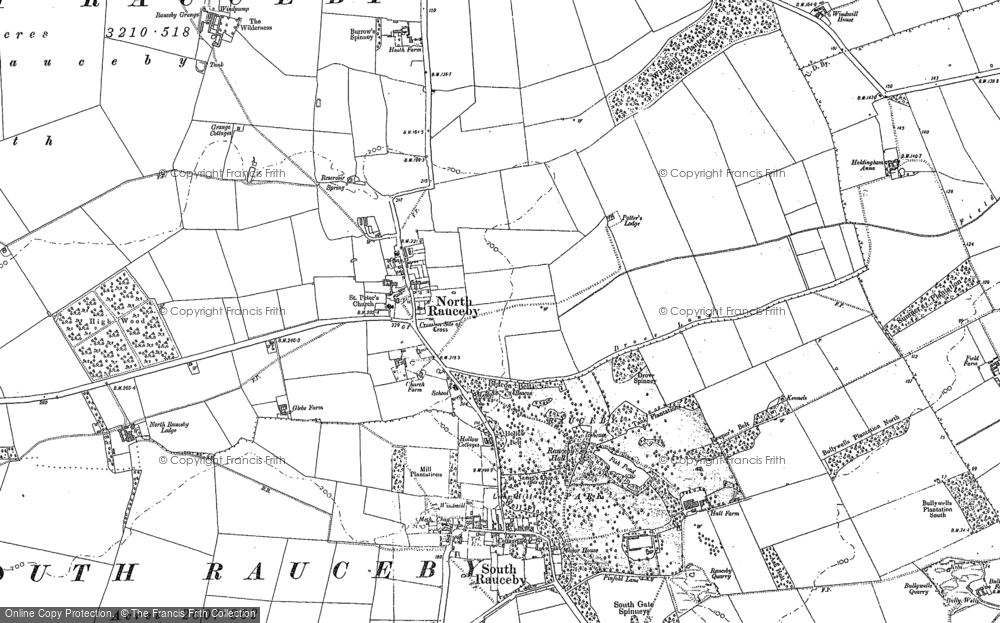
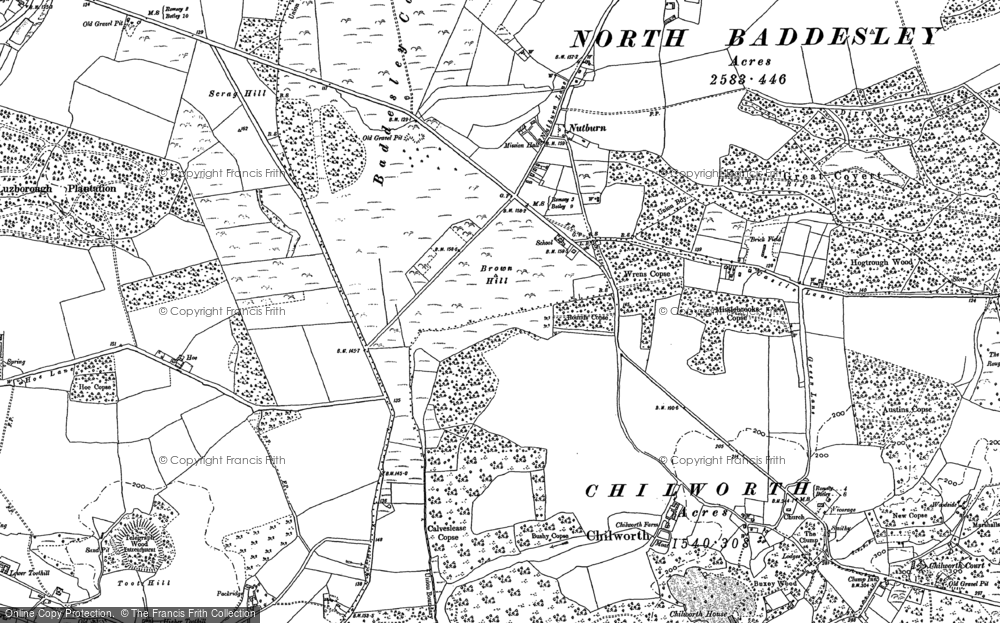
Maps
9,582 maps found.
Books
Sorry, no books were found that related to your search.
Memories
4,597 memories found. Showing results 341 to 350.
Abridge In The 1950's
I moved to Abridge in 1950 when I was ten years old. My parents bought the white cottage on the London Road, which had a wooden building next to it. This very soon became The Poplar Cafe, my mother’s dream of riches! I ...Read more
A memory of Abridge in 1955 by
My Dads Shop
I always remember my dad's tuck shop in Idle, we were the end cottage on Albion Road next to the school. I was only 5 years old when we moved away but it's funny how memories, even at such a young age, stay with you. I remember walking ...Read more
A memory of Idle in 1963 by
Mulben Station 1901 1909
My grandfather, Robert Urquhart, was a Signalman/ Porter, employed by the Highland Railway. He had served at Forres and Elgin before transferring to Mulben, about 1901. Robert (Bob) and wife Margaret (Maggie) already had ...Read more
A memory of Mulben in 1900 by
Derbys Old West End
My father had a scrap-yard in Nuns Street. It was right next to the bridge over Markeaton Brook. I remember always asking to be picked up so I could look over the bridge - I don't know why! Markeaton Brook was filled with old ...Read more
A memory of Derby in 1949
Growing Up In Fordingbridge
I grew up in Fordingbridge between 1949 when I was born and 1967 when I left for University. I have so many memories that I couldn't possibly put them all down here, so I am just selecting a few good or striking ...Read more
A memory of Fordingbridge in 1960
Crichel House During The War Years
Dumpton House (Preparatory) School was evacuated to Crichel during the Second World War from Broadstairs in Kent. My older brother (Paul Cremer) was already at the school and due to the war my parents sent me ...Read more
A memory of Crichel Ho in 1940 by
Pontypool
My family lived in The Globe in Crane Street from 1973 until I guess 1980, although I had left in 1979, John and Kitty, ran a fab pub which was always very busy with many customers working in the council and police station. The pub was ...Read more
A memory of Talywain in 1978 by
R & H Law
My Grandfather, Harry Dewhurst, was a partner/owner (I am not sure of the exact commercial position) of R & H Law (Main Street, Grange-over-Sands) in the 1950s. I remember R & H Law having all all four shop fronts as per ...Read more
A memory of Grange-Over-Sands in 1960 by
An Evacuee During Ww11
Packed off to Lostwithiel in the train from Paddington and found myself living in the Black Prince's Castle - Restormal. Well not quite, the farm on the Estate. I was baptised in St Winnow C.of E Church as part of our ...Read more
A memory of Lostwithiel in 1930 by
The Original Grove Hotel In Stapenhill
When I was about 4 years old in 1948 my Auntie Jess and Uncle Albert (Haynes) ran the Grove Hotel at Stapenhill. It was the original one, not the one which is there now. It was a really lovely old ...Read more
A memory of Stapenhill in 1948 by
Captions
1,652 captions found. Showing results 817 to 840.

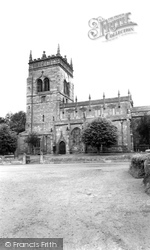
He was also the first man ever to captain England at both cricket and rugby.
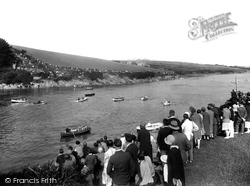
Spectators on both sides of the Gannel are enjoying the annual August regatta. How different the Gannel looks at full tide.
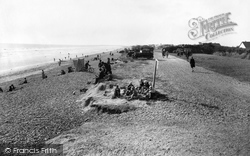
Both villages, which lie at the end of the Selsey peninsula, just a few miles from the historic cathedral city of Chichester, have long been associated with seaside holiday recreation.
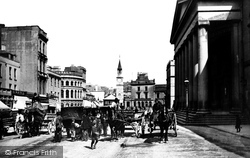
Serving both a rural area round about, and hundreds of overseas ports by way of trade, Plymouth reached its mercantile heyday in Victorian times.
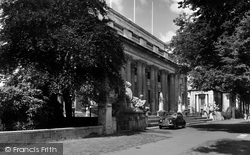
The statues flanking its main entrance steps portray mining and nautical navigation themes - both endeavours vital to the prosperity of the city and county.
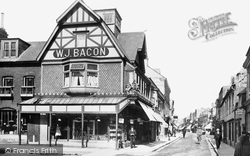
W J Bacon's general store has awnings and a covered walkway to protect customers from both sun and shower. Notice the coat of arms above the corner of the street.
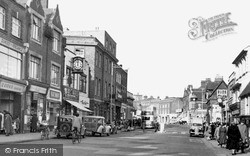
The crowded and busy pavements on both sides of the street, and the pedestrian crossing marked with belisha beacons in the middle of the photograph, show little indication of the enormous weight of motor
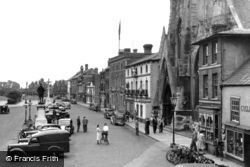
Looking in the opposite direction to No S23030 (page 79), we can see on the right-hand site of the street two of the 48 public houses that could be found in the town in 1889.
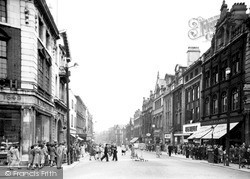
old-established drapers Lee & Clarke, then came the Public Benefit Boot & Shoe Co, Gaskell's the butchers, Hallett the jewellers (goldsmiths and silversmiths), Carter's Cafe and finally the awnings of Hodgkinsons, another
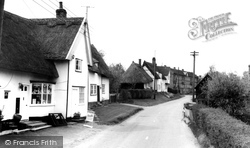
Both the Post Office, now Swan Cottage and Tudor Cottage date from the 17th century. The larger house with the dramatic jetty (centre) is Highbank, a medieval hall house.
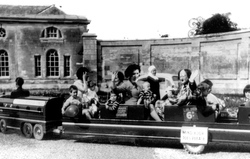
The miniature railway at Cofton Wood was nearly as popular as the tea room, though one cannot help wondering if the adults in this picture are not just the teeniest bit embarrassed.
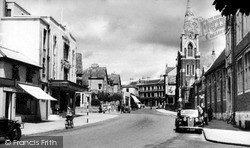
Two landmarks oppose one another on a busy route from the railway station.
Serving both a rural area round about, and hundreds of overseas ports by way of trade, Plymouth reached its mercantile heyday in Victorian times.
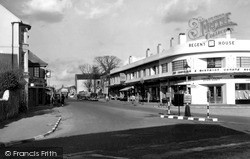
The ancient village of Lancing, now by-passed by the A27, is swallowed up by suburban sprawl which is continuous south to the sea.
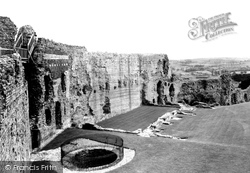
Both town and castle were put to the torch; the damage to the former was such that when reconstruction started much of the town was built outside the old walls.
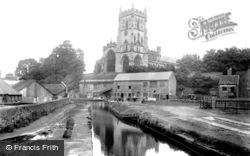
In later years, both the River Stour and the associated canal system were used to transport carpets on the first stage of their journeys to the marketplaces of the world.
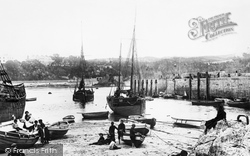
This is another excellent view of the harbour. There are many children who have presumably been drawn to the permanent excitement of a busy port.
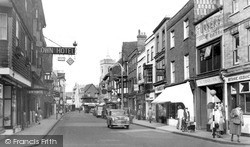
The old Crown Hotel is soon to close and become another High Street shop.
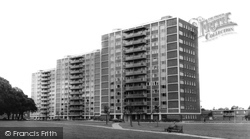
These are Coppice House, Hollypiece House and Homemeadow House, named after fields on the Fox Hollies estate. The flats occupy the site of Zaccheus Walker's mansion, The Hollies.
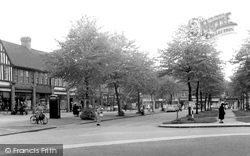
Here we have another view of the shopping parade, looking west towards Shaftmoor Lane.
The miniature railway at Cofton Wood was nearly as popular as the tea room, though one cannot help wondering if the adults in this picture are not just the teeniest bit embarrassed.
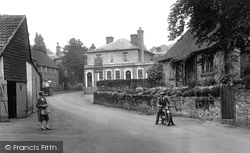
Built in the mid 19th century, it occupied the site of a former hop garden attached to the rear of another pub, the White Horse, which had been in business since the late 17th century.
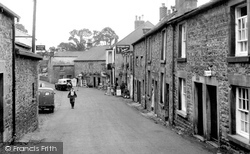
Chair-making was another speciality, and there is still a chair-maker here by the church.
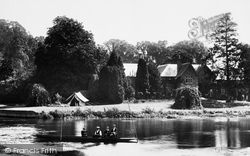
This view of the Mill House, further north along the Buckinghamshire bank, captures wonderfully the curious formality of late Victorian leisure activity as the fishermen sit stiffly in
Places (0)
Photos (12)
Memories (4597)
Books (0)
Maps (9582)