Places
Sorry, no places were found that related to your search.
Photos
Sorry, no photos were found that related to your search.
Maps
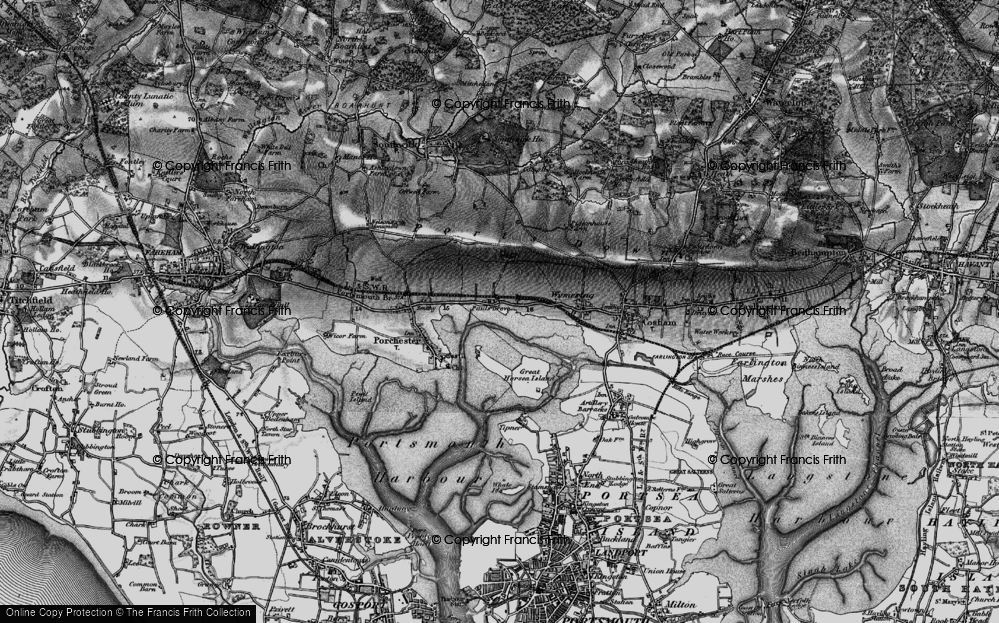
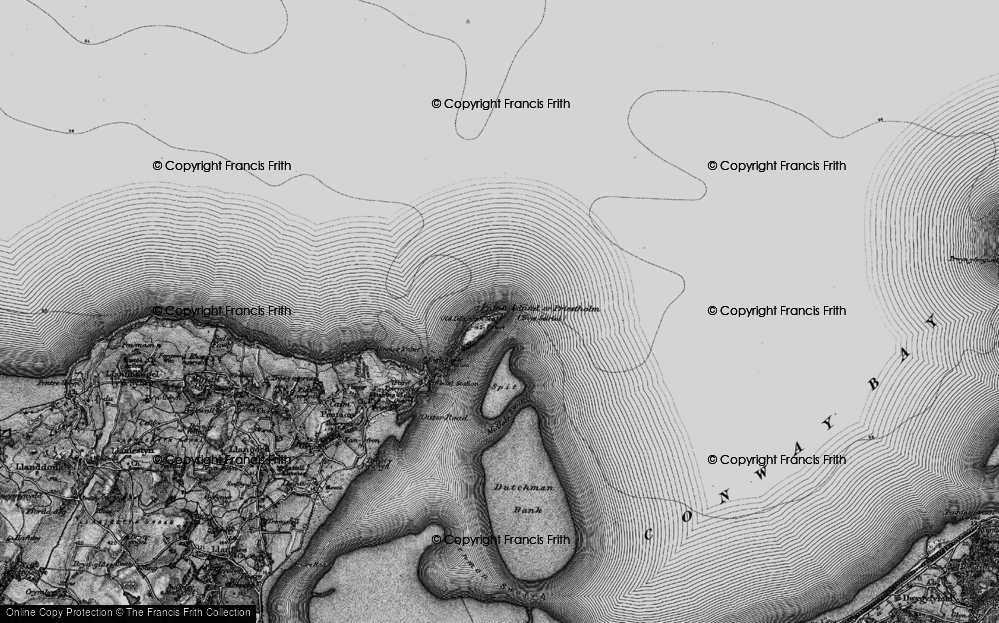
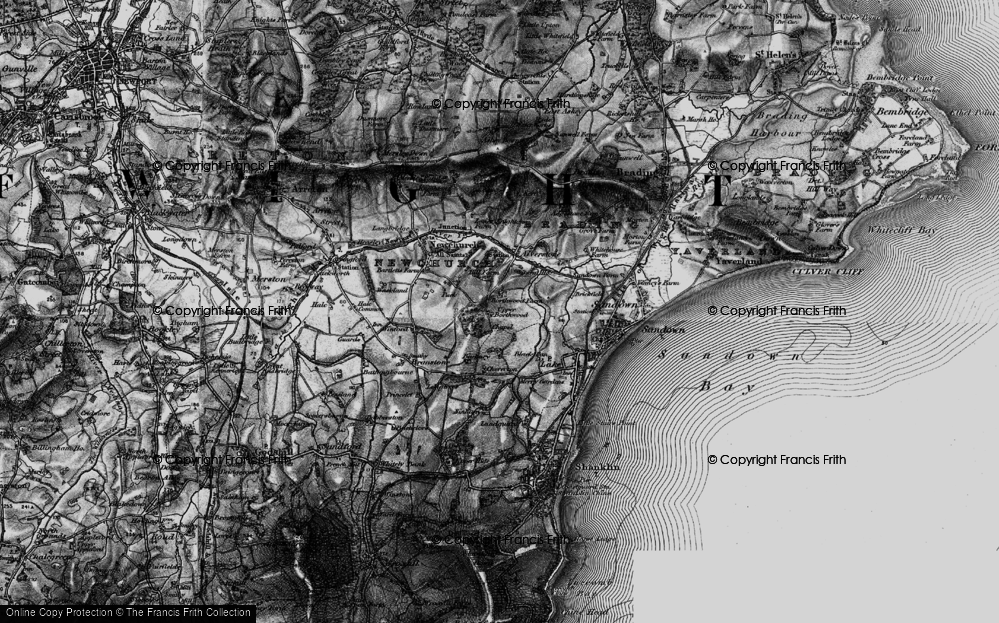
7,034 maps found.

Books
163 books found. Showing results 3,865 to 3,888.
Memories
22,912 memories found. Showing results 1,611 to 1,620.
Ratfyn Power Station
In the 1950s I was in the Royal Engineers and came over from Germany to our school of military engineering at Chatham where we did a course in electrical power stations. We were then posted to Bulford barracks, and did our ...Read more
A memory of Bulford in 1954 by
Remembering Byfleet
I was born in Byfleet in 1950. We lived in Binfield Road. Later I moved to the hotel that was built where the village green is now. My mother Beatrice Stenning was the housekeeper, cook, maid and everything in between. My dad ...Read more
A memory of Byfleet by
Hall Of Reepham
My HALL connection from East Yorkshire to Norfolk comes from my 2 x Grandfather Robert Hall born Hackford 1847 to Thomas Hall and Dorothy Mary Ann Juby. Robert's siblings were Jeremiah 1839, Amelia Sarah Ann 1841, John 1844, George ...Read more
A memory of Reepham by
Fleur De Lys
My mother grew up in Lowsonford, her parents owned the Fleur de Lys, it was a wedding present from my great-grandad. My grandmother, Mrs Elizabeth Tarplee, started to make steak pies at the pub for the passing boats. My mother had ...Read more
A memory of Lowsonford in 1920 by
Explosion At Ici Broom 11th February 1954
It is 56 years this week since my beloved husband, WALTER JOHNSTON was killed in an explosion at the ICI plant known as The Broom, at POWFOOT, Dumfriesshire.He was 26 years old, tall, handsome (Gregory ...Read more
A memory of Powfoot in 1954 by
West Street Shops
Shops on West Street in the 1960s were left to right: Merritts the butcher next door to Blackiston the butcher, famous for the specialty sausages, also had its own slaughterhouse and in the back garden an Anderson shelter used ...Read more
A memory of Midhurst in 1960 by
New Lanark Mills
New Lanark World Heritage Centre, the Mills and Robert Owen's and David Dale's houses belonged to my grandfather the late Jack Williamson, his company was Metal Extractions. It is a travesty and a tragedy that his property was ...Read more
A memory of Lanark in 1973 by
Loveday's And Blewers
My mum is a Loveday and her mum and dad, Sid and Amy, ran Kaysland caravan park. Mum married my dad George Blewer, and they had us three kids. Grandad Blewer had the timber yard and then my Uncle Johnny took it over. ...Read more
A memory of West Kingsdown by
Clare Park
I lived in Larkfield but have very fond memories of Clare Park Secondary School. I only went there up to 4th year as in July 1980 we emigrated to Australia. I can remember the cross country run in the middle of winter and trying ...Read more
A memory of East Malling in 1979 by
Harrow Farm
My grand x3 grandfather James Sewell lived at Harrow Farm, he worked as a farm labourer. There was land named Sewells land which was auction by the Boggis estates and sold in 1914. Another ancestor, James, was a publican and ...Read more
A memory of South Hanningfield in 1870 by
Your search returned a large number of results. Please try to refine your search further.
Captions
9,654 captions found. Showing results 3,865 to 3,888.

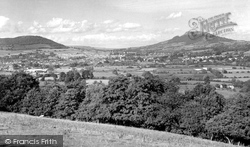
The church, castle and market hall, the historic heart of the town, remain at the centre, but more modern housing fans out from it in this scene.
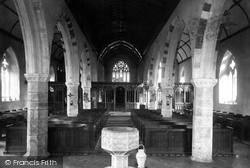
The church interior was restored in 1877, an event which caused the Reverend Sabine Baring Gould (of 'Onward Christian Soldiers' fame) to rush back from London to prevent his ancestors' memorials being
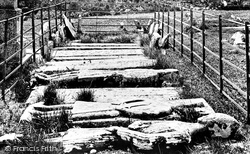
Such was Iona's importance in Scottish history that nearly 50 of the country's kings are buried here, along with many chieftains of the local clans.
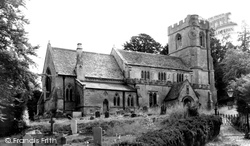
The parish church appears quite imposing on its elevated position.
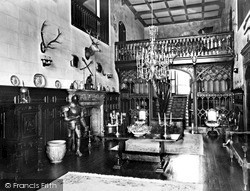
By the 1960s, time had taken its toll on the castle and it was in a poor state of repair.
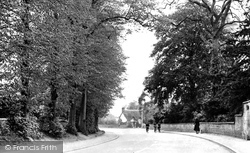
Originally known simply as Cleeve, this village gained its prefix at the time when it was owned by the Bishop of Worcester.
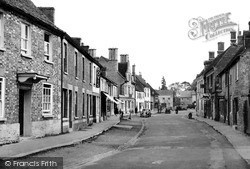
This is one of the three roads leading to the Market Place, shown at the far back of this view.
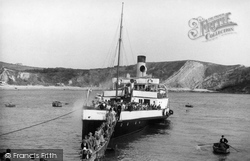
Immortalised in literature and art, and the subject of a thousand picture postcards, Lulworth Cove is at the top of everyone's sightseeing list for Dorset.
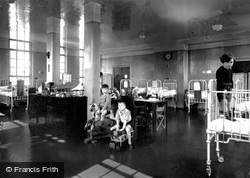
These children are part of the post-war baby boom. Although on a busy road junction in central London, the wards had rural views thanks to the extensive Brompton Cemetery at the back.
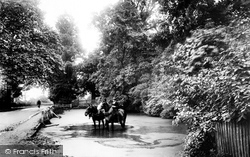
Two draught horses are watered at the tree-fringed roadside pond.
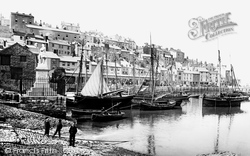
William of Orange, whose statue looks away from the sea and towards England, landed at Brixham on 5 November 1688 to depose the Catholic King James II and to herald 'a glorious revolution'.
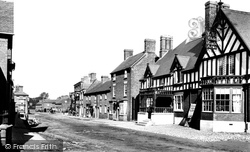
It offered garaging for automobiles, but anyone intending to stay at the King's Arms had to either to send a wire or turn up on spec, as there was no telephone.
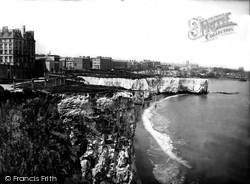
The chalk cliffs of the coast at Broadstairs show superbly in this late Victorian view, looking across Louisa Bay and Viking Bay towards the harbour, in the days before any coastal protection work
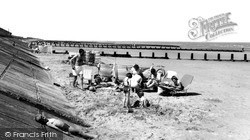
The sea appears to be calm and the weather is warm. With deck chairs, buckets, spades and ball, everything is set for an ideal day at the seaside.
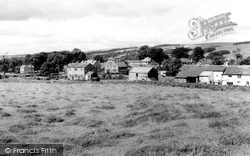
Cracoe is a small hamlet of mainly 17th- and 18th-century houses on the minor road between Skipton and Grassington.
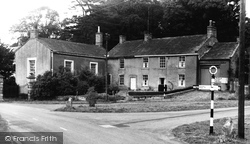
Solid Georgian houses group around the crossroads in the middle of Fremington, just outside Reeth in Swaledale.
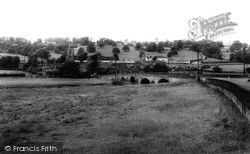
This fine, four-arched bridge over the River Aire at Kildwick, between Keighley and Skipton, was built by the canons of Bolton Priory in the early 14th century.
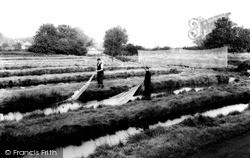
Norton-on-Derwent lies at the foot of the Yorkshire Wolds; it is famous for its pure spring waters, which were utilised by these fish hatcheries.
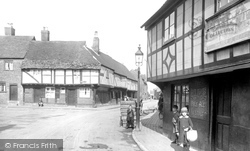
Robert Raikes (1735-1811) is acknowledged by many to be the founder of the Sunday school movement, having opened the first such establishment in St Catherine Street in 1780.
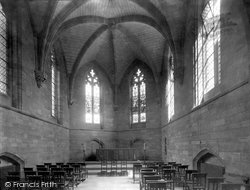
When it was newly-finished, the chapel was austere.
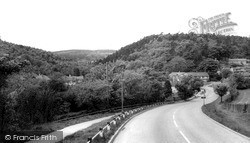
This view is from Groveley Lane, looking towards Four Ways at Rednal, where the black and white pub just visible was then The Chalet Club, and now The Poacher's Pocket.
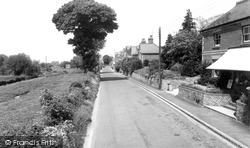
The Smith family opened the watercress beds at the end of the 19th century. Ewelme watercress was highly sought-after by purchasers from many large cities, including London and Birmingham.
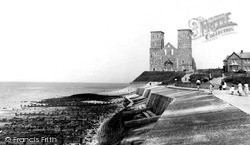
It is believed that in AD43 the Romans under Emperor Claudius set up a small initial camp at Reculver because of its safe harbour.
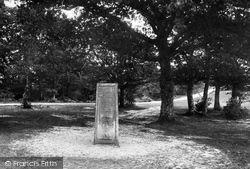
The stone reads: 'Here stood the oak tree on which an arrow shot by Sir Walter Tyrrell at a stag glanced and struck King William the Second surnamed Rufus on the breast of which he instantly died on the
Places (0)
Photos (0)
Memories (22912)
Books (163)
Maps (7034)