Places
Sorry, no places were found that related to your search.
Did you mean: north ness or na h ness or nook ness ?
Photos
12 photos found. Showing results 861 to 12.
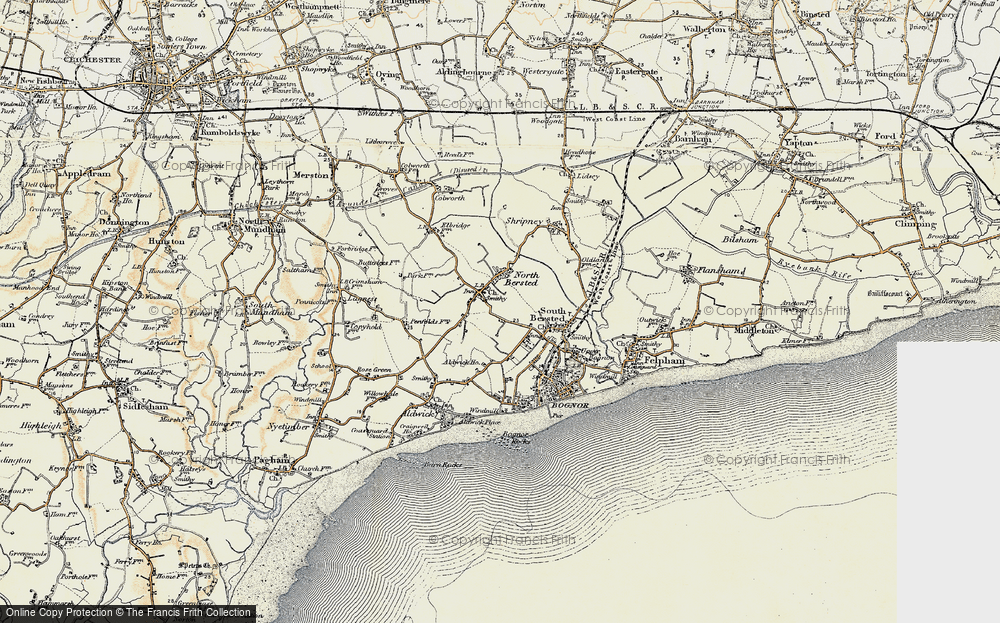
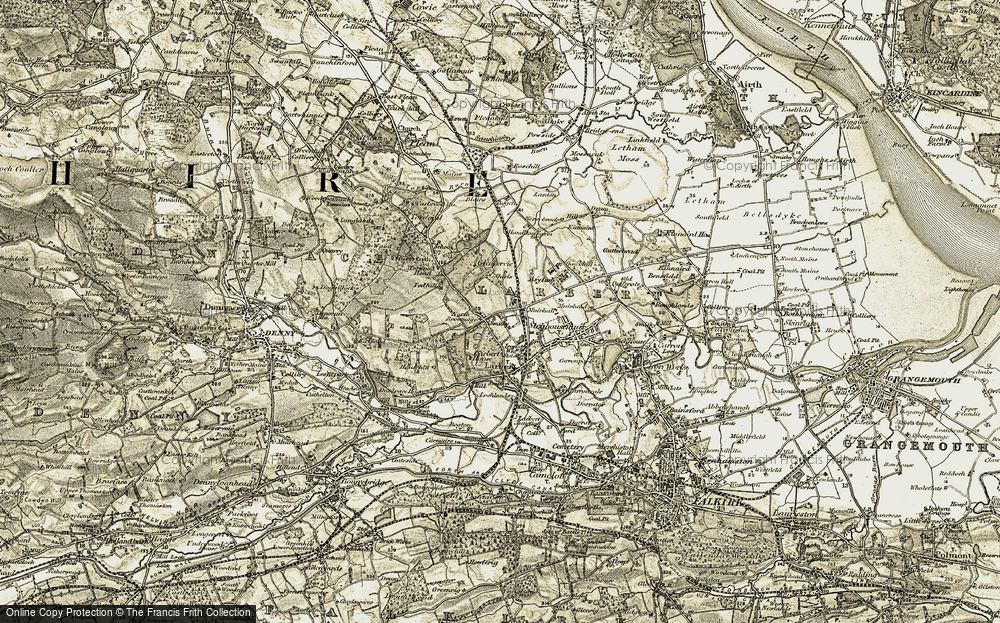
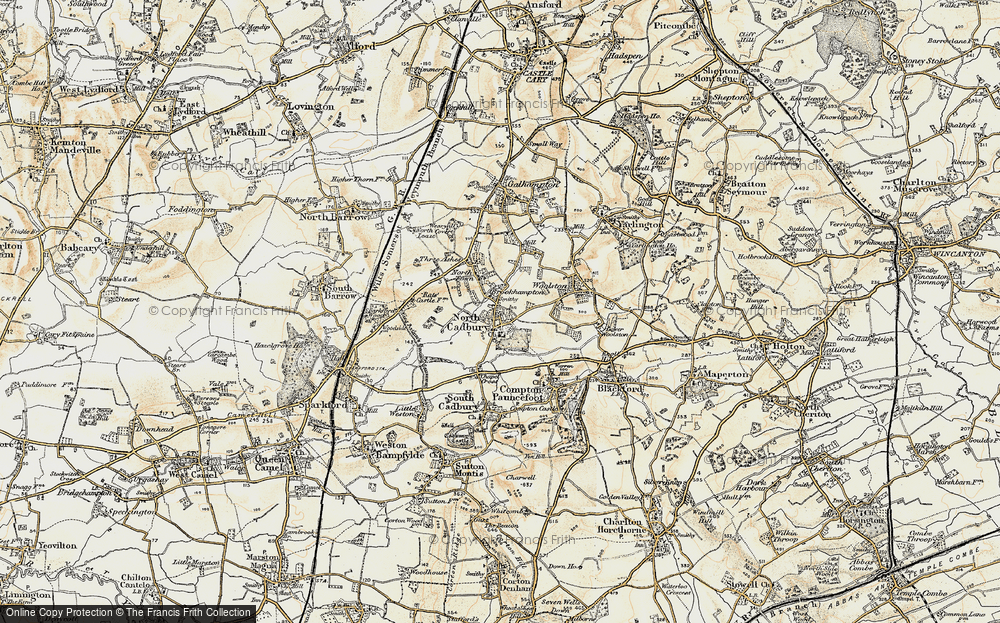
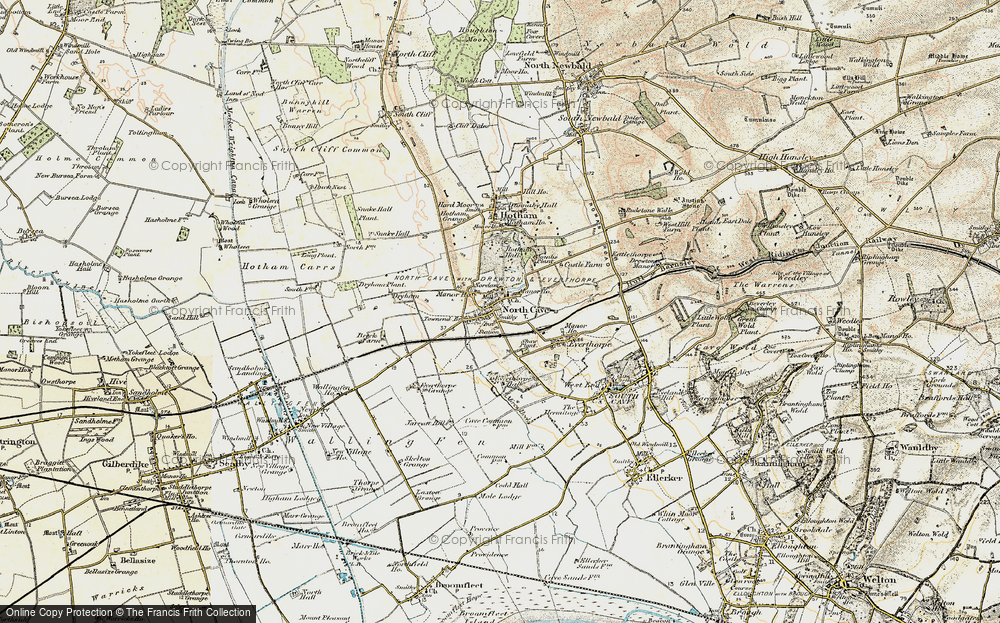
Maps
9,582 maps found.
Books
30 books found. Showing results 1,033 to 1,056.
Memories
4,597 memories found. Showing results 431 to 440.
Born On Sutton Flats
I was born on Sutton Flats (now demolished) Pendleton in 1941. My first vague memory was sitting under a table with a blanket draped over it and a lit candle (must have been an air-raid on at the time). My first real memory ...Read more
A memory of Salford by
Mixture
The quaint older houses on the right now faced new bungalows to our left, and on our left is another walkway to the primary school. Now Jimmy came to live in one of the bungalows and then he came to our school when he was about 10. He was ...Read more
A memory of Eastry by
Piddinghoe
My name was Susan Penfold and I grew up in a small house on Evelyn Avenue in Newhaven. My mother's mother was one of seventeen children born in Piddinghoe. I used to visit my grandmother's home and aunt Tops, auntie Else and uncle ...Read more
A memory of Newhaven in 1955 by

Penn View 1941
I was born in Wincanton in 1941, at 55 Penn View. I went to Noth Street School and had a wonderful time there. Wish it still was...but that was my young days. I used to watch the horse raising from the back window of the house. I ...Read more
A memory of Wincanton in 1950 by
Those Were The Days
I was born in the home of my grandparents John and May (nee Hulse) Yeomans in Mere Road, my mother being the former Kathleen Yeomans. My immediate neighbours on either side were Jack and May Platt and ...Read more
A memory of Weston in 1940 by
Life In The Village Shop 1944 To 1955
I moved in with my parents (Mr and Mrs Saffin), towards the end of the war. The Canadians were stationed in the huge houses dotted around the village - I was only 10 at the time but I remember the Canadian ...Read more
A memory of Woldingham in 1944
Growing Up In Penge (1947 Onwards)
I have said that my early life began in Penge in 1947, but that is only as far back as I can remember. Although I was still only two then, I do have a very good memory. I can remember while I was in a pram outside ...Read more
A memory of Penge in 1947 by
Ten Happy Years
I moved to Watchfield in 1940 and left in 1950. My dad, Mr Woolman, worked for the army and had his office in Homelees Farm in the camp. What a change has taken place at Watchfield. Gone are the places we could play in safety. ...Read more
A memory of Watchfield in 1940 by
Jiffing
My name is Frank Wilson and I too have good and bad memories of Mobberley Boys School. I was sent there in 1971 due to being expelled from 3 schools. My fondest memory was jiffing (smoking) in the yard at dinner time, right under the ...Read more
A memory of Mobberley in 1971 by
Nuxley Village
I was born in Croft Close 1961, at the top of Osborne Road. I decided today to have a look back at the area. I remember the Old police station which was turned into the driving school, I can remember my journey from Croft Close to ...Read more
A memory of Belvedere in 1965 by
Captions
1,673 captions found. Showing results 1,033 to 1,056.

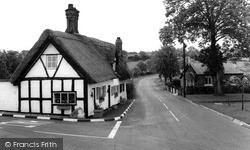
Whitegate is named for an old white gate which would once have marked the entrance to the former Vale Royal Abbey.
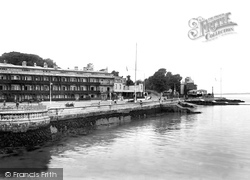
At the end of the Parade, behind the trees on the right, stands the Castle, the home of the Royal Yacht Squadron.
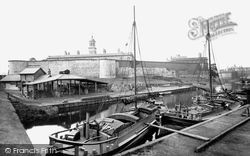
Two more were built after one another; the second was washed away by floods.This photograph, showing the castle walls and the dome of the Debtors' Prison, was taken from the fourth recorded bridge, which
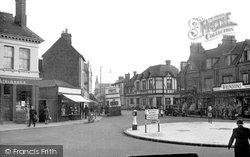
Here we have another view of Prince's Corner on the right, with a glimpse of the High Street beyond the pseudo-timbering of The King's Arms (now The Fallow and Firkin).
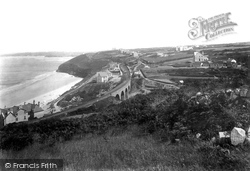
Another major engineering feat on this scenic line is the rock cutting in the far headland. How things have changed at Carbis Bay - much of this scene has since been developed.
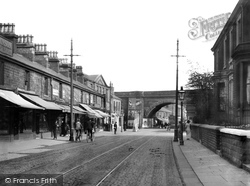
There was at one time another line down to Rawtenstall, joining what is now the East Lancashire Preserved Railway. As well as having three railway lines, the town also had three turnpike roads.
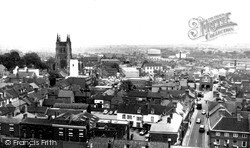
The staircases are designed in such a way that the floor of one is the roof of the other, and people using them do not see one another until they reach the top of the tower.
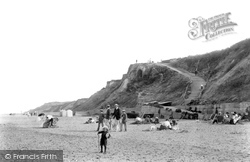
Another was built, and that too was a ruin for a number of years – it has since been restored.
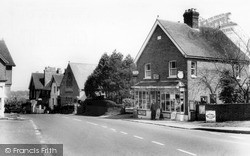
A hilltop village on the southern edge of the Worth Forest with distant views of both the North and South Downs. St Leonard's church was built in 1895.
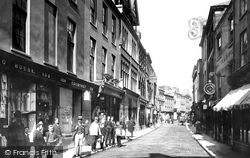
Brook's Cafe Restaurant is now The Bradford & Bingley Building Society. The horse is still supreme: it would be another three years before the first car made its appearance in town.
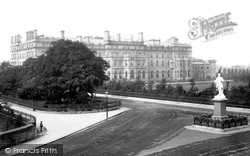
Both thrive to the present day. The first hotel, built about 1851, still stands to the east of the old railway station, and is used by British Rail as offices.
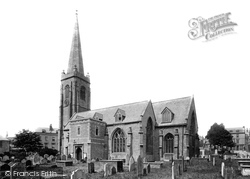
The building of Charles Church started in 1640 after Charles I gave permission for another parish to be created. Construction was suspended in the Civil War and completed in 1657.
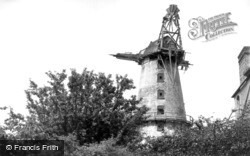
Built in 1859, it replaced another from the 1700s which burnt down.
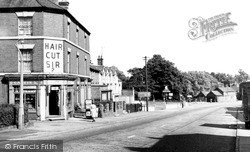
As we look down to the junction with Watling Street, on the left is the former W H Smith's shop, now offering haircuts!
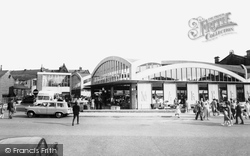
Pleck Road through to Peel Street is just visible on the left of the photograph.
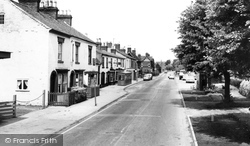
The bus shelter outside The White Lion (left) has gone, but this is still one of the main stops for Redditch-bound buses (The Bell - see A163350 on page 53 - is another).
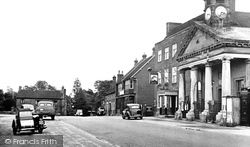
This is another picture of Botley Square, with a good view of the Market Hall. It was built in 1848, and some fifty years later the clock turret and the Tuscan columns were added.
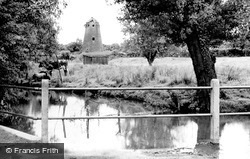
Windmills and watermills were often sited near to each other; the two very different power sources complemented one another where there was a total dependence on natural power sources.
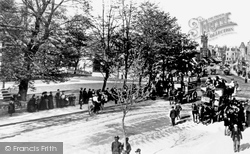
When Victoria died in 1901 the population had increased to 47,000, thanks to the urban sprawl of nearby London and the many people who chose to settle in this attractive town upwind of the metropolis
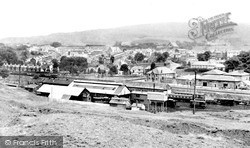
The stretch of buildings on the other side of the station were once the original Company Shop (of the Rhymney Iron Company), which was set up and strictly run by Andrew Buchan - there was another similar
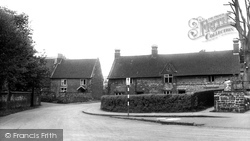
It became yet another of Northamptonshire's boot and shoe manufacturing towns in the later 19th century and was greatly enlarged, with streets of Victorian terrace housing.
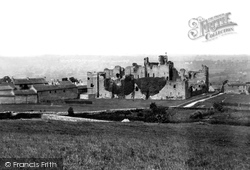
After Neville was killed in battle, another Richard, the Duke of Gloucester, lived here before becoming King Richard III.
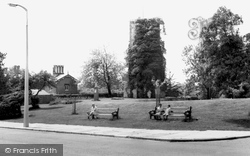
A new and bigger church was built on another site (see page 48).

Inside are several striking memorials; one is to pupils of the former public school next door who were killed in the World Wars, while another commemorates all those who contributed to the building
Places (0)
Photos (12)
Memories (4597)
Books (30)
Maps (9582)