Places
36 places found.
Those places high-lighted have photos. All locations may have maps, books and memories.
- Shanklin, Isle of Wight
- Ventnor, Isle of Wight
- Ryde, Isle of Wight
- Cowes, Isle of Wight
- Sandown, Isle of Wight
- Port of Ness, Western Isles
- London, Greater London
- Cambridge, Cambridgeshire
- Dublin, Republic of Ireland
- Killarney, Republic of Ireland
- Douglas, Isle of Man
- Plymouth, Devon
- Newport, Isle of Wight
- Southwold, Suffolk
- Bristol, Avon
- Lowestoft, Suffolk
- Cromer, Norfolk
- Edinburgh, Lothian
- Maldon, Essex
- Clacton-On-Sea, Essex
- Felixstowe, Suffolk
- Norwich, Norfolk
- Hitchin, Hertfordshire
- Stevenage, Hertfordshire
- Colchester, Essex
- Nottingham, Nottinghamshire
- Bedford, Bedfordshire
- Bury St Edmunds, Suffolk
- Aldeburgh, Suffolk
- St Albans, Hertfordshire
- Hunstanton, Norfolk
- Chelmsford, Essex
- Bishop's Stortford, Hertfordshire
- Peterborough, Cambridgeshire
- Brentwood, Essex
- Glengarriff, Republic of Ireland
Photos
11,145 photos found. Showing results 5,581 to 5,600.

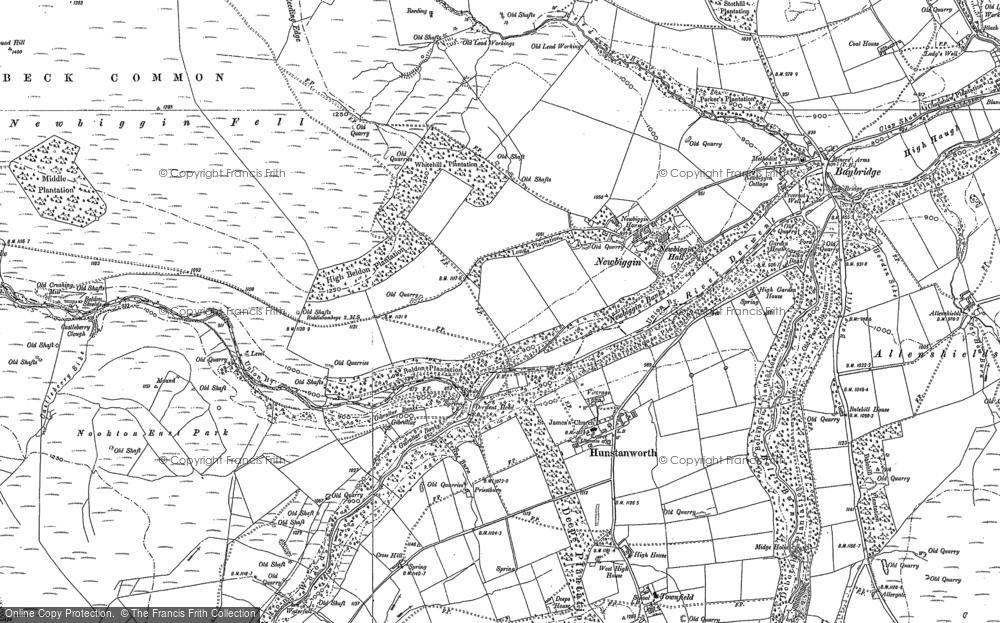
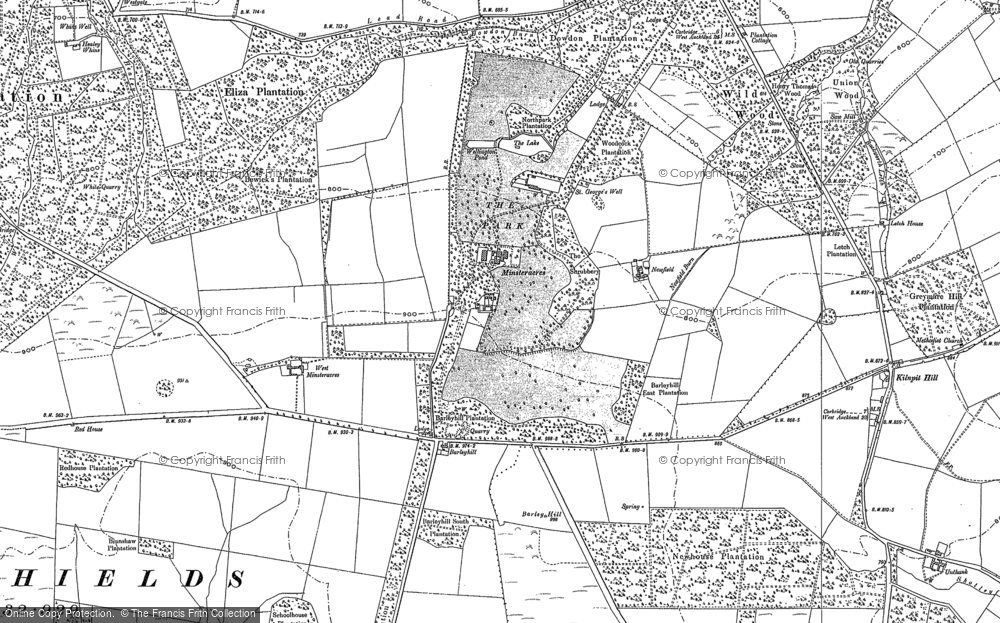
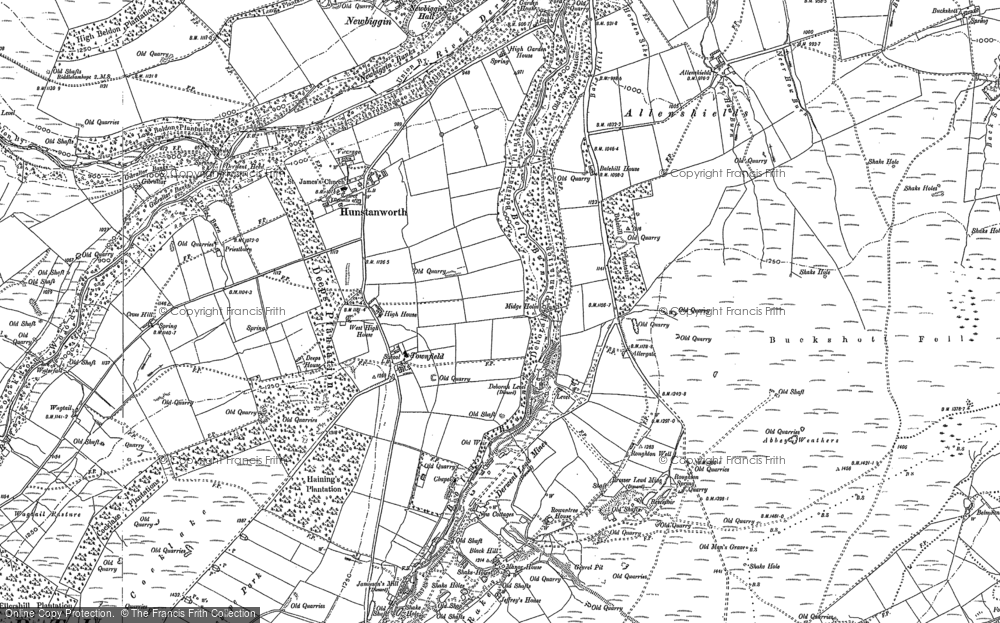
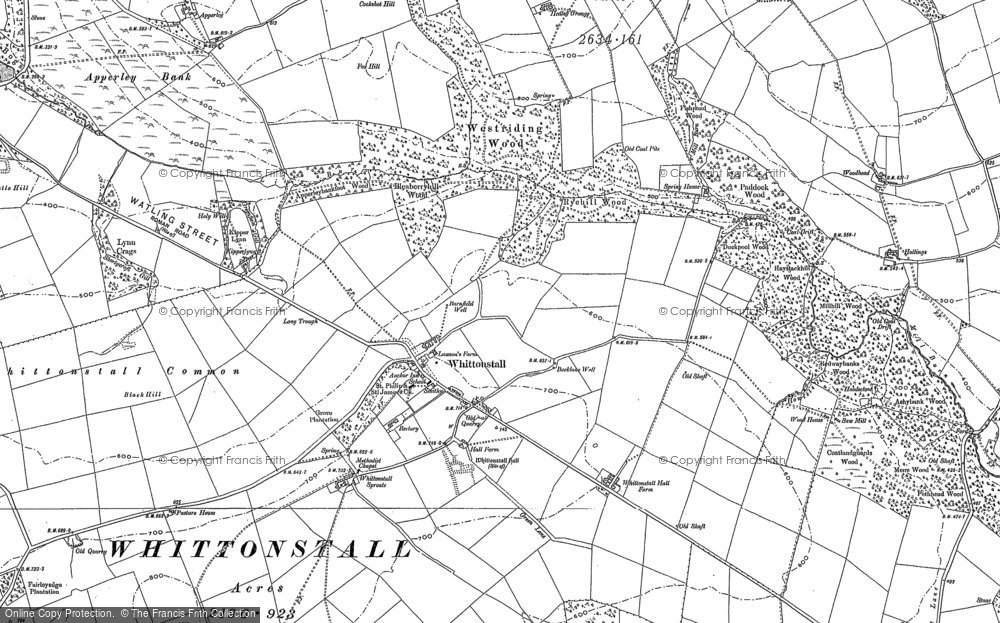
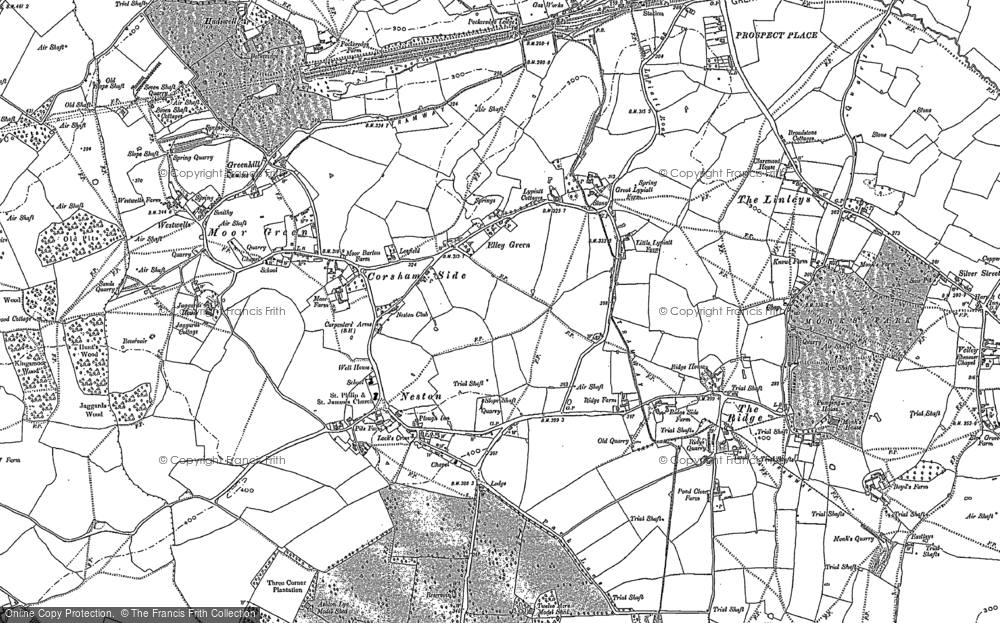
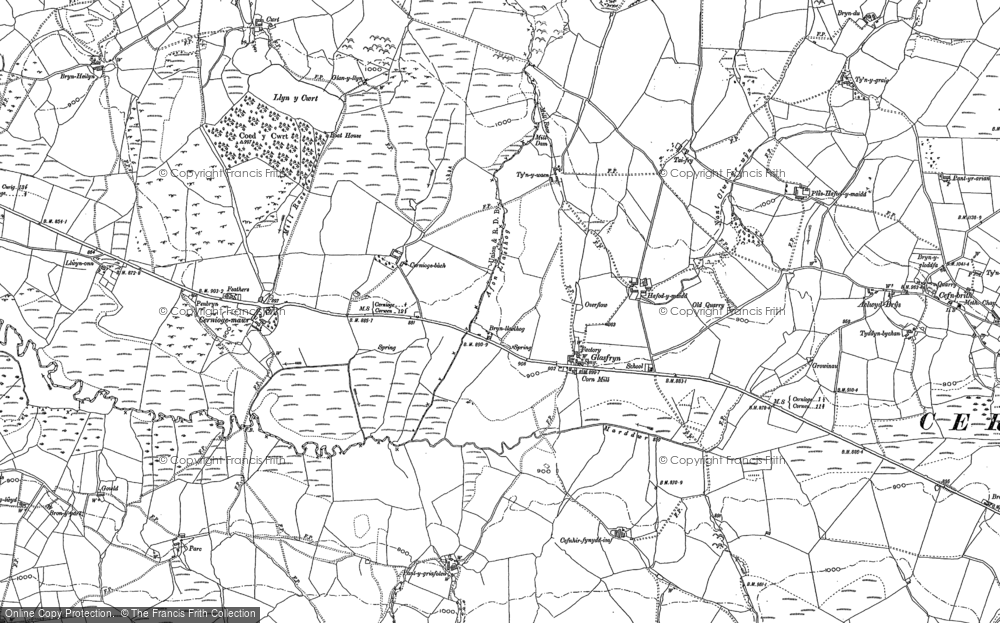
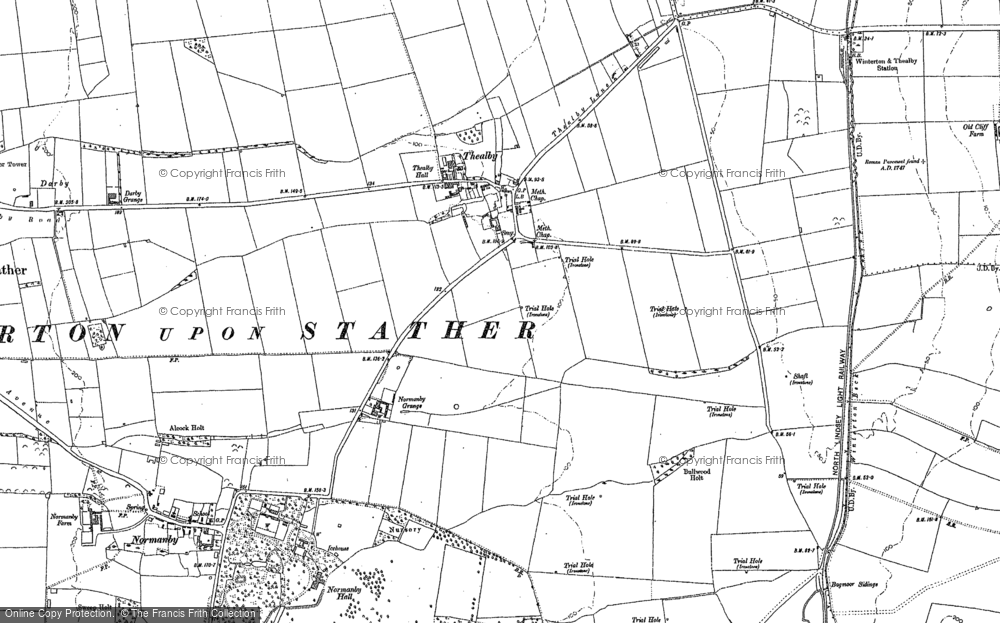
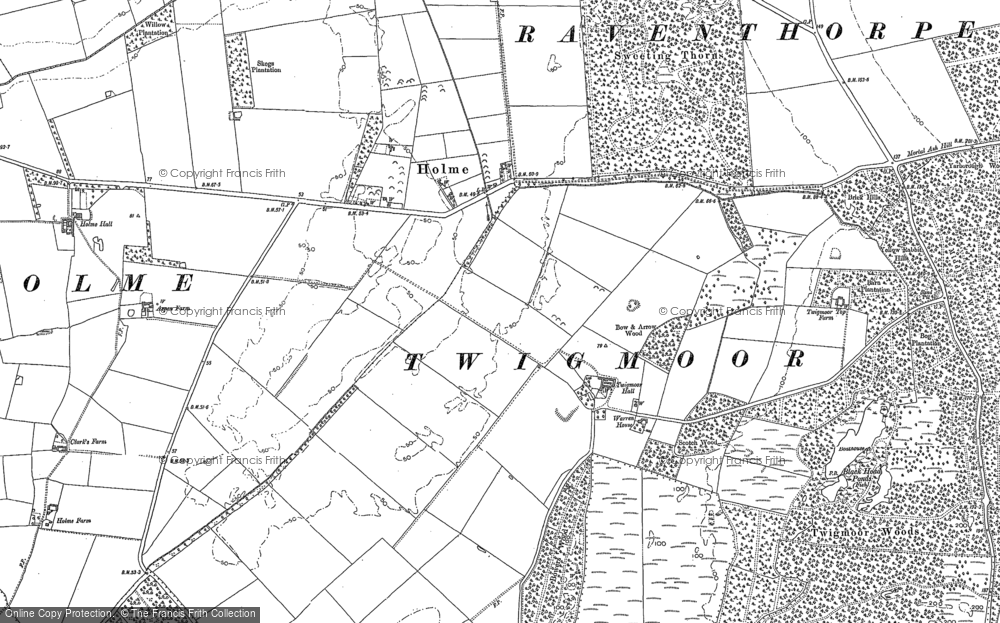
Maps
181,031 maps found.
Books
442 books found. Showing results 6,697 to 6,720.
Memories
29,069 memories found. Showing results 2,791 to 2,800.
The Dumps
My mum and dad owned the Lonsdale off-licence during the 1960s and 1970s. I went to Brampton Manor, a few teachers stick in my memory but Dr Groom has to be the world's best physics teacher. I remember bunking off, walking over the dumps ...Read more
A memory of East Ham by
Fond Memories Of Wyggy Girls'
I well remember starting at Wyggeston Girls' Grammar School in Sept 1968 with my new shiny leather satchel. I was so proud of my black velour hat, black gloves, and 'sensible lace-up shoes'. It had been my ambition ...Read more
A memory of Leicester in 1968 by
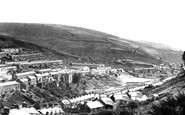
Ex Garw Man
I was born in 193 Oxford Street, Pontycymer in 1935. I left to go into the army for National Service at the age of 18 in 1954. I returned for just 1 year in 1956 when I returned to the Midlands, to Birmingham. The house I lived in ...Read more
A memory of Pontycymer in 1945 by
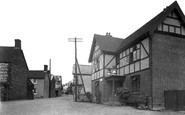
Sixpenny Handley, The Roe Buck Inn
My ancester Edward Dutch built and ran this hotel after the village fire in 1892 - as recorded in the censuses of the time. Take a look at my family history at www.thedutchfamily.co.uk/h_dutch.htm
A memory of Sixpenny Handley in 1890 by
Jeff Bromley A Place In History! 1944 1963 2013
I hope this memory of Normacot is the first of many to be placed by me and then hopefully by others. I was born in 1944 in Lower Spring Road, (opposite Garbetts Toffee Factory), one of a family of 5 ...Read more
A memory of Normacot by
Womens Land Army Hostel
Do you have any photos of the Womens Land Army Hostel in 1946?
A memory of Shifnal in 1946 by
St Brides School In The Late 1940s And Early 1950s
My maiden name was Quarman. I boarded at St Bride's School in the late 1940s and early 1950s. The headmistress was Miss Thompson, assistant Miss Watson. We wore a green unifrom. I ued to enjoy ...Read more
A memory of Chagford in 1940 by
Music And Dancing At The 2009 Oxford Folk Festival
One of the many items on the Oxford "tourist trail" is a weekend long folk festival which is supported by dozens of morris dancing sides from all over England. This year Whitethorn Morris appeared ...Read more
A memory of Oxford in 2009 by
Cornwell Church
This is a beautiful little church, well worth the walk to get to it. My great-great-great grandfather is buried in the church yard and I went there in 2004, with my mother when she came home for what was to be her last visit. She ...Read more
A memory of Cornwell by
Coffee And Doughnuts
A friend from work, and I took courses at the Neath Technical Institute. I left Swansea about 7:30am, and had to run down Mount Pleasant to the bus station in order to get to the Institute. For lunch we walked up town to a little ...Read more
A memory of Neath in 1947
Your search returned a large number of results. Please try to refine your search further.
Captions
29,395 captions found. Showing results 6,697 to 6,720.
Prior to 1582, documents referred to this village as 'Blechingley', meaning 'the ley (or clearing) of the Blaecci people', and its origins probably date back to the 7th or 8th century.
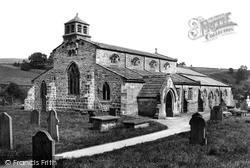
This is the splendid 12th-century church of St Michael and All Angels with its Norman arches.
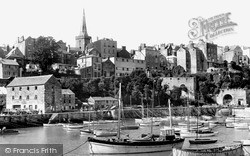
Now the Tenby Sailing Club, the large building on the left is the former Sleeman Stores; built in the 18th century, it stood on piers, spanning the sluice.
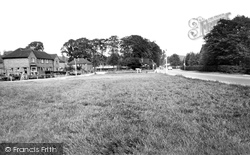
Although they are outside the City of Nottingham's boundaries, Carlton and Gedling are really its eastern suburbs.
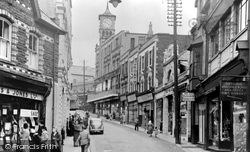
The population grew in the 19th century, especially after the opening of the colliery here in 1897. Today the town is most notable for its rows of terraces winding round the valley contours.
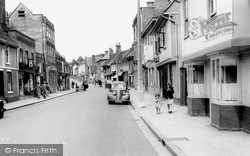
Baldock Street leads northwards out of Ware towards Thundridge. The higgledy-piggledy row of pubs, shops and dwellings has hardly changed over the years.
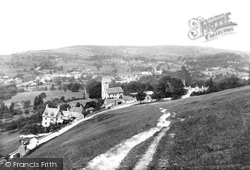
Selsley was, until 1863, a part of Kings Stanley ecclesiastical parish. The church's design is based on one at Marlengo in the Tyrol, and has important glass from the workshops of William Morris.
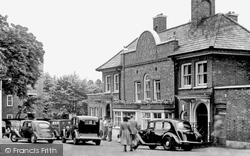
The earlier pub on the site, made famous by the music hall star Florrie Ford, was demolished in the early 1920s, and rebuilt to a vaguely similar design.
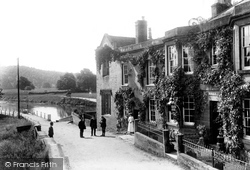
William Hancocks of Blakeshall Hall and his wife laid the foundation stone of Cookley church on 20 February 1849.
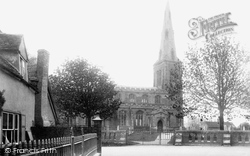
A church at Ellington is mentioned in the Domesday survey of 1086. The chancel arch of the present church dates from the 13th century, and the tower was added in around 1390.
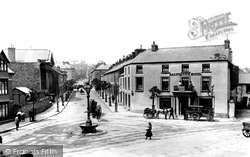
This is a charming turn- of-the-century tableau of Salutation Square, which is the main access into the town.
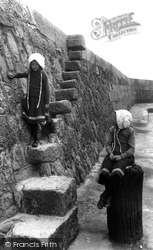
The ancient steps known as Granny's Teeth protrude from the inner side of the only surviving section of rough locally-sourced medieval walling at the Cobb.
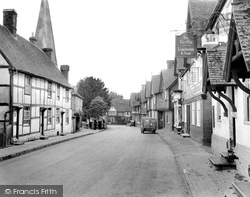
Simon de Montfort's army lay here the night before the Battle of Lewes in 1264. The area was made notorious by the 'Piltdown Man' fake archaeological discov- eries in the 1910s.
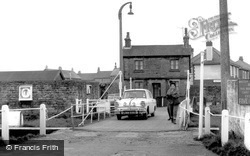
Glasson Dock Bridge connects the two halves of the village.
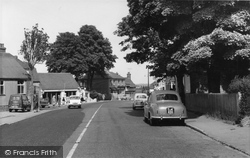
Back on the main road, this is the real centre of the modern village; there is a good range of shops and pubs, and the school, Herstmonceux Church of England Primary School, lies behind the fence on
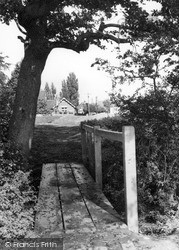
Captioned by Frith in the 1950s 'A Pretty Spot', this view looks north across a footbridge over a stream towards the eastern end of the village.
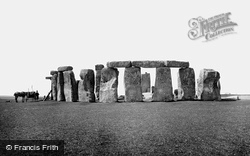
As we look southwards from the Hele stone, through the middle arch, we can see the tallest stone of the inner horseshoes of trilithons.
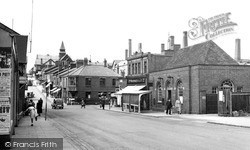
The town of Winsford did not exist until the Weaver River was canalised in 1731 - this was needed to link the local salt fields with the Mersey River.
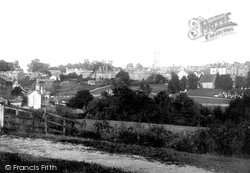
There is a substantial amount of Victorian development seen in this view of the town from the west, looking across Brooklands Park and the new cemetery on Queens Road with its chapel.
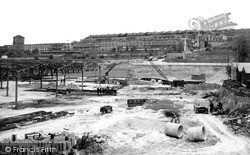
During 1955-57 the company spent £36 million on doubling car production, excavating over 1.5 million tons of chalk and clay from the Chilterns to accommodate 1.6 million square feet of building
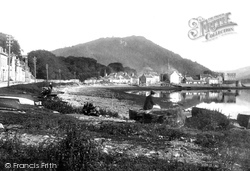
Inverary Castle, the 18th-century home of the Dukes of Argyll, was designed by Roger Morris and Robert Mylne and completed in about 1780.
The town of Oban is only a little more than 200 years old. It owes its origins to the establishing of a fishing station by the government Fishery Board in 1786.
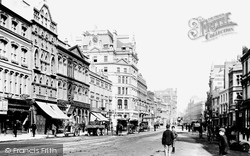
St Mary Street is one of the city's main thoroughfares, where shoppers and visitors could find the finest hotels, theatres and department stores, all built in a grandiose manner.
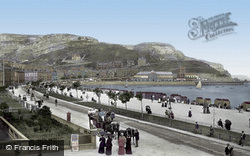
'The Queen of Welsh resorts', Llandudno preserves much of its Victorian flavour, with its sweeping promenade faced by numerous hotels, its expanse of sands between the headlands of the Great and Little
Places (6814)
Photos (11145)
Memories (29069)
Books (442)
Maps (181031)