Places
Sorry, no places were found that related to your search.
Did you mean: north ness or na h ness or nook ness ?
Photos
12 photos found. Showing results 341 to 12.
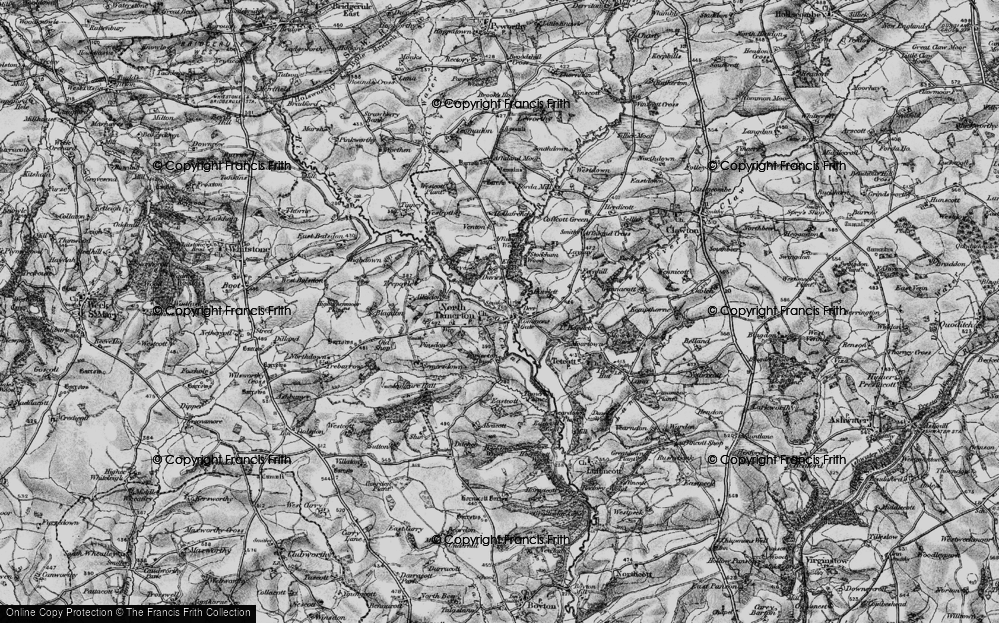
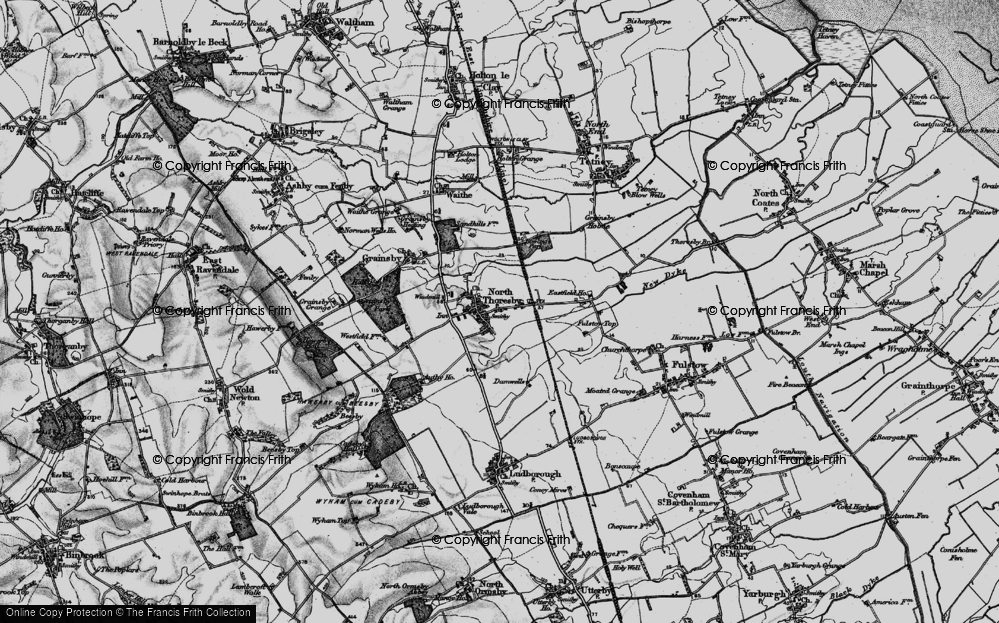
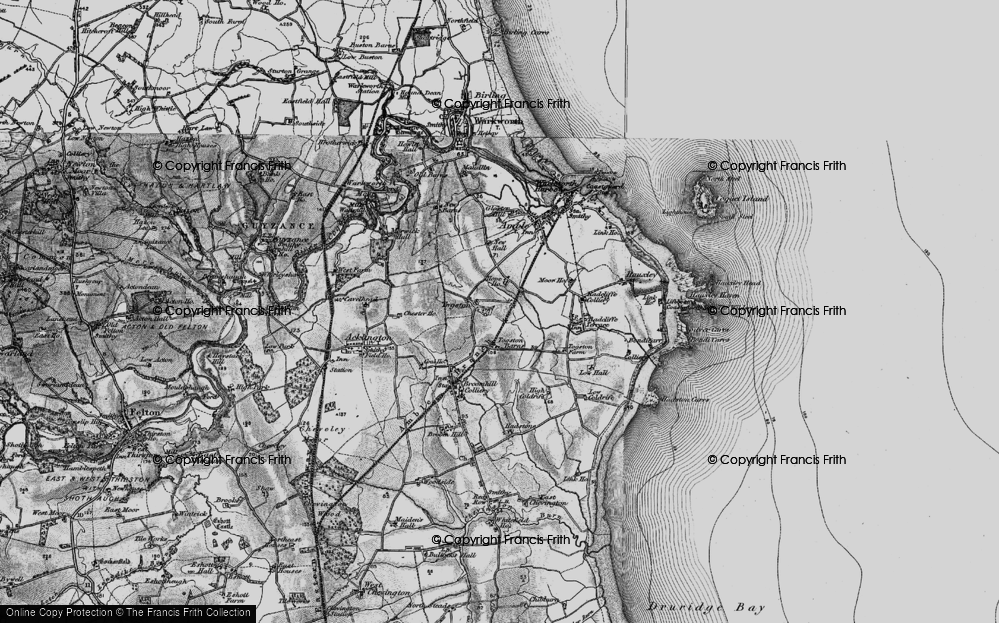
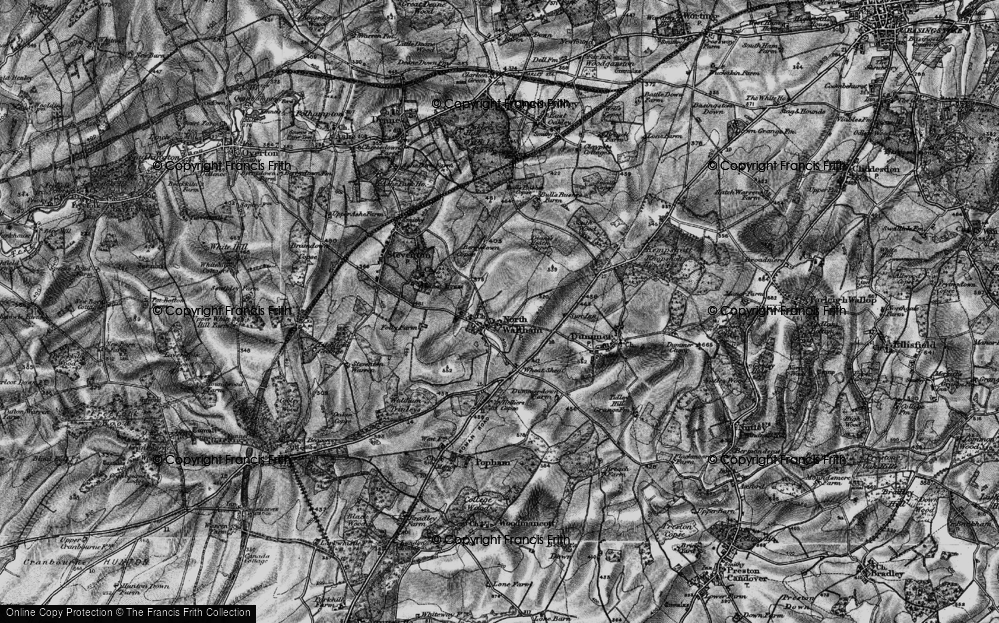
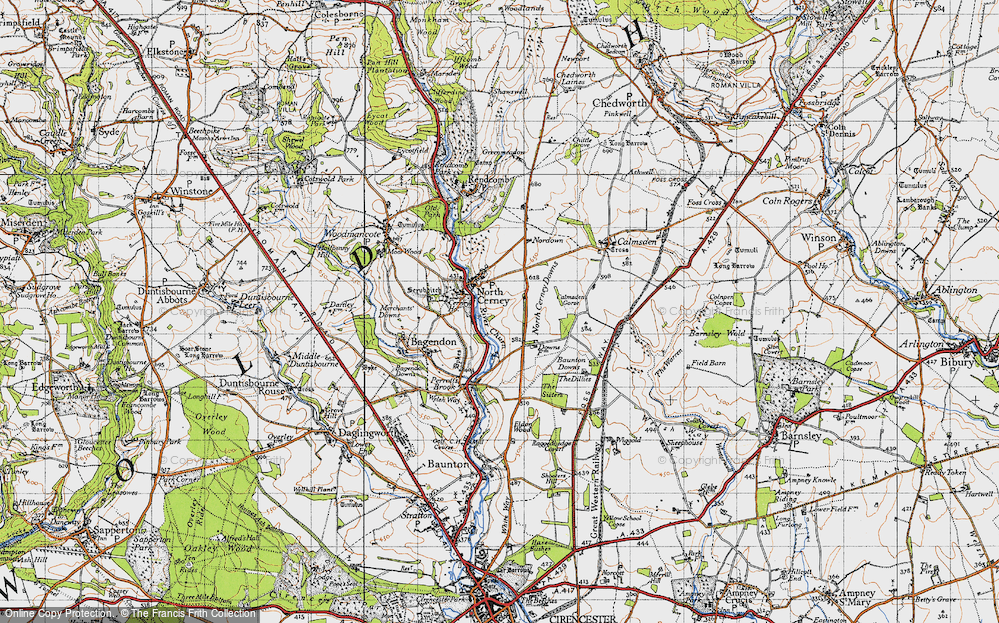
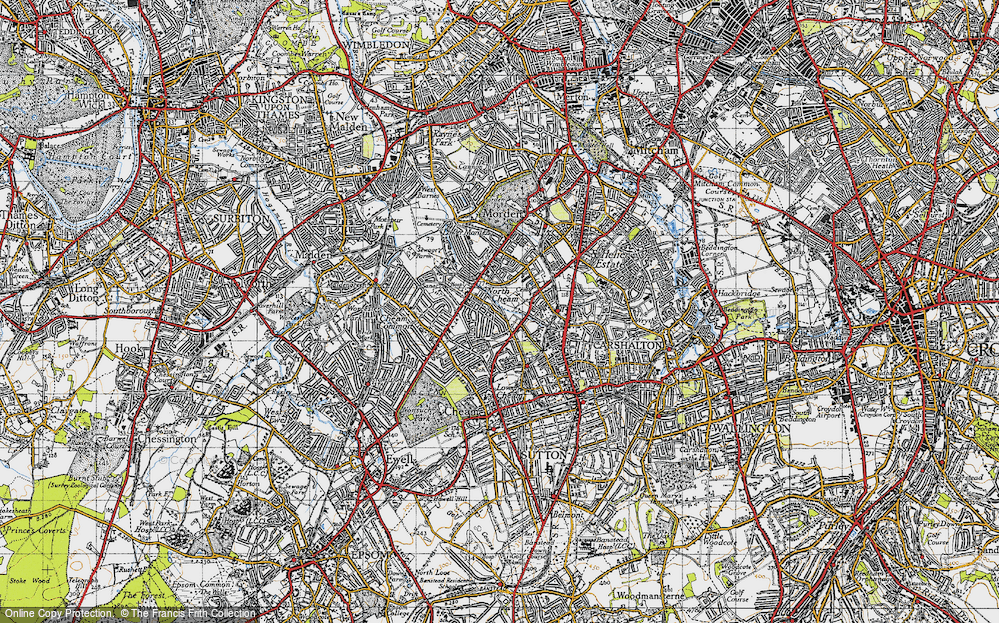
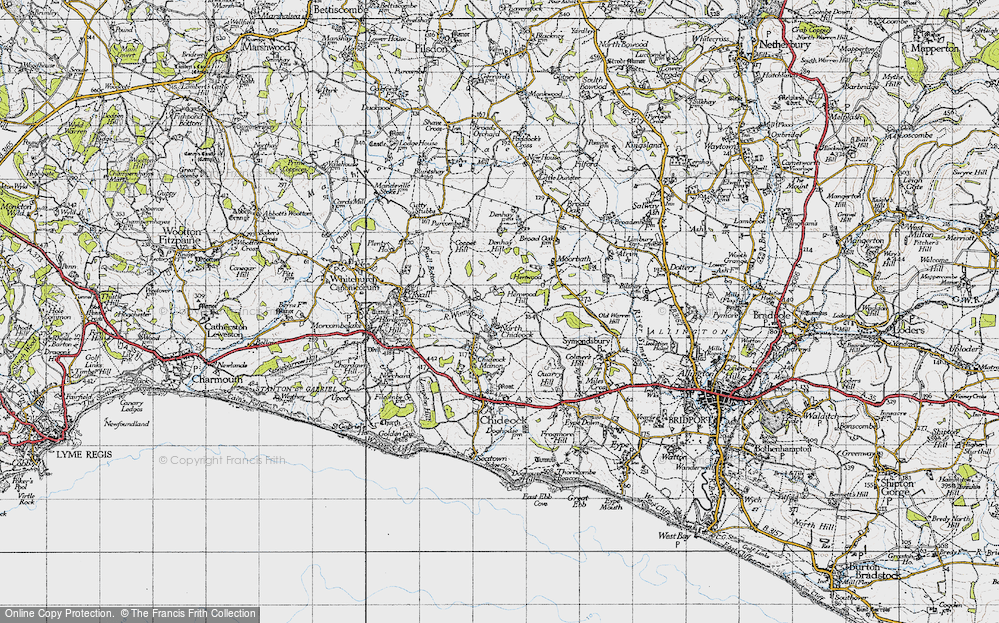
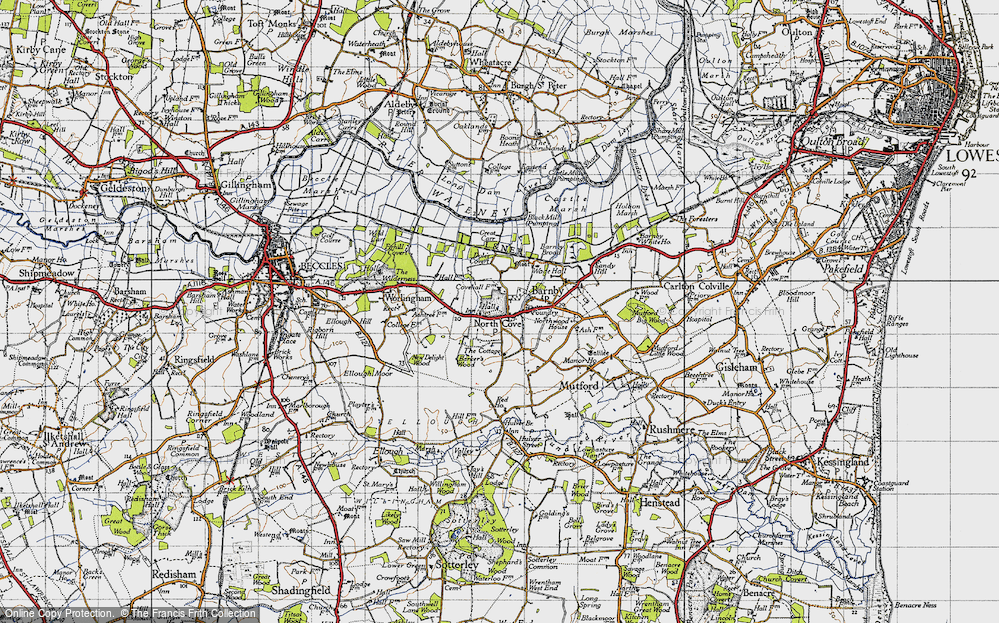
Maps
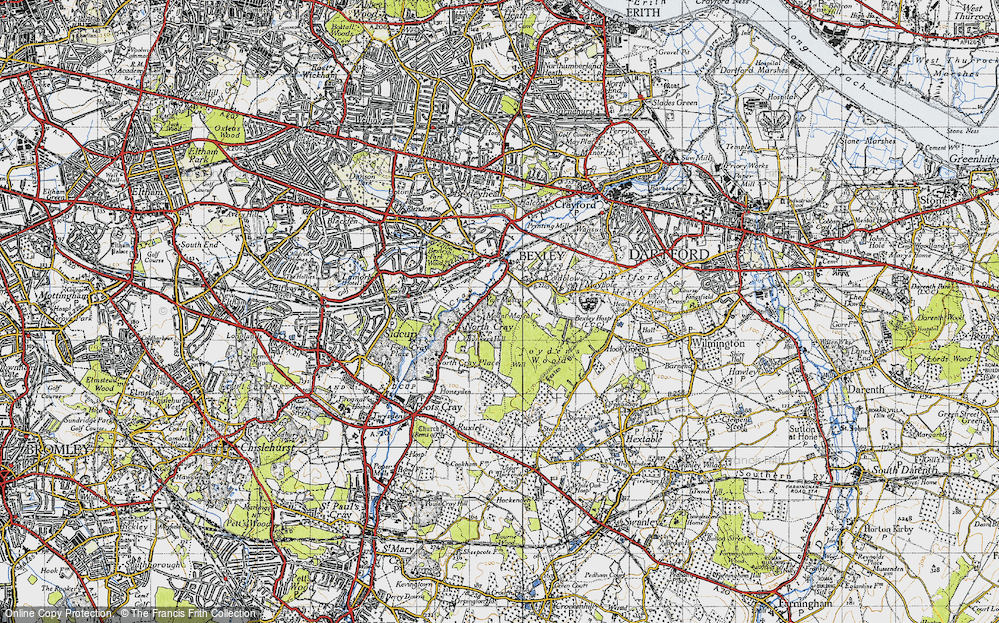
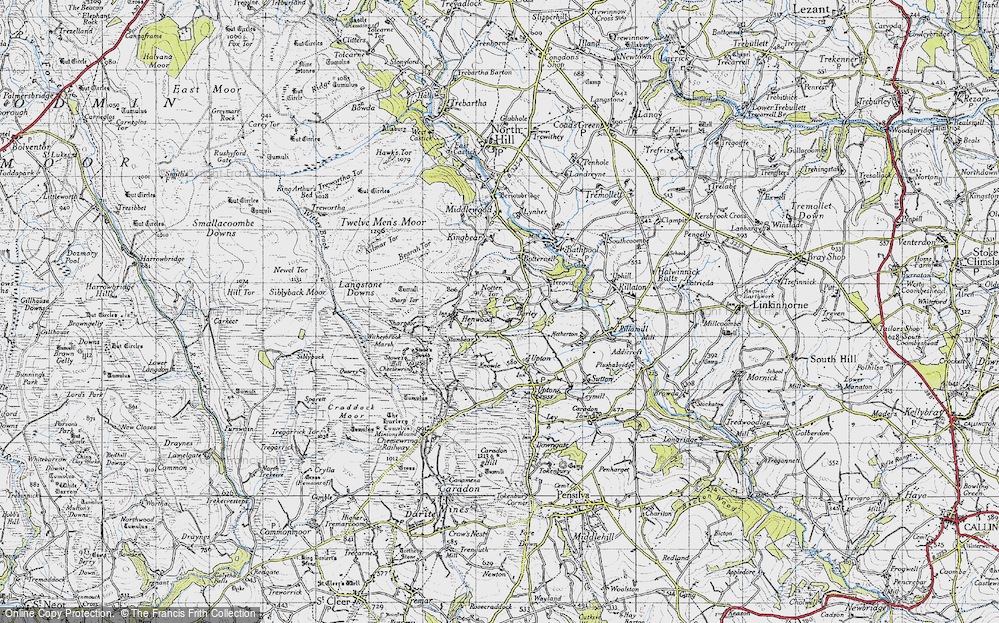
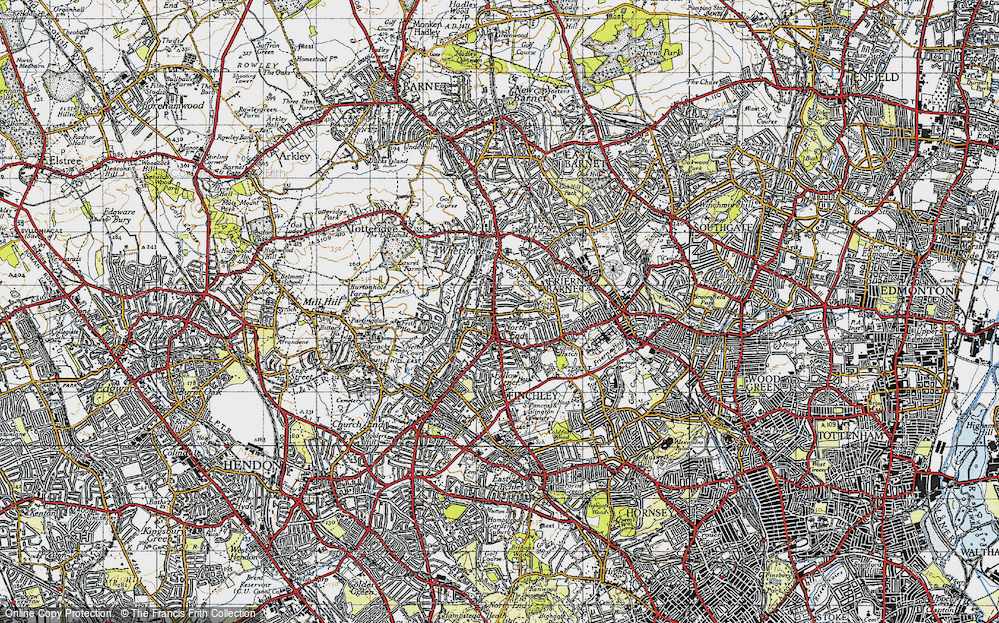
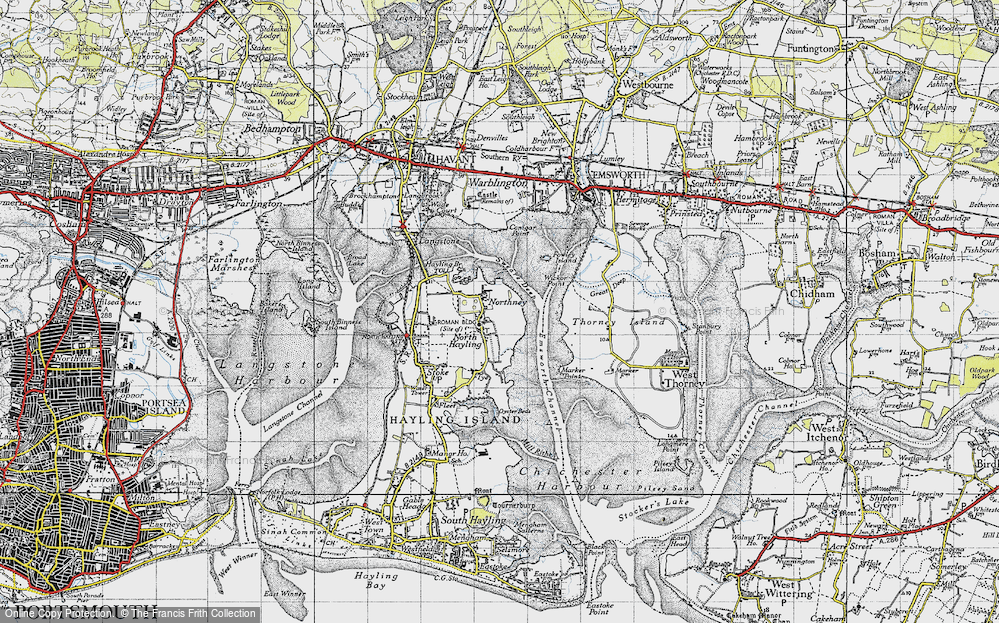
9,582 maps found.
Books
Sorry, no books were found that related to your search.
Memories
4,597 memories found. Showing results 171 to 180.
Working At The Bowling Alley
Having returned from Australia, I got a job as controller 4 nights and Sundays, it was a great scene, what with the disco downstairs, the bar upstairs, a barber shop, restaurant, 24 lanes, and a juke box with great ...Read more
A memory of Cippenham in 1966 by
Young Days In Bexley
Other peoples memories are bringing back some of my own. Walking from Bexley to the Regal for Saturday morning movies across the heath. Frog spawn from the river at the mill. Walking to school past the brewery to the ...Read more
A memory of Bexleyheath in 1945 by
Isaac Green 1800's
Alas, I have no memories of Camerton. I have never visited this town of my ancestors. I have been to Bath, but at the time never knew of the existence of my family having originated in Camerton. My ...Read more
A memory of Camerton by
Wonderful Childhood
I spent a wonderful childhood in Norton Fitzwarren when it was a village from 1950 to 1958. I have priceless memories of roaming the fields, woodlands and surrounding countryside freely. Of sitting on top of Moses ...Read more
A memory of Norton Fitzwarren in 1950 by
Ty Gynn Caravan Site
Hi, My family used to holiday in a caravan on Ty-gynn (sorry unsure of the spelling) camp site, we holidayed there from the late 1960's to about 1974. The caravan belonged to the mother of a work mate of my late father, the ...Read more
A memory of Towyn in 1968 by
Donnington School
I went to school here in the 50s/60s; it was known as Wroxeter and Uppington C of E School. There were just two classes, the big class run by Miss Thomas the Headmistress and the little class run by Mrs Saltmarsh. Our dinner ...Read more
A memory of Donnington by
Lost Village Of East Holywell
I was born in East Holywell in 1946 and lived at 24 North Row. By then there were only 2 rows of houses left. We lived with my grandmother, Eva Barnfather, who had been there since the turn of the century. Like ...Read more
A memory of East Holywell in 1950 by
W & C French Contractors
This is a Memory Without Evidence. In 1984 I visited my childhood home, "Ivy Cottage" no 58 Epping New Road, Buckhurst Hill, Essex. The cottage, in poor condition, was still being lived in. The contractors yard was ...Read more
A memory of Buckhurst Hill in 1984 by
The Halcyon 1950's
I lived with my family in Connaught Gardens from being born in 1949 to late 1960 when we moved to Shiremoor. At the end of our street was an overgrown, rubble strewn wasteland which we called 'The Croft'. A natural childrens ...Read more
A memory of Forest Hall in 1950 by
Cowper Gardens
I was born in Cowper Gardens in 1946, my nan's, house No.11, where she lived until her death in 1979. My cousin was also born there and lived with her mum, Betty. I moved away in 1949 and lived in Peckham but used to spend ...Read more
A memory of Wallington in 1960 by
Captions
1,652 captions found. Showing results 409 to 432.

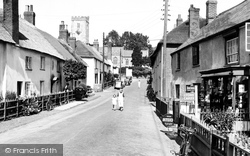
Both clerical gentlemen led the local smuggling gangs, hiding the contraband in the old vicarage - now a beautiful thatched house called Vicars Mead.
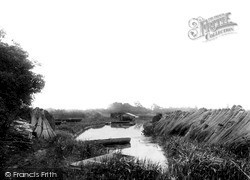
Bundles of Norfolk reed are stacked on both banks of this shallow backwater. The growing of reeds provides one of the principal industries of the broads area.
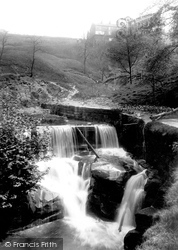
There is another man- made weir above the rocks in the Thrutch. Most of the dell is much more densely wooded today.
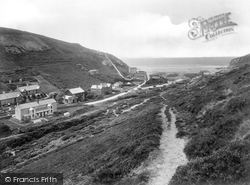
Another ex-mining settlement, Porthtowan became a popular destination for day-trippers from Redruth around the turn of the century.
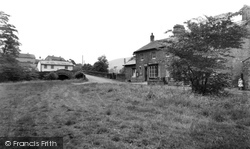
Here we have another view of the bridge. On the right is the post office; near here is the point that the Ordnance Survey declared was the centre of the British Isles.
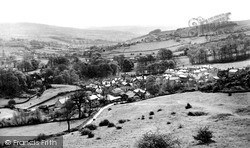
Stoney Middleton was yet another lead mining village, as the bumps and hollows in the field in the foreground show.
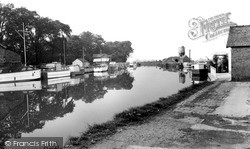
Its present name also reminds us of another old local industry: it is now called Malthouse Cottage.
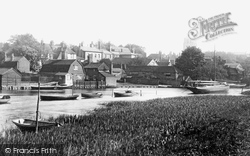
In the days when trading wherries plied their way up and down the rivers, transporting goods from the East Coast sea ports, or from one town to another, Beccles was a thriving port.
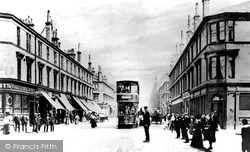
Here we see another view of this main road.
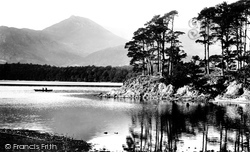
This is another of the Lake District's classic viewpoints, the backdrop formed by the peak of Causey Pike (2,035 ft).
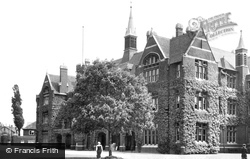
Endowed by both the Harpur Trust and the Bedford School Trust, the former owns the school - and three others in Bedford - and the latter exists to hold certain funds and property for its general benefit
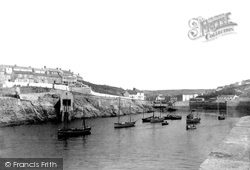
Perhaps mooring a boat immediately in the rapid descent path was not very wise - this could cause problems both to the owner and the lifeboat crew.
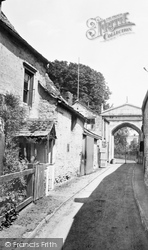
This lane leads from the Market Place to the castle gates. The buildings on both sides are located over the original moat. Centuries ago there may have been a drawbridge here.
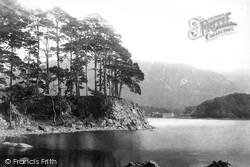
Another classic view of the Lake District. The pine-clad promontory of Friar's Crag near Keswick on Derwent Water is backed by the forested slopes of Walla Crag.
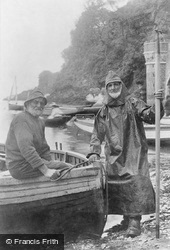
The fisherman on the right is well protected from the elements.
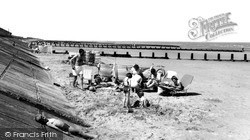
Yet another beautiful Lincolnshire sandy beach, and yet again the wooden breakwater defences have been taken away. The sea appears to be calm and the weather is warm.
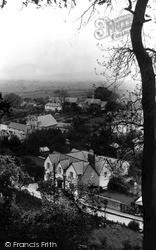
There are cynics who say that the remains of the castle are not worth the effort of the steep climb.
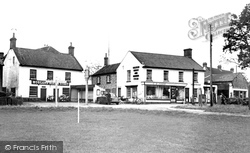
The Black Boys is owned by Morgan and Co, another of the four great breweries of Norwich.
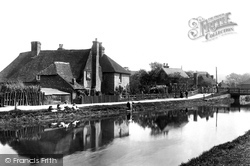
Four young children, seated on the bank of the Stour, are mirrored in the tranquil waters, while to their left, another adult resident stoops to fill a bucket.
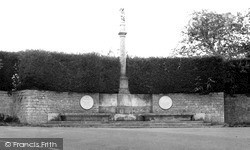
Circular memorial plaques on either side on the wall commemorate both World Wars.
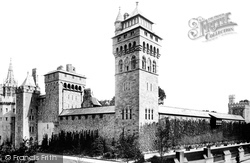
It was to Cardiff Castle that Robert Curthose, Duke of Normandy, was brought after his defeat at Tinchebrai in 1106, having made war on both William Rufus and Henry I.
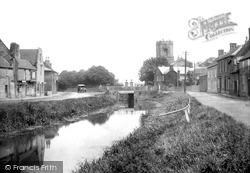
The Old Ouse river runs through both Upwell and Outwell, the next village downstream.
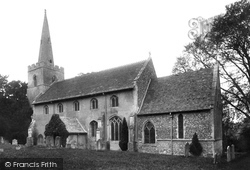
The nearby Elizabethan Madingley Hall was the residence for both Edward VII and George VI during their time in Cambridge as undergraduates.
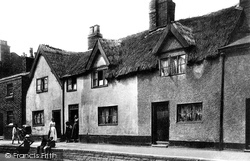
By 1903, the population stood at around 16,800 and, by 1920, would grow by another 1,000 or so.
Places (0)
Photos (12)
Memories (4597)
Books (0)
Maps (9582)