Places
10 places found.
Those places high-lighted have photos. All locations may have maps, books and memories.
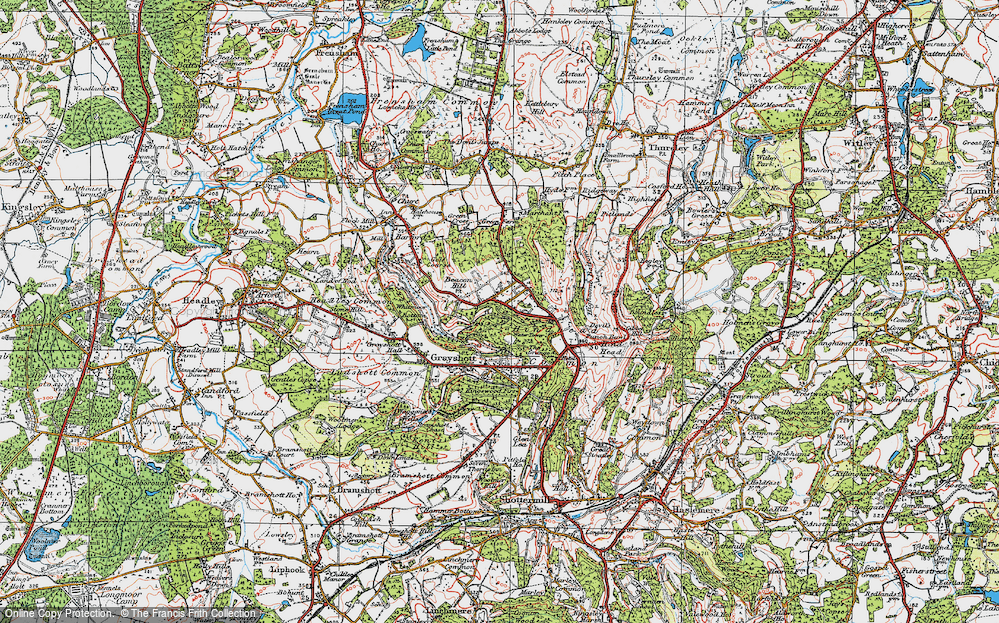
- Beacon Hill, Surrey
- Beacon Hill, Avon
- Beacon Hill, Kent (near Tenterden)
- Beacon Hill, Cumbria (near Dalton-In-Furness)
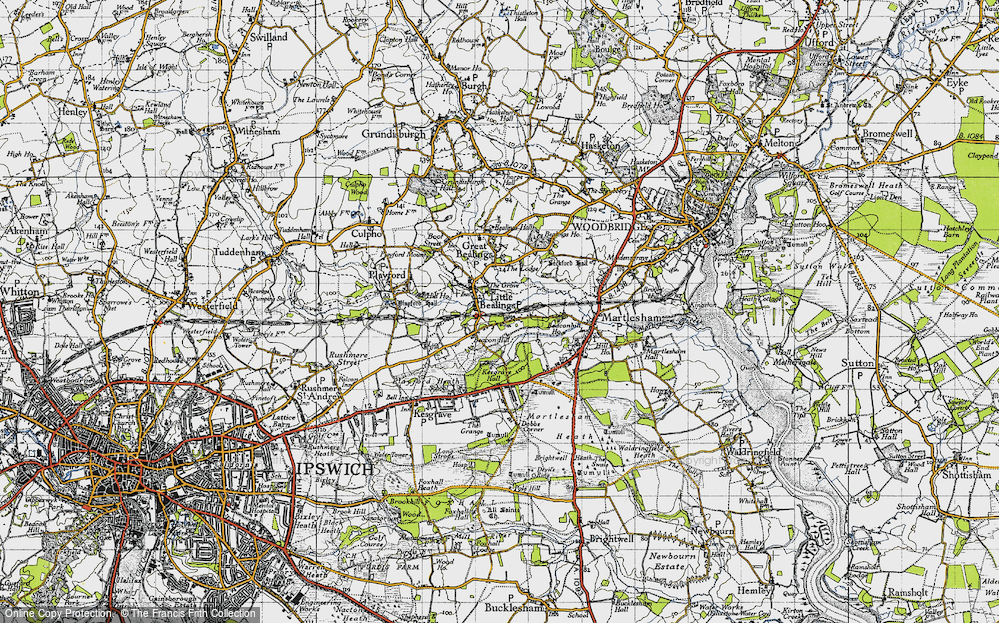
- Beacon Hill, Suffolk (near Woodbridge)
- Beacon Hill, Dorset (near Poole)
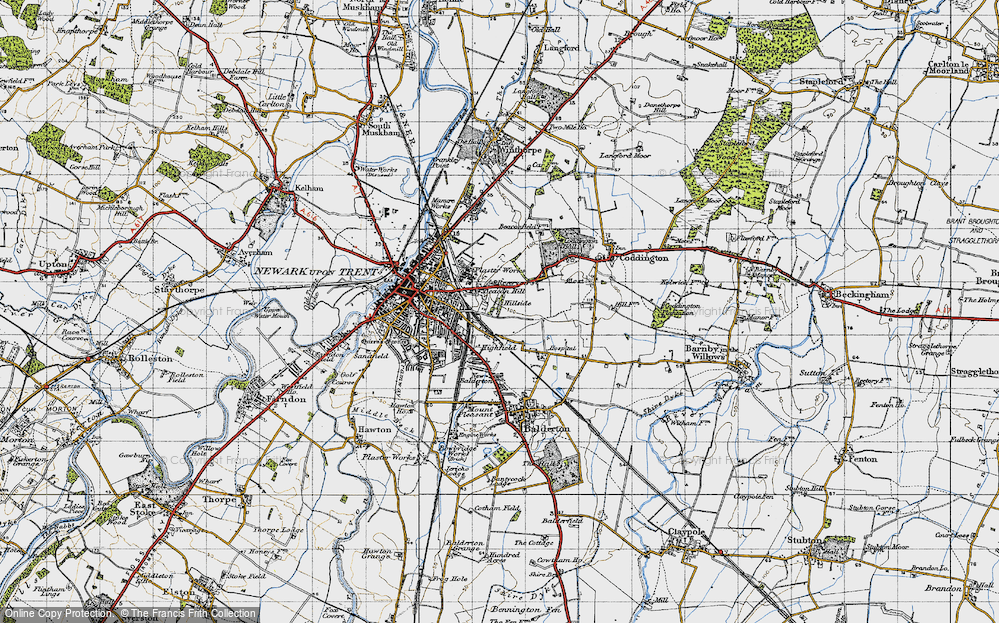
- Beacon Hill, Nottinghamshire (near Newark-on-Trent)
- Beacon Hill, Buckinghamshire (near High Wycombe)
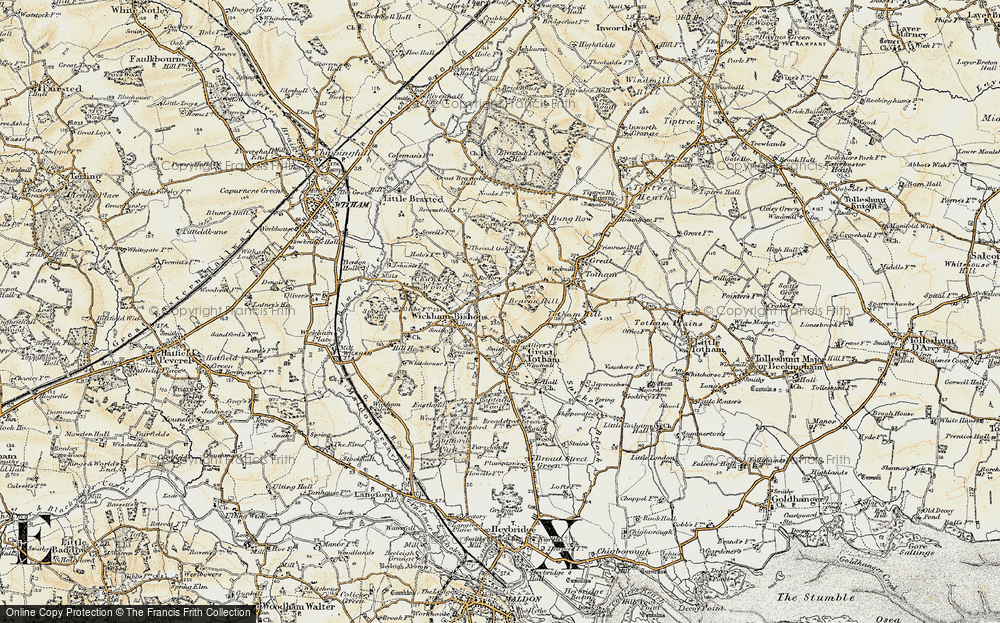
- Beacon Hill, Essex (near Witham)
- Beaconhill, Northumberland
Photos
94 photos found. Showing results 1 to 20.

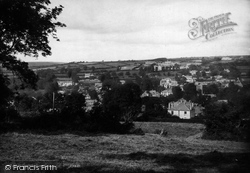
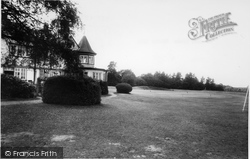
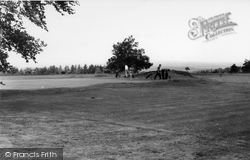
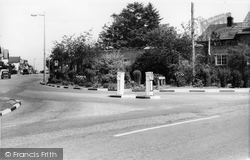
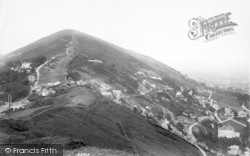
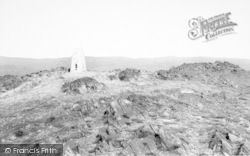
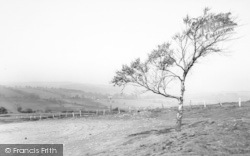
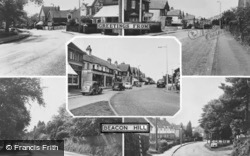
Maps
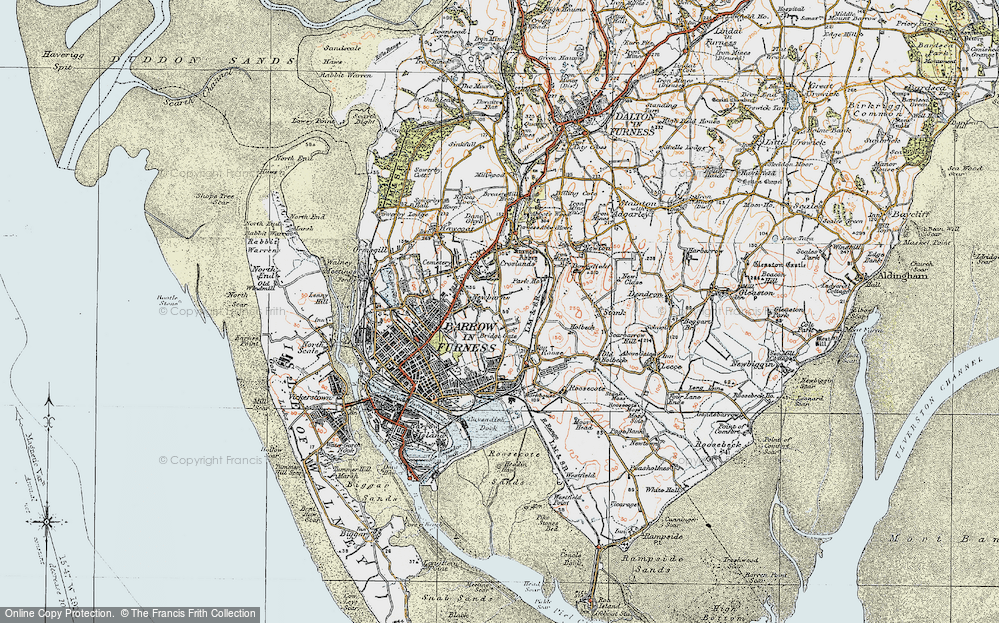
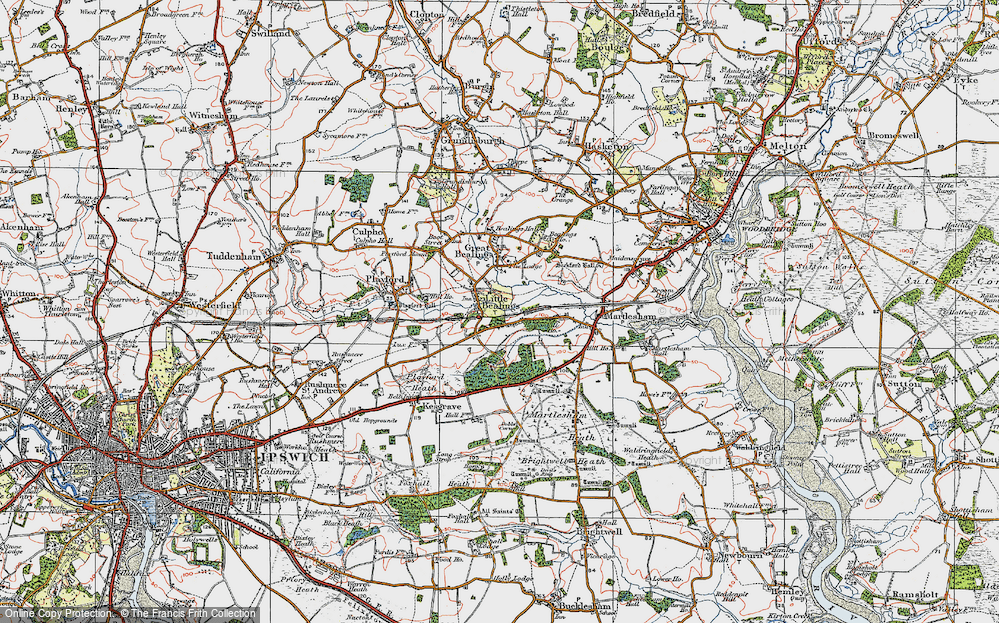
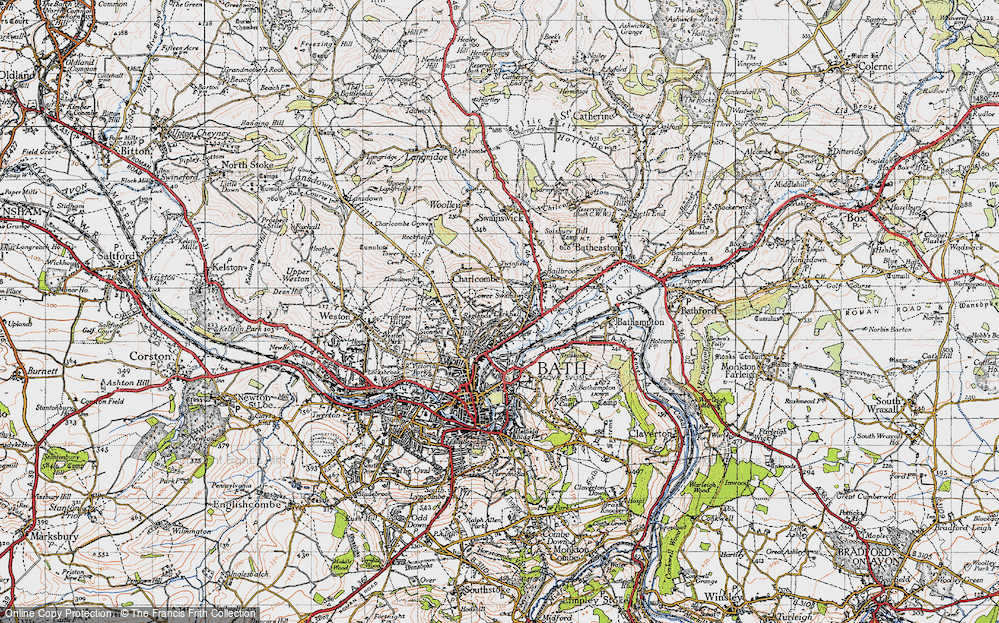
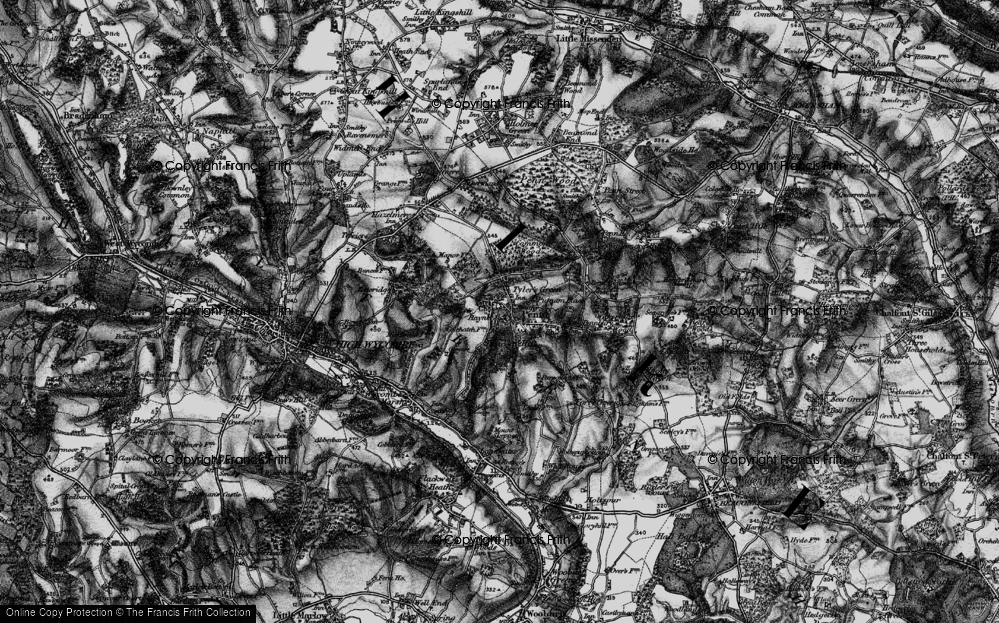
44 maps found.
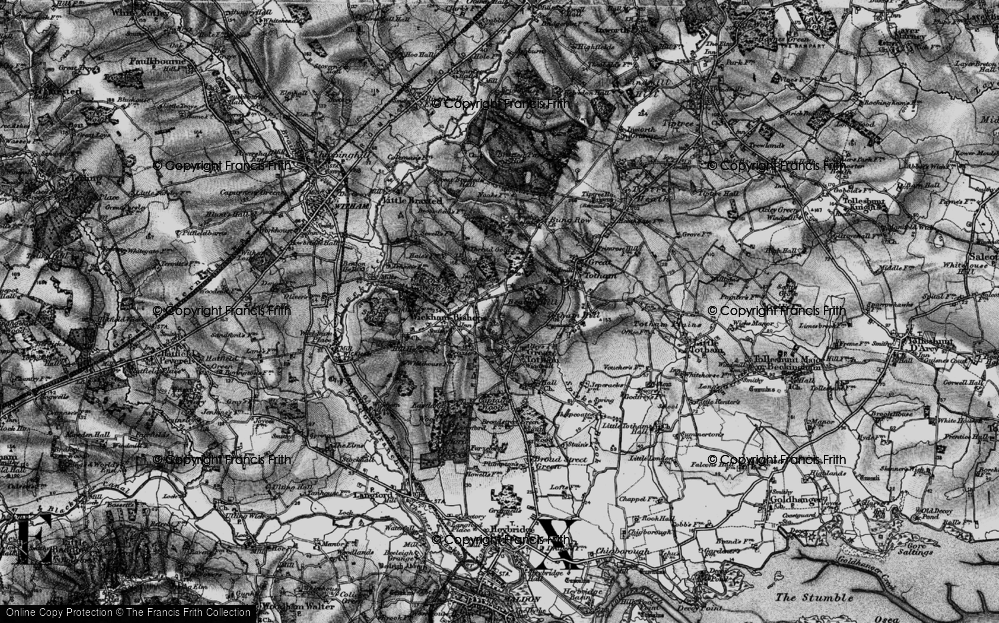
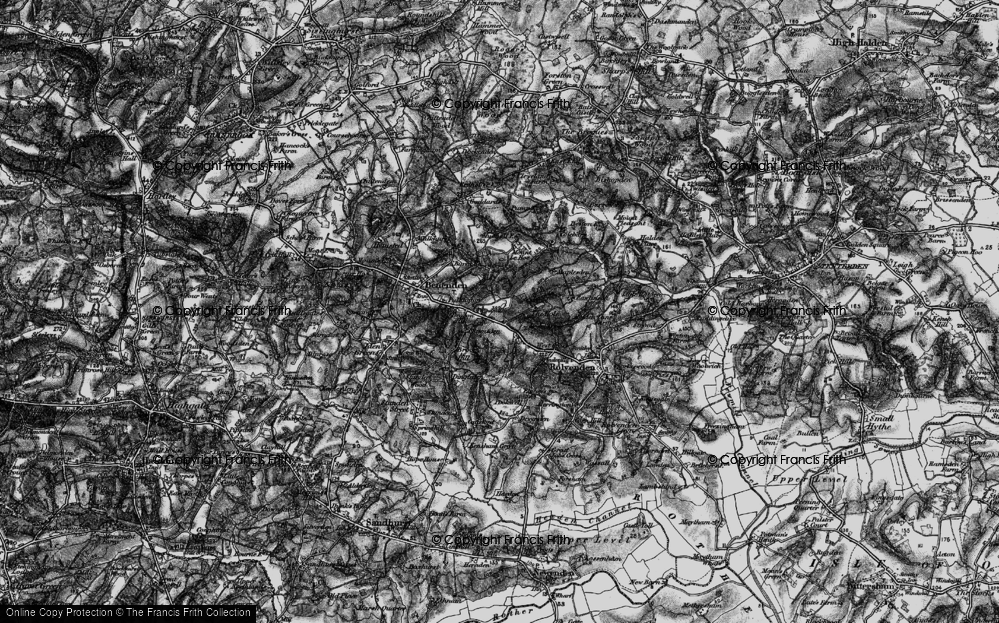
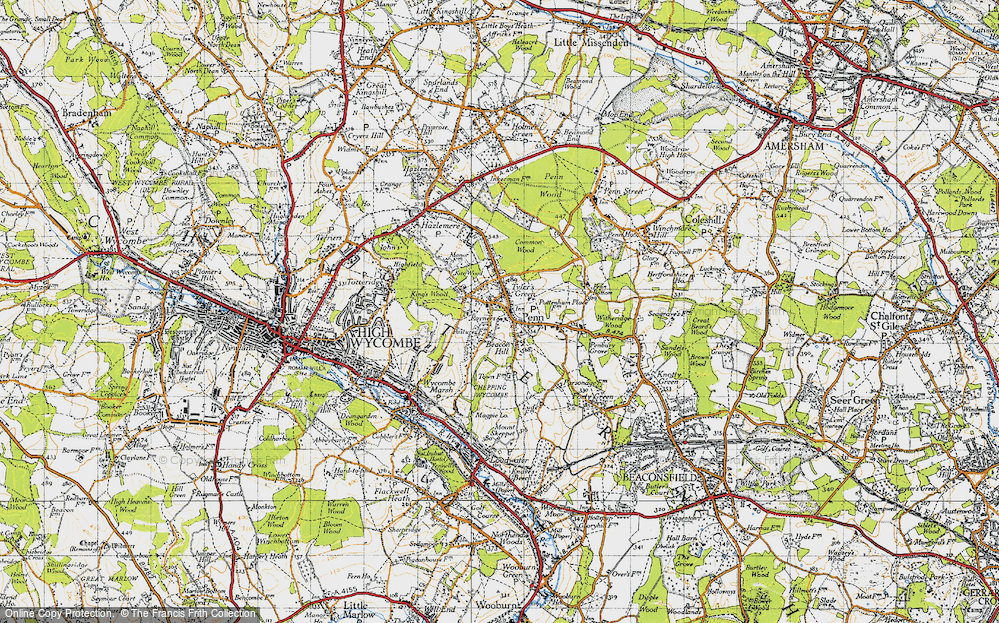
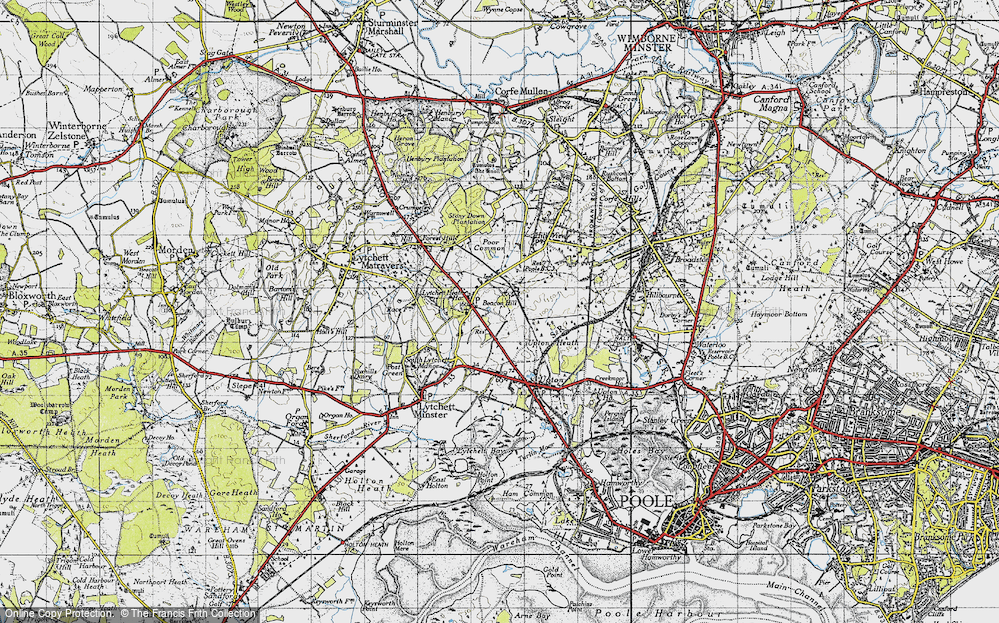
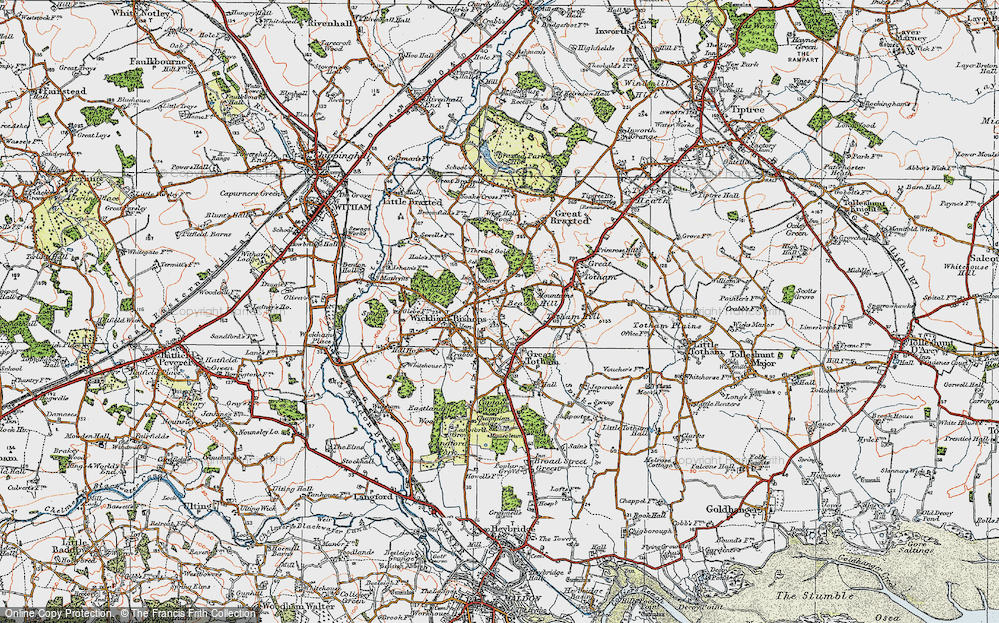
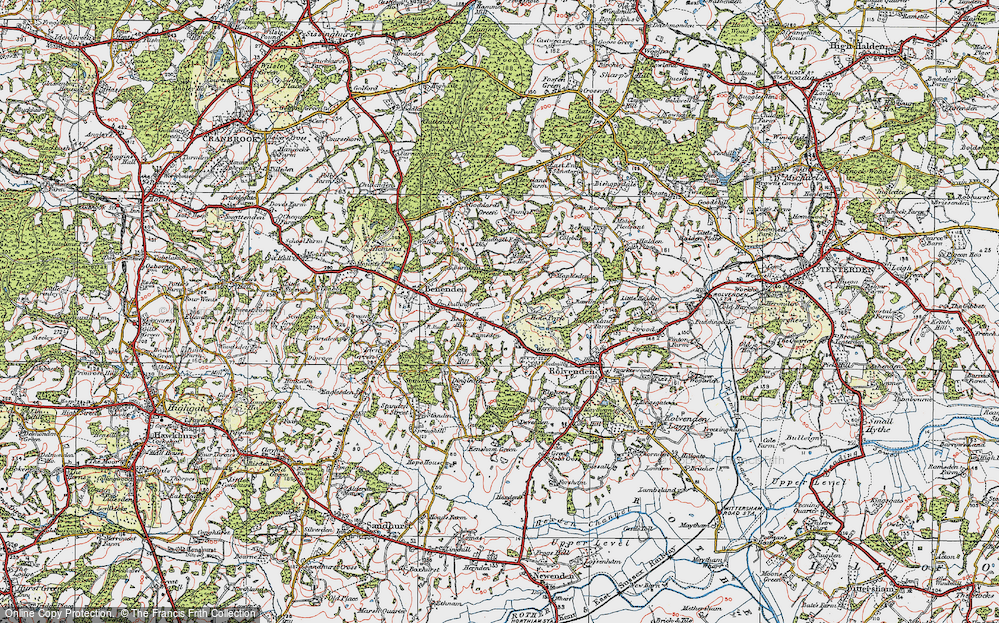
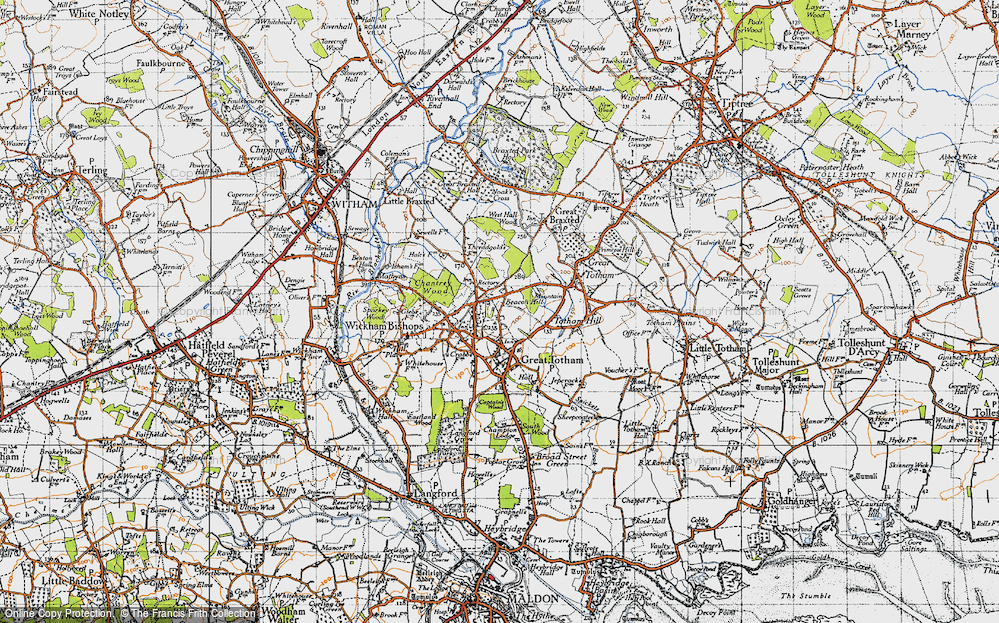
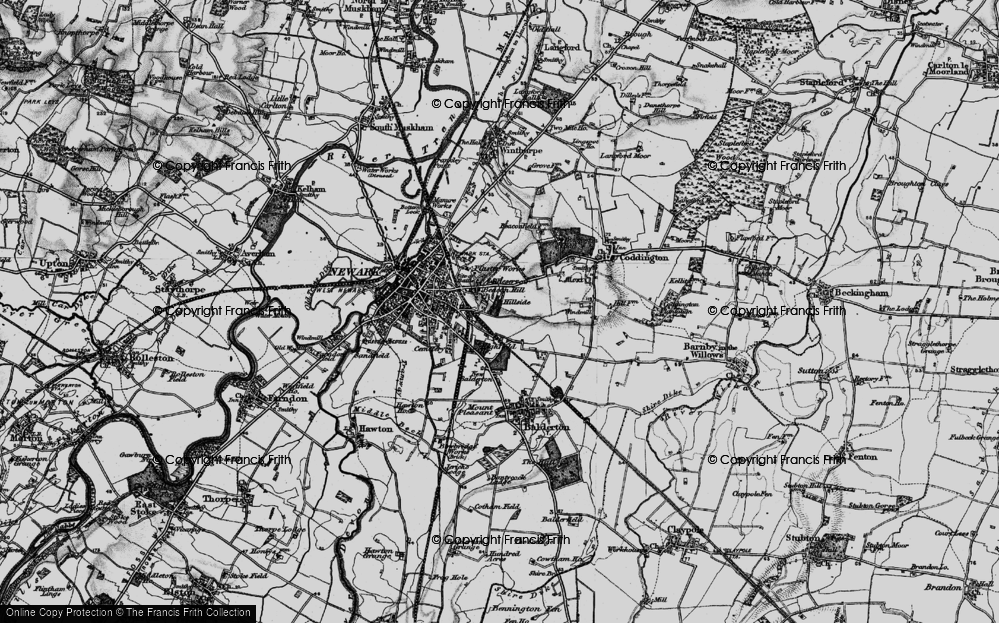
Books
Sorry, no books were found that related to your search.
Memories
30 memories found. Showing results 1 to 10.
Rayne In 1950 1960
I was born in Rayne and in the 1950s.I have fond memories of being able to play various sports in the road at School Road with my brother Peter and friend Richard Dodd, gaining a few more players as word got around! We used to mark ...Read more
A memory of Rayne by
Childhood Memories
Hello, I was born in Builth Wells hospital in 1957, we were living in the village of Tirabad at the time. My uncle and auntie, Ellis and Dot Topliss, plus my cousins also lived here. My father and uncle worked for the forestry and ...Read more
A memory of Tirabad in 1957 by
Happy Days
I was born at 'Barford View' in Churt in 1952 and lived there until I was 13. I am one of eight children of the Lindsey-Clark family, my brothers and one of my sisters still live in the area. I have such wonderful memories of Churt - cricket ...Read more
A memory of Churt in 1952 by
Wilton Memories
Like Gloria Friend, I spent a happy childhood in Hornchurch, attending Suttons Primary School where my mother (Mrs Wilton) was deputy head and Mr Occomore our headmaster. We were carefully drilled in our tables, phonics and ...Read more
A memory of Hornchurch in 1948 by
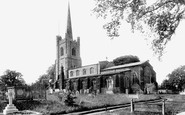
'goldcrest' On The A 287
I was evacuated from Battersea, South London, in 1944 to a large house named 'Goldcrest' on the Hindhead Road not far from Beacon Hill and have some happy memories of that time although as it was wartime everything seemed ...Read more
A memory of Hindhead in 1944 by
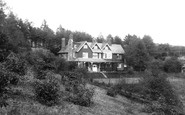
Beacon Hill
I lived in Beacon Hill Road at the Police House in the 1950s and played cricket for Hindhead C.C when I was about 14, such great days. I was also reserve organist at Beacon Hill Congregational Church where Miss Katherine Osborne ...Read more
A memory of Hindhead by
School Days
I lived at 27 Radnor Street, last but one tennament to be flattened. My first year of school was at the "new high school", on Bouquanaran; 10 class rooms open, we had to scramble among the bricks to get to class. Then I went to Radnor ...Read more
A memory of Clydebank in 1940 by
The Wrekin
In the 50s/60s we would go and spend the day on the Wrekin. We would cycle from our home on Charlton Hill and leave our bikes at the Forest Glen (no need to lock them up) and make our way up the first part of the climb which was quite ...Read more
A memory of Donnington by
1960’s
I remember Stanford Dingley when the cottages existed opposite Dumbledore on Jennets hill, they used the water pump opposite. A fire destroyed the semi-detached house opposite where Casey Court now stands. There was a post office half ...Read more
A memory of Stanford Dingley
St Anne's Well
As children we went off on our own exploring the Malvern Hills. Along the footpath of North Hill from by the quarry, which was still being used in those days. Climbing up the side of the Beacon and quenching our thirst at St Anne's ...Read more
A memory of Great Malvern by
Captions
35 captions found. Showing results 1 to 24.
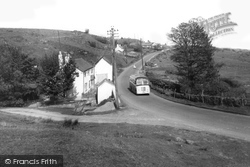
In his 'A Shropshire Lad', the poet A E Housman opens with the words: 'From Clee to heaven the beacon burns, The shires have seen it plain . . .'
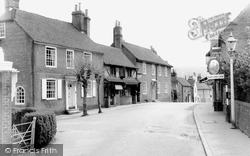
A range of 16th-century houses and cottages descends the hill towards a central crossroads, notably Old Forge, Bowries and Ricksteddle.
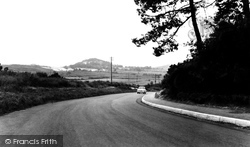
Beacon Hill, in the distance, was in the chain of warning beacons established when French and later Spanish invasions were feared in the 16th century.
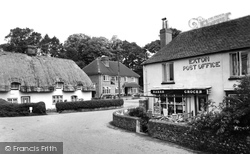
Old Winchester Hill and Beacon Hill nearby are local beauty spots, and provide magnificent views over much of Hampshire.
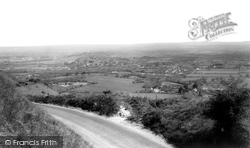
Now in the care of the National Trust, Ditchling Beacon was one of a chain of fires lit to warn of the Spanish Armada in 1588. Much earlier than that it was a hill fort.
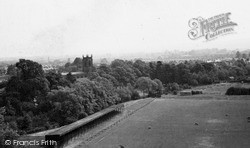
Towards the north-west lies the mound of Beacon Hill. The earliest origins of Loughborough may be here.
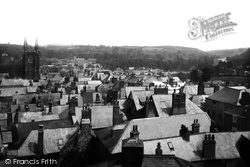
In the distance is St John's Church, Bridgetown; the wooded hill to the right is now the large housing estate of Westonfields.
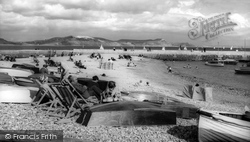
Pebbles and sand extend below the Royal Standard; we look eastwards from deck-chairs, boats and canvas shelters to the North Wall of the harbour and the coast from Charmouth and Stonebarrow Hill to Golden
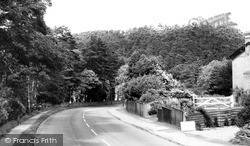
The Lickey Hills were declared a royal hunting forest in the 11th century, but they were sold by the Crown to the Earl of Plymouth in 1682.
A range of 16th-century houses and cottages descends the hill towards a central crossroads, notably Old Forge, Bowries and Ricksteddle.
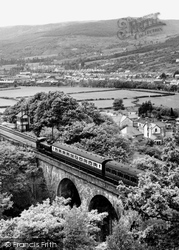
A superb view of both the railway in the foreground, complete with steam engine, and the rolling hills beyond.
Fortunately, there is no traffic as the farmer herds his small herd of cows in the middle of the road at the bottom of Town Hill beside the Peterville Inn.
The Lickey Hills were declared a royal hunting forest in the 11th century, but they were sold by the Crown to the Earl of Plymouth in 1682.
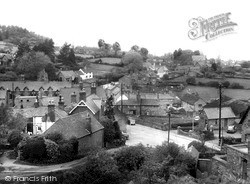
In walking country, the village, although undistinguished, is associated by local people with Newton Linford, Bradgate Park and Beacon Hill, or just as being on the back route from Leicester to Shepshed
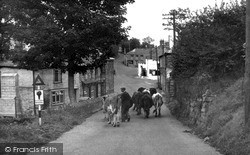
Fortunately, there is no traffic as the farmer herds his small herd of cows in the middle of the road at the bottom of Town Hill beside the Peterville Inn.
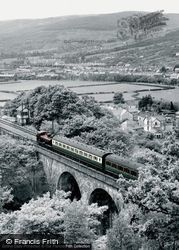
This superb view of Glyn Neath shows both the railway in the foreground, complete with steam engine, and the rolling hills beyond.
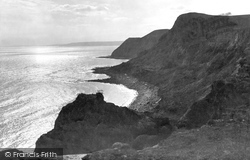
These coastal heights rise between Seatown and Eype Mouth, comprising Ridge Cliff (far centre), Doghouse Hill, and the 508ft summit of Thorncombe Beacon (right) above East Ebb Cove and GreatEbb (near centre
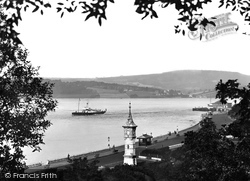
The river Exe from Beacon Hill. This fashionable area was home to Lady Nelson after her estrangement from the Admiral. By the time this picture was taken, the holiday business was well established.
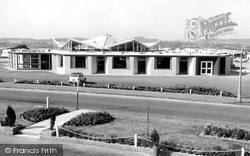
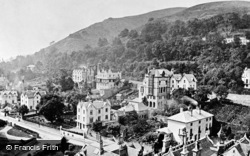
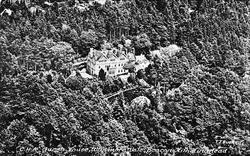
Just behind the roof is wooded Beacon Hill.
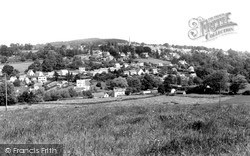
Above the town, rising to 900ft, is Painswick Beacon with its golf course and ancient British hill fort.
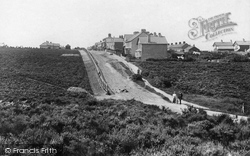
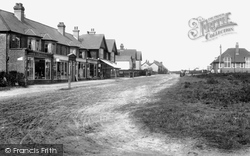
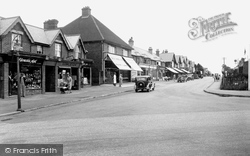
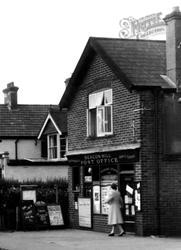
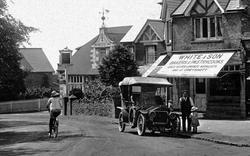
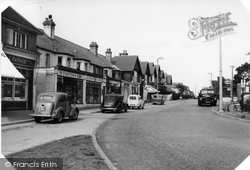
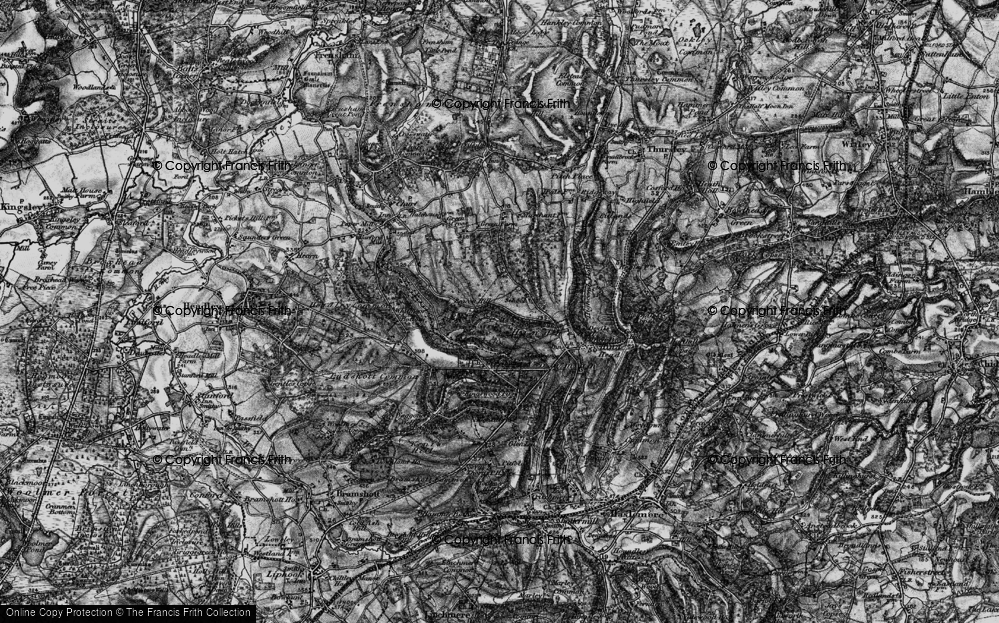
Beacon Hill was developed in the late 19th century for those who were in service to the wealthy folk who lived at neighbouring Hindhead.
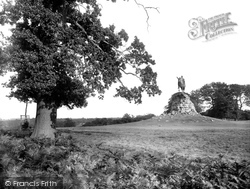
Here we have a view of the Copper Horse on the summit of Snow Hill. Most of the Long Walk, including the Copper Horse, is within the boundary fence of a Deer Enclosure.
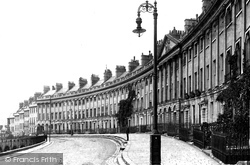
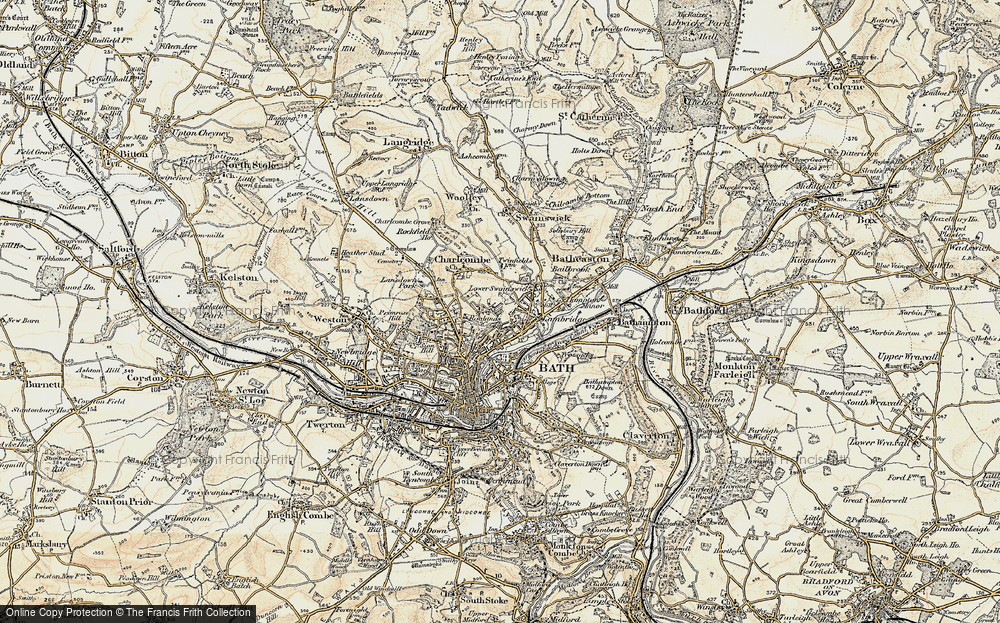
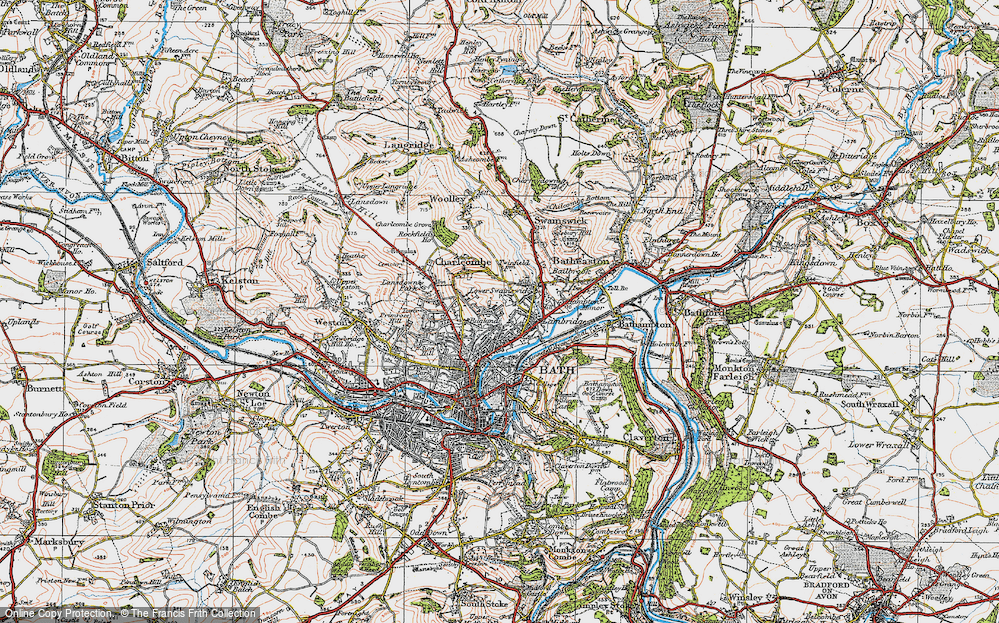
From Lansdown Road turn left into Camden Crescent, an ambitious project begun in 1788 on the slopes of Beacon Hill, which gave splendid views eastwards.
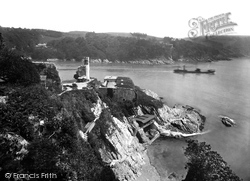
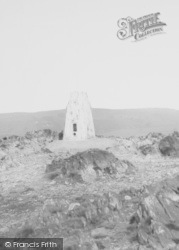
Just visible on the far right at the top of the hill is the day beacon, an 80ft stone tower which marks the eastern side of the entrance to the estuary, as the entrance is almost impossible