Places
11 places found.
Those places high-lighted have photos. All locations may have maps, books and memories.
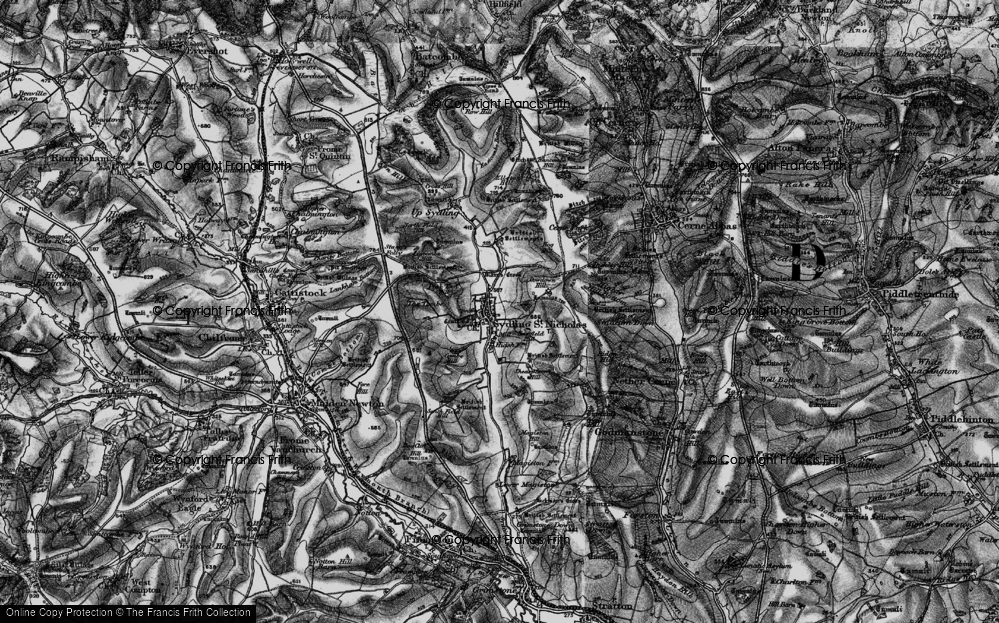
- St Nicholas, South Glamorgan
- Combe St Nicholas, Somerset
- St Nicholas at Wade, Kent
- Sydling St Nicholas, Dorset
- St Nicholas, Dyfed
- St Nicholas, Hertfordshire
- Deeping St Nicholas, Lincolnshire
- Sutton St Nicholas, Hereford & Worcester
- St Nicholas South Elmham, Suffolk
- Llanmaes, South Glamorgan (near St Nicholas)
- Downs, South Glamorgan (near St Nicholas)
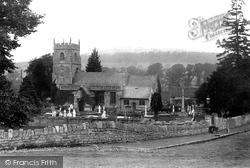
Photos
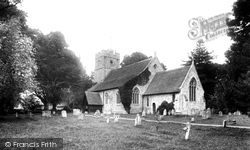
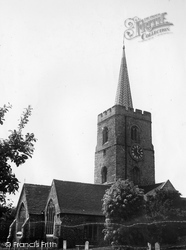
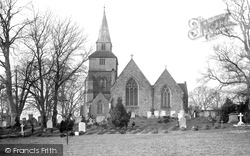
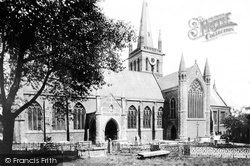
638 photos found. Showing results 1 to 20.

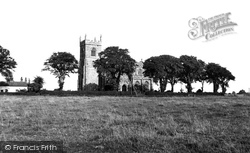
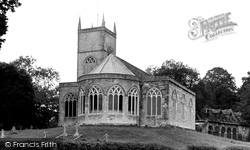
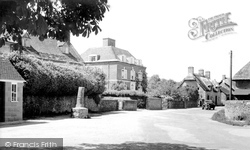
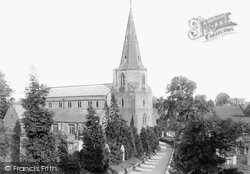
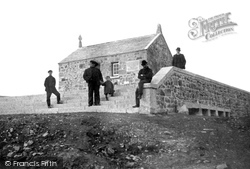
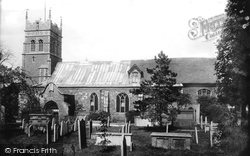
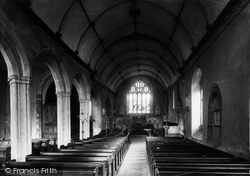
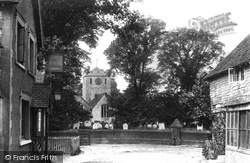
Maps
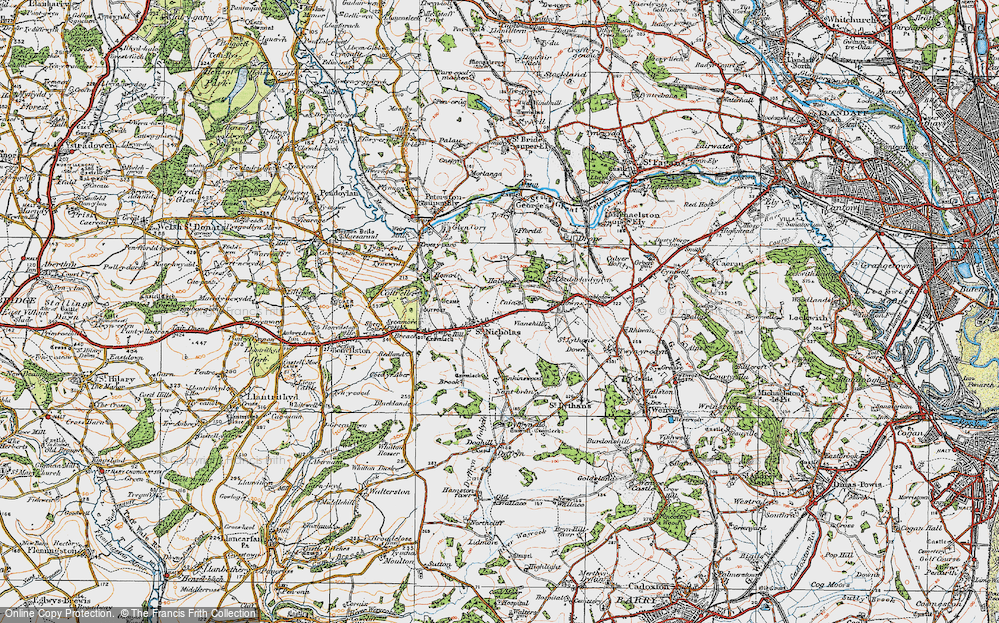
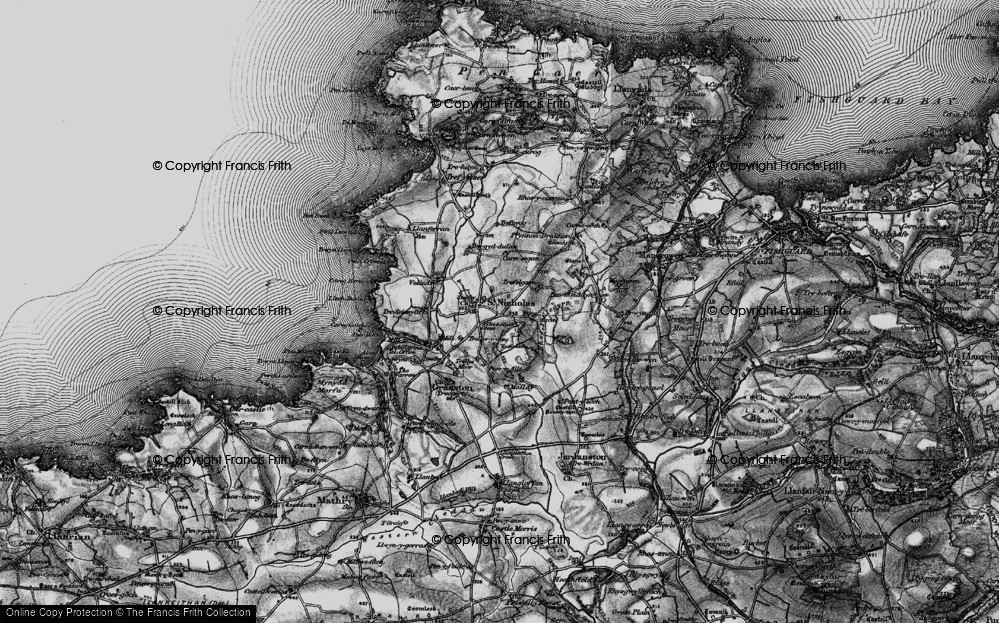
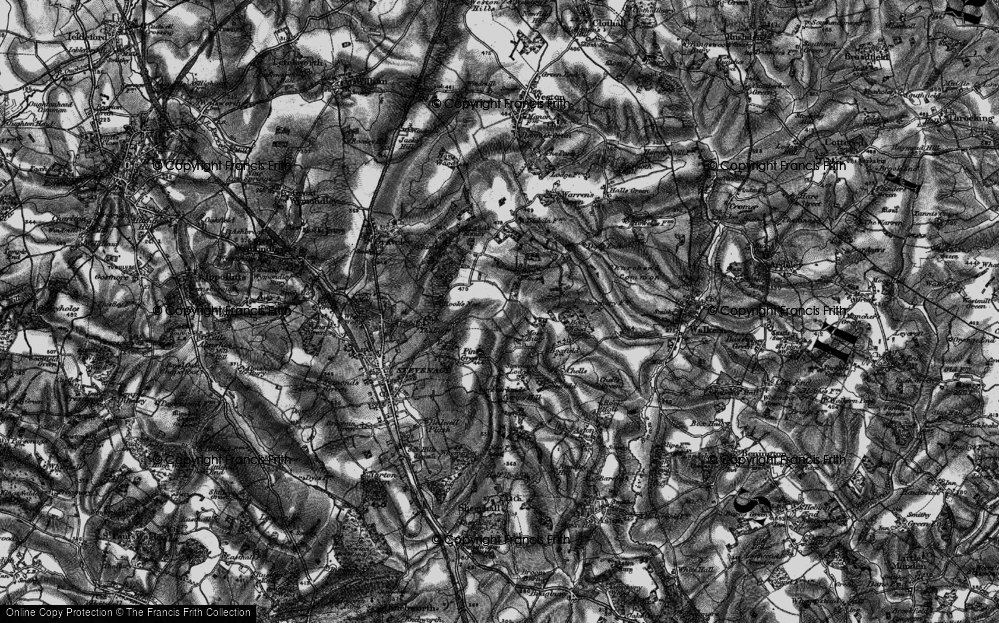
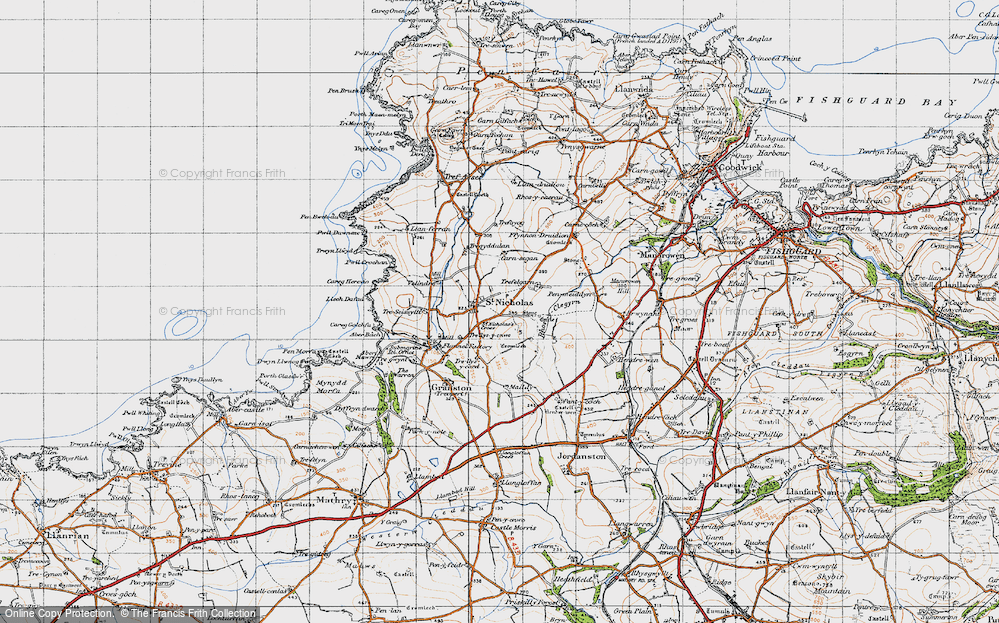
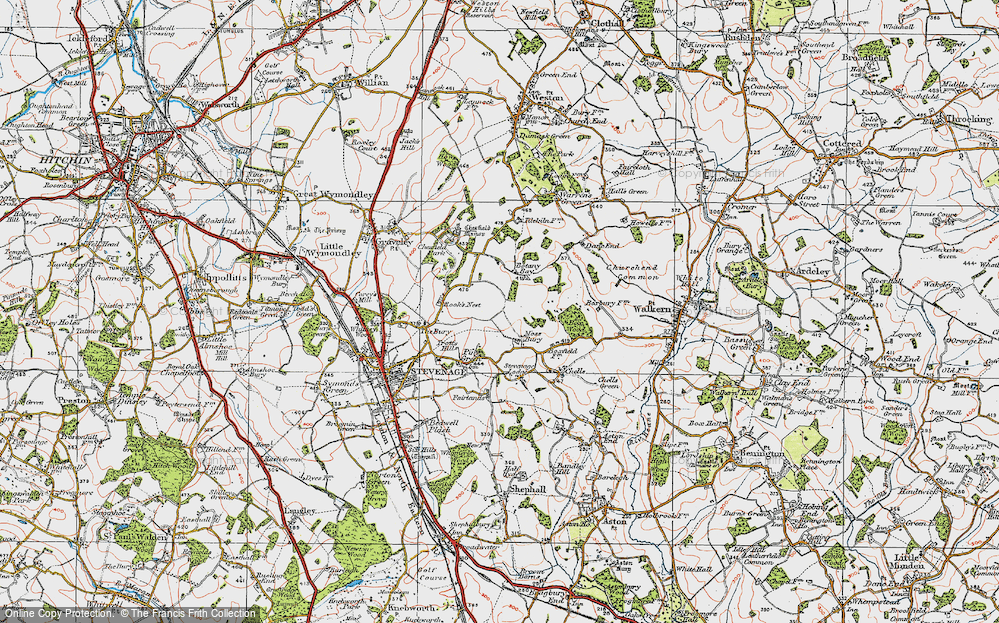
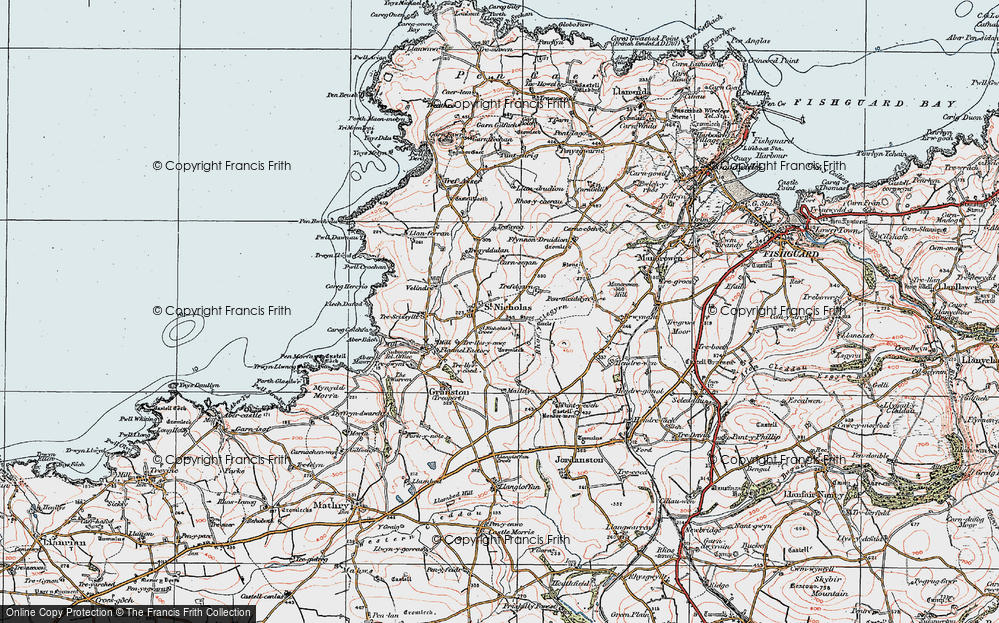
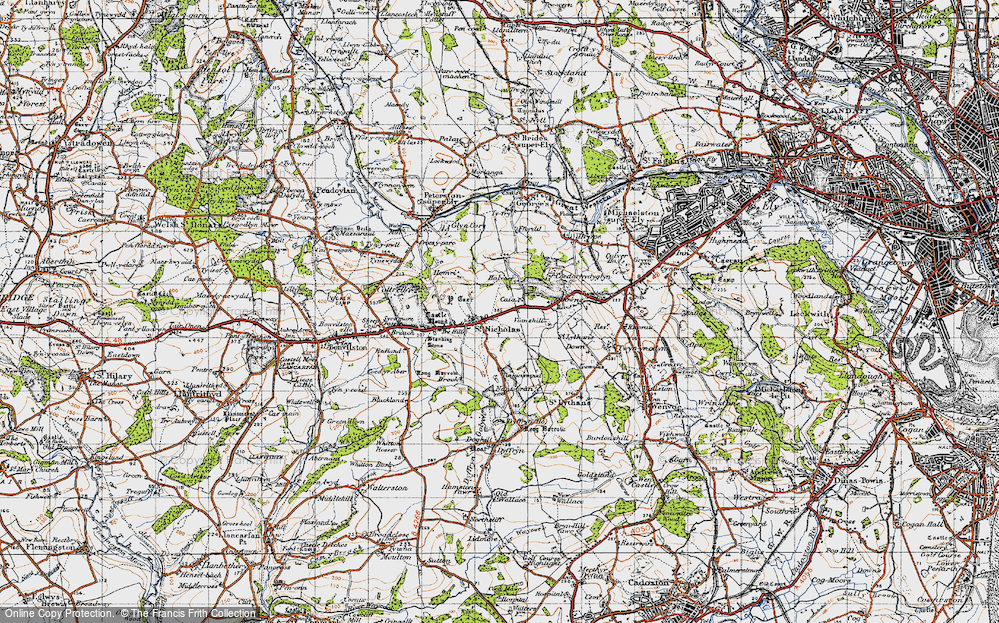
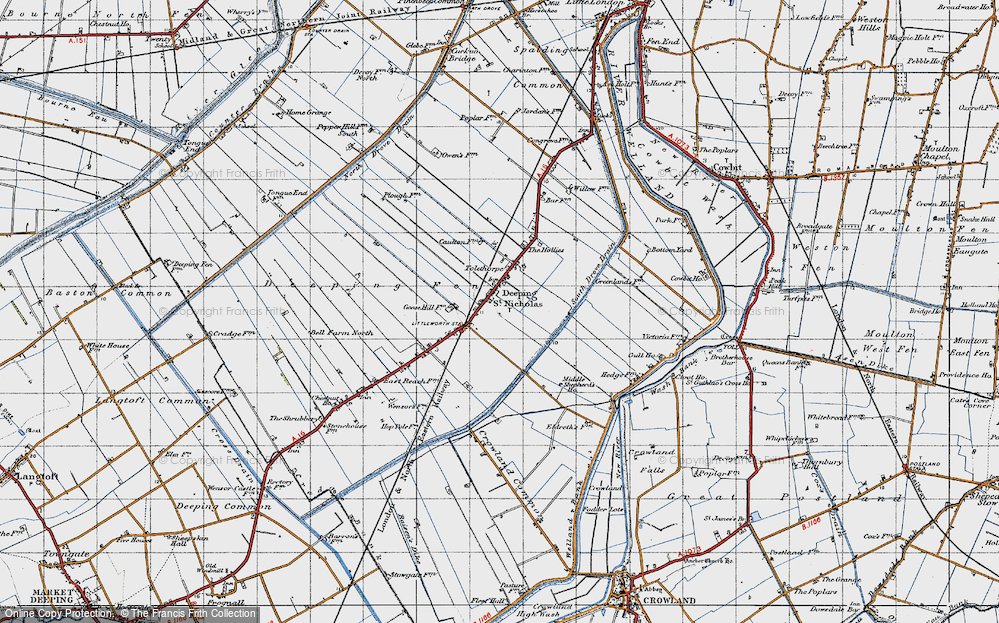
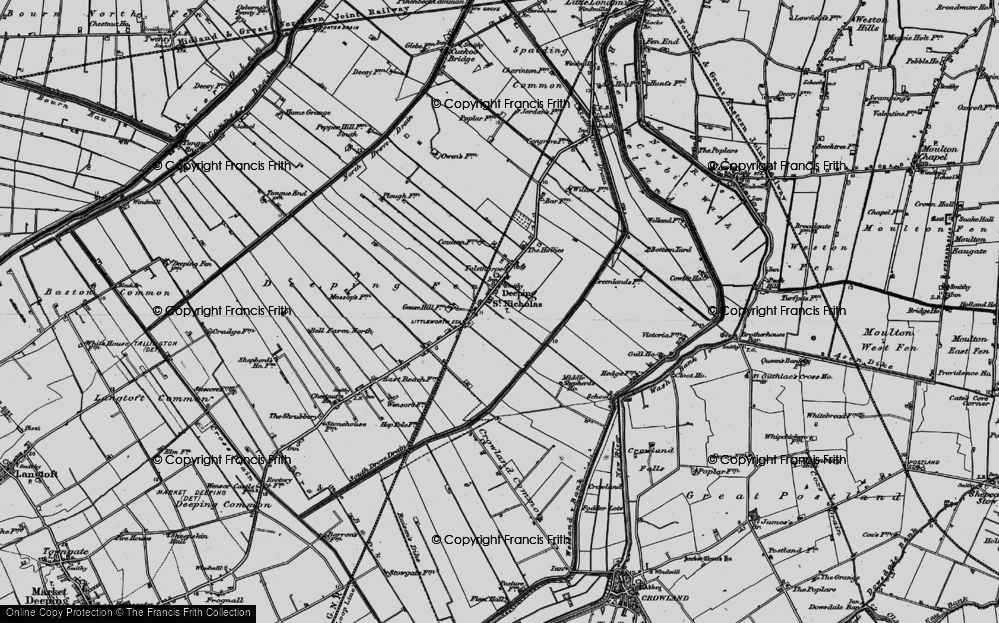
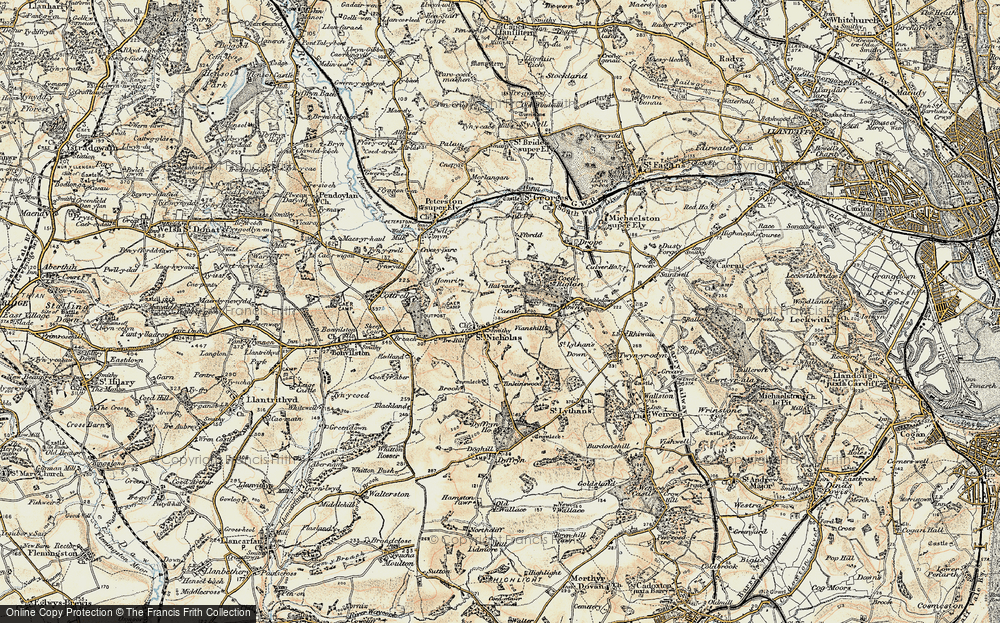
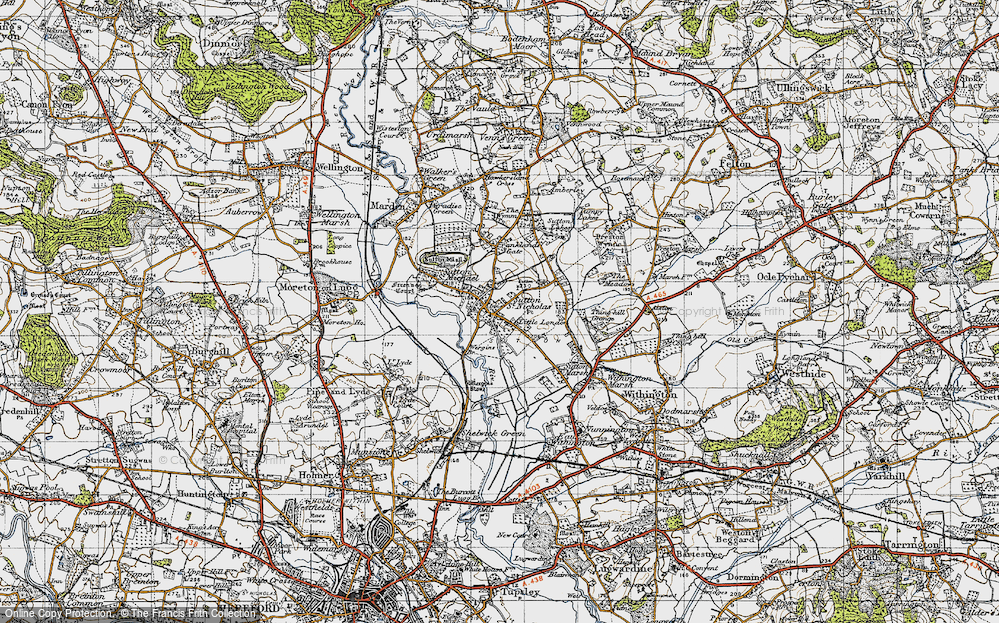
52 maps found.
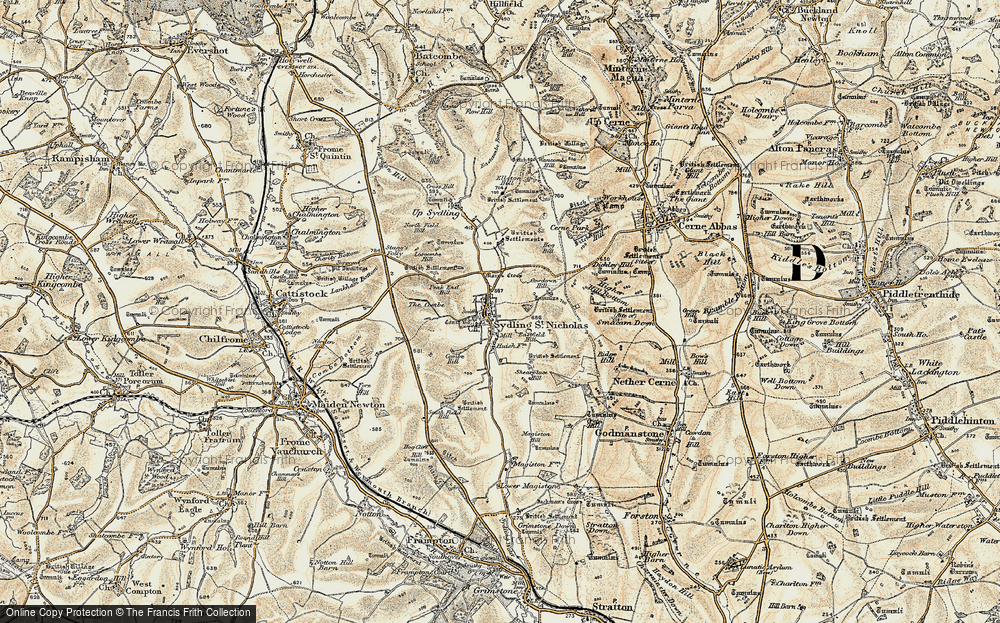
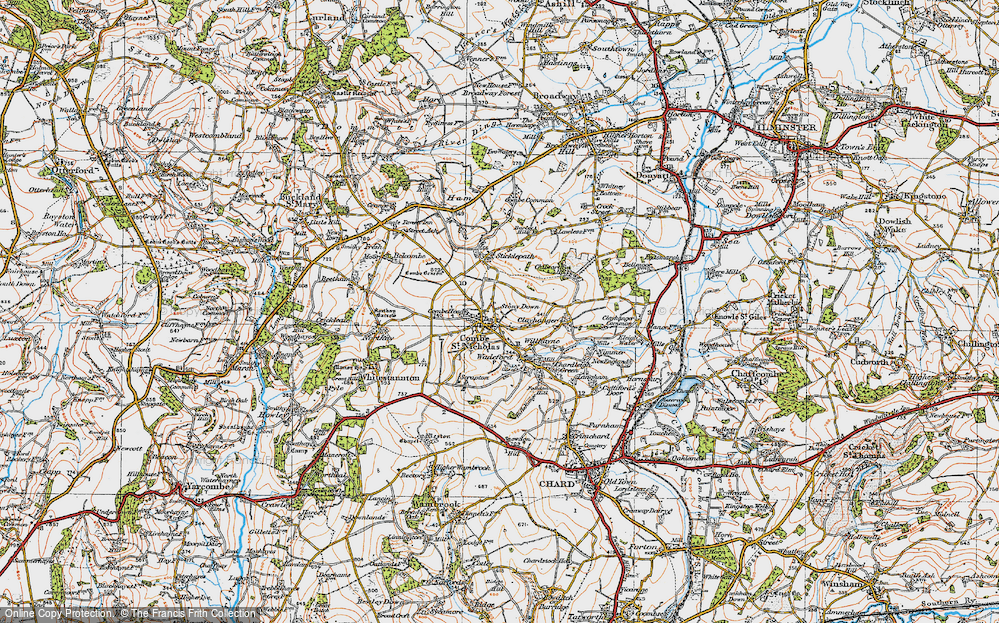
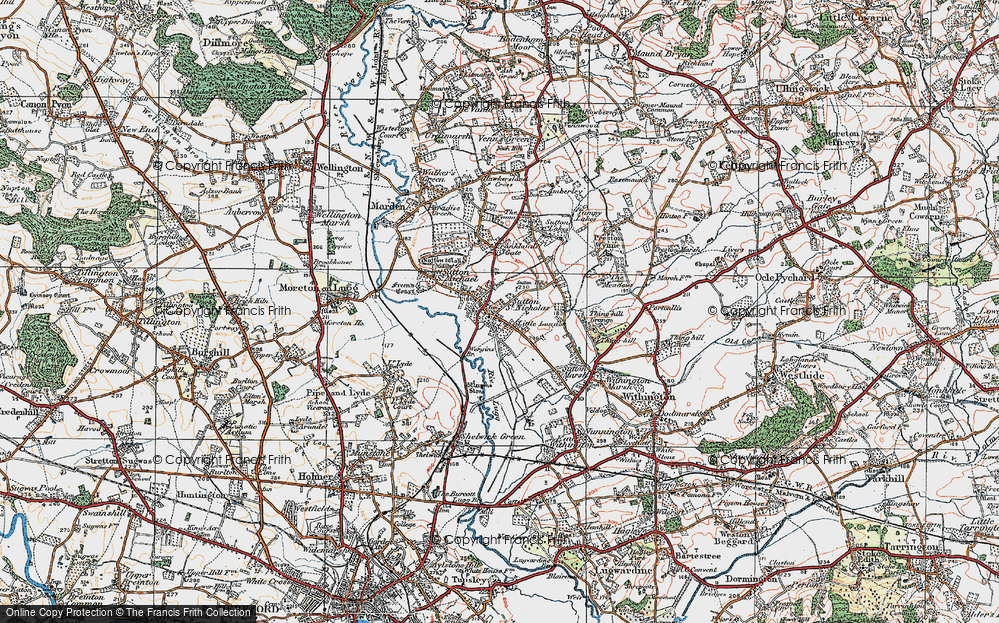
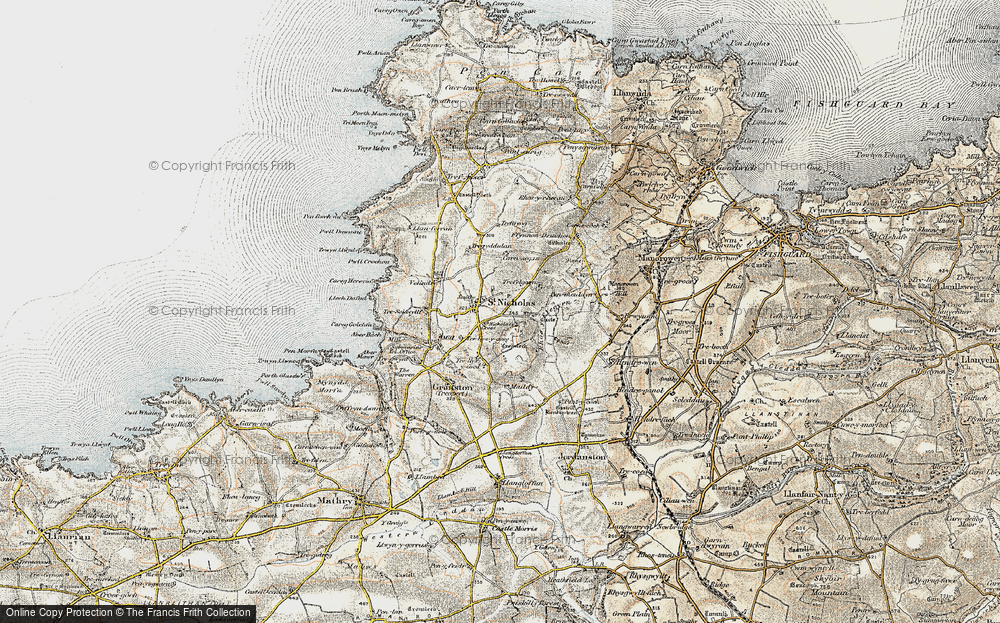
Books
Sorry, no books were found that related to your search.
Memories
132 memories found. Showing results 1 to 10.
Cholderton Post Office
I spoke to my Dad last night to share what I found on Cholderton. He grew up in the Cholderton Post Office building in the 20's. He also lived in the cottages in the laneway that leads to St. Nicholas Church. He described it ...Read more
A memory of Cholderton by
Life Around St Nicholas Church
When we were children we used to toboggan down St Nicholas Hill in snowy weather, which was wonderfully exciting as it is so steep. I was married in St Nicholas Church on 25th July 1959 which was an exceptionally hot ...Read more
A memory of Laindon in 1959 by
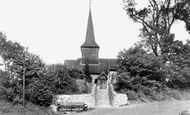
St Nicholas School
Formerly St Nicholas School. I attended St Nicholas School from 1952 until 1956. I have a photograph taken in 1955 where at the age of 7 I was on the football team, The sons of the singer Joan Regan attended the school and were ...Read more
A memory of Mickleham in 1955 by
My Great Grandfather
The man in this photograph is quite possibly my Great-Grandfather. The family name is 'Wye' and he was the lock keeper at St. Catherines lock during the late 1800's early 1900's the family lived in the lock keepers cottage on ...Read more
A memory of Guildford in 1900 by
I Am A Beach Boy
I was born in July 1942 at 2 Church Road ,the youngest of eight children,the time I remember best is around 1952,being a kid in the Beach then was brilliant,so many things to do, Boating Lake,Minature Railway,Swimming ...Read more
A memory of Severn Beach in 1952 by
Combe St Nicholas School During The Second World War Period
My father and mother-in-law lived in Combe St Nicholas during the Second World War. My father-in-law taught at the local school. He then went to war and was a prisoner of war in ...Read more
A memory of Combe St Nicholas in 1940 by
Pilgrims Wood Sandy Lane
Hello, my name is Fred Clarke, I was at the orphanage called Pilgrims Wood, in Sandy Lane, in 1945/46. I remember the searchlights and the barrage balloons on the Hogs Back. We used to play in the woods, and go to the church ...Read more
A memory of Guildford in 1945 by
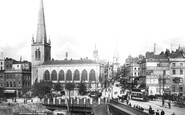
Bristol Blitz
The High Street - the scene of many stirring events in Bristol's history and the heart of the city - was destroyed and lost forever during the Second World War. As a city with docks and industry at its heart, Bristol was a natural ...Read more
A memory of Bristol by
Growing Up In Gildersome
I was born in 1952 and lived in Gildersome until I was 19 years old. My name until then was Lorraine Thompson. I have many happy memories of living in the village. Until I was 4 years old I lived in a terrace called Green ...Read more
A memory of Gildersome in 1952 by
Captions
160 captions found. Showing results 1 to 24.
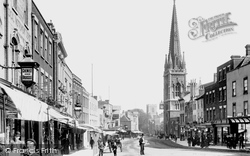
Looking east along High Street, which was dominated by the spire of Sir Giles Gilbert Scott's church of St Nicholas and St Runwald.This replaced two older churches (St Runwalds and St Nicholas
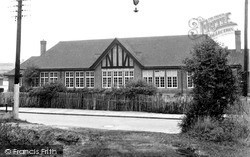
It eventually merged with Nicholas School to become the new James Hornby High School (named after the final teacher at the St Nicholas's church annexe).
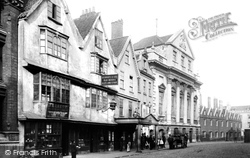
Also to be found in King Street in 1890 were the St Nicholas Almshouse, founded in 1656, complete with its own chapel, and the Merchant Adventurer's Almshouses, built in 1699.
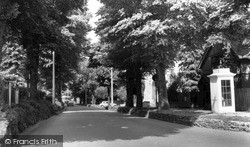
The raised pavements on both sides of Cheam Road at this point are lined with substantial trees. Between those on the right is the south porch of Trinity Methodist Church.
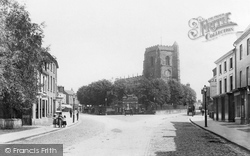
St Nicholas's church stands on its own island surrounded by streets.
It eventually merged with Nicholas School to become the new James Hornby High School (named after the final teacher at the St Nicholas's church annexe).
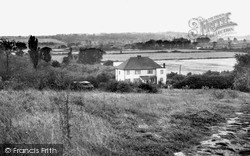
Although these houses are little changed today, the view from St Nicholas's car park across Markhams Chase is barely recognisable now.
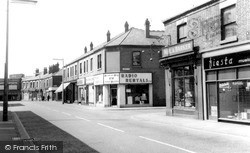
The three balls, the sign of a pawnbroker, are said to originate from St Nicholas, the patron saint of pawnbrokers.
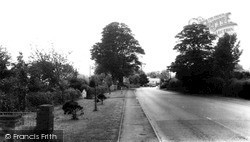
There is no general consensus as to the origin of 'St Nicholas' as a place name.
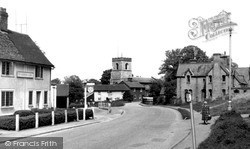
This quiet north Hertfordshire village offers teas in the garden - or something a little stronger at the Three Horseshoes (left). The pub had been the village school in 1873.
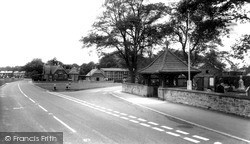
St Nicholas's lych gate was used as a resting place for coffins before burial. In the opposite corner is the village school founded by the gift of £180 from a tailor, James Thistleton.
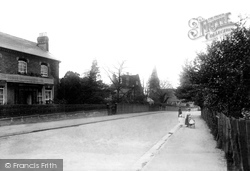
This view looks north along Church Road from near the Cheam Road junction, with the spire of St Nicholas parish church in the distance.
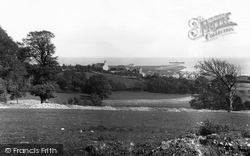
In the background is St Osyth and also St Nicholas church. On Friars Point we can see the original Marine Hotel (now Friars Point Guest House).
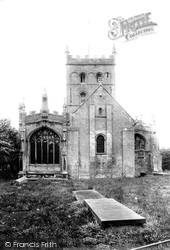
This was erected by Richard Beauchamp, Lord St Amand, Governor of the Castle, during the reign of Edward IV. His tomb is to be found in St Nicholas, Bromham.
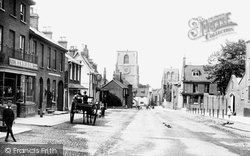
In the churchyard of St Nicholas's Church is the grave of the melancholic poet William Cowper, and St Withburga's Well, the site of the grave of one of the sainted daughters of the Saxon King Anna.
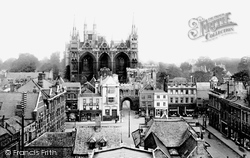
This view, taken from St John's Church across Cathedral Square, shows the Canadian Government offices next door to the Capital and Counties Bank, St Nicholas' Gate, the print works, a toy

The interior of St Peter's has piers and dressings of polyphant stone and a marble pulpit with alabaster steps.
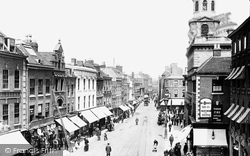
It was here that Elizabeth I was greeted as she entered the city in 1574.
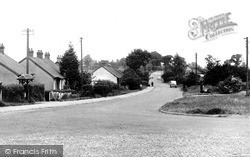
A field known as Joiners Hill on the south corner of St Nicholas Lane at the entrance from High Road is shown on the 1839 Laindon Tithe Map, and it is thought that the route via Laindon High
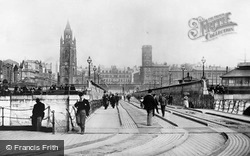
Our photographer is standing on the Prince's Landing Stage, looking up the floating road towards St Nicholas' Place and the church of Our Lady and St Nicholas at the top.
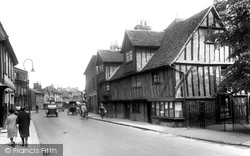
Sad to say, many of the timber-framed buildings in St Andrew's Street were demolished in the 1960s.
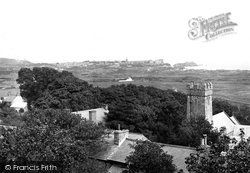
The 16th-century tower of the church of St Nicholas and St Teilo rises above the rooftops of leafy Penally. The tree line follows the line of the Tenby Pembroke railway track.
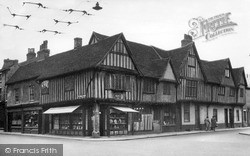
On the corner of Silent Street and St Nicholas' Street we see this impressive group of Tudor buildings with a carved corner post. Cardinal Wolsey is reputed to have been born here.
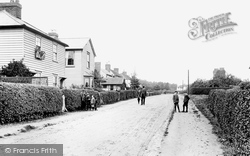
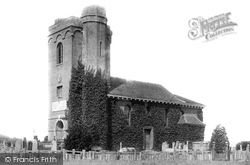
On the right is the truly remarkable red-brick tower of St Nicholas church, built in 1735 by Lord Petre of nearby Thorndon Hall.
Places (11)
Photos (638)
Memories (132)
Books (0)
Maps (52)