Places
5 places found.
Those places high-lighted have photos. All locations may have maps, books and memories.
Photos
103 photos found. Showing results 1 to 20.

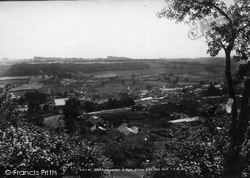
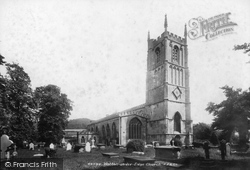
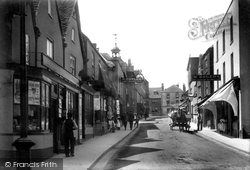
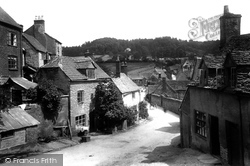
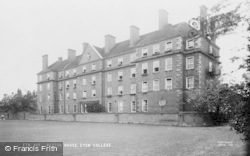
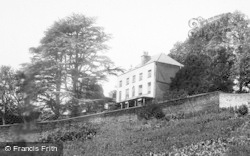
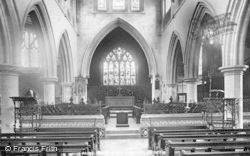
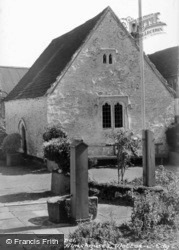
Maps
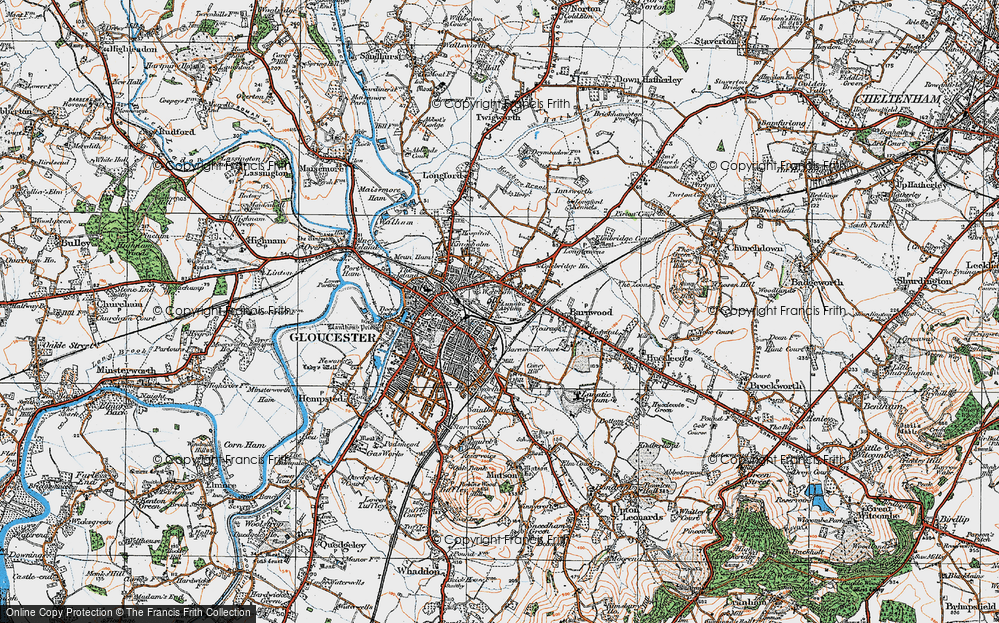
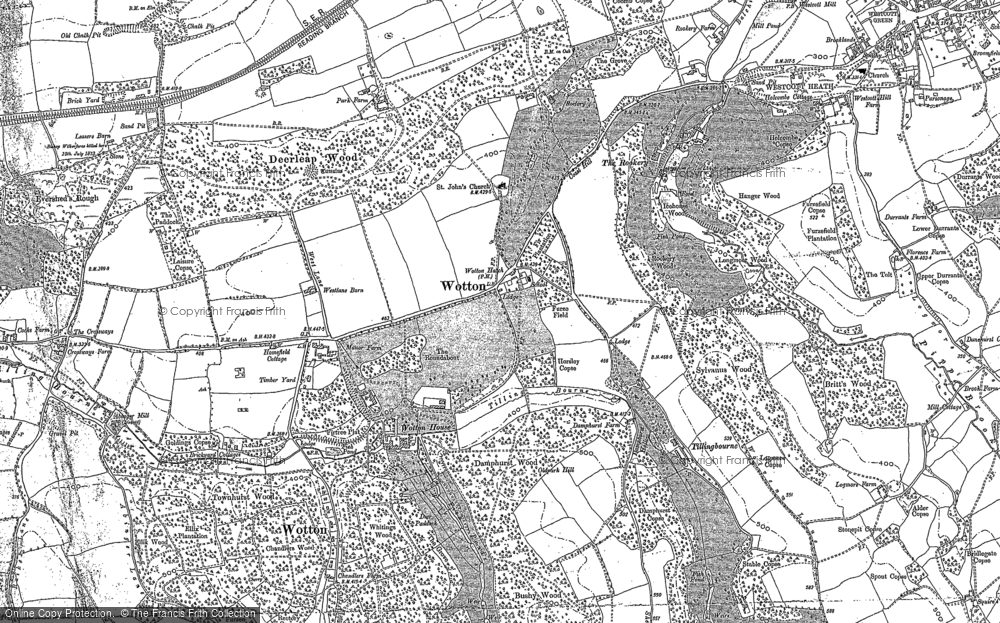
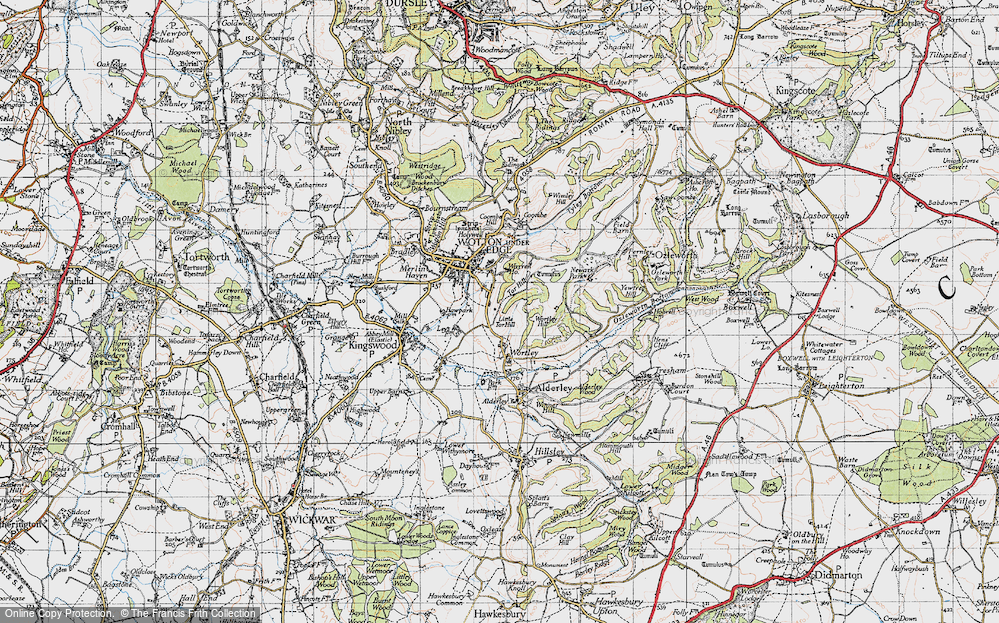
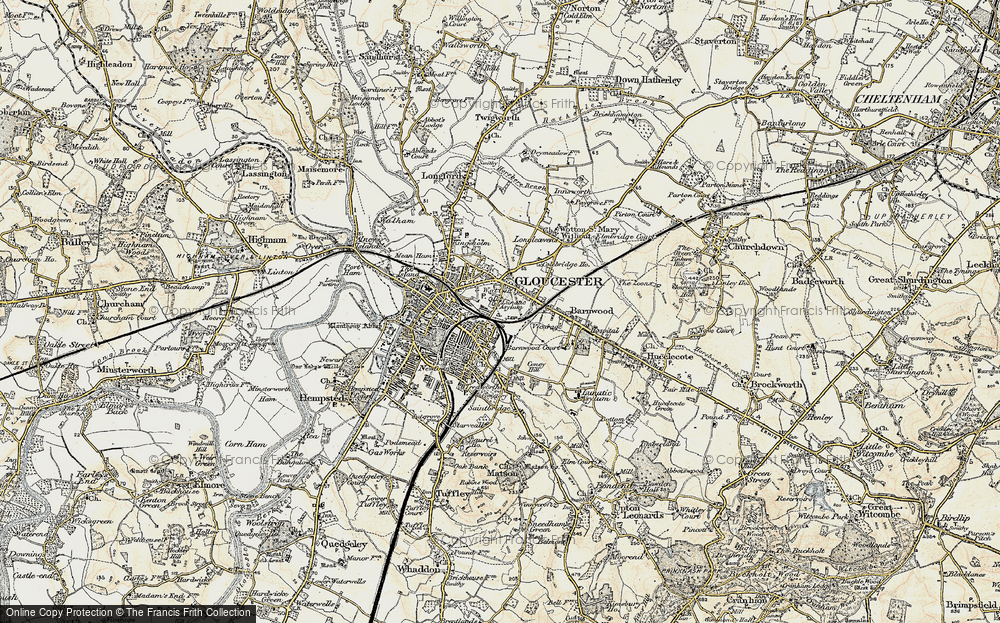
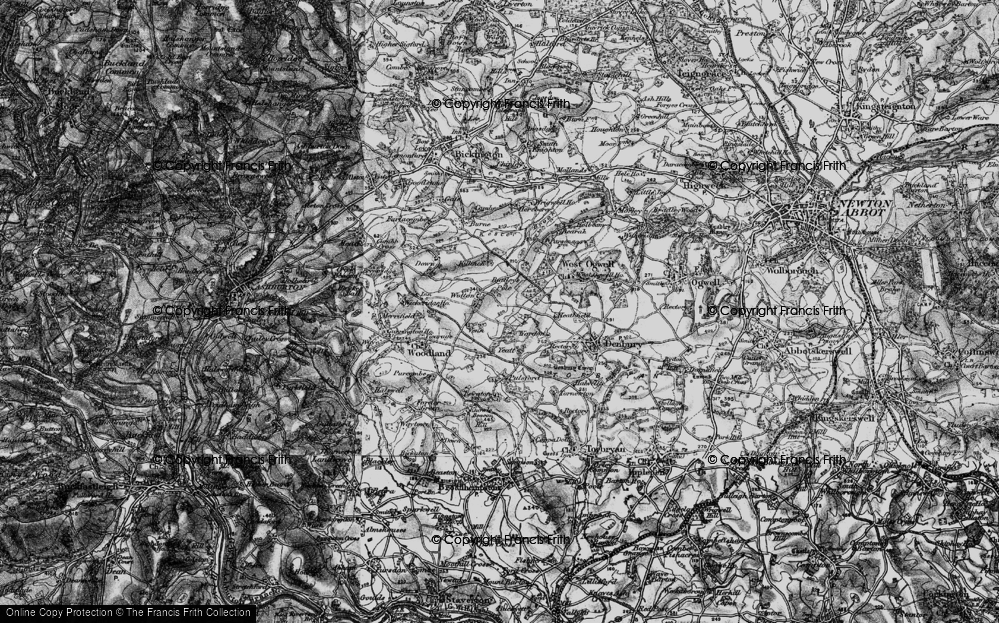
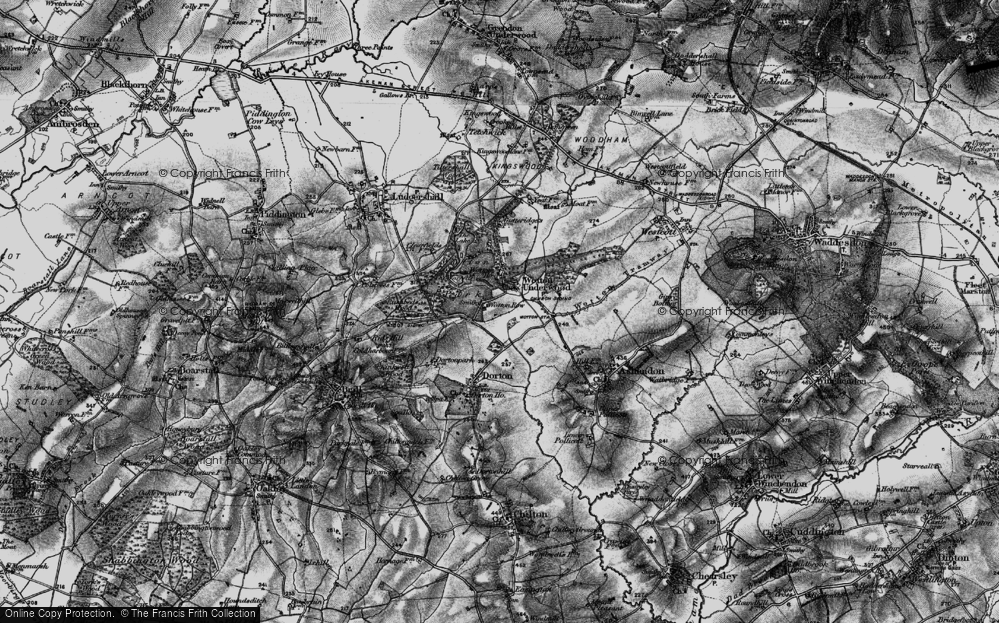
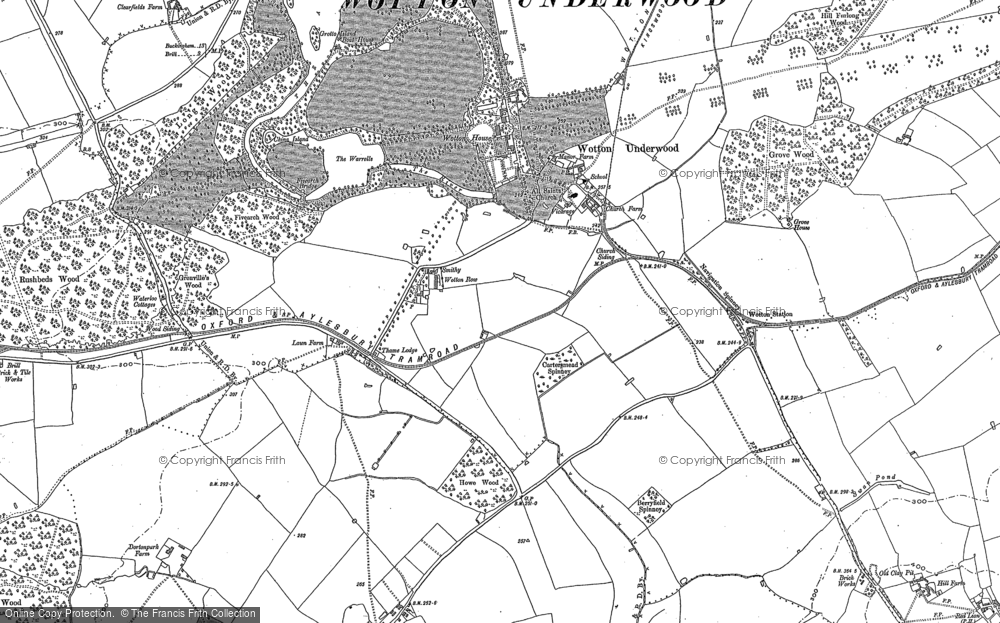
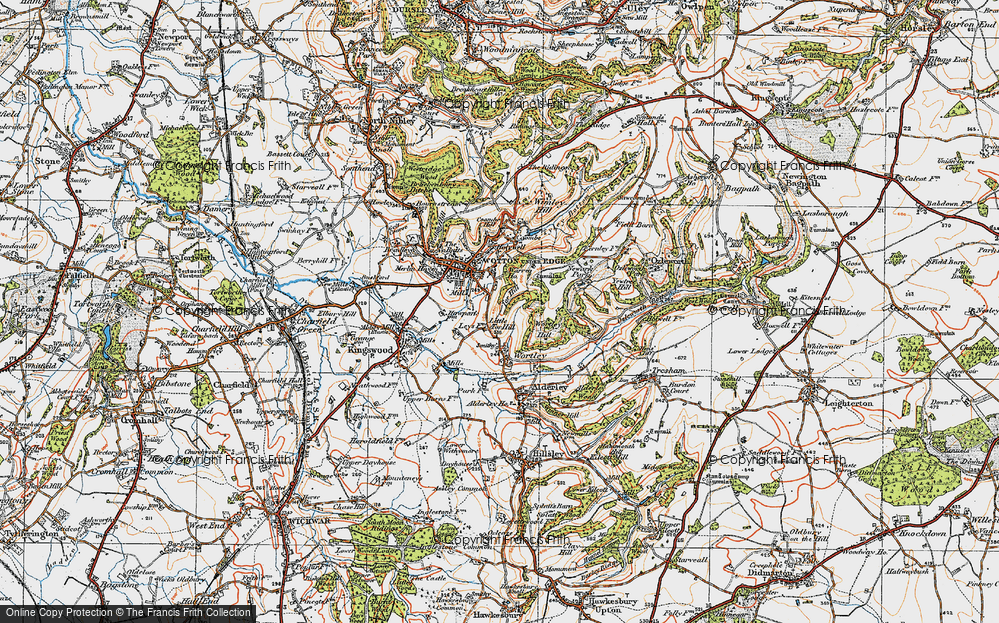
75 maps found.

Books
Sorry, no books were found that related to your search.
Memories
178 memories found. Showing results 1 to 10.
Robert William Shaw Family My Greatgrandfather
My GreatGrandParents Were Robert William Shaw and Eleanor (Wilkinson) Shaw. He worked as a Roller Coverer at a Cotton Factory, I do not know what the name of the factory was. I know my Grandmothers name ...Read more
A memory of Sabden in 1880 by
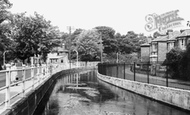
Bathing In The River
Montague terrace was home to many children. I remember the Allen's, John, June, Barry, Hazel, Ivan & Valerie. The White's, Maurice and Barbara, The William,s and Smith,s, Joan, Roy, Margaret, Jeffrey, and at least three ...Read more
A memory of Bishopstoke in 1949 by
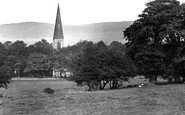
Bamford Parish Church No One Cares Anymore
A churchyard is a place where families can be near their deceased loved ones, a calm and beautiful place surrounded by trees and flowers, but that is not the case in Bamford churchyard. The grass and weeds ...Read more
A memory of Bamford in 2009 by
Any Memories Of Bill Black
There was music shop on the Thornton Road in the mid 1950s, run by a Ada Lilian Rose who lived there with her three children. It's a bit of a long shot but I'm actually trying to trace someone called William or Bill ...Read more
A memory of Thornton Heath in 1956 by
1960's
I lived at 117a Mitcham Road, above Coombes the Bakers, next door was David Greggs and Soloman's Greengrocers. Other shops on on the road were Smith Bros (either end of the block), David Kaye Butchers, Dewhurst Buthchers, Boots and a Gent's ...Read more
A memory of Tooting by
Memories Of Covenham As A Child
I was born in Covenham in Zeplin Row in 1950. I remember going to bed with candles as that was the only form of lighting we had. If it was cold in the winter I can remember my mum wraping up the warm oven ...Read more
A memory of Covenham St Mary in 1950 by
Working At Litton Mill
I went to work at Litton Mill when I was seventeen. Worked in the Sizing, Charlie Mellor was the supervisor. I met many lovely people and a great lot of characters. The sizing was machines with huge rollers set in a bed of ...Read more
A memory of Litton Mill by
Memories Of Padiham
I was born in 1947 to Betsy and Leonard Mcgough on Railway Terrace, which I believe is now called Russell Terrace. My mother worked in the cotton mills all her life and retired in a mill at Read. We moved to Moor Lane where we ...Read more
A memory of Whalley in 1957 by
Broad Street School
I too, went to the Nursery School on Broad Street. I remember Miss Massey who slammed the desk down on my fingers squashing my signet ring, which resulted in my finger swelling and the ring having to be cut off! Such a nice lady to ...Read more
A memory of Crewe in 1956 by
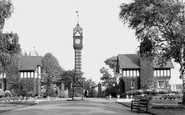
My Oldham
I was born in Oldham in 1946. Lived in Norfolk Street, Chadderton until 1953 then moved to the Isle of Wight. My mother, Marjorie Bolton, lived in Hollinwood and represented Oldham as Cotton Queen in the 1930's. Have always loved the ...Read more
A memory of Oldham in 1946 by
Captions
124 captions found. Showing results 1 to 24.
The diarist John Evelyn described the 'delicious streames and venerable Woods' around Wotton. He
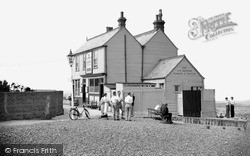
The new Old Neptune was a conversion of two cottages; at the time of this photograph it was a local brewer's Tomson & Wotton's house.
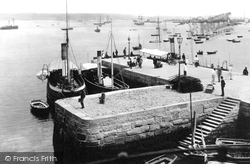
The three passenger steamers alongside the quay are, from left to right, the 'New Resolute', the 'Wotton' and probably the 'St Mawes Castle'.
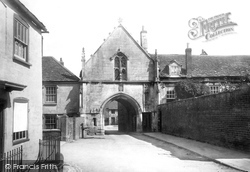
This 15th-century gatehouse is in the village of Kingswood, one mile south of Wotton; it is part of the Cistercian abbey which existed here until the Dissolution.
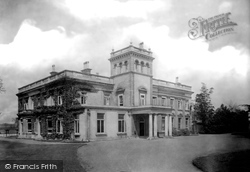
Sir Henry Wotton, in 1624, said that the scene was 'without parallel among foreign Nationes ... in the Garden of Sir Henry Fanshawe at his seat in Ware-Parke'.
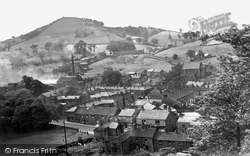
There were once thirteen cotton mills here, and the town was linked by both canal and rail to other industrial centres all around.
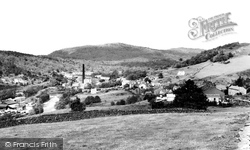
Backbarrow Cotton Mill was notorious for its cruel treatment of the children who worked there. Originally it was a corn mill, and then a paper mill, before becoming a cotton mill.
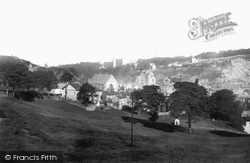
By the 1860s Bollington was thriving, but during the American Civil War the cotton towns of Lancashire, east Cheshire and north Derbyshire felt the effects of the Federal blockade of Confederate ports.
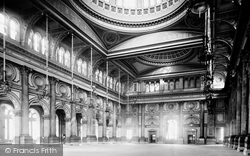
Those who did their business here would know where to find the Blackburn cotton manufacturers, or the Oldham cotton spinners, as well as cotton brokers, agents for the Indian and Chinese markets, and machinery
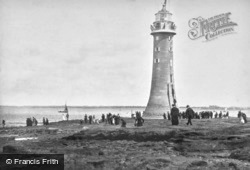
A ship carrying cotton bales was shipwrecked off Wirral, and the bales washed ashore. Wood and parts of the ship soon sank into the sand, but the bales of cotton did not.
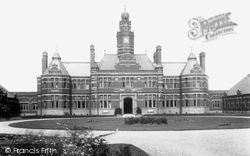
The land was donated by John Ferney, a retired cotton spinner, and much of the funding was provided by William Atkinson, a cotton manufacturer.
The land was donated by John Ferney, a retired cotton spinner, and much of the funding was provided by William Atkinson, a cotton manufacturer.
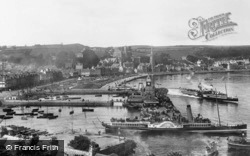
Between 1787 and 1834, the number of cotton mills in Scotland rocketed from just 19 to 134. During the American Civil War American imports of cotton fell from 8,600 tons in 1861 to 350 tons in 1864.
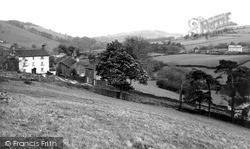
All those cotton mills needed spun cotton, and this village, sitting right on the edge of the Peak District National Park, was once an important spinning centre.
Backbarrow Cotton Mill was notorious for its bad treatment of the children who worked there. Originally, it was a corn mill, and then a paper mill, before becoming a cotton mill.
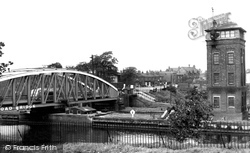
Raw cotton imports and finished cotton exports represented about 70 per cent of the value of goods being shipped, though since 1951 oil had become the primary tonnage commodity.
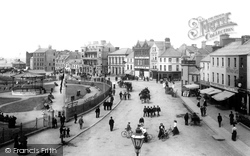
But there are links with an older Bangor: the wide space once held cotton mills when that was a protected industry in Ireland.
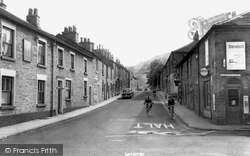
'A thriving village with some collieries and extensive cotton factories' was how Bollington was described in 1848. Those factories were especially renowned for the quality of their Liberty cottons.
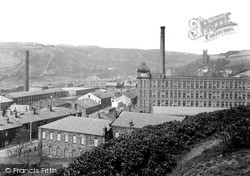
Facit New Mill was a cotton mill employing 700 people in its heyday – it closed in the mid 1960s.
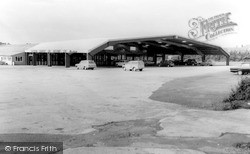
His warehouses survive, and so does part of his brickworks, and a single building from his cotton mill also survives in the car auction complex.
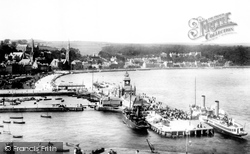
Between 1787 and 1834, the number of cotton mills opened in Scotland rocketed from just 19 to 134.
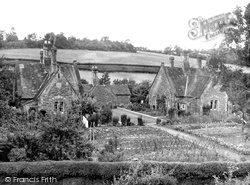
Nearby Hampton Court became the home of the Arkwright family, the well-known cotton spinning industrialists. The family were great benefactors to the village, hence the name of these almshouses.
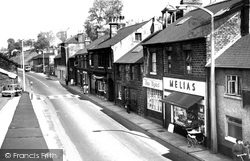
In the 19th century the town's industrial base boasted Samuel Lucas & Sons, ironfounders, spade, shovel and spindle manufacturers; George Ward & Co, who were spindle manufacturers for the worsted, cotton
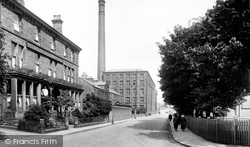
By the 1830s there were 44 cotton mills in the Craven district, the main centres being Skipton, Settle and Barnoldswick.
Places (5)
Photos (103)
Memories (178)
Books (0)
Maps (75)