Places
10 places found.
Those places high-lighted have photos. All locations may have maps, books and memories.
Photos
200 photos found. Showing results 1 to 20.

Maps
71 maps found.
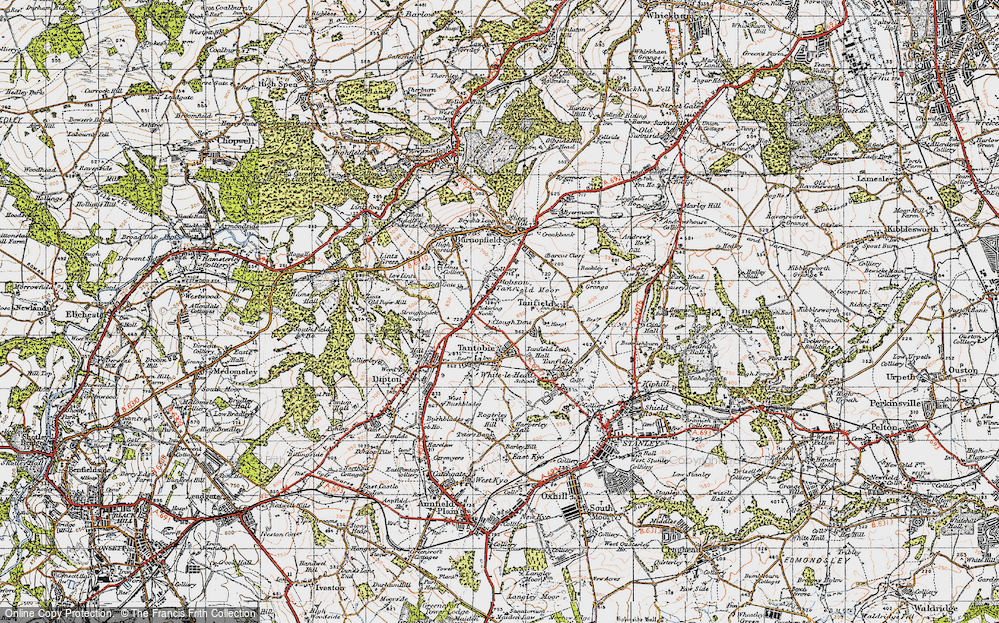

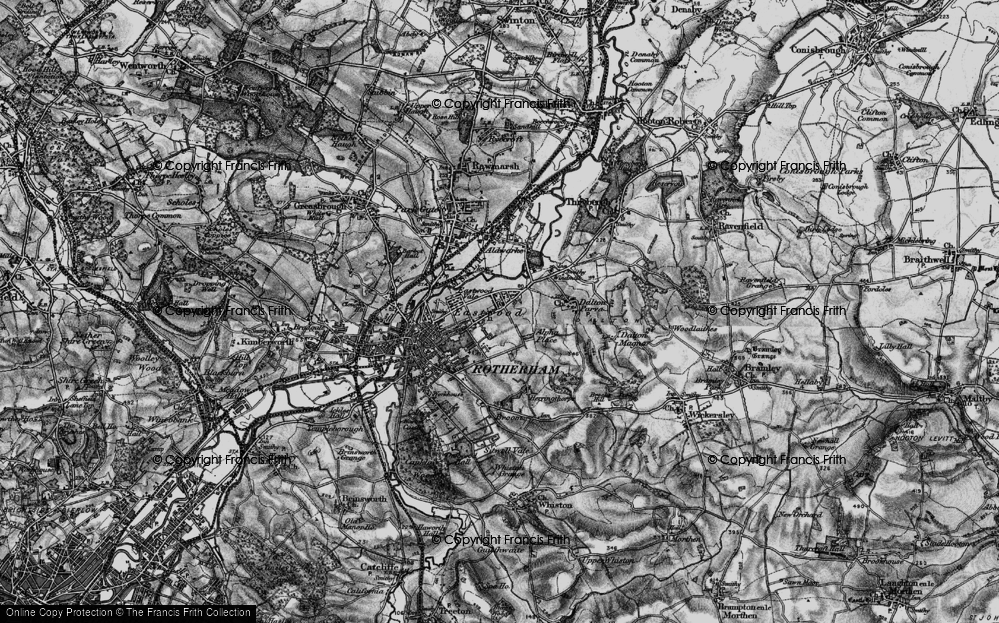
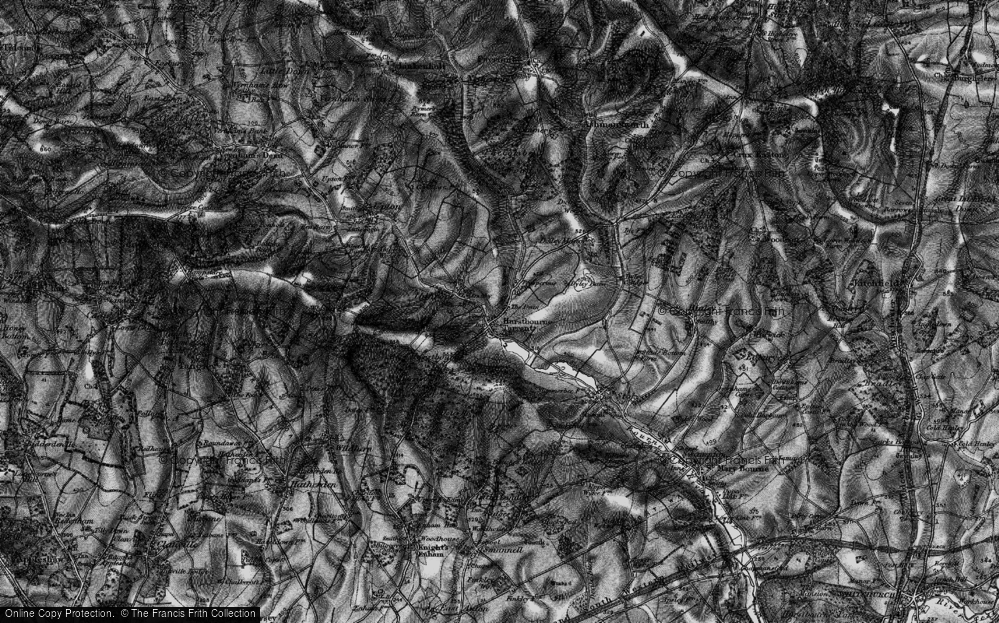
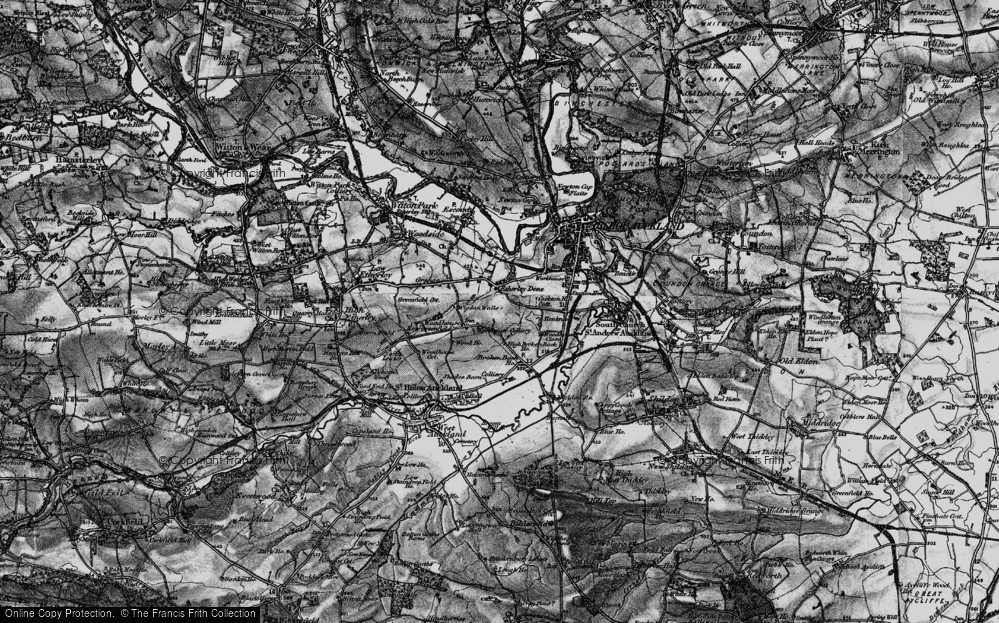
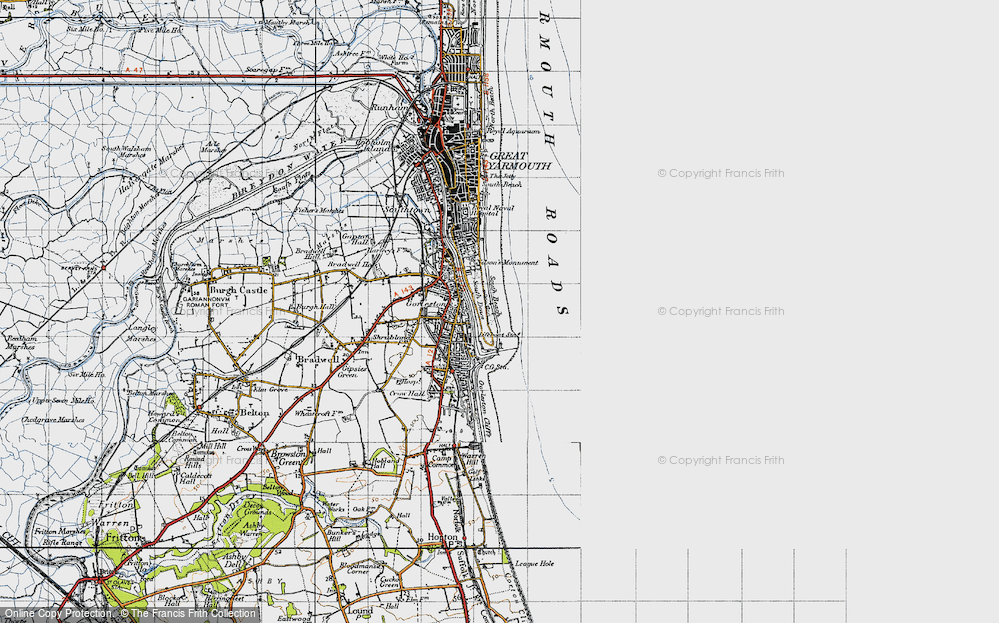
Books
Sorry, no books were found that related to your search.
Memories
143 memories found. Showing results 1 to 10.
Great Dane
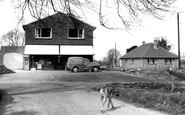
I remember the Great Dane in the picture. My Grandma had a Yorkshire/Manchester Terrier cross, and the two animals looked so incongruous when they met. My aunt Doris Greenslade lived in a tiny cottage owned by Walter Little Senior situated 100 yards to the left of the post office in the picture.
A memory of Medstead by
A Day At Alum Chine In The 1960s
It's a few minutes before 8.30am, and I've just returned with the newspaper for Dad bought from the Riviera Hotel next door. I have to rush downstairs again in time to ring the gong for breakfast - Mr Lacey, ...Read more
A memory of Westbourne in 1966 by
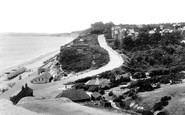
Blackhill And Stephen Yallop!
Hello Stephen mate. My name's Paul Hunter, I was born in 1957, I grew up at 6 Bessemer Street, Blackhill. The Jacksons lived at Number 5, Davie Cudden at number four. My dad worked at 'The Company' CIC. I ...Read more
A memory of Blackhill by
Looking Back To The Early Days
I was born in rented 'rooms' at Wordsworth Road in 1936 and came to move with my parents to five different addresses at Easington before I moved away from the area, when I married in 1963. But although my ...Read more
A memory of Easington Colliery in 1900 by
Young Days In Bexley
Other peoples memories are bringing back some of my own. Walking from Bexley to the Regal for Saturday morning movies across the heath. Frog spawn from the river at the mill. Walking to school past the brewery to the little ...Read more
A memory of Bexleyheath in 1945 by
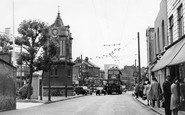
Lost Village Of East Holywell
I was born in East Holywell in 1946 and lived at 24 North Row. By then there were only 2 rows of houses left. We lived with my grandmother, Eva Barnfather, who had been there since the turn of the century. Like my ...Read more
A memory of East Holywell in 1950 by
Eastern Dene
Does anybody know anything about the history of Eastern Dene / Western Dene? I was told about the zoo that once stood on the site of the park primary/middle school, but I hear that a battle took place on Eastern/Western Dene. I lived ...Read more
A memory of Hazlemere in 1979 by
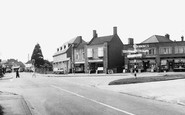
More About Hazlemere Cross Roads
I lived in Rushmoor Avenue until I was 8 (1957-65 )and then in Eastern Dene (1965-1974). When I was small, I used to accompany my mother on her shopping trips to Hazlemere crossroads (usually on foot). The chemists ...Read more
A memory of Hazlemere by
Old School
If you head down Lampits Hill and carry on past Giffords Cross road on your right, you then enter Church Road, the next road on your left is Fobbing Road. Opposite this junction is a building called the Old School House, this was the ...Read more
A memory of Corringham in 1960 by
Reminiscing
I was born in NW London. My first visit to Woburn Sands was about 1950 when my Uncle Ted and Aunt Ada moved here. They lived at the 'Dene' Aspley Hill. Aunt Ada did the housework for Mrs Russell the owner of the 'Dene' and my uncle ...Read more
A memory of Woburn Sands in 1950 by
Captions
55 captions found. Showing results 1 to 24.
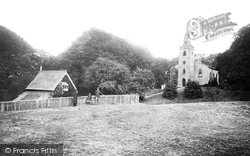
In 1757 Rowland Burdon bought the old manor house and estate of Castle Eden Dene from William Burghley, a former Secretary of State to Queen Anne.
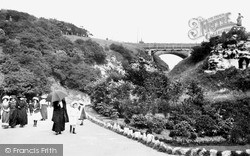
Time for a leisurely stroll through The Dene at Roker. It must be a hot sunny day - the children are wearing sunhats and a parasol is up.
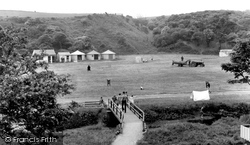
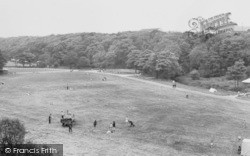
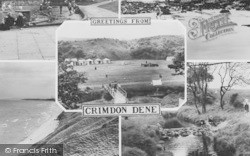
The wooded valley of Crimdon Dene is an unspoilt area close to Blackhall, where the beach is not polluted with coal spoil.
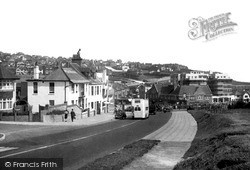
Fine sea views can be obtained from the regular summer open-top bus service which runs from Brighton to Rottingdean, a picturesque village situated in a dene, or valley in the downs.
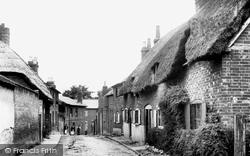
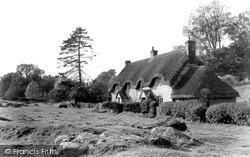
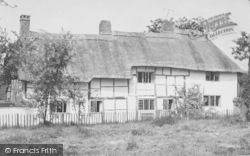
Off London Street, just before the King's Head, Dene Road is seen here dropping into London Street at the corner beside the King's Head. The thatched cottage on the left still stands.
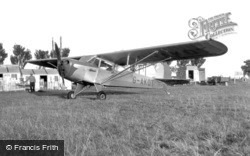
The air age came to Yarmouth as early as 1913, when an Air Station was established on the South Denes.
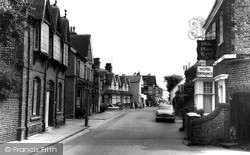
Rottingdean has a long history; it is named after the valley - 'dene' - which runs down to the sea. The view has not changed substantially in the past 30 years.
The Dene, now a conservation area, is a fascinating place where sarsens appear to grow out of the ground.
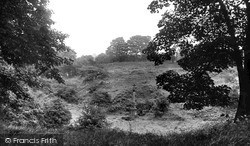
This photograph shows Witton Gilbert's war memorial in its original position on part of the dene on a popular and well used walk down to a bathing hole where people used to swim, and where parents brought
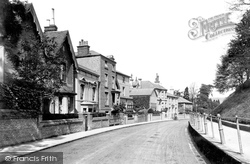
Mr Oliver West maintained and repaired bicycles in Dene Street (originally called Ram Alley), and C S Fuller had his business in South Street.
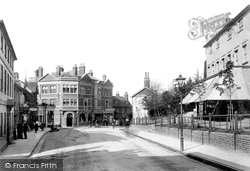
Mr Oliver West maintained and repaired bicycles in Dene Street (originally called Ram Alley), and C S Fuller had his business in South Street.
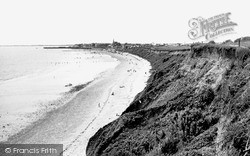
Named by the Danes, Sewerby has had different spellings, including Sewarby and Suerby. Many Roman artifacts have been found in the area.
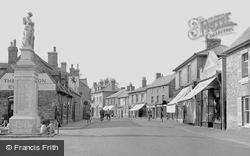
The monastery founded here in the 7th century by St Felix rivalled Ely until its destruction by the Danes in 870. Even so, it retained its importance, standing on one of the two causeways to Ely.
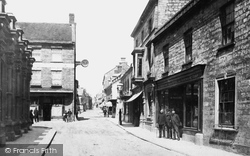
No less than three bishops died fighting the Danes.
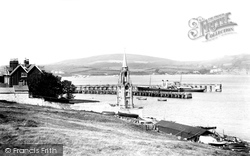
Swanage may get its name from Swene's Wic, the Bay of Swene, perhaps commemorating the naval battle between Saxons and Danes in 877.
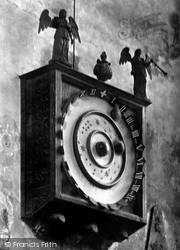
The Minster Crypt 1886 There are many fine tombs within the Minster, including that of Saint Ethelred, a brother of Alfred, who was killed by the Danes in 873.
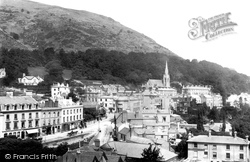
Great Malvern grew up around a Benedictine Priory said to have been founded by St Wrest, who found sanctuary here from marauding Danes.
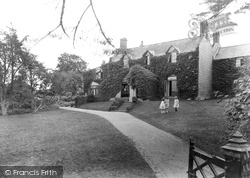
The Saxons and the Danes fought two battles near to Charmouth, though the village's history recalls a later defeat, for Charles II passed this way as a fugitive after the Battle of Worcester.
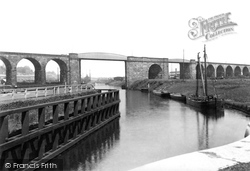
Built in the 1860s, the railway viaduct crosses three waterways - the old course of the River Weaver, the Weaver Navigation and the River Dane.
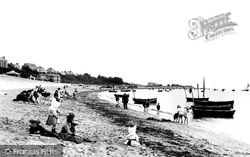
At the beginning of the last millennium, marauding Danes landed on these sandy beaches and put the village of Exmouth to fire and sword.
At the beginning of the last millennium, marauding Danes landed on these sandy Devon beaches and put the village of Exmouth to fire and sword.
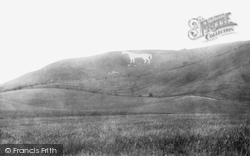
It was cut out of the chalk in 1778, although legend suggests that a shape facing the other way was carved out to commemorate King Alfred's defeat of the Danes in AD 878.
At the beginning of the last millennium, marauding Danes landed on these sandy beaches and put the village of Exmouth to fire and sword.
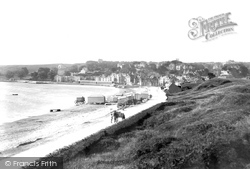
The town may get its name from Swene's Wic, the Bay of Swene, perhaps commemorating the great naval battle fought nearby between the Saxons and Danes in 877.
Places (10)
Photos (200)
Memories (143)
Books (0)
Maps (71)