Places
3 places found.
Those places high-lighted have photos. All locations may have maps, books and memories.
Photos
28 photos found. Showing results 1 to 20.


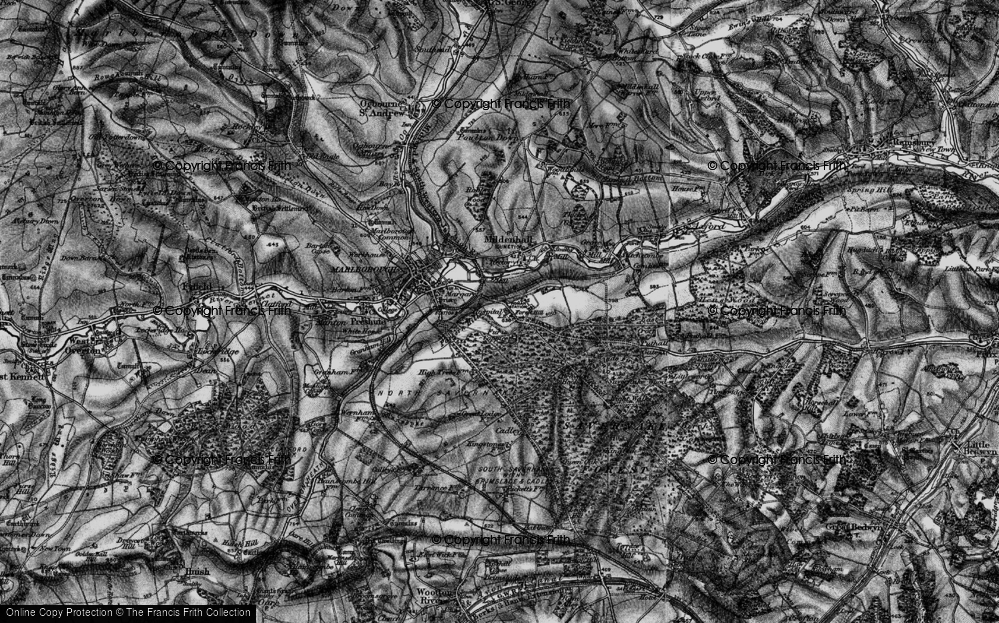
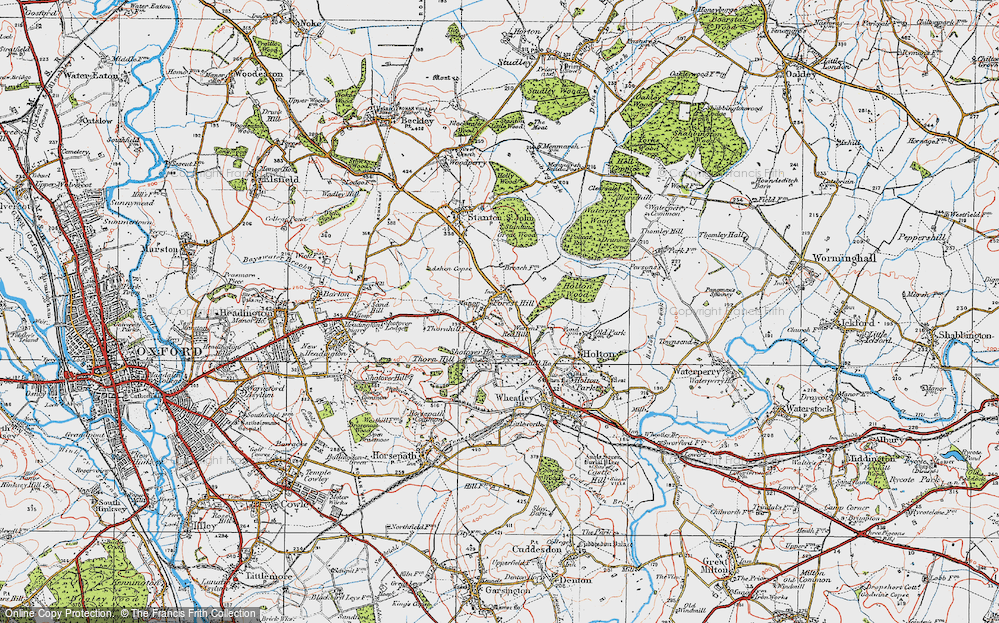
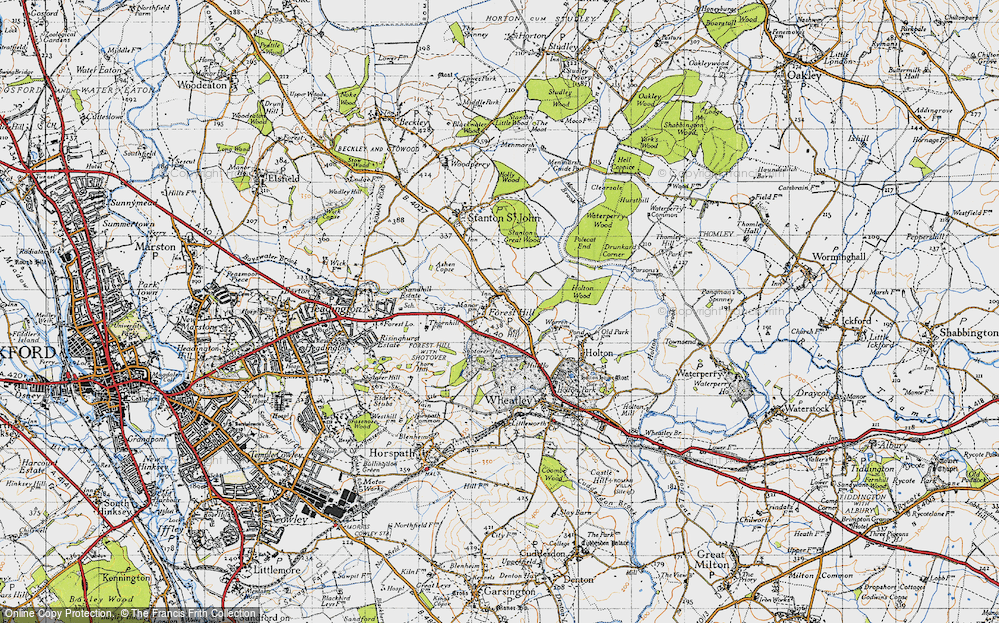
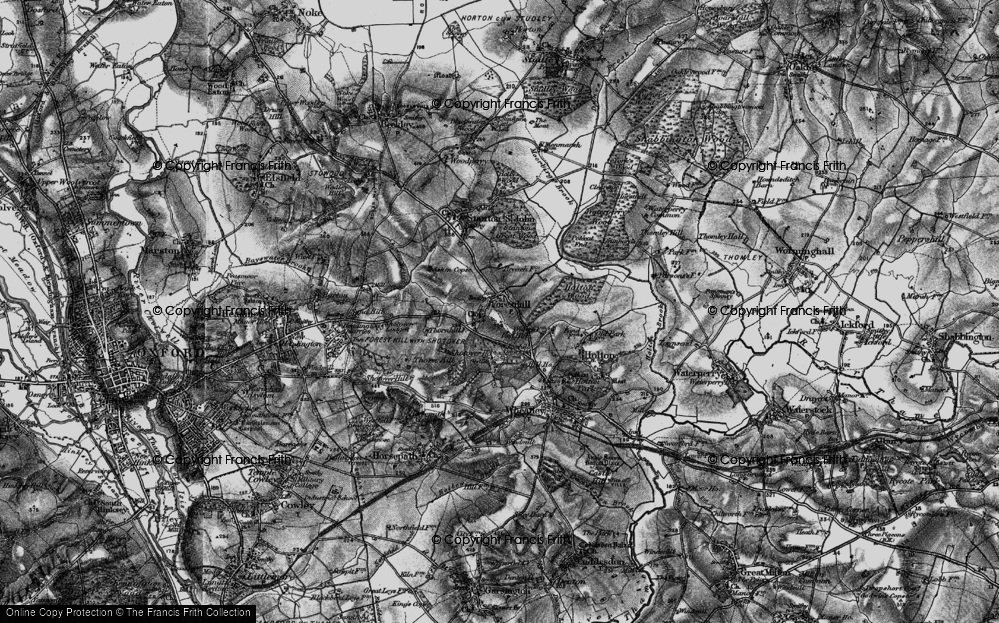
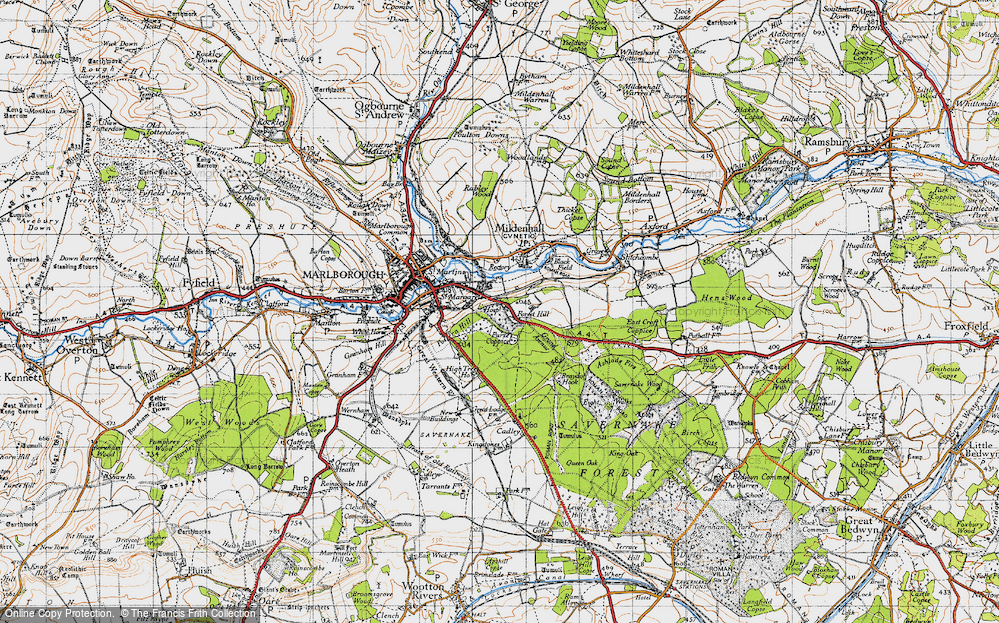
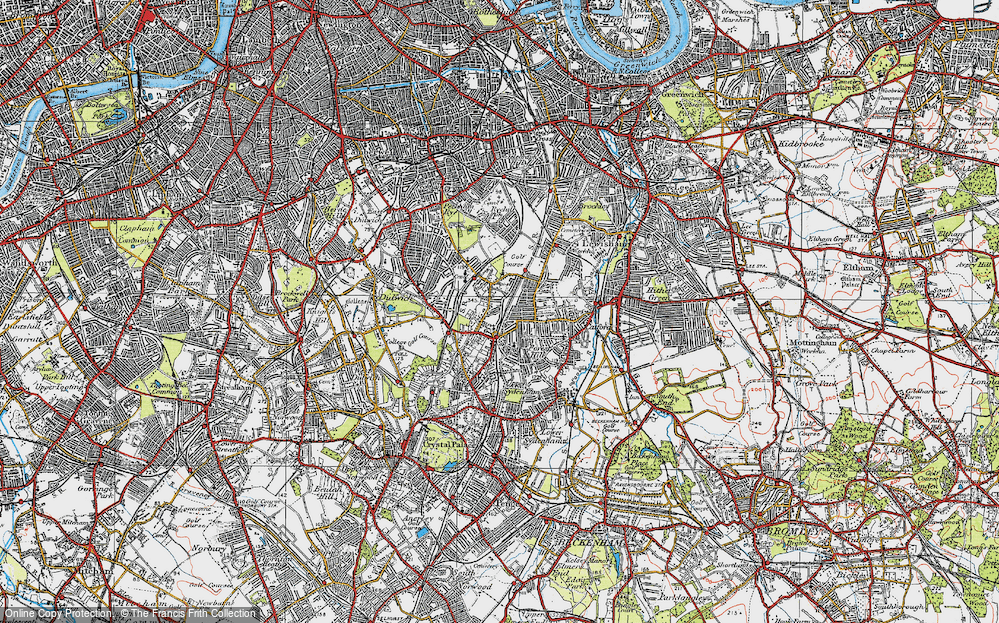
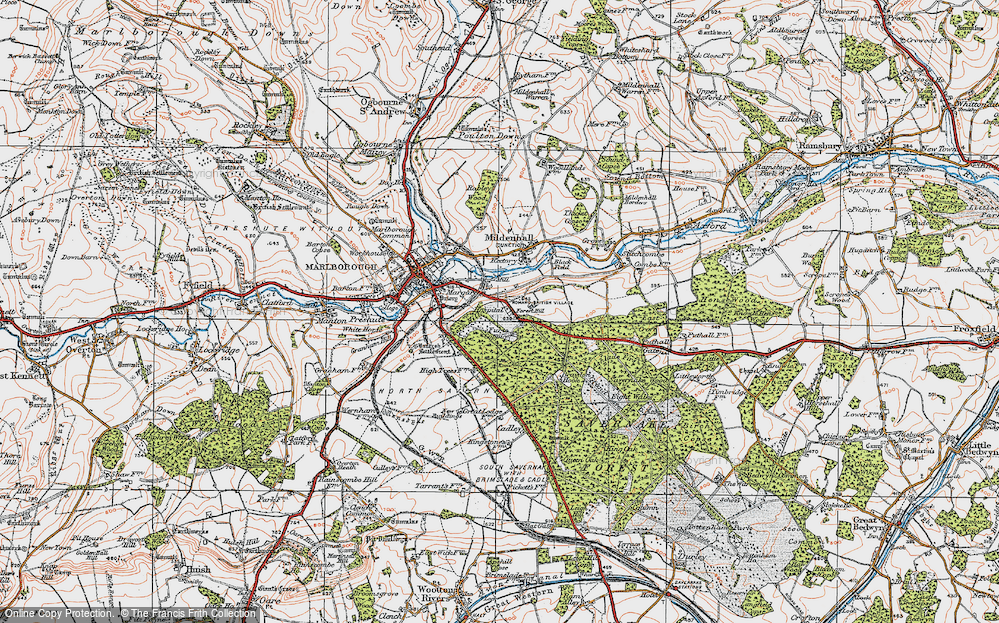
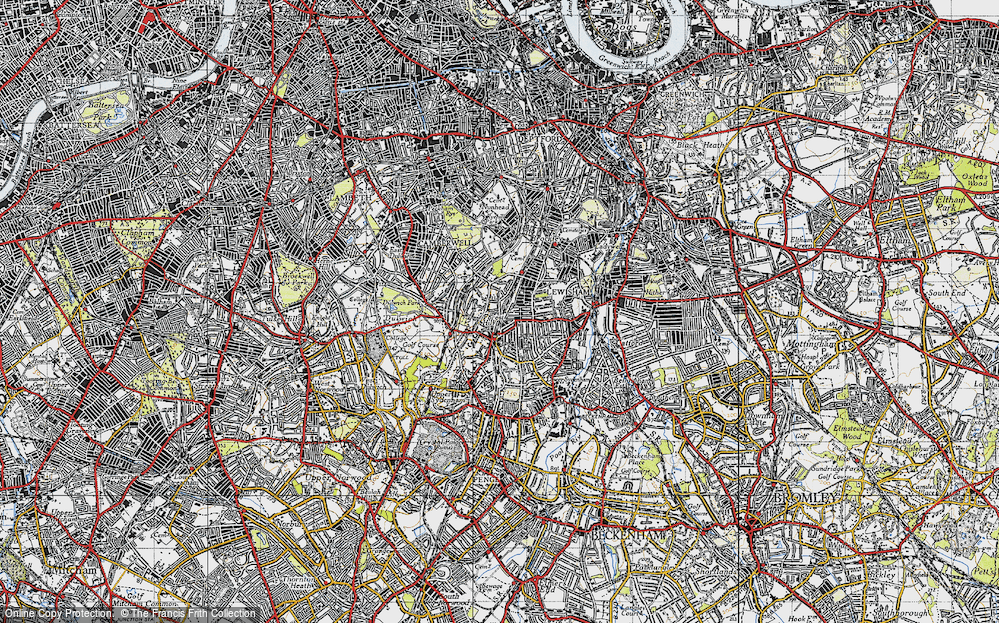
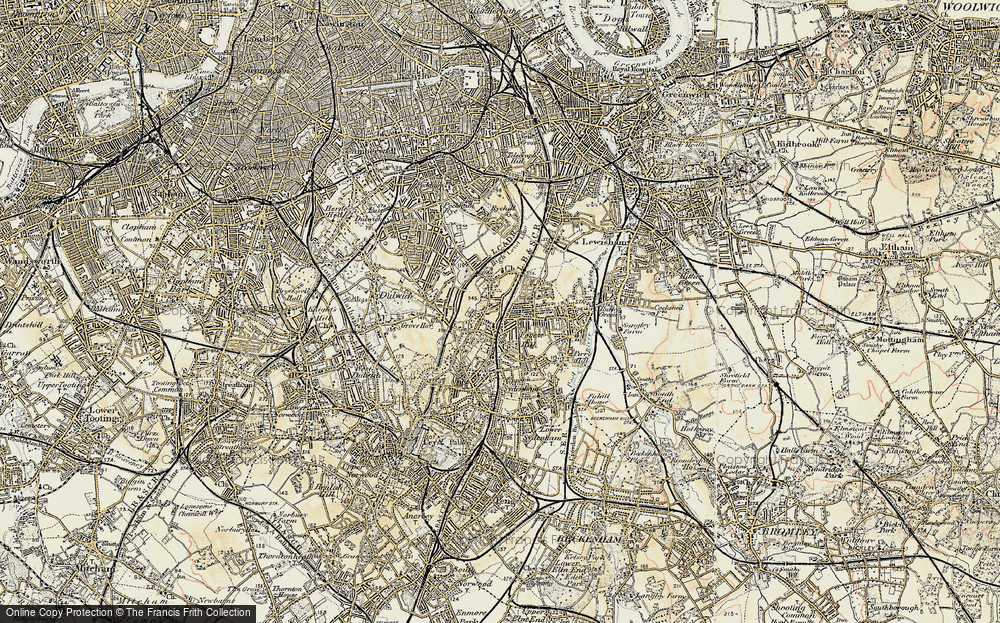
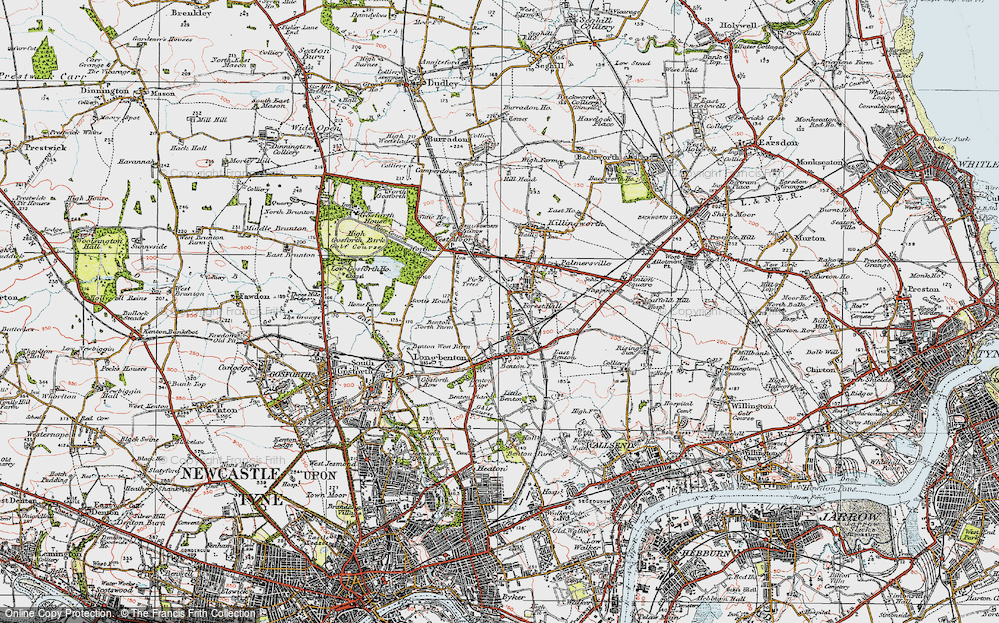
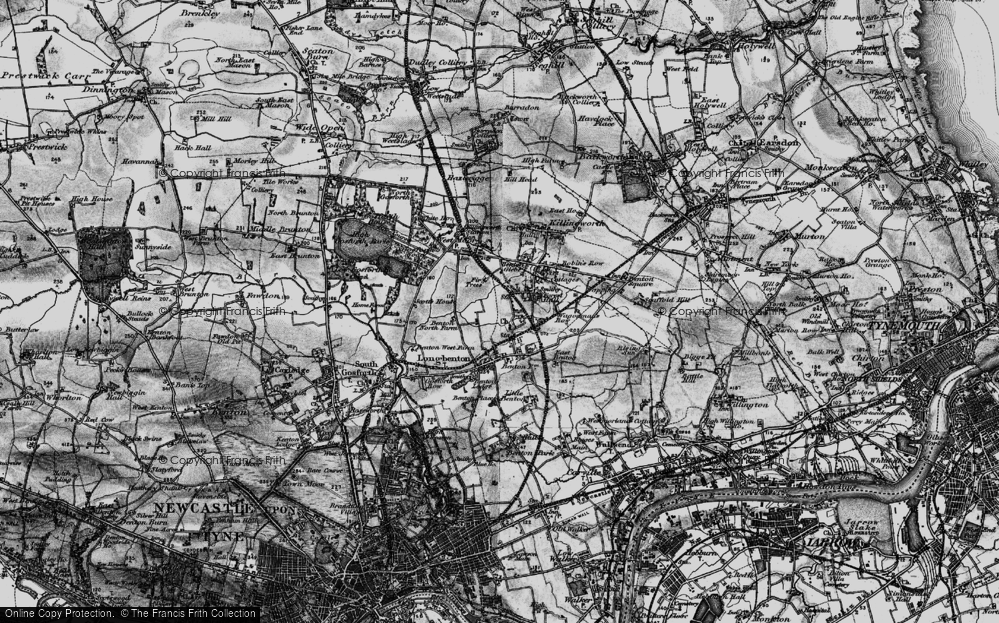
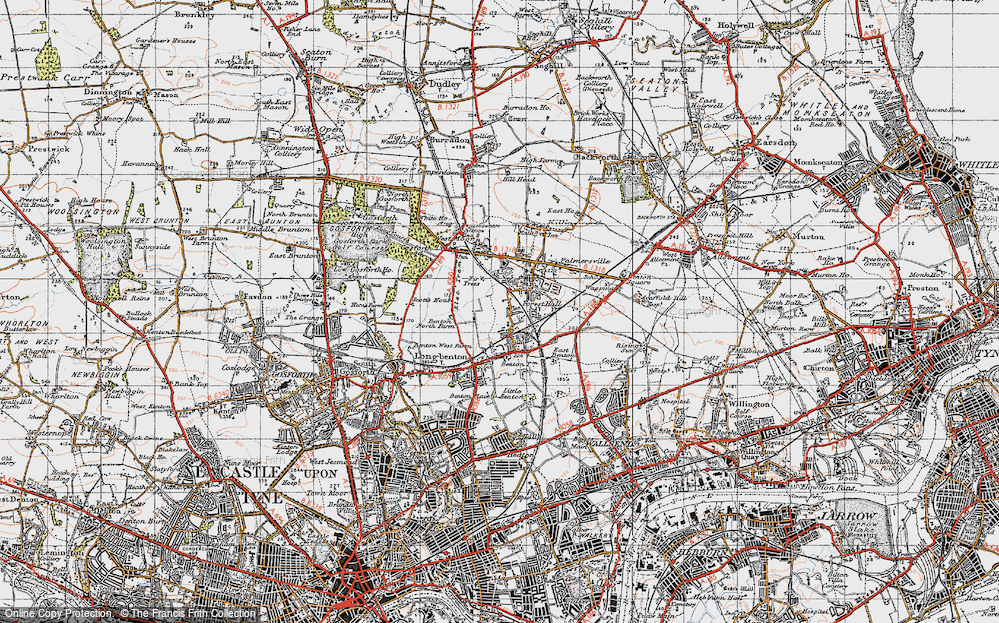
Maps
20 maps found.
Books
Sorry, no books were found that related to your search.
Memories
116 memories found. Showing results 1 to 10.
My Town
I call it my town because it is, it is everybody’s town that lives here. My wife Patsy and I moved here very recently, in October 1999, this was after visiting the town in previous months, we found the people warm and welcoming, where ...Read more
A memory of Waltham Abbey in 1998 by
Working In Dartmouth Road
I worked at the gas board showroom on Dartmouth Road. It was next door to the bank on the corner of London Road. As well as selling gas appliances and receiving payment on gas bills we used to sell bags of "shillingsis!" for ...Read more
A memory of Purley by
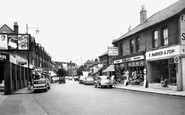
Delamere By Sid Grant
The Jewish Fresh Air Home and School was founded in 1921 by Miss Margaret Langdon, MBE, MA (1890-1980) and located at Blakemere Lane, Delamere near Norley, in the beautiful Cheshire countryside. My time spent there was from age ...Read more
A memory of Delamere in 1930 by
Cramlington Co Op
My family and I used to live at Forest Hall. My grandfather John, Malone, was General Manager for the Co-op, in Cramlington, Forest Hall, Blyth, Seaton Delaval, and Westmoor. I have memories of going with him on a Saturday ...Read more
A memory of Cramlington by
Forest Hall
My name is Brian and I lived at 26 Granville Drive. In those days the road ended at about No 40 and then there were fields all the way to Backworth. Joyce Dick was a particular friend. We all went to St Bart's Church and what a great vicar we had - George Foster. The Ritz was a must on Saturday.
A memory of Forest Hall by
Horney Common As A Child
I was born in London in 1938. When war broke out the following year my father sent my mother and myself down to Devon but soon after that he, and many of his regimental colleagues in the Army, rented a large country ...Read more
A memory of Horney Common in 1940 by
A Great Place To Live
Having been born and brought up in Buckhusrt Hill in the 1960s and 1970s and 1980s and now living in Kent, it reminds me what a unique place it once was. My immediate memories are of Lords Bushes and living in Forest ...Read more
A memory of Buckhurst Hill by
Roundabout And Big Tree
I used to live in Lawrie Park Gardens from 1955 until 1962 and the local youngsters used to congregate at the big tree on the roundabout at the end of Lawrie Park Avenue. At times there were around 10-15 of us all sitting ...Read more
A memory of Sydenham by
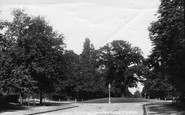
Do You Remember?
Does anyone remember or know about a florist's shop called 'Jedith' which was situated in the parade of shops at the front of the cinema in London Road, on the South Circular opposite Forest Hill Railway Station? It was run by ...Read more
A memory of Forest Hill by
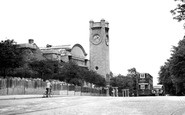
The Halcyon 1950's
I lived with my family in Connaught Gardens from being born in 1949 to late 1960 when we moved to Shiremoor. At the end of our street was an overgrown, rubble strewn wasteland which we called 'The Croft'. A natural childrens ...Read more
A memory of Forest Hall in 1950 by
Captions
28 captions found. Showing results 1 to 24.
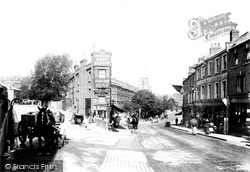
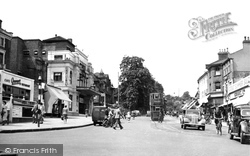
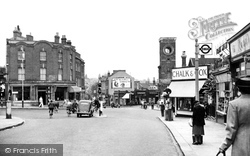
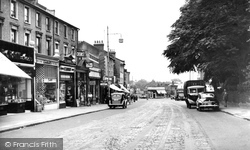
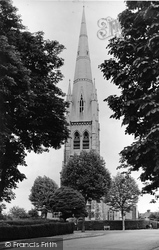
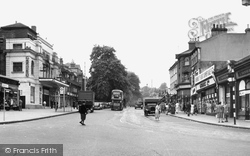
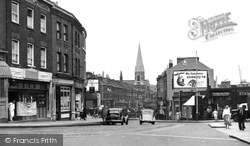
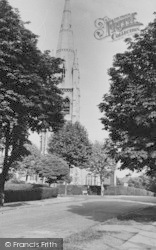
This view north towards Forest Hill Station shows the junction with Derby Hill as it was before the church on the left gave way to the Heron House office block.
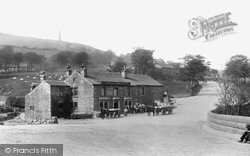
One of the principal roads from the south into the Forest of Rossendale was from Bury to Clitheroe, the route skirting the edge of Holcombe Hill and Haslingden.
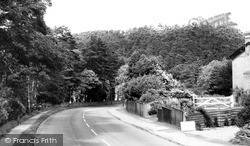
The Lickey Hills were declared a royal hunting forest in the 11th century, but they were sold by the Crown to the Earl of Plymouth in 1682.
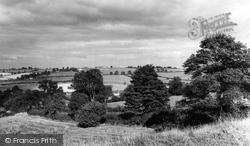
This view of Borough Hill was taken from neighbouring Newnham Hill. The forest of masts and aerials was a feature of the landscape for over 65 years.
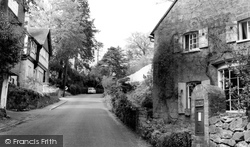
This lovely village is said to command one of the finest views in Kent across the Weald towards Ashdown Forest. It sits alongside the Surrey boundary, two miles north of Edenbridge.
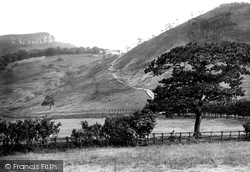
Highcliffe's immediate neighbour to the right has always been known in the town as Green Hill, a distinct hillock with a rocky outcrop on its northern face.
The Lickey Hills were declared a royal hunting forest in the 11th century, but they were sold by the Crown to the Earl of Plymouth in 1682.
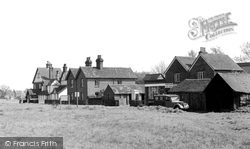
Moving east towards Leith Hill, but still south of the woodland that covers the greensand hills, the tour reaches Forest Green, a hamlet scattered around an extensive green.
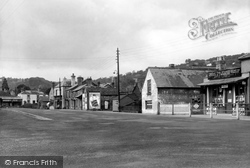
Blakeney stands at the edge of the Forest of Dean at the point where Blackpool Brook and Soudley Brook meet.
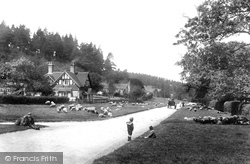
At one time sheep from Romney Marsh in Kent were wintered here on the relatively dry sandy Surrey Hills.
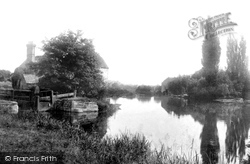
THE WATERFALL c1960 This little scene of timber and water gives a feeling of how tranquil the Forest of Feckenham must have been when it covered the hills and vales round about.
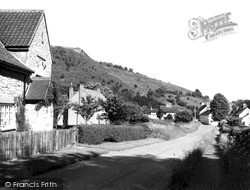
Today the hill is covered by a flourishing forest.
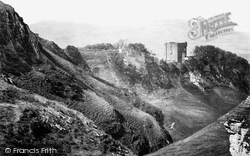
Henry II's 12th-century keep at Castleton, seen here from Cave Dale with Lose Hill in the background, was an obvious sign of the Norman's dominance of the Peak District.
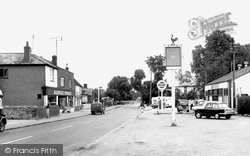
Lord Baden-Powell, the Chief Scout, lived at Pax Hill from 1919 until his death in 1941; the house is now a nursing home. The Alice Holt forest is nearby.
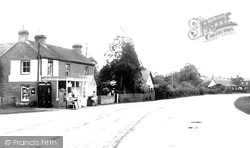
Pilley is one of six hamlets making up Boldre in the New Forest. The others are Bailey, Bull Hill, Portmore, Sandy Down, Walhampton, and Boldre itself.
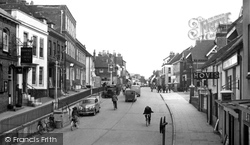
We are looking back up Crown Hill, with the sign of the Crown on the left.
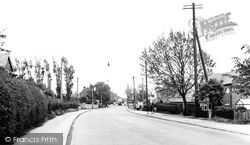
Further along Nottingham Road, Frith's photographer looks eastwards towards Hill Top with the junction with Edward Road between the hedge and the wall.
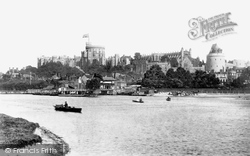
This hill is an outlier of the Chiltern chalk rearing through the London clay.
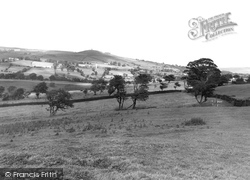
Blacko Tower (just visible on the top of the hill), marking the boundary of Pendle Forest, was built by Jonathan Stansfield in 1891.
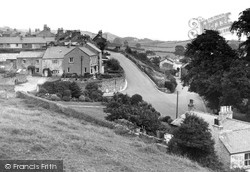
An ancient settlement, Castle Hill near the church of St Wilfrid is the site of both Saxon and Roman fortifications.
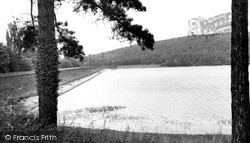
A mile or so south of Quorn, the camera looks north towards the weir, with Hawcliff Hill and Buddon Wood to the left.
A mile or so south of Quorn, the camera looks north towards the weir, with Hawcliff Hill and Buddon Wood to the left.
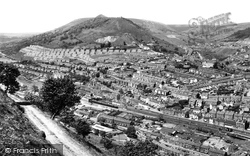
This massive increase came from those seeking work in the town's coal mines, both from other parts of Wales, industrial and rural, and from the west of England, particularly Somerset and the Forest of
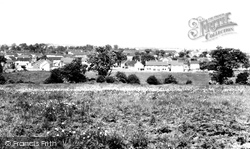
BASILDON is a New Town, yet it has seen more changes over the past 60 decades than most places in Britain - and it has a history that will fascinate most of its present inhabitants.
Places (3)
Photos (28)
Memories (116)
Books (0)
Maps (20)