Places
5 places found.
Those places high-lighted have photos. All locations may have maps, books and memories.
Photos
103 photos found. Showing results 21 to 40.

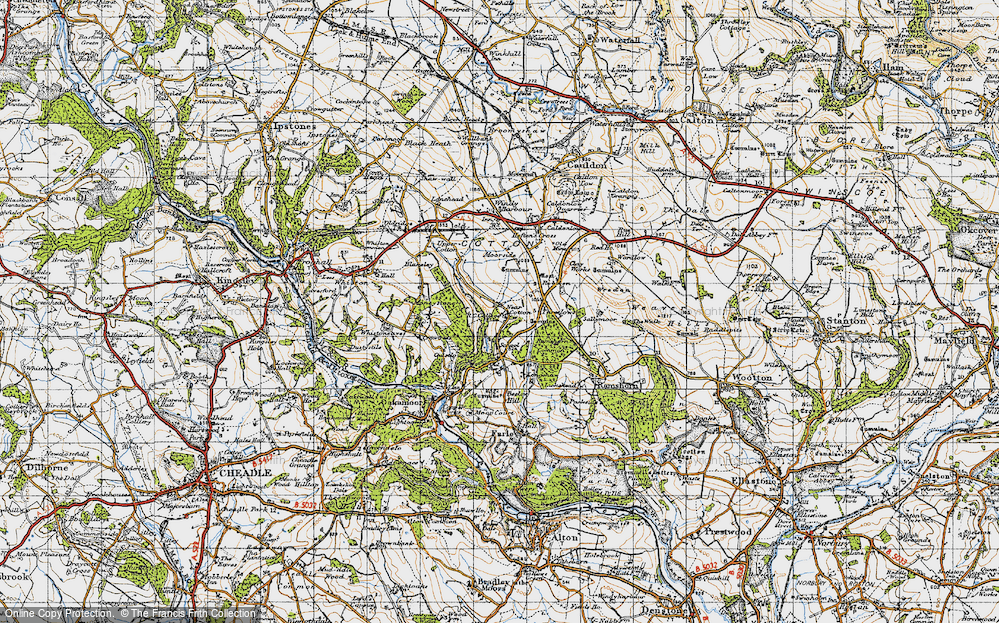
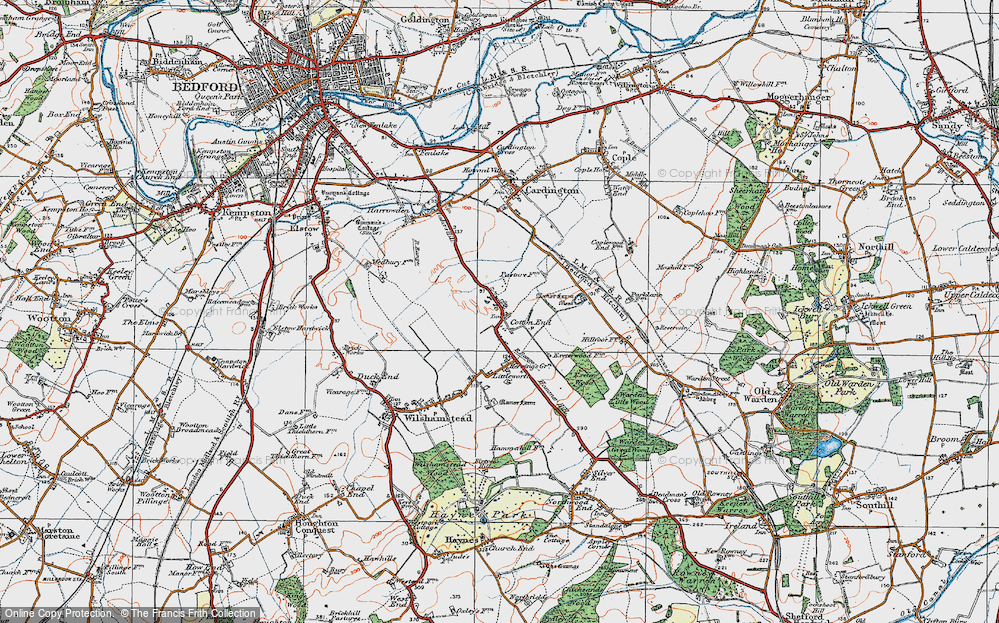
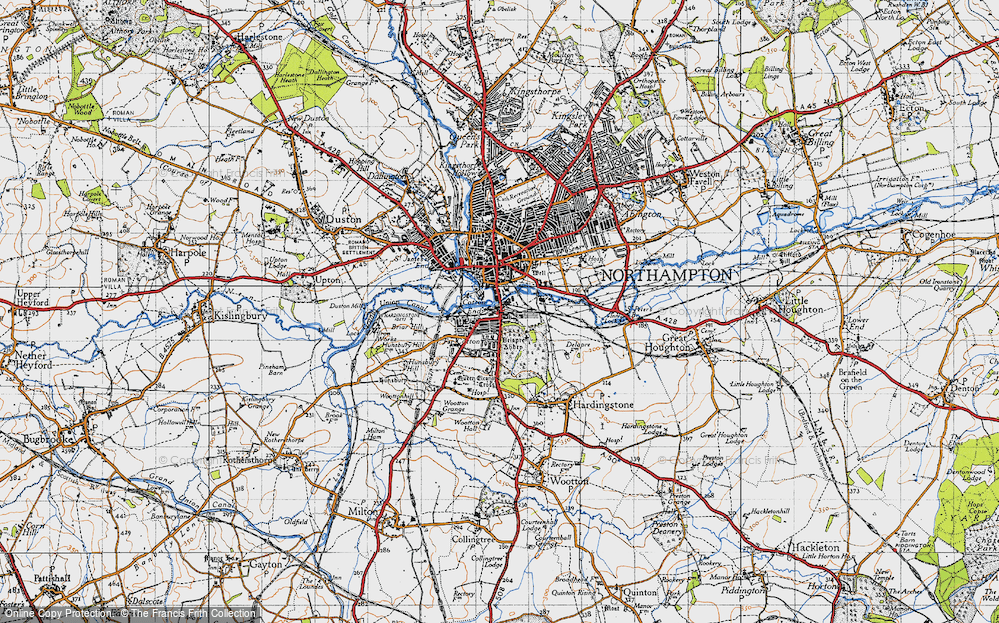
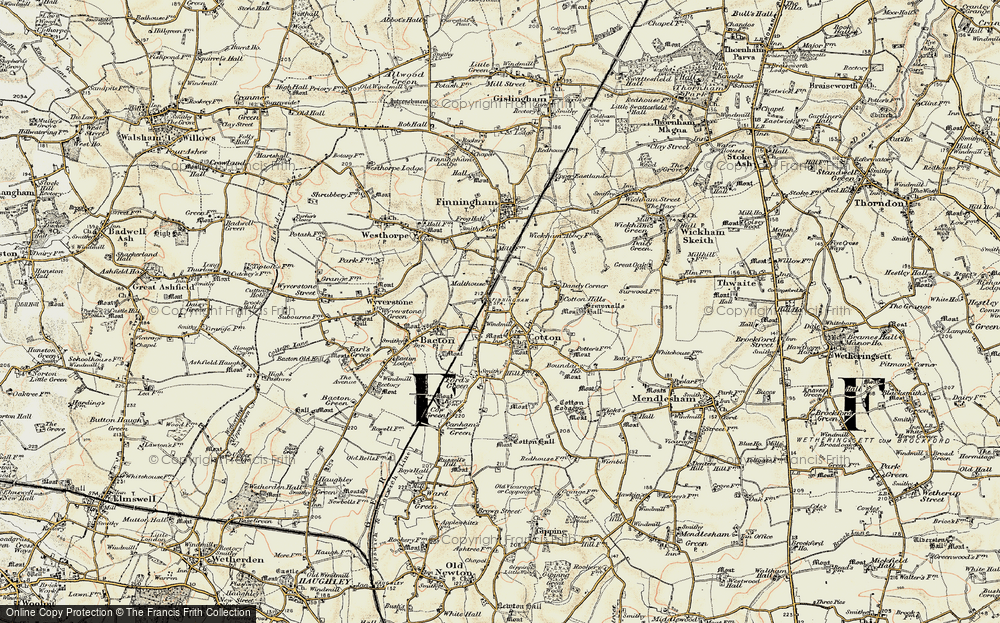
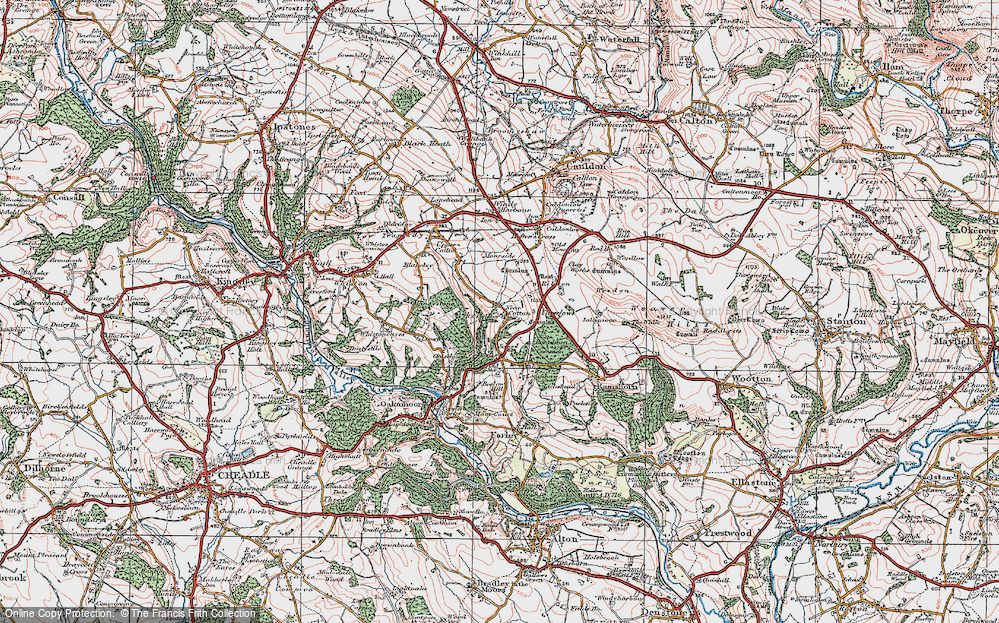
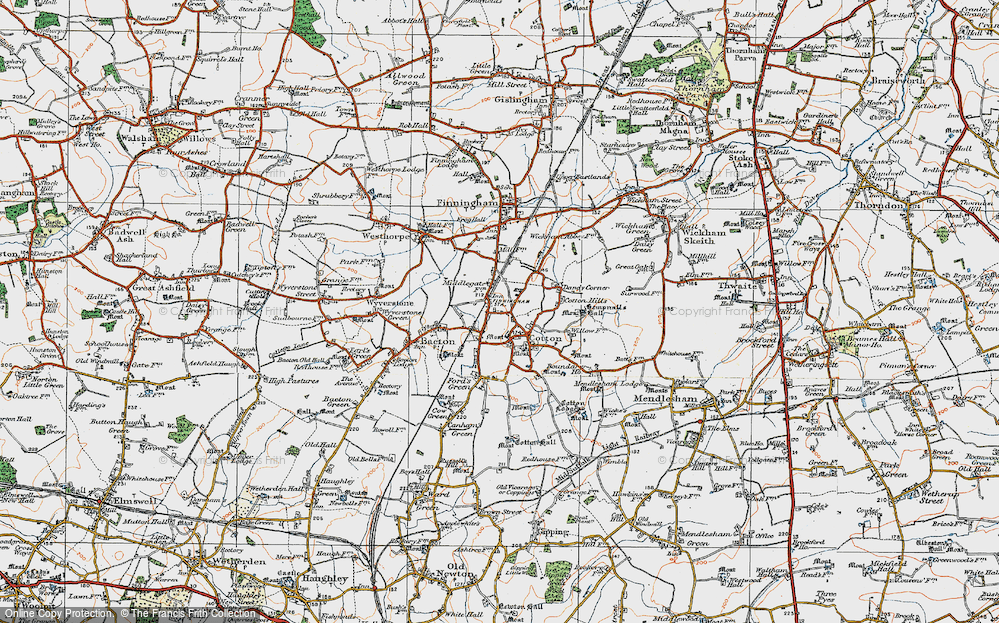
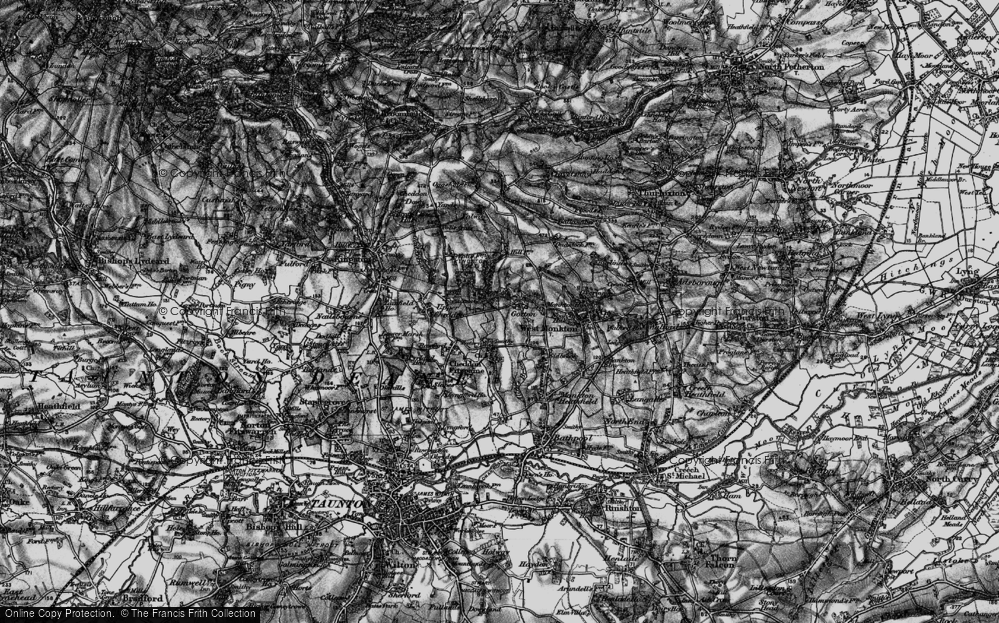
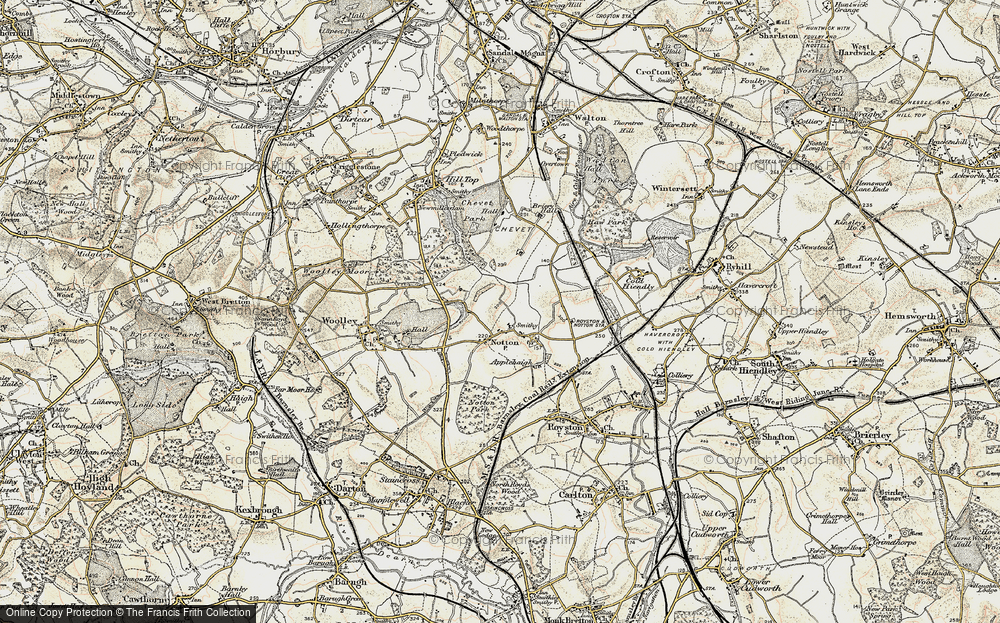
Maps
75 maps found.
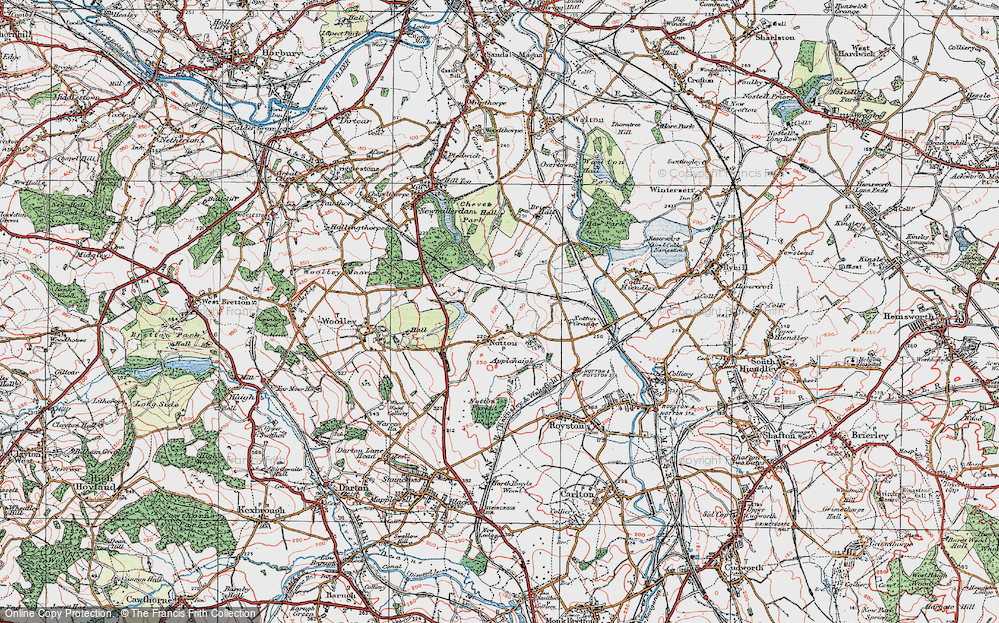
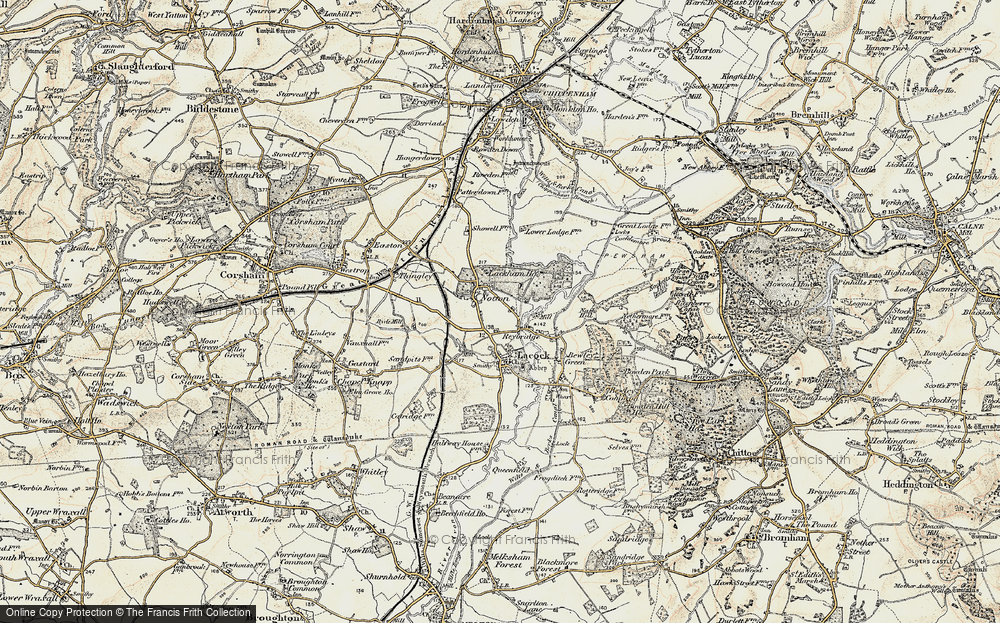
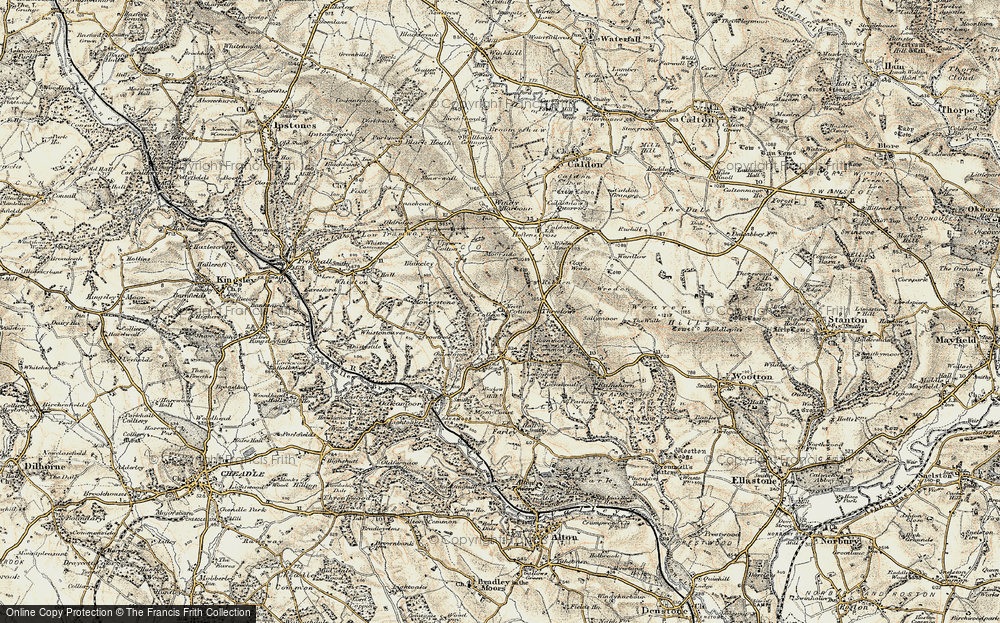
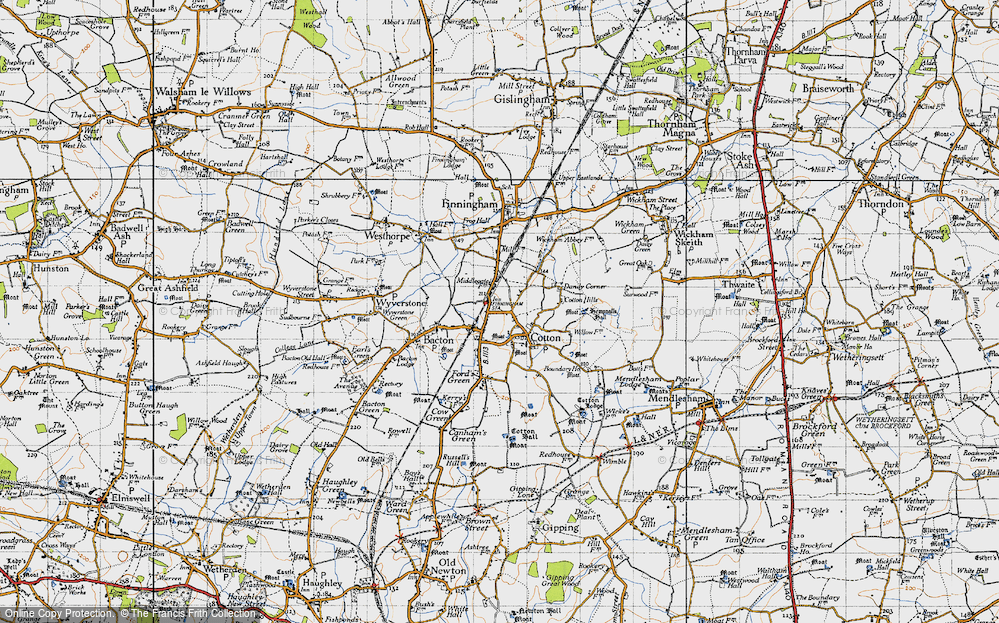
Books
Sorry, no books were found that related to your search.
Memories
178 memories found. Showing results 11 to 20.
Bicycles And A Happy Hunting Ground.
Being the offspring of parents otherwise engaged, and only partially supervised by a succession of Nannies, whose only concern was that we should be clean and respectably dressed when we got up to mischief, we ...Read more
A memory of New Milton in 1950 by
Poetry
This poem was sent to mac by Mrs S. Holmes: Death of Chelmsley Wood The sheer delight of summer afternoons, As through the fields in cotton frocks we walked, The long grass licking at our gangly legs, While we in deep contentment ...Read more
A memory of Chelmsley Wood in 1995
Wartime Evacuee 1939 1940
In August 1939 I was evacuated frm Salford to Caton. I had my gas mask, a small parcel of food and a label on my clothing. We arrived at the then beautiful station, adorned with flowers. Then we walked to the Village ...Read more
A memory of Caton in 1930 by
Thomas Binns 1845 1921 No 1 The Green Later No 3 Grange Cottages
Hello - I would be very grateful for any information - especially photos - of my ancestor Thomas Binns who moved from Cowling to Micklethwaite c. 1898. He had built Carr ...Read more
A memory of Micklethwaite in 1900 by
Wimbledon Arcade
Wimbledon had an 'Arcade' very close to Wimbledon Theatre, here you could purchase many items, from cottons to wet fish, but best of all cheap 45rpm. records ex-juke box versions ,many of which you had to add a 'spider 'to the centre.Does any else remember purchaseing records here.
A memory of Wimbledon in 1958 by
Re Comment By John Howard Norfolk On Wigan Clogs
Wigan-made clogs always did have a reputation even way back when - so it's nice to have this confirmation of their quality holding up even to today. I've even discovered that one of my ancestors made his ...Read more
A memory of Wigan by
In The House Of The Laird
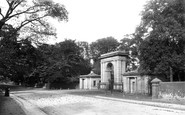
My parents were 'in service' to the local 'laird' who was Lord Doune, traditionally the eldest son of the Earl of Moray and owner of lands around Doune. Lord Doune owned the beautiful old mansion on the hill 1.5 miles north of ...Read more
A memory of Doune in 1948 by
Crichel House During The War Years
Dumpton House (Preparatory) School was evacuated to Crichel during the Second World War from Broadstairs in Kent. My older brother (Paul Cremer) was already at the school and due to the war my parents sent me ...Read more
A memory of Crichel Ho in 1940 by
The Original Grove Hotel In Stapenhill
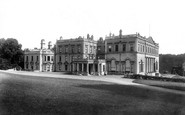
When I was about 4 years old in 1948 my Auntie Jess and Uncle Albert (Haynes) ran the Grove Hotel at Stapenhill. It was the original one, not the one which is there now. It was a really lovely old building ...Read more
A memory of Stapenhill in 1948 by
Rodgett Bashall
I'm only a soft southener, but my several times great-grandparents were from 'up north' in cotton, my great-grandmother married a vicar in Dorchester, in the 1890s, had 8 kids. Can anybody tell me anything about the Rodgetts or Bashalls? Thanks
A memory of Walton-le-Dale in 1870 by
Captions
124 captions found. Showing results 25 to 48.
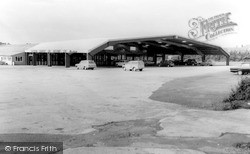
His warehouses survive, and so does part of his brickworks, and a single building from his cotton mill also survives in the car auction complex.
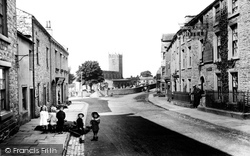
Other local industries included brewing, spinning, dyeing, cotton and worsted manufacture and lead mining.
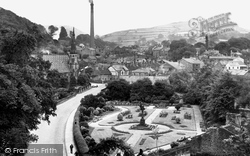
It was built to transport cotton and silk as well as coal and stone; today, used mainly by holidaymakers, it is considered one of the prettiest waterways in the country.
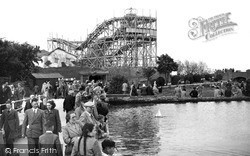
Close to Butlin's (now Botton's) amusement park, the model yacht pond - opened 1930 - was a popular attraction for many years, with a kiosk nearby for hiring all kinds of vessels.
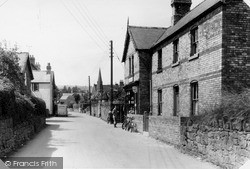
He had previously made his fortune as a cotton mill owner and by investing in the railways.
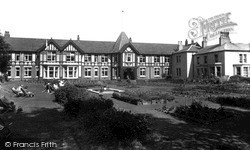
On the left are convalescent cotton mill workers; but as mills closed all over Lancashire, the building closed as a convalescent home and was bought by Wyre Borough Council to be their Civic Centre—it
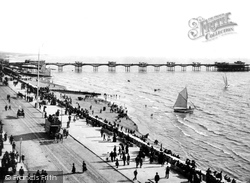
By the mid-1890s, most Lancashire cotton towns enjoyed a full Wakes Week.
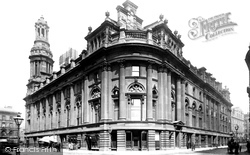
The Royal Exchange was where the Lancashire cotton industry did business with the world.
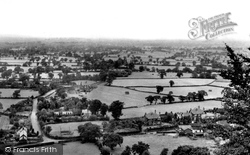
Before clean air acts and the decline of the cotton industry, the only time people could see the Lancashire hills across the Mersey Basin was during Wakes week.
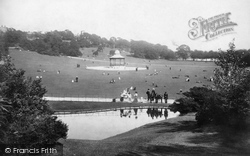
As well as being lovely parks for the people, they were begun to provide work for some of the thousands laid off due to the cotton famine, which was caused by the American Civil War.
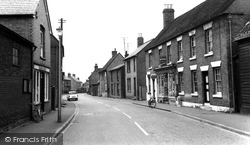
After a disastrous fire in 1600 which nearly destroyed the entire town, the market was moved to nearby Potton, in Bedfordshire.
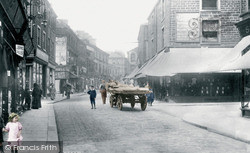
New shopping arcades were established along Low Street and North Street at the turn of the century, as the town's population continued to enjoy the fruits of the cotton boom years.
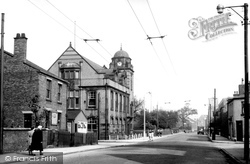
Atherton was a cotton-spinning town, and for 200 years a mining community. Local collieries included Howe Bridge, Gibfield, and Chanter.
Other local industries included brewing, spinning, dyeing, cotton and worsted manufacture and lead mining.
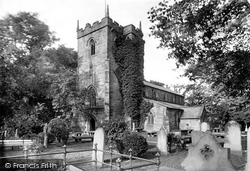
The most famous person resting here must be John Horrocks, who founded his great cotton empire at Preston. You can see the iron railings around his grave at the bottom left of our picture.
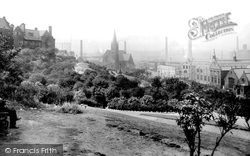
., situated on the Roche, and is one of the chief seats of the flannel and woollen industry and has also many large cotton-mills'.
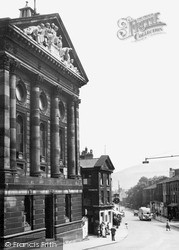
Todmorden Town Hall, built in 1870, once stood on the border between Yorkshire and Lancashire, a fact reflected in the carvings in the pediment frieze on its classical front, shown here: there are bales of cotton
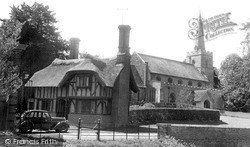
When the Cotton family commissioned Capability Brown to design a park in 1756, he cut a swathe through the village, separating the church and a couple of farms and cottages from the rest of the village
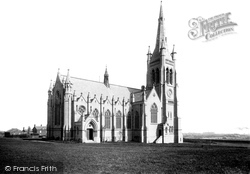
A large church with fine Gothic windows, it was paid for by the Haworth family, who had made their money from cotton spinning and fustian making.
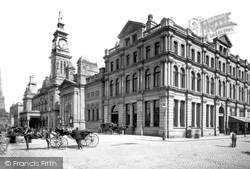
It was thanks to the generosity of cotton manufacturer William Atkinson that Southport got a Free Library and Art Gallery; he paid for both of them.
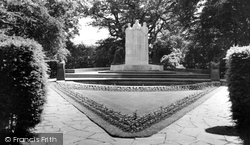
Dating from 1926, the war memorial was opened by the Earl of Derby, though its cost was borne by Caleb Thornber, a cotton manufacturer and former Mayor of Burnley.
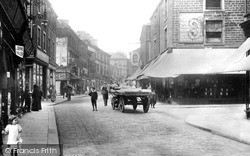
New shopping arcades were established along Low Street and North Street at the turn of the century, as the town's population continued to enjoy the fruits of the cotton boom years.
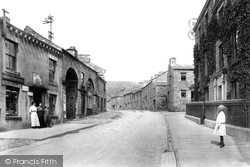
Many of the buildings along the main street are imposing, three-storey houses, dating from the period when the town was a centre for lead-mining, cotton and worsted manufacture.
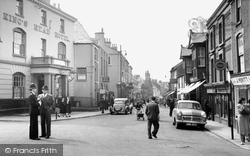
The cotton mill and the later factories were in full production from the 18th century, but now they form part of a heritage park for tourists.
Places (5)
Photos (103)
Memories (178)
Books (0)
Maps (75)