Places
Sorry, no places were found that related to your search.
Photos
Sorry, no photos were found that related to your search.
Maps
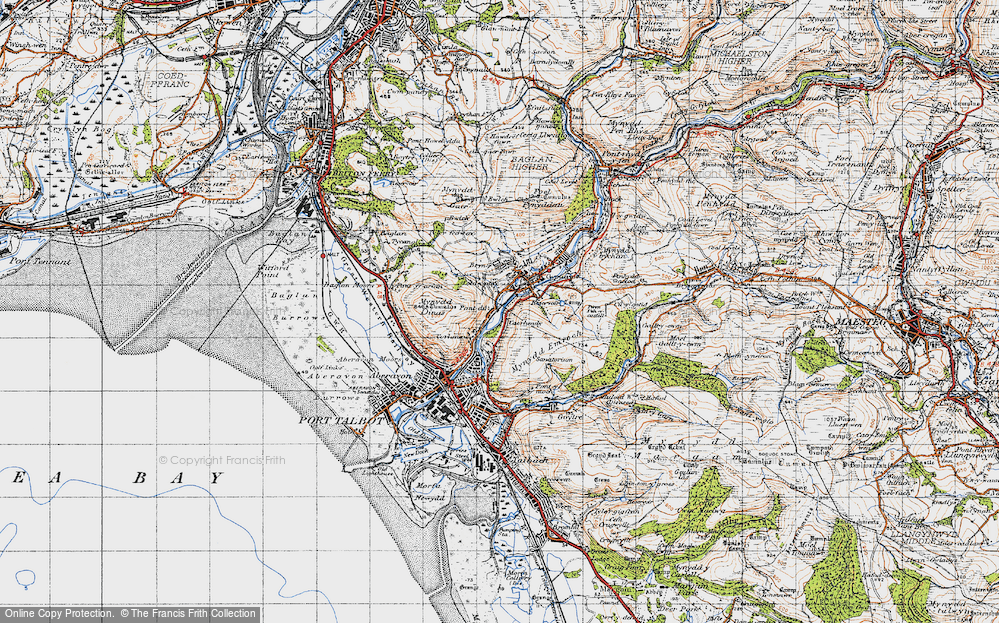
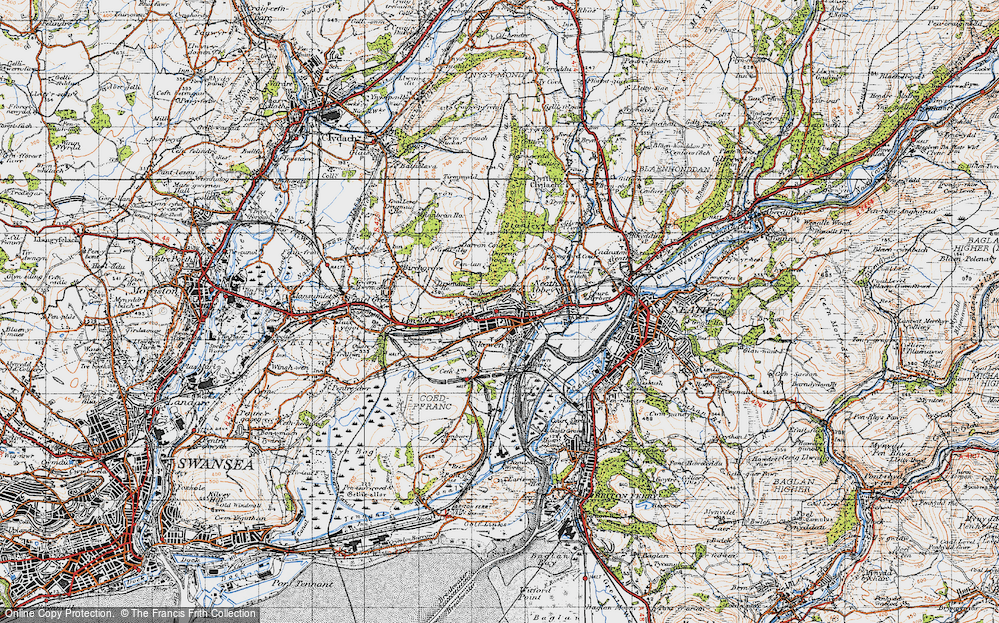
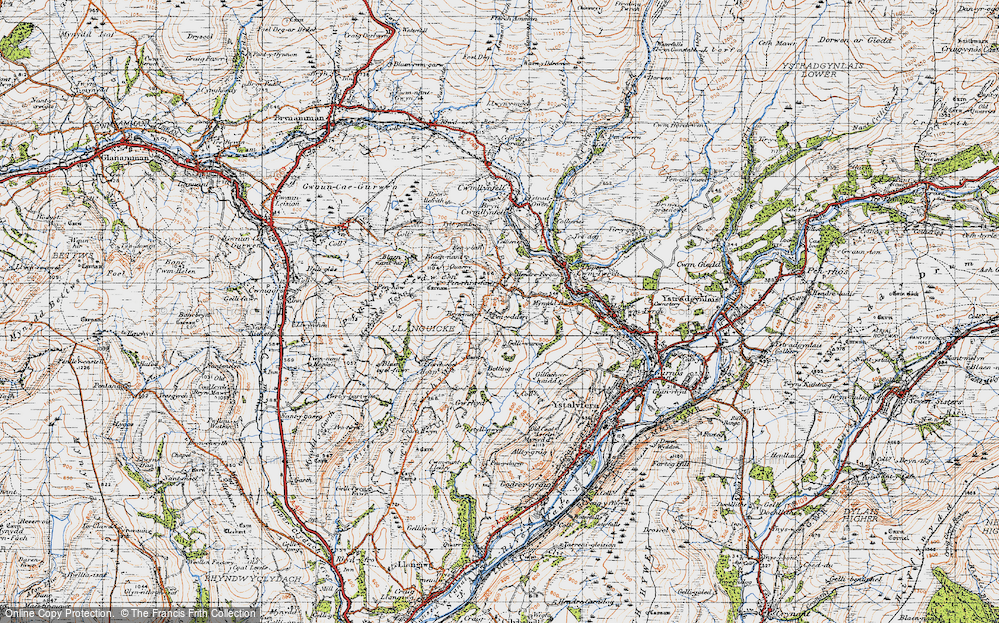
670 maps found.

Books
4 books found. Showing results 601 to 4.
Memories
1,789 memories found. Showing results 251 to 260.
My Life In The Village
My memory of Hartest, a place that is very dear to me, relates to the period between moving down from Somerton in 1945 and living there until I moved to Hadleigh in 1970 for my work. As an Evacuee, together with my brothers ...Read more
A memory of Hartest by
Ann Street Memories
Having been born in Ann Street in 1962, my memories of the surrounding area are quite vivid, including Waddles Foundry; the metal beating from the works would often wake me in the morning. It was on land just behind the Bull pub, ...Read more
A memory of Llanelli in 1969 by
Book Rescued From 1953 Flood Of Newbridge Mill.
My husband has just come across a book which was rescued from the Newbridge Mill during the flood it suffered in 1953. The book entitled 'Knole and the Sackvilles' by V Sackville-West has an ...Read more
A memory of Colemans Hatch in 1953
Spalding Market In The 1950s
I can remember Mick's stall just outside the Red Lion and he'd have crowds of people round him. He'd hold up an item and then say - I'm not asking 10/-, 5/- but 2/6! He always did a good trade. The market went on much ...Read more
A memory of Spalding
Vindiin Winter
I remember it was freezing most of the time - we had short blue jackets. I can remember taking the slops to the waste - my hands froze to the rope handles. We had no sheets, just blue covers and blankets. I remember fighting for ...Read more
A memory of Sharpness in 1957 by
'down Yer 'wey'.
Moved to Farncombe in 1942 from Datchet, but evacuated originally from Barking, London. I remember arriving at my new home at 1 Tudor Circle. My Step-father was a fireman in the AFS, who's ...Read more
A memory of Godalming in 1942 by
Back In The 50s
In the late 50's I moved to Rochford Road, just a few hundred yards from the airport. My dad, had learned to fly in Canada during the war and was now back working as a booking clerk for British Rail at Prittlewell. As a ...Read more
A memory of Southend Airport in 1958 by
Padnell Avenue Etc.
We were the first family to move into the newly built Padnell Avenue Council Estate, moving there in around 1947, our house was one of a pair on the corner of Winscombe Avenue. Where the Council flats are now situated was prefabs ...Read more
A memory of Cowplain by
The Marque
Roughly in 1932 there was a religious group which was called the Assemblies Of God Pentecostal Church. Albeit they had been going on since 1900-14 they were a relatively unknown church - as of today they are unknown to many of us even ...Read more
A memory of Sheffield in 1930 by
Hornsey
I was born in Hornsey in 1940. Returning from evacuation in S.Wales in 1944, I went to Highgate Primary School for a short time, before moving to 141 Crouch Hill (now demolished) and attending Rokesley Infants School & Crouch End Junior ...Read more
A memory of Hornsey in 1945 by
Captions
1,058 captions found. Showing results 601 to 624.

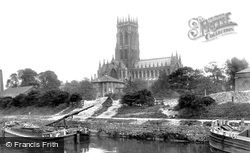
With its 29 automated locks, this modern, commercial waterway forms a link with sea-going ships at the port of Goole.
With its 29 automated locks, this modern, commercial waterway forms a link with sea-going ships at the port of Goole.
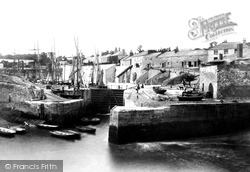
As the china clay industry expanded the port grew in size and significance. Here the bustling quaysides are thronged with ocean-going vessels loading. On the right is a lime kiln.
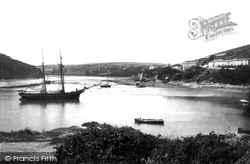
Malpas was a miniature port of great antiquity, but is now the exclusive haunt of yachtsmen and weekend sailors.
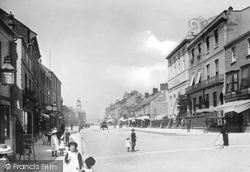
There is not a port at Bridport, though there was in former times before its river silted up. Now the little harbour at neighbouring West Bay fulfils the function, though on an unambitious scale.
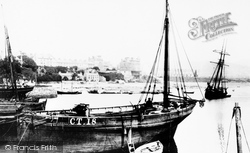
This photograph shows a de-rigged Manx nobby at Port St Mary.
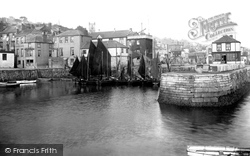
This celebrated port prospered as a result of its natural deep-water anchorage. The quay was constructed in 1640 and soon after Falmouth was granted the status of Britain's Mail Packet station.
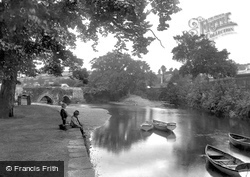
At one time vessels could thread their way right up to the town quay, and Lostwithiel grew to be second only to Southampton as a port along the southern seabord.
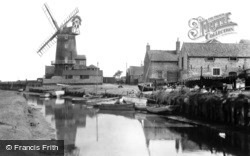
This beautiful 18th century windmill once stood on the quayside of a busy port.
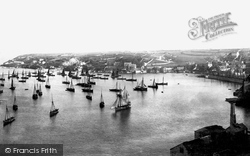
Before being overtaken by Plymouth a couple of decades ear- lier, Brixham was the leading fishing port in Devon. At one time, there were almost 300 trawlers employing 1600 seamen.
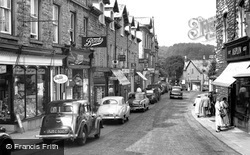
To the right of the bend in the road there is a drop down to what was the Commercial Hotel, sited near what was the port in times past.

As the village gradually declined as the port silted up, so its large and impressive church was reduced in size. Only the tower survives intact, and the brick nave was built inside the ruin in 1672.
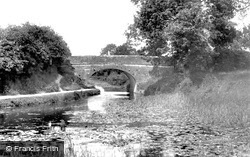
In the event, the main line from Taunton was built as a tub boat canal with a very short life, and an 11-mile stretch from Loudwells to Tiverton was built as a barge canal.
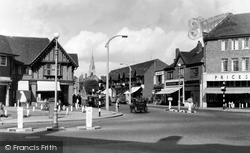
The shadow of Cheam Court in the foreground indicates that this photograph was taken shortly after noon on this summer's day.
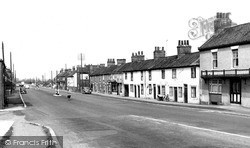
Newport grew rapidly with the arrival of the Market Weighton canal in the 18th century; it was the final loading place before crossing a short distance to the Humber.
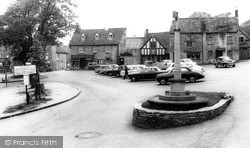
Each size slate has its own name, and terms in use in former times included duchesses, countesses, short wivetts, movedays and bachelors.
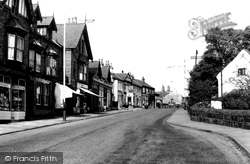
No need for the weekly trek to the supermarket and the massive loading of container-sized quantities of groceries into the car; just a short walk to collect what you need for a couple of days.
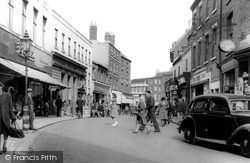
Silver Street led from the Market Place to the river, which was lined by the warehouses and factories of this once busy inland port, including my grandfather’s Rose Brothers, a packaging machinery
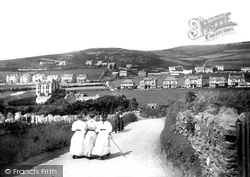
By the time this picture was taken, Port Erin had been transformed from a fishing village into a popular resort.
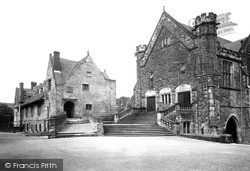
Repton's famous public school was founded by Sir John Port of Etwall in 1556, but it was under the leadership of Dr Pears between 1854-74 that its fame and reputation really took off.
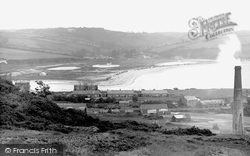
Treffry used the harbour for shipping tin and copper, but china clay soon took over; since 1946 it has been run by English China Clays, and is now the busiest port per foot of quay in the UK.
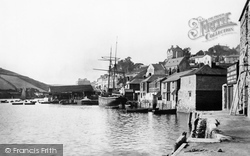
Salcombe is a small port at the mouth of the Kingsbridge estuary. It is so sheltered and mild that even oranges have been known to grow there.
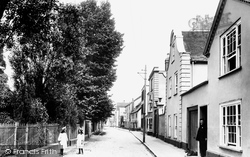
Topsham, a delightful little port situated where the Exe estuary narrows, long had trading links with Holland, with the export of cloth and wool and the import of sailcloth and linen.
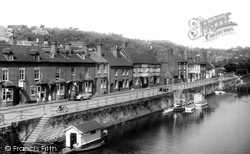
A once prosperous port had long been reduced to the hiring out of canoes and rowing boats.
Places (0)
Photos (0)
Memories (1789)
Books (4)
Maps (670)