Merry Christmas & Happy New Year!
Christmas Deliveries: If you placed an order on or before midday on Friday 19th December for Christmas delivery it was despatched before the Royal Mail or Parcel Force deadline and therefore should be received in time for Christmas. Orders placed after midday on Friday 19th December will be delivered in the New Year.
Please Note: Our offices and factory are now closed until Monday 5th January when we will be pleased to deal with any queries that have arisen during the holiday period.
During the holiday our Gift Cards may still be ordered for any last minute orders and will be sent automatically by email direct to your recipient - see here: Gift Cards
Places
4 places found.
Those places high-lighted have photos. All locations may have maps, books and memories.
Photos
6 photos found. Showing results 221 to 6.
Maps
65 maps found.
Books
1 books found. Showing results 265 to 1.
Memories
4,591 memories found. Showing results 111 to 120.
Ye Old Tuck Shop And Mrs Price
My grandmother was Ann Elizabeth Price and lived in a beautiful house. She ran a little shop in the house and it was called YE OLD TUCK SHOPE. It is the most beautiful little village I have every seen. I remember the ...Read more
A memory of Lucton in 1962 by
Visiting As A Child
My memories of Coulsdon are very vague as I live in Scotland. My Father met a wonderful man named Bernard during the 2nd world war.who came from Coulsdon. Bernard was over 7 feet tall and this is the only thing I remember ...Read more
A memory of Coulsdon in 1953 by
Burials At St Mary's
My maternal grandmother was born in Selby. Annie McMenamin ( McManum or various spellings depending on who wrote the name down !) She lived in Hutchinsons Yard, Selby with her mother Catherine, father Michael, sisters Mary, ...Read more
A memory of Selby in 1953 by
Happy Evacuee
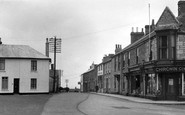
This photo is of Bank Square, I was evacuated here in 1939 with brother Bob and was placed with the butcher at No16, that is it on right with white facia, Butcher was Harold Stephens, and his wife and daughter Kathleen. I still recall ...Read more
A memory of St Just in 1940 by
Follansbee Aka Follingsby Or Foljambe Of Hamsterley Durham England
This isn't exactly a 'memory' as it is a fact relating to my ancestors, the Follansbee's of Hamsterley, County Durham, England. It is recorded that the Follansbee's (various ...Read more
A memory of Hamsterley by
East Front Road In The Sixties
My Grandparents, George and Ella Ashford, had retired to Pagham in 1958. They lived at number 12 East Front Road. Their bungalow was very comfortable with a great view out over the channel. The original railway carriage ...Read more
A memory of Pagham by
School Days
I went to school here in the early 1950's. I have fond memories of the suroundings, the buildings, the gardens, the landscape and of Market Drayton where some of my relatives lived and some still do. Since this learning academy was a ...Read more
A memory of Pell Wall in 1951 by
Dinham Weir
The Ludlow weirs were navigation Flash Lock weirs until the railways came to the Teme valley. Sailing Trows from the Severn worked up the river with wheat for the mills from Gloucester returning with flour for the villages and iron bar from ...Read more
A memory of Ludlow in 1860 by
Gardener's Boy
My father went to work at Hampton Court as a gardener's boy when he left school at the age of 14 in 1917. By then, it was in use as a convalescent hospital for soldiers. I remember my father saying that he had to put little ...Read more
A memory of Hope under Dinmore in 1910 by
Foundation Scholar.
I was a pupil at the school from 1943 to 1948 from the age of 10. I used to travel there from Norbury on the tram, having won a Scholarship from Norbury Manor School. I came from a typically working class background and to be ...Read more
A memory of Croydon in 1943 by
Captions
925 captions found. Showing results 265 to 288.

Modernisation was embraced, and down everything came. What Hitler's bombs missed, the councils of England destroyed. What is built there today only emphasises the point.
With the new houses came the park, a place for gentle exercise or relaxation and a favourite walk for nannies and their prams.
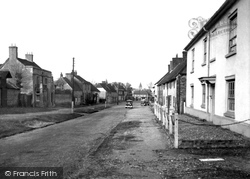
The founder of the mill, Henry Portal, came from France, escaping to England during the persecution of the Huguenots.
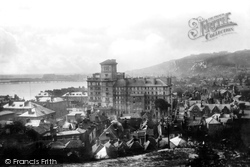
The harbour came under the control of the Dover Harbour Board in 1923, which developed it into one of the busiest ports in the world.
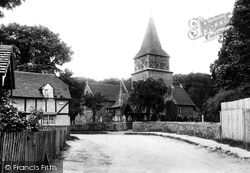
The Onslow family came here in 1642 - they once owned a good deal of land in the Guildford area. The church contains a number of memorials to the Onslows.
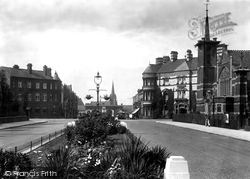
Here we see the impressive edifice of the Queens Hotel, built in 1875 to cater for the large number of tourists who came to Saltburn for their holidays in the late Victorian period.
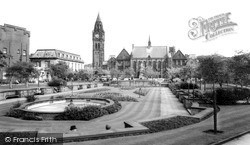
The Hippodrome on the left was where Gracie Fields, one of Rochdale`s most famous citizens, began her singing career: she came joint first in a talent show at the age of 10 and won 10s 6d.
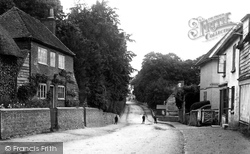
The house on the right with the gate was called Inwood House after the several generations of the Inwood family who came from nearby Neatham.
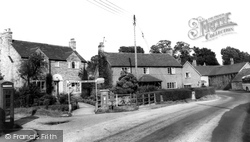
The name of this village is actually pronounced 'Beeley', and presumably honey production was once important here.
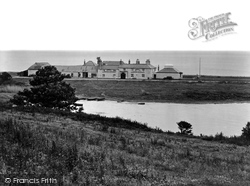
The water in the foreground is Slapton Ley, famed for its bird life.
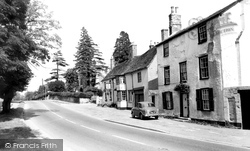
The famous diarist Samuel Pepys often came to Brampton, visiting his uncle. Pepys himself always wanted to retire to this pretty village, although he ended his days in Clapham.
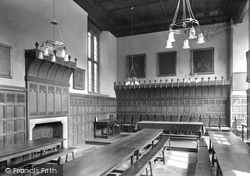
He came from a wealthy family, and spent much of his fortune developing St Catharine's (named after the patron saint of learning).
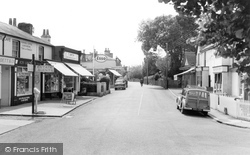
This eastern end of the Isle of Wight enjoys a milder climate than the busy towns on the north coast, and health- conscious early visitors came for the quality of the air.
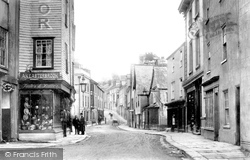
Mining finally came to a halt in the 19th century.
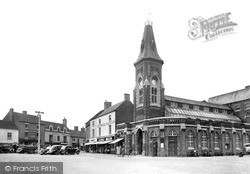
Industry came early to Rugeley. There was a forge in the area by 1273, and glassmaking was well established by the early 14th century.
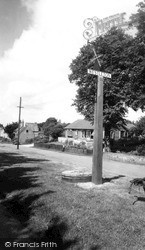
The shaft and the millstone came from the mill, which was demolished the same year. The other mill had already been converted into a house by 1961.
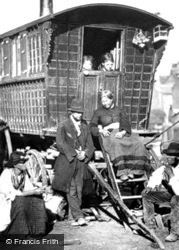
The nameless, faceless gypsies came and went, selling their wares wherever they travelled. There would be rich pickings in London.
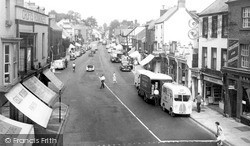
At one time, many areas were served by vans such as these, an effective 'home delivery' service provided by butchers, greengrocers, bakers and others, long before the Internet came along.
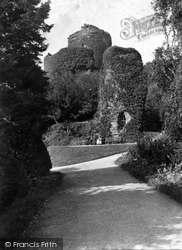
The motte was surrounded by a ditch, but this came within the castle perimeter when the gate tower was built, so a second ditch was excavated.
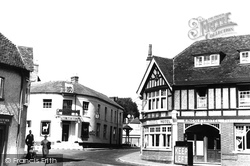
The Kingsley Hotel (right), named after Charles Kingsley who often came to Whitchurch and was inspired to write of his visits to the town, is now several shop units, but The White Hart across the road
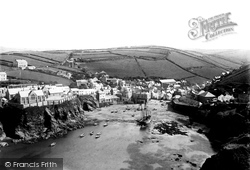
The ship on the beach is typical of the two-masted coastal schooners that plied their trade in the days before motor vehicles came to be used for the moving of commodities.
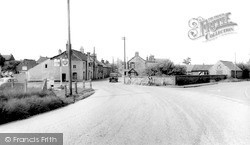
The abbey came to a sudden end in 1506 when all its occupants died of plague within a week.
Depending where you came from, the ride in the middle of picture was known as a copper's helmet, and the near- est one on the left was called the nut cracker.
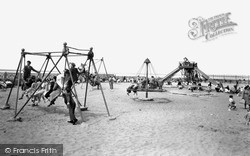
Depending where you came from, the ride in the middle of picture was known as a copper's helmet, and the nearest one on the left was called the nut cracker.
Places (4)
Photos (6)
Memories (4591)
Books (1)
Maps (65)