Places
7 places found.
Those places high-lighted have photos. All locations may have maps, books and memories.
Photos
33 photos found. Showing results 21 to 33.

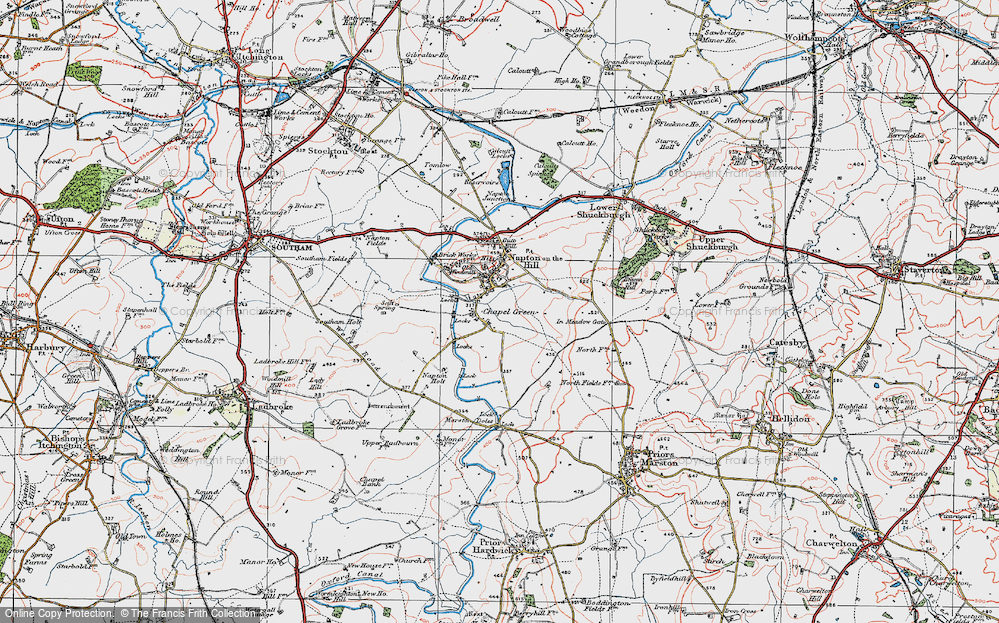
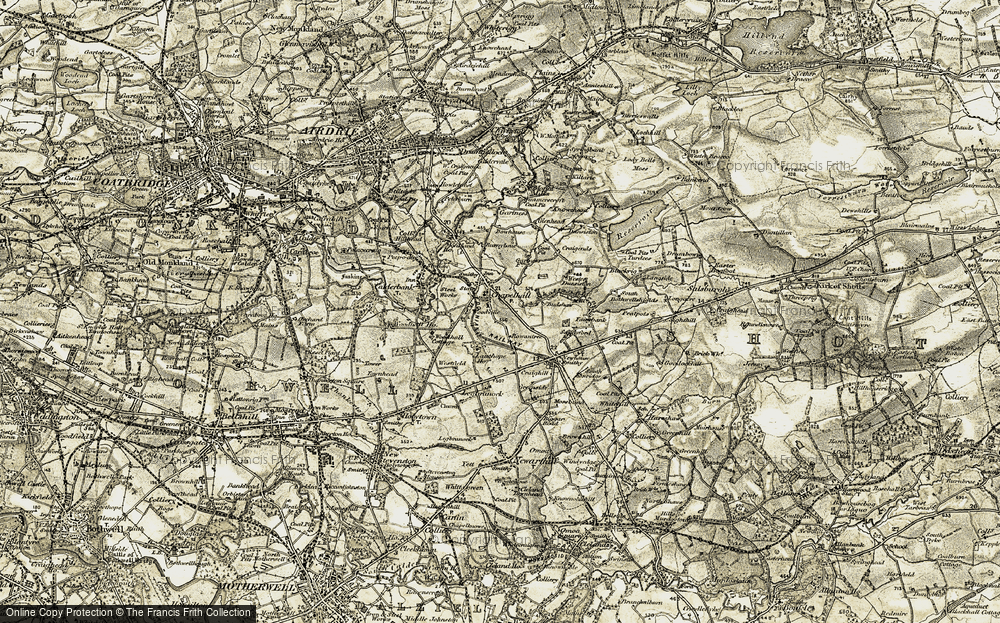
Maps
24 maps found.
Books
Sorry, no books were found that related to your search.
Memories
173 memories found. Showing results 11 to 20.
Tales Of College Green
This shows College Green and its grand posh upmarket shops, at a time in the past when parking wasn't a problem. Many famous people lived round the Green over the years including Mary Robinson; actress and mistress of the ...Read more
A memory of Bristol by
Memories Of Covenham As A Child
I was born in Covenham in Zeplin Row in 1950. I remember going to bed with candles as that was the only form of lighting we had. If it was cold in the winter I can remember my mum wraping up the warm oven ...Read more
A memory of Covenham St Mary in 1950 by
Methodist Chapels
I was born in Braunston in 1941 but was taken to Hellidon as a baby to live with my mother's parents, the Burbidges. In Hellidon, the Methodist church was closed during the war period, so I was taken to the Methodist chapel ...Read more
A memory of Priors Marston in 1941 by
Early Years In Park Road
Born in 1947 to Ted & Cred Fowles, I lived in 3 Park Road until 1955 when I moved down the hill to Southsea. I started Tanyfron primary school in 1951 and went on to Penygelli Secondary school, Coedpoeth, in 1958. When ...Read more
A memory of Tanyfron by
Earith Was In Huntingdonshire And Still Is
I was born in St Ives in 1939 but lived in Earith at what is now number 43. Next door was my Grandad's grocer's shop - Bert Russell. I moved to Peterborough in 1958 where I still live in Werrington Village. ...Read more
A memory of Earith in 1940 by
Dunsmore People And Happenings Remembered
PREFACE TO THE SECOND EDITION In 1995, when the first edition of this history was published, it seemed incredibly optimistic to have had three hundred copies printed for a market which was ...Read more
A memory of Dunsmore by
Memories Of Benson
My memories of Benson started in 1946/7 when we moved to Sunnyside, which in those days did not have the recreation field. Nor did the village have street lighting apart from a couple in the High Street, one of which was on the wall ...Read more
A memory of Benson in 1947 by
Ex Garw Man
I was born in 193 Oxford Street, Pontycymer in 1935. I left to go into the army for National Service at the age of 18 in 1954. I returned for just 1 year in 1956 when I returned to the Midlands, to Birmingham. The house I lived in was ...Read more
A memory of Pontycymer in 1945 by
Visiting Abercynon As 8 Yr Old
I remember visiting Abercynon as a small child. Taken there by my mother to the house of Uncle Benjamin Jones. Having just turned 70 and lived in New Zealand for some 57 years my memories of the location of their ...Read more
A memory of Abercynon in 1950 by
The Chapels
In the 1940s and 50s social life in Cwmtwrch was centred on the chapel and public house. There were eight active chapels, each with its own distinctive architecture, and representative of the major non-conformist denominations in ...Read more
A memory of Lower Cwm-twrch in 1940 by
Captions
52 captions found. Showing results 25 to 48.
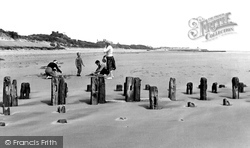
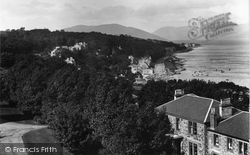
This view looks north towards Chapel Point and the Coastguard Station. There was also a Second World War gun emplacement on the point. Again there are houses on the sand hills.
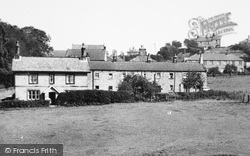
In this picture we see, left, the old school, in use until 1967, now the village hall. The Methodist chapel (1822), next, is still used.
The spacious rectory is situated across the road from the church on Scale Hill. The old rectory was higher up the hill on the same side and facing the Market Place.
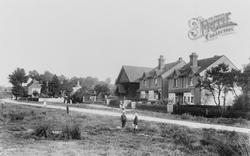
For a few years around the turn of the 20th century, Worplesdon's cricket pitch was at the foot of Rickford Hill on the edge of the common.
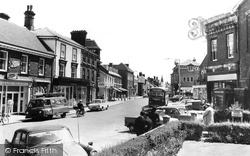
The former Corn Exchange of 1857 is on the left, obscuring the Market Hill Chapel of 1839.
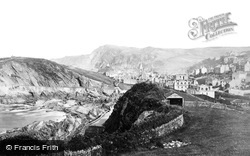
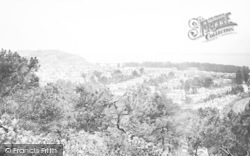
This shows the northern slope of Capstone Hill and its junction with Ropery Meadow (centre, in front of the chapel) as it was before any development took place.
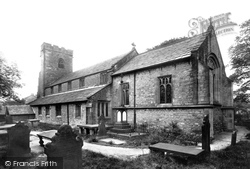
The earliest mention of the chapel of Great Harwood is in a deed of 1335. The church nestles halfway up the hill, surrounded by trees, and facing outwards to the town.
This view looks north towards Chapel Point and the Coastguard Station. There was also a Second World War gun emplacement on the point. Again there are houses on the sand hills.
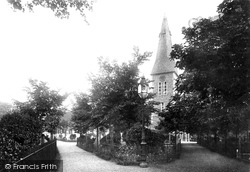
HIGH on the hill at the top of Margate High Street is the parish church of St John the Baptist, which has served generations of Margatonians for nearly 1000 years (see 27445).
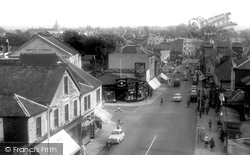
On the left we can see the pediment and roof of the Baptist Chapel, built in 1856 on the recently-constructed Station Hill.
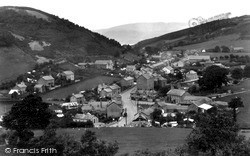
This compact village is situated on the main coast road north of Aberystwyth; it grew up to serve the workers of the nearby lead mines and woollen mills.
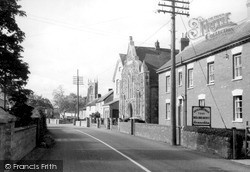
From Bridgwater we head south-east into Sedgemoor to Othery, a village built on a low hill that rises 60 feet above the Moors.
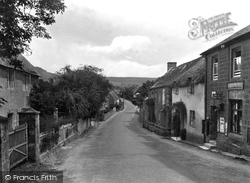
Down the hill are Alice Cottage, Chideock Court and Chapel Cottage. Trees partially obscure Bridge Cottage, By the Stream and Apple Tree Thatch (centre).
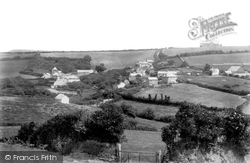
A tiny coastal hamlet in the parish of Symondsbury, Eype was provided with its own 350-seat chapel of ease, dedicated to St Peter, in 1865 (right-hand skyline).
A tiny coastal hamlet in the parish of Symondsbury, Eype was provided with its own 350-seat chapel of ease, dedicated to St Peter, in 1865 (right-hand skyline).
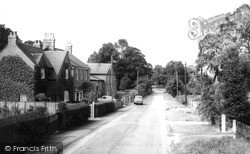
We are looking south-west down Crofts End, the lane which leads from Crofts End itself at the top of the hill behind the photographer to the main through road.
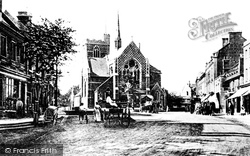
The church of St John the Baptist dominates this readily-recognisable street scene on the crown of the hill.
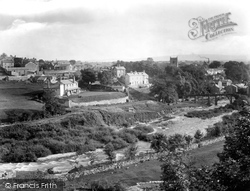
Ingleton is the gateway to the Three Peaks, and has been a popular destination for hill walkers and climbers for over a hundred years.
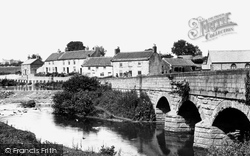
Crakehall, 1 mile north of Bedale, is two villages in one - this is Little Crakehall, with its race (left) for three corn and flax mills.
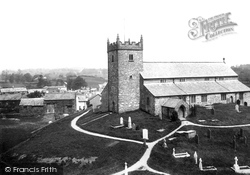
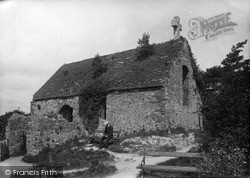
It was originally built as a chapel in the 12th century; the present commanding building on its hill overlooking the village mainly dates from the 15th century.
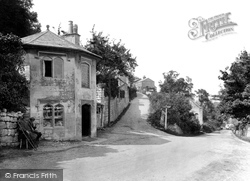
Further down the hill, part of Butter Row Methodist Chapel, now a private house, is visible.
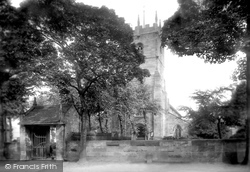
Its ancient parish, one of the largest in the country, stretched right up to Rainow and Kettleshulme in the hills, north as far as Poynton, and out in the south and west to Bosley and Chelford.
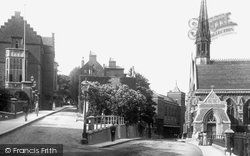
To the right is the Gothic school chapel of 1854 designed by Sir George Gilbert Scott, while further to the right, but out of shot, is the library of 1861, also by Scott, and recently sensitively re-ordered
With such a large working class it is no surprise that Wycombe's traditions of religious dissent continued; there were numerous nonconformist churches and chapels built in the town.
Places (7)
Photos (33)
Memories (173)
Books (0)
Maps (24)