Places
3 places found.
Those places high-lighted have photos. All locations may have maps, books and memories.
Photos
70 photos found. Showing results 1 to 20.

Maps
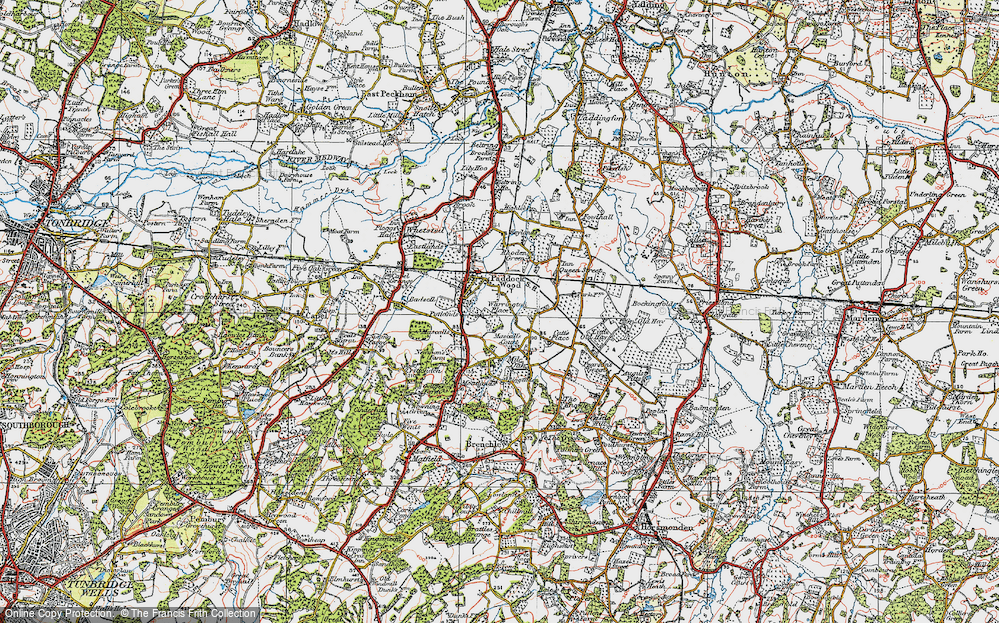
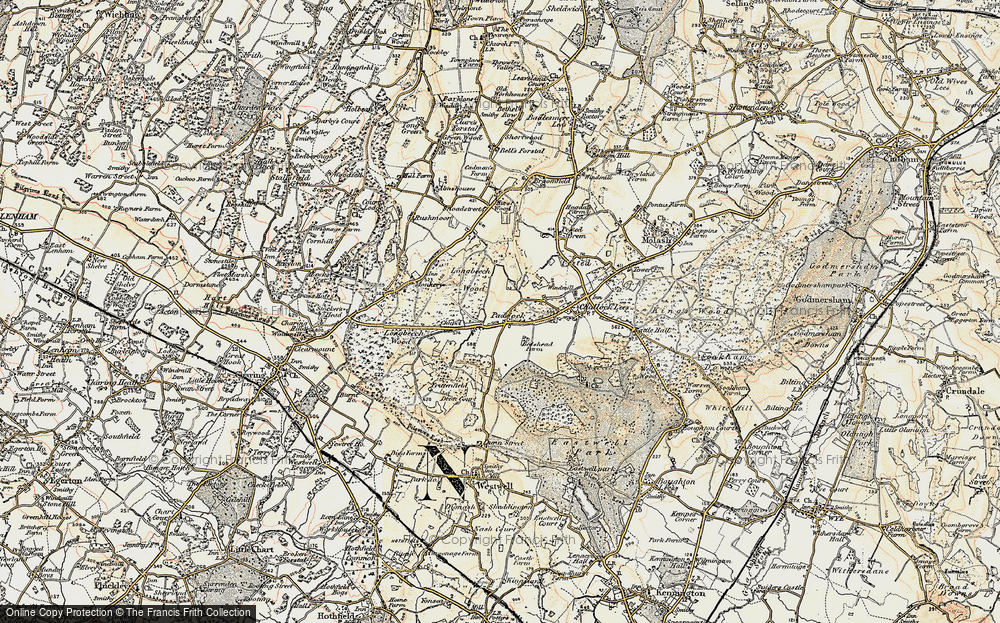
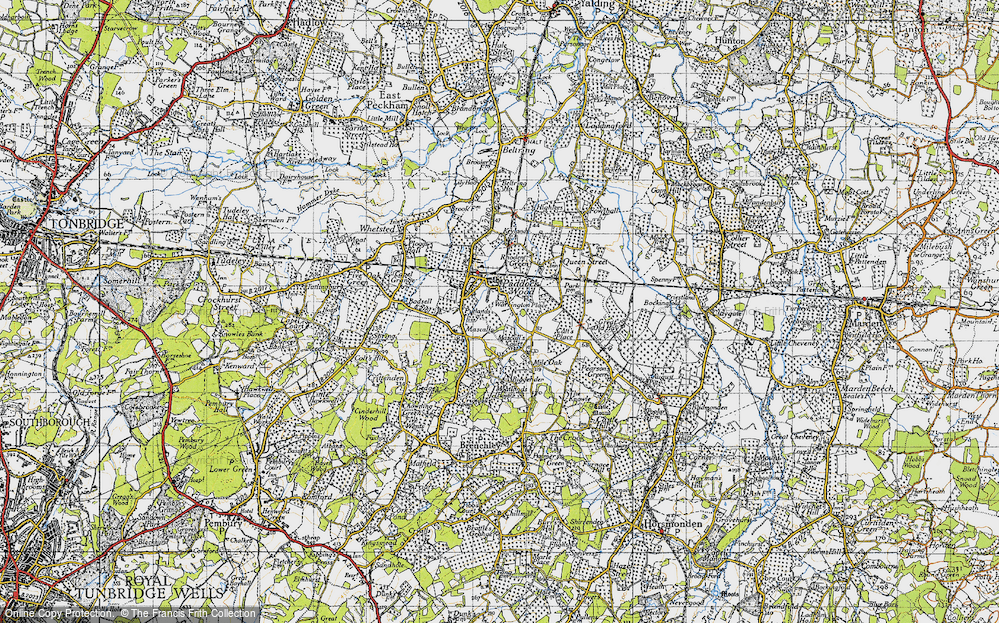
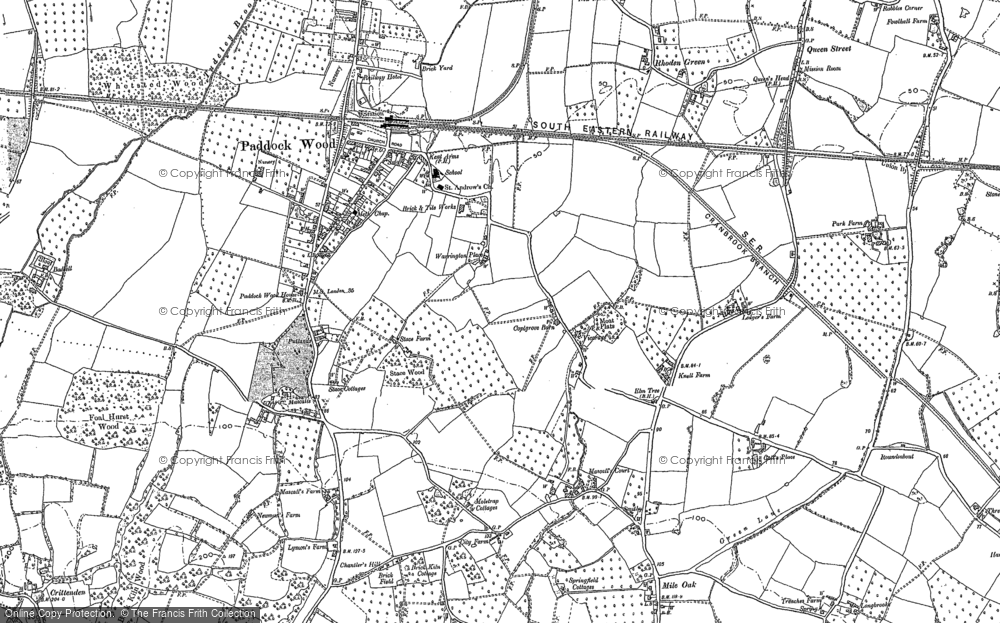
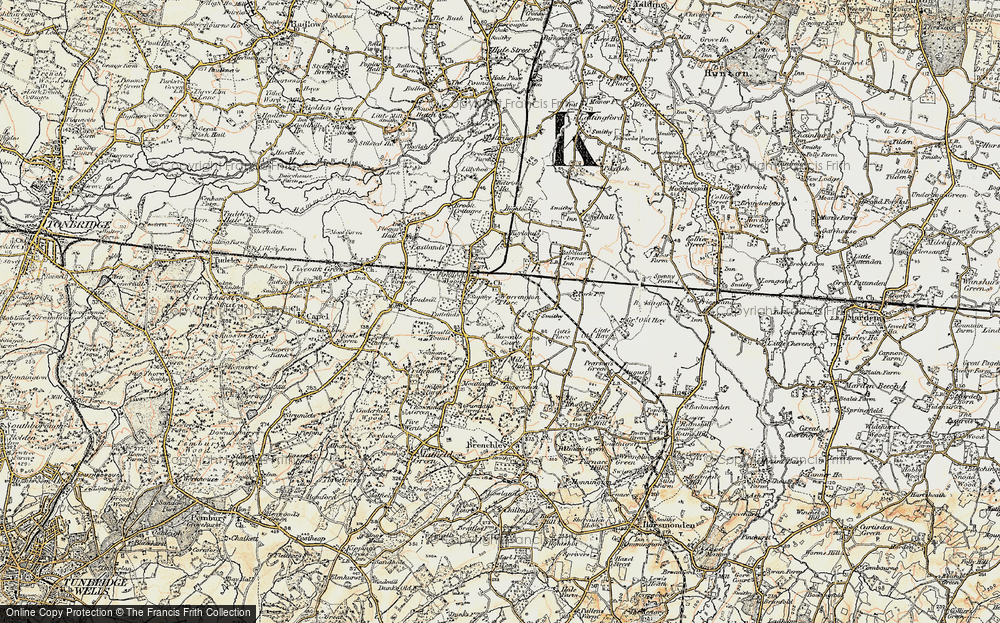
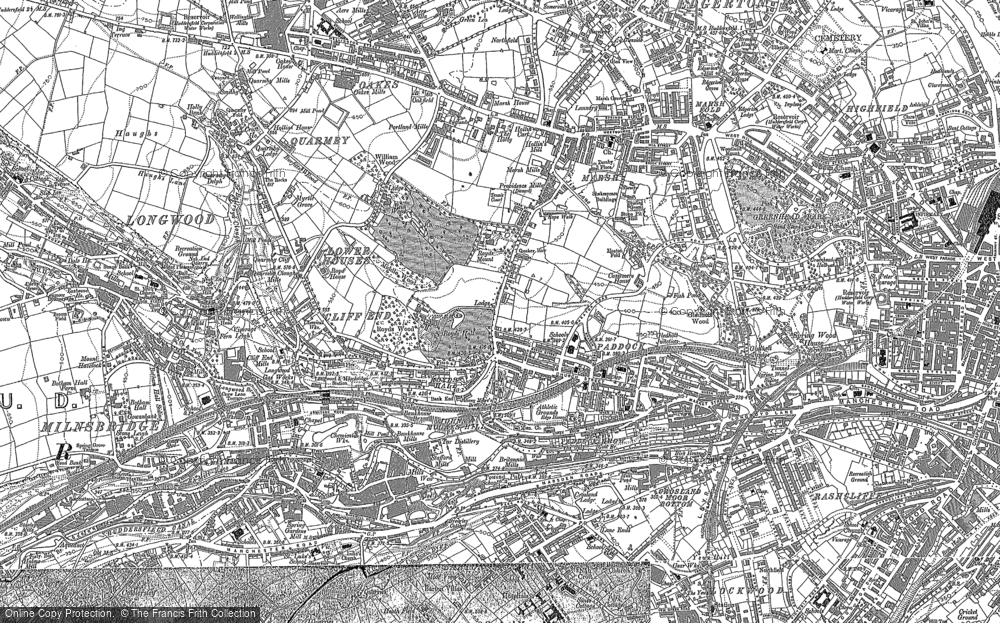
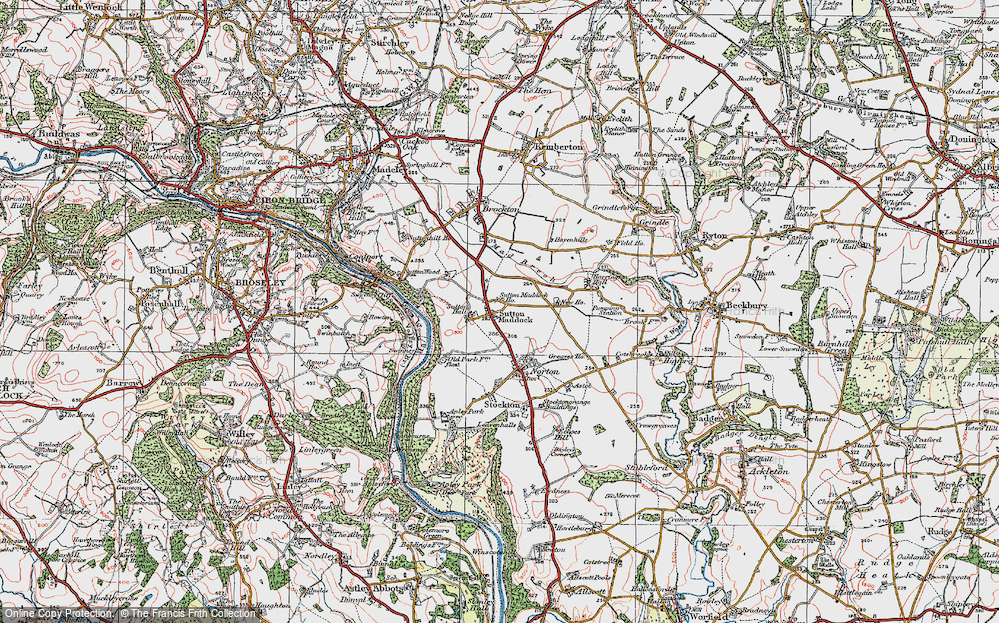
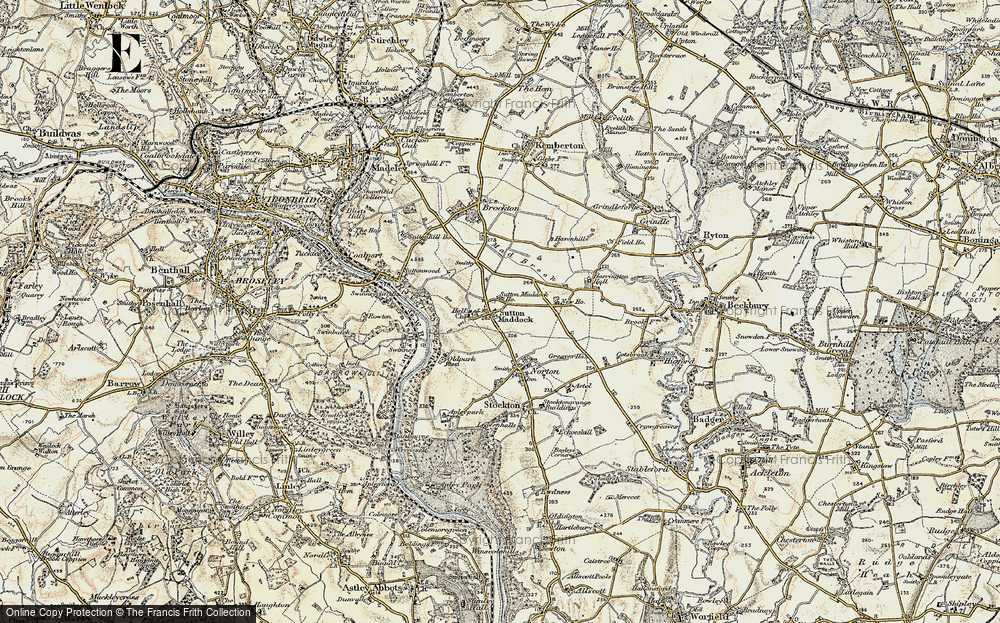
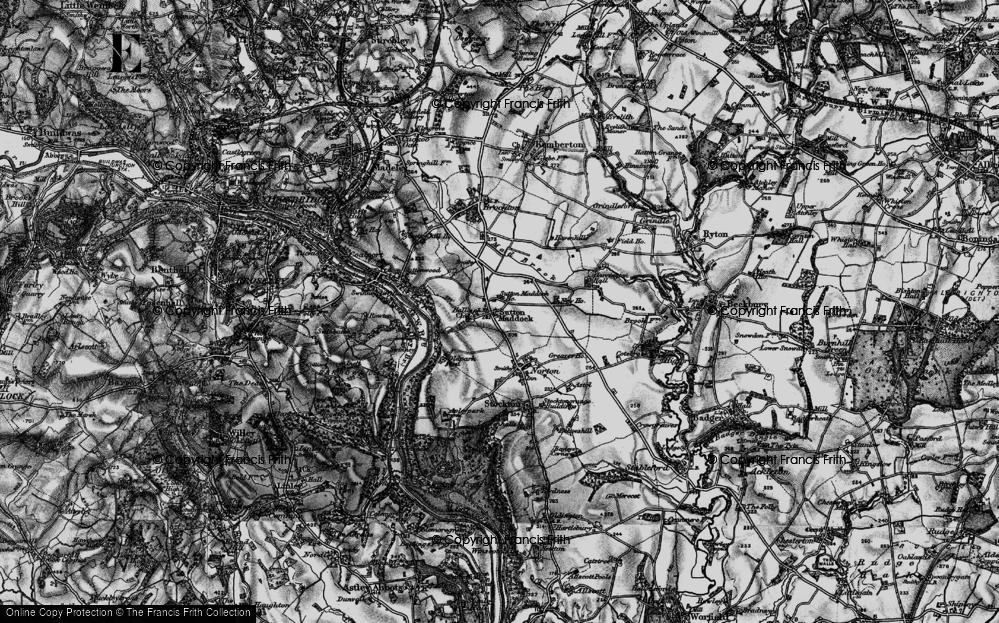
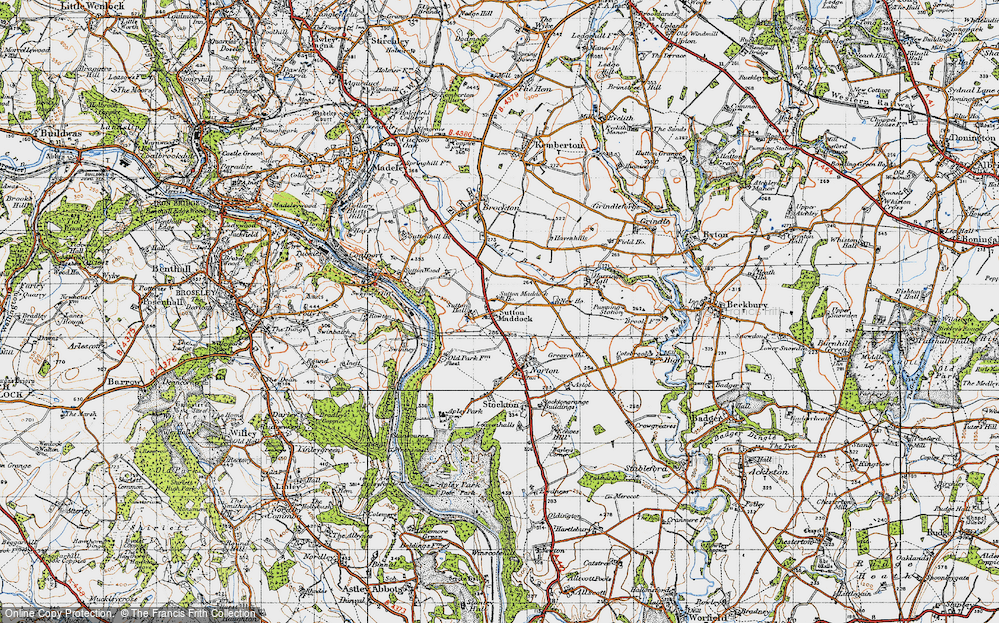
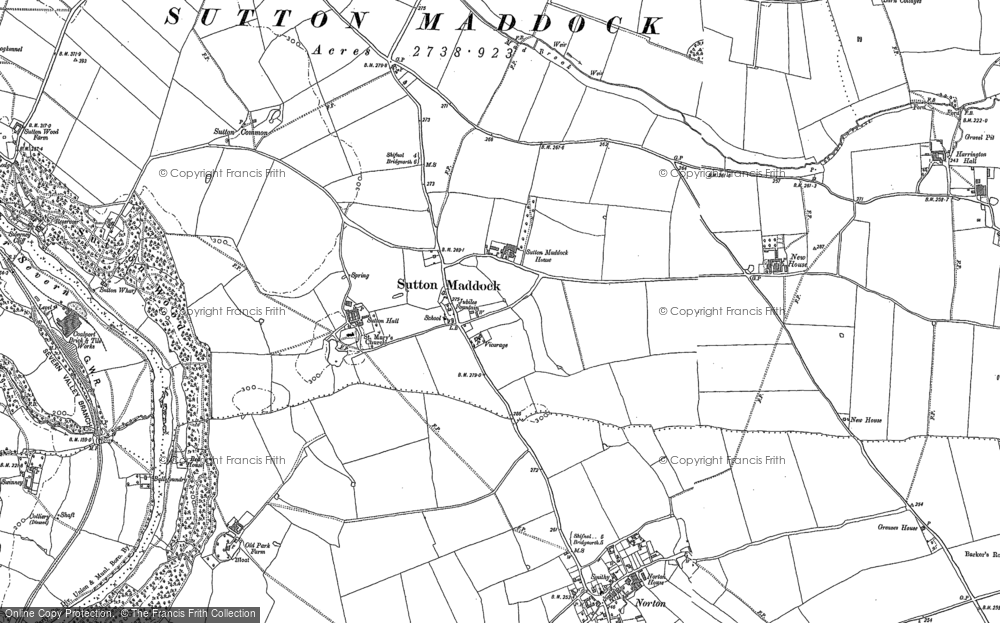
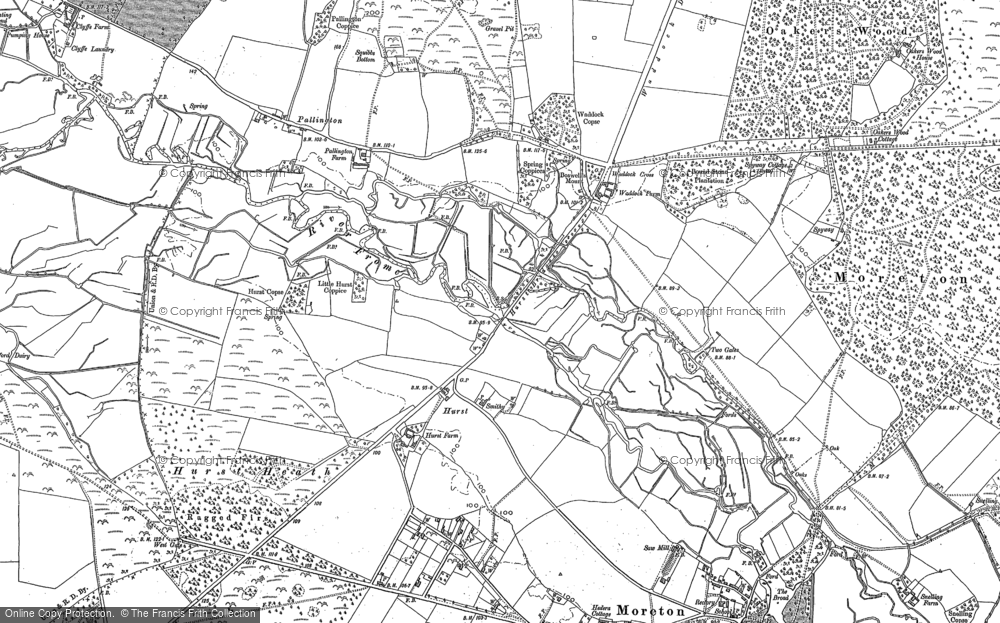
20 maps found.
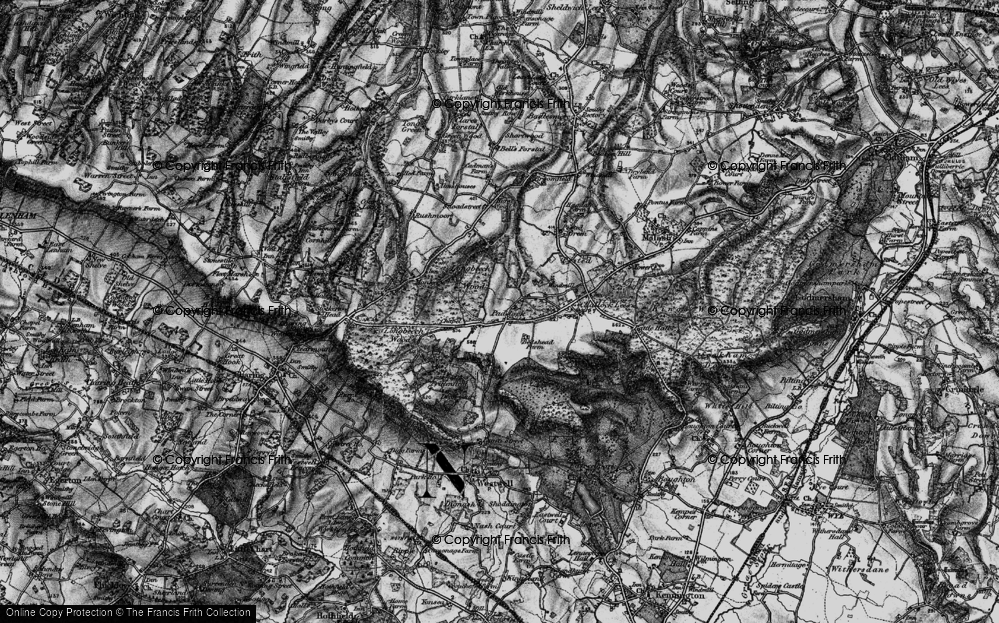
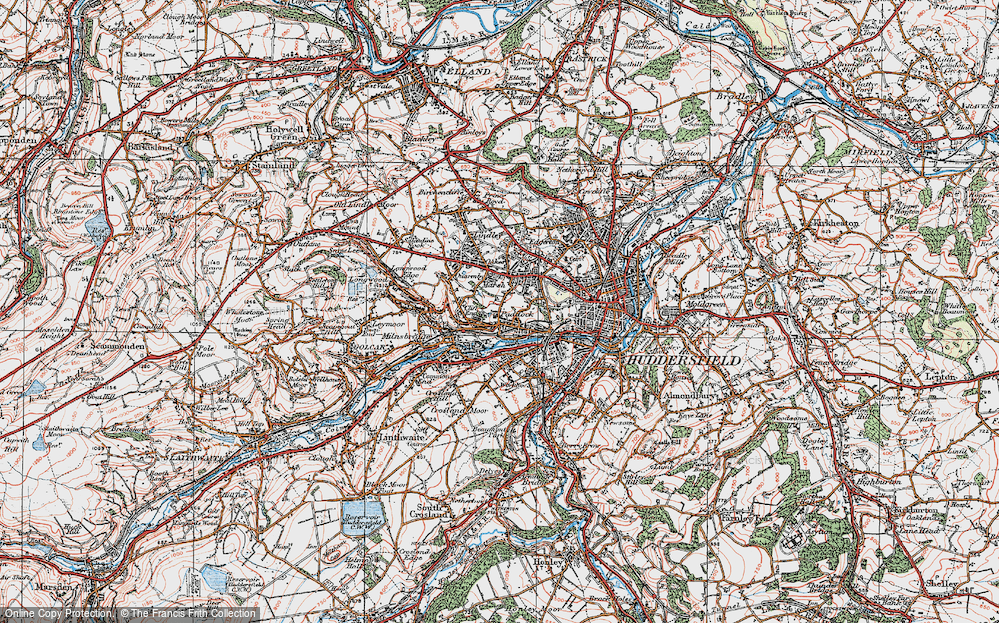
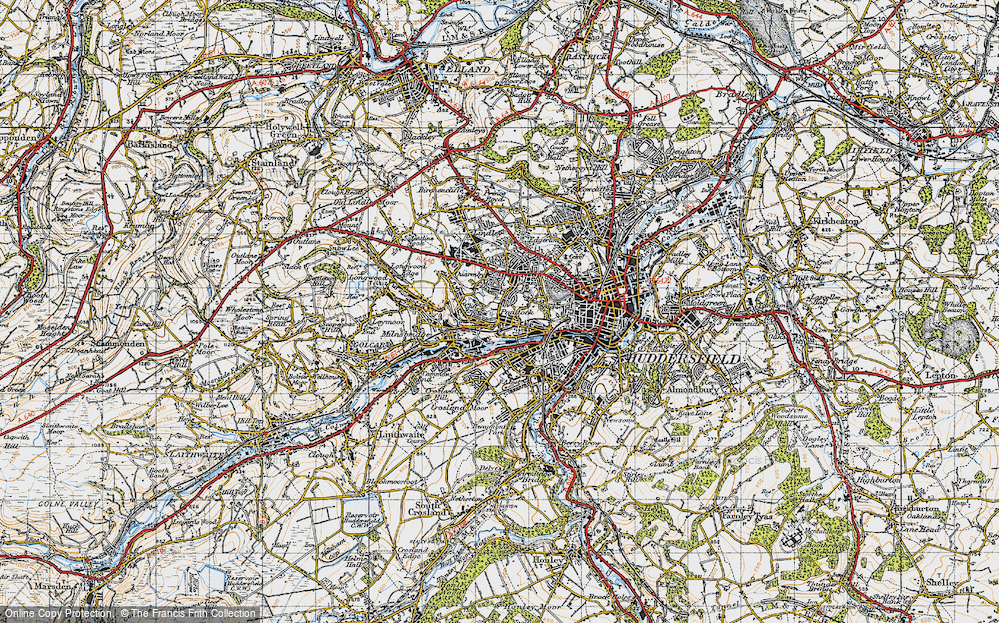
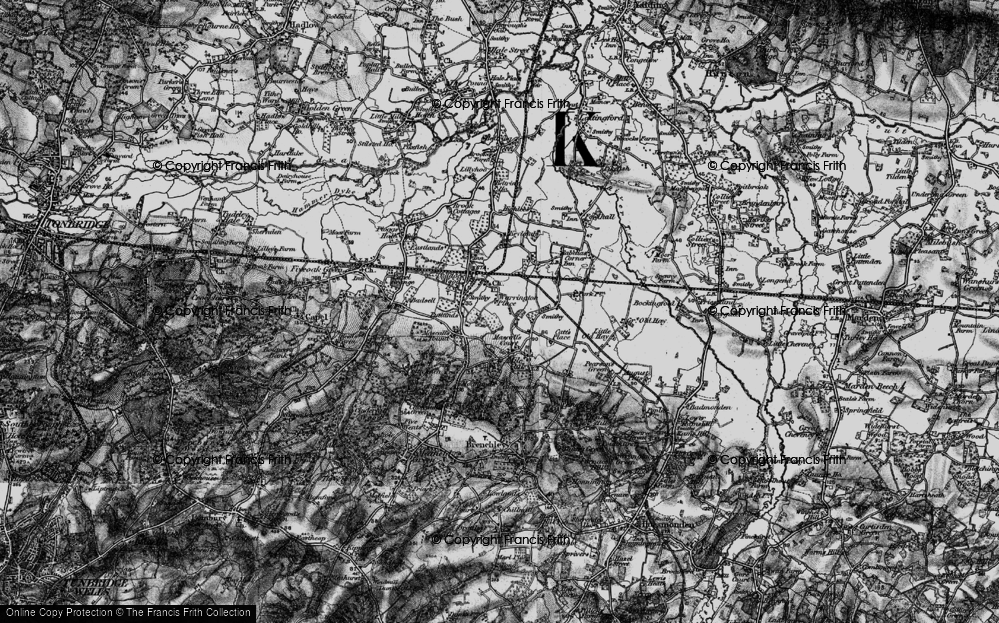
Books
Sorry, no books were found that related to your search.
Memories
78 memories found. Showing results 1 to 10.
Lightning Strikes
This is August 1953, I was 10. We were playing cricket on the clay field with some older lads, the stumps were iron and came from Spencers steel works which was nearby and stuff like this was easily got. Anyway I remember it was ...Read more
A memory of Newburn in 1953 by
Great Shopkeeper
We lived in the Paddock, Merrow opposite the shops in 1965 and I can always remember the kind, Mr Cookson (with sunglasses) running the sweet shop in the 1960's. I lived there until 1977.
A memory of Merrow by
Early Years In Hindley
What - no memories of Hindley? I was born in 1935 (nee Pennington) at a house in Liverpool Road, just up from the Strangeways Pub (The Paddock). The area was called Navvies' Lump, and although the address was "Liverpool ...Read more
A memory of Hindley in 1930 by
Paddock Wood Huts
Not sure how long I went with my grandparents, then when they passed away my parents, but I was born in 1941 and I know we were still going there until we migrated to Australia in 1961. We 'lived' in the first hut on the right ...Read more
A memory of Paddock Wood
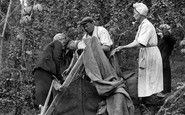
Maidstone Rd And Other Memories
I remember visiting the mill many years ago as my mother had an uncle who worked there, and often went into the house on the right which then was the mill´s offices. Everyone used to buy Viv Wood's fish and chips ...Read more
A memory of Paddock Wood in 1960 by
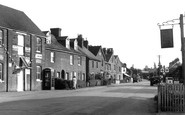
Handforth
My family (Brown) have lived in Handforth till 1995, over 300 years! I (Susan) used to live at 47 Wallingford Road in one of the prefabs, with the air raid shelter in the garden!! I can remember Mr Jones lived opposite. He made me a huge ...Read more
A memory of Handforth in 1962 by
St Pauls Cray School Memories.
I was living at the time at the top of what was called Chalk Pit Avenue, then an unmade and often muddy road in bad weather, at the bottom of the garden was a field and across the field was a fairly large house with ...Read more
A memory of St Paul's Cray by
Somerset Rd
hi every one , we lived at 26 somerset rd in the 60s when the house was brand new up untill 1975 when we moved over seas i went to stansfiled rd school and i have very fond memories , i have now moved back as i love failsworth it will ...Read more
A memory of Failsworth by
Infant And Junior School In Earl Shilton Late 1960s To Mid 1970s
I lived on Cedar Road, my parents having bought a house (in which my mother still lives) on the new estate in 1964. I attended Wood Street Infant School from 1968 to 1971, Hill Top ...Read more
A memory of Earl Shilton in 1970 by
Marton Boarding School
I went to Marton Boarding School from 1965. I have often given it a thought over the years. Yesterday I was in mid Wales and came back along that way. I decided to go and have a look. I went to Whitegate Church where we ...Read more
A memory of Whitegate by
Captions
26 captions found. Showing results 1 to 24.
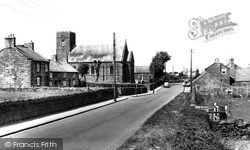
The stone cottages to the left also remain, but the grass paddock enclosed by the stone wall has now given way to more modern
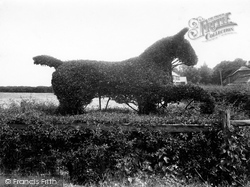
It was in the paddock of Mr J Littler, a veterinary surgeon. The Old Barn, now Oakham School shop, can be seen to the right.
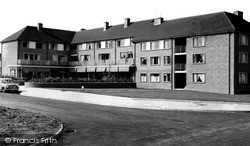
Horses grazing peacefully in a paddock act as a reminder of that rural past, and the Stourbridge Canal and the Staffordshire countryside are just a stone's throw away.
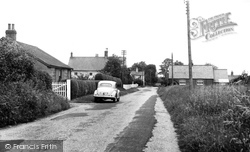
Little Paddock of c1600 stands at right angles to the track.
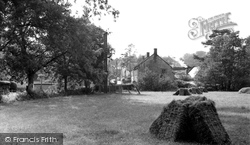
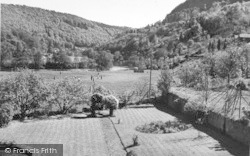
Looking north-westwards from Lower Yonderover Farm, with hay-bales in Mill House paddock (foreground) and the sign for the Star Inn (centre), the River Brit skirts the edge of the meadow
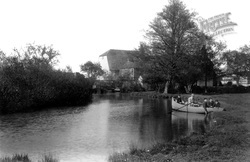
A station was built here in the 1890s for the Cranbrook & Paddock Wood Railway.
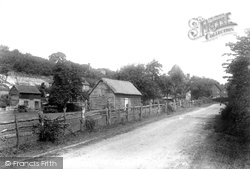
Vernacular fencing surrounds the paddock of the smallholding, which has a small weather-boarded barn with a thatched roof. There are more houses among the trees on the hillside.
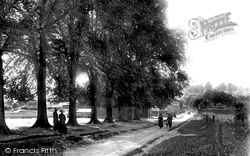
On the right is the garden wall to Little Court, and behind the trees stands Layston School, skirted on the west by Paddock Road.
Looking north-westwards from Lower Yonderover Farm, with hay-bales in Mill House paddock (foreground) and the sign for the Star Inn (centre), the River Brit skirts the edge of the
Horses grazing peacefully in a paddock act as a reminder of that rural past, and the Stourbridge Canal and the Staffordshire countryside are just a stone's throw away.
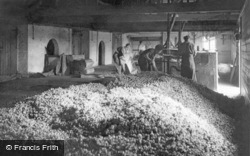
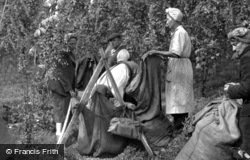
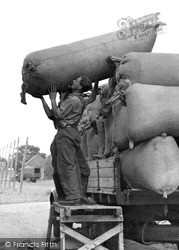
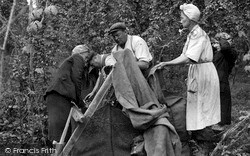
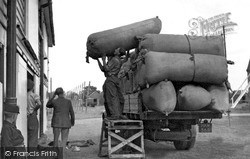
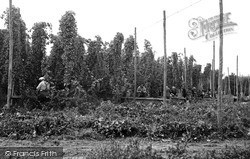
So many hop pickers came to the Paddock Wood area that a hospital called the Little Hoppers Hospital was built in the late 19th century.
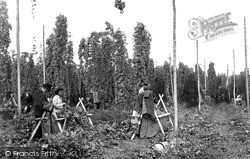
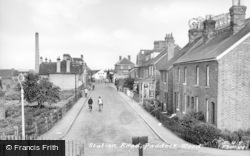
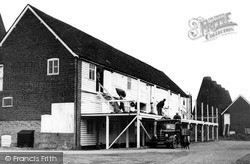
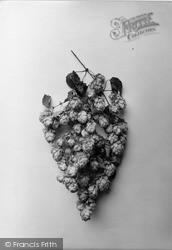
Paddock Wood is today a surprisingly modern industrial town. At the centre of the hop- picking area, it was once a great hop centre with many oast houses.
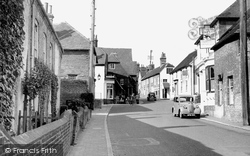
Lying below Ditchling Beacon, this downland village has today become a fashionable commuter village, and once-productive farmland is now used as paddocks for horses.
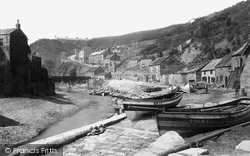
A variety of fish was landed, including mackerel, cod and haddock. Several special fish-trains ran every week on the North Eastern Railway.
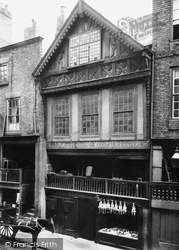
The Rows clearly provided Maddocks the cabinetmakers with a valuable display area.
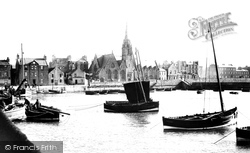
Then there were the much smaller double-ended open boats known as fifie yawls, which were employed for haddock lining in winter and spring.
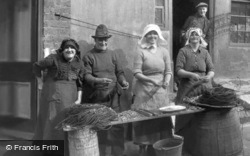
It landed sufficient cod, mackerel and haddock for the North Eastern railway to run three or four special fish trains a week. Lining was one of the methods by which the fish were caught.
It landed sufficient cod, mackerel and haddock for the North Eastern railway to run three or four special fish trains a week. Lining was one of the methods by which the fish were caught.
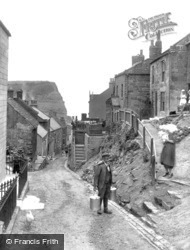
During the 19th and early 20th centuries, Staithes was a fishing port of some standing, a centre for cod, haddock and mackerel, but it fell into decline with the development of steam trawlers, which tended
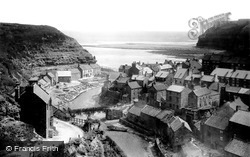
During the 19th and early 20th centuries, Staithes was a fishing port of some standing, being a centre for cod, haddock and mackerel, with enough fish being landed for the North Eastern Railway to run
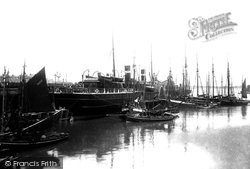
Usually crewed by four men and a boy, they trawled for plaice, sole, haddock, and cod. The Morecambe Bay prawner, also known locally as a half-decker, shrimper, or nobby, was a cutter-rigged smack.
During the 19th century, Staithes was a fishing port of some standing, being a centre for cod, haddock and mackerel.
Staithes was a fishing port of some standing, landing sufficient cod, mackerel and haddock for the North Eastern Railway to run three or four special fish trains a week.
Usually crewed by four men and a boy, they trawled for plaice, sole, haddock, and cod. The Morecambe Bay prawner, also known locally as a half-decker, shrimper, or nobby, was a cutter-rigged smack.
Places (3)
Photos (70)
Memories (78)
Books (0)
Maps (20)