Places
Sorry, no places were found that related to your search.
Photos
Sorry, no photos were found that related to your search.
Maps
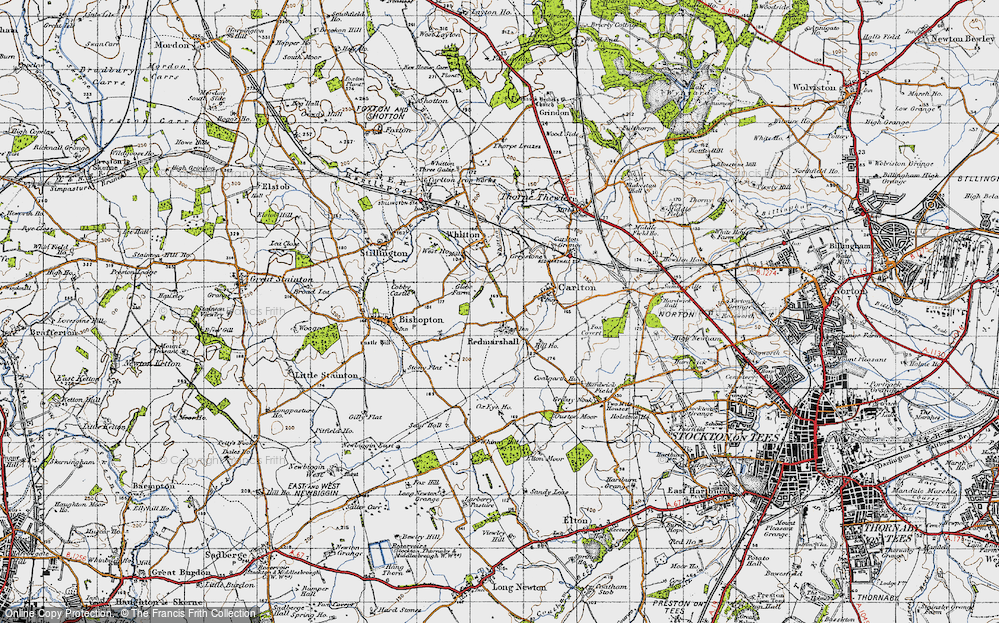
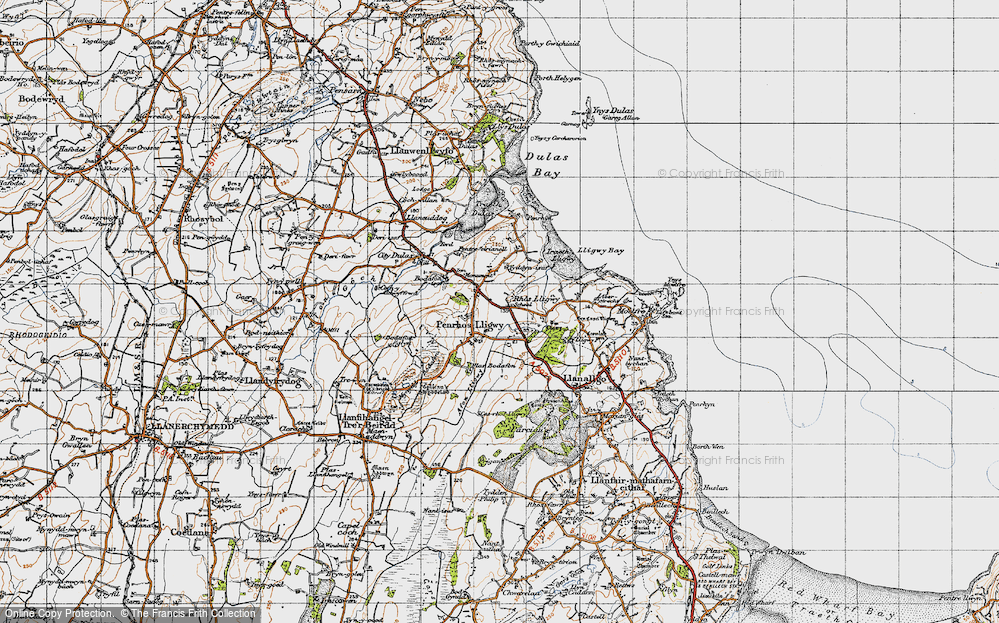
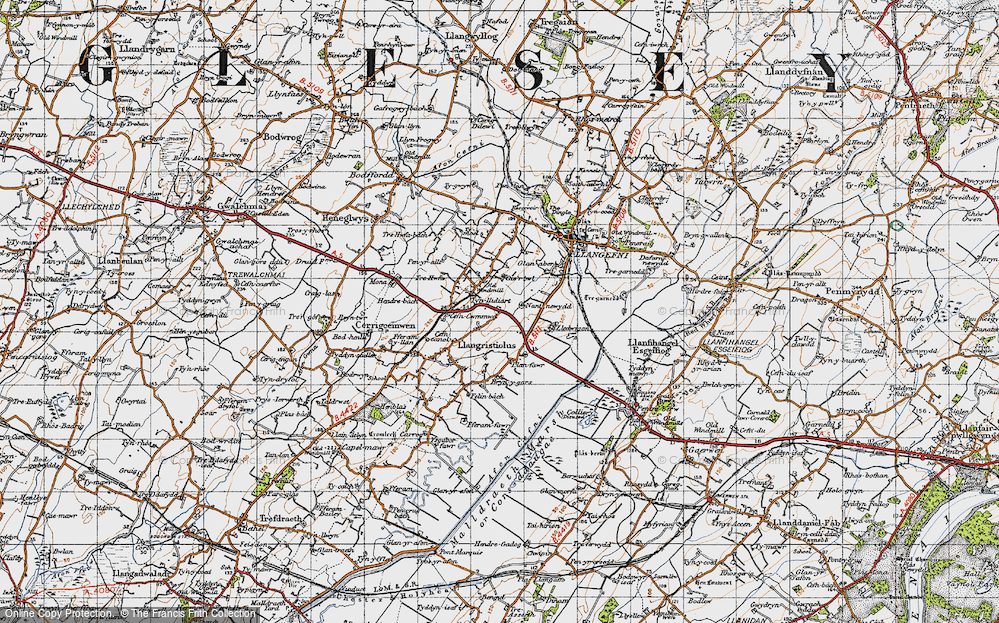
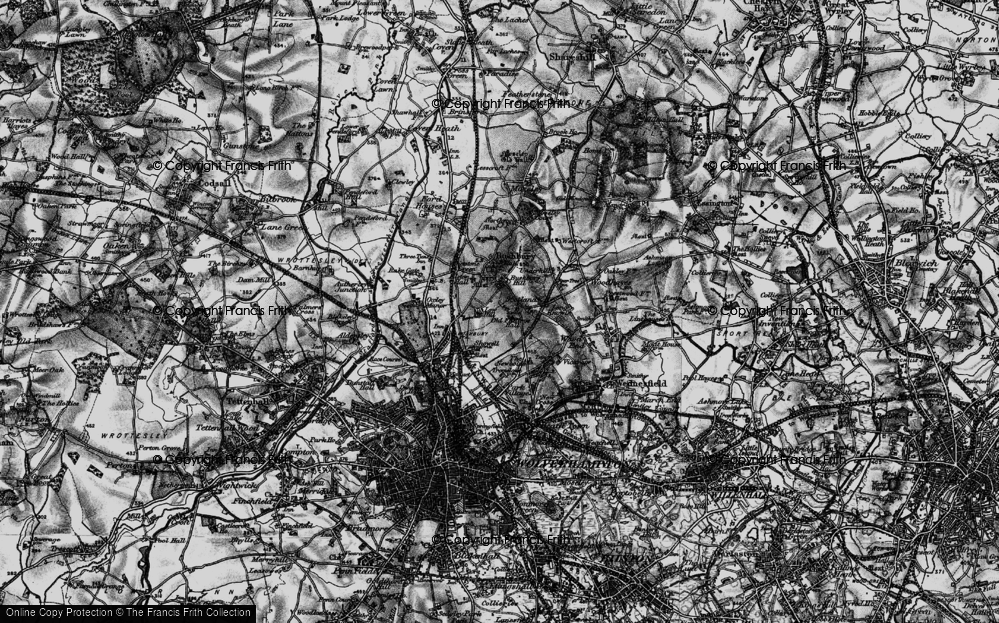
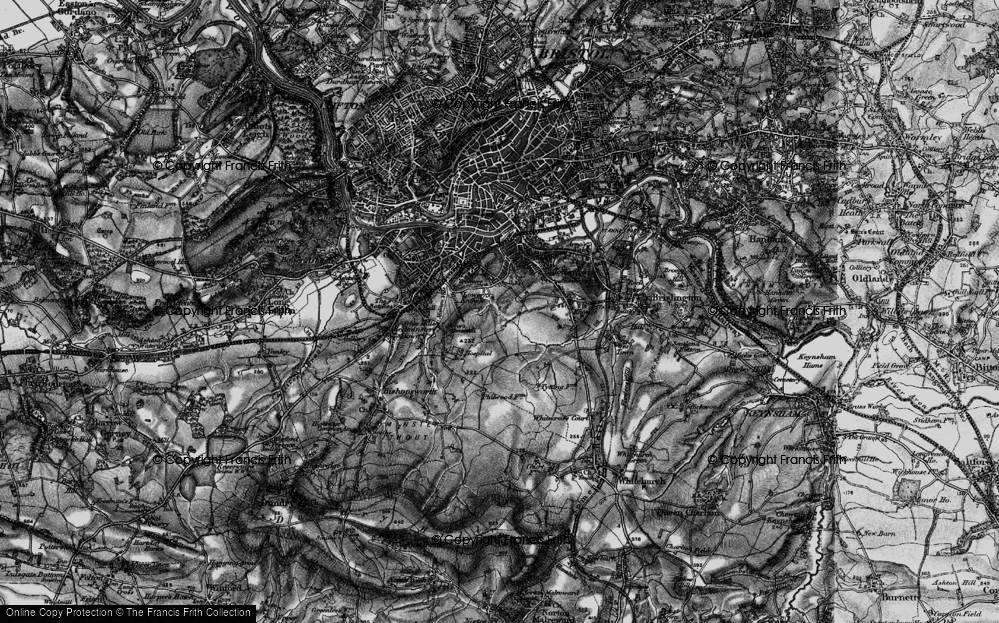
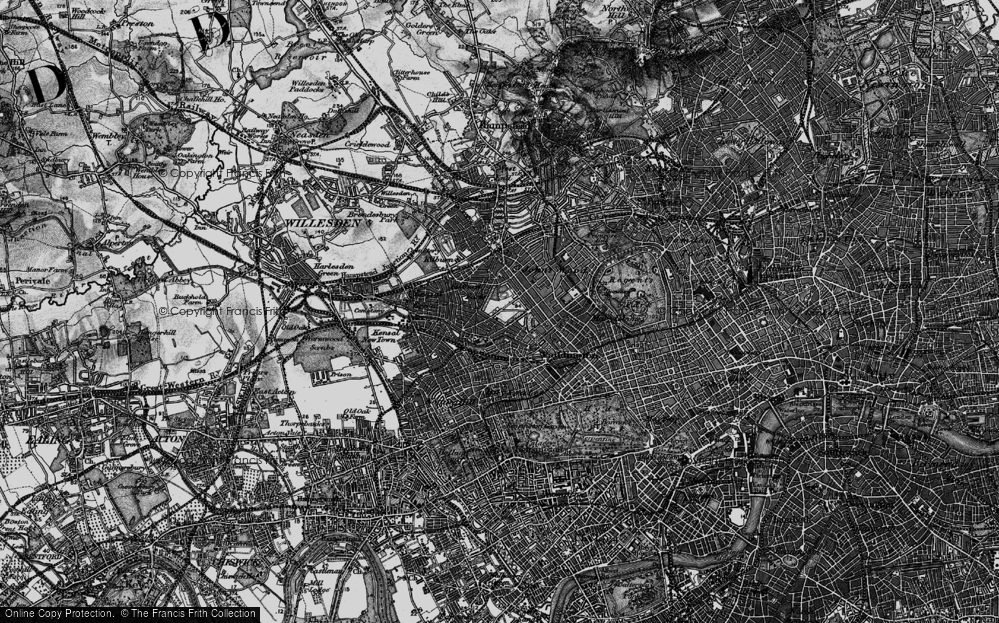
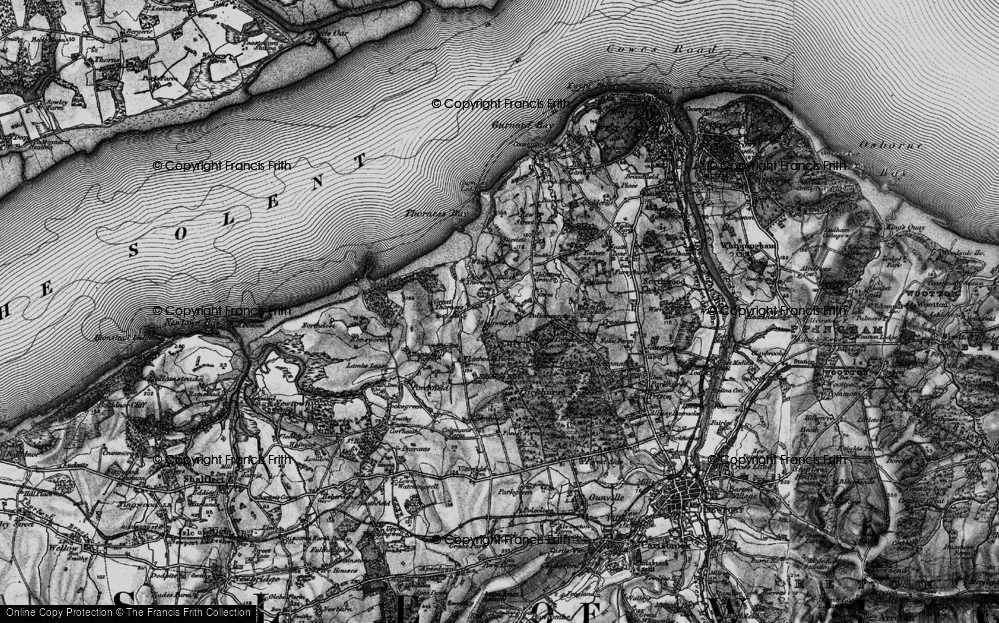
7,034 maps found.

Books
163 books found. Showing results 4,633 to 4,656.
Memories
22,913 memories found. Showing results 1,931 to 1,940.
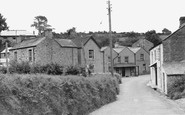
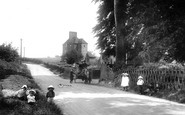
Great Part Of The Village
1970's and 80's: We had a great childhood playing at this end of the village. It was quiet except for the cars of people that lived up here. Everyone knew each other. My old house is in the background, all you can see is the ...Read more
A memory of Polgooth in 1980 by
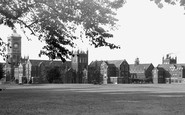
"The American University"
The school was converted for use as the campus for The United States International University in Europe. I was fortunate to be working as a Careers Advisor in nearby Watford whilst it was operating as a university and so I had ...Read more
A memory of Bushey in 1989 by
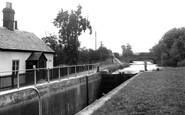
Where I Was Brought Up
I was 2 years old when we moved in, in 1950. My dad was the Lock Keeper, Alan Mclean Tait, my mum Florence (Always called Elsie)my sister Christina (Chris), me, Eddie & our spaniel Judy. We also had chickens and a cockrel. ...Read more
A memory of Harlow in 1950 by
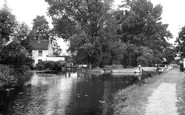
This Is How The Lock Looked Like When My Family Lived In Lock Cottage 1950 1961
This is where I spent my life from 2 years old till I was 13 years old. Fishing, rowing boats, paddling canoes and riding Kitty the horse in the field behind our cottage ...Read more
A memory of Harlow in 1950 by
My Great Grandparents In Kirkoswald
My Great Grandparents, James & Annie Robinson and their daughters Caroline & Jane, moved to Kirkcoswold in early 1900's. Annie died in childbirth soon after. James remarried Mary Hetherington and had a ...Read more
A memory of Kirkoswald in 1958 by
Bookham Cottage
Correction to this original post - Jennifer Hudson's memory has corrected my original post about this photo. The road shown is actually Crabtree Lane. Just on the right is a footpath through to the Dorking Road at the far end of ...Read more
A memory of Great Bookham by
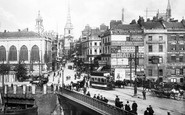
Can You Help?
Can anyone tell me if this photo is taken looking towards Victoria Street or towards High Street? In the 1860's my ancesters had a business "W & F Boucher, Tea Dealers" at 1 Bridge Parade, Bristol which was just at the end of the ...Read more
A memory of Bristol by
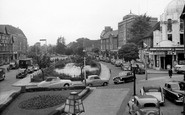
My Short Life In Gillingham Kent
I was born in a naval nursing home called "Canada House" on the 18th November 1954. I was the first child and boy - I was spoilt. I went to school at Byron Road Infants school until I was 6 then we moved to ...Read more
A memory of Gillingham in 1960 by
The Odeon
I was a member of the Odeon choir and it was around this time that we were taken to I think it was the Festival Hall, to compete against choirs across England and I got a bronze medal, I think it was the Star Festival. Unfortunately my ...Read more
A memory of Watford in 1952 by
Penton Camp Club
The Penton Camp Club started in about 1903. Its members included the Manager of Martin's Bank, London, the manager of the Drury Lane Theatre and many other rich men. They would come by train to Staines, the old station at the ...Read more
A memory of Penton Hook in 1900 by
Your search returned a large number of results. Please try to refine your search further.
Captions
9,654 captions found. Showing results 4,633 to 4,656.

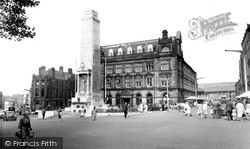
The Main General Post Office is on the left of the photograph. Gone are the days when it opened seven days a week from 7.30am to late in the evening.
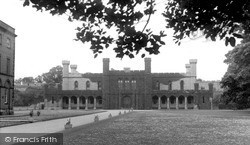
Dating from 1823, they are in a pallid and unconvincing Gothick, its symmetry giving away the fact that Smirke was not designing in his normal Neo-Classical style.
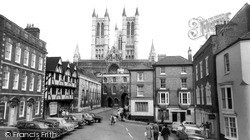
Dating from 1823, they are in a pallid and unconvincing Gothick, its symmetry giving away the fact that Smirke was not designing in his normal Neo-Classical style.
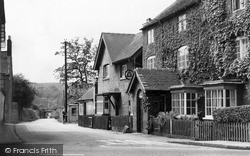
It was built in 1848-49 by the North Staffordshire Railway Company (nicknamed the Knotty after its emblem the Stafford Knot), to link local services to the main London line at Colwich.
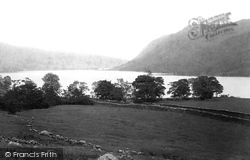
In 1893 the natural lake of Haweswater nestled peacefully in the unspoilt and beautiful valley of Mardale. At this time the road to Mardale village ran along the west side of the lake.
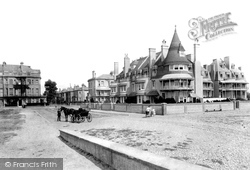
During the summer of 1894, Oscar Wilde and his family occupied this house overlooking the sea at the eastern end of the extended Esplanade.
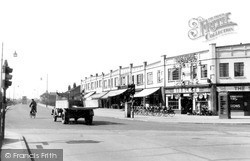
It was served by Evans Corner and this comprehensive parade of shops on the Rush Green Road at Dagenham Road crossroads.
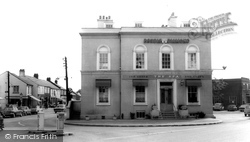
A spa was established at Hockley after 1838, when a Mrs Clay claimed that she had been cured of asthma by a well in her garden.
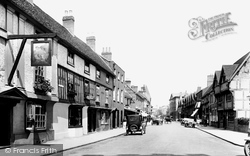
A continuation of Church Street, Chapel Street leads on to the High Street.
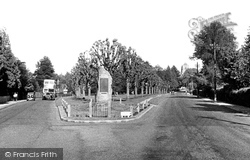
The A272 is the right-hand road, with St Wilfrid`s church in the distance, whilst the left-hand road leads to the junction with Boltro Road and further on, over the railway, reaches the
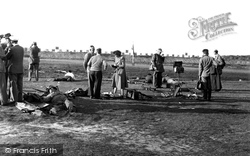
There is another village in Bisley - that of the clubhouses and mobile homes found at the National Rifle Association's ranges.
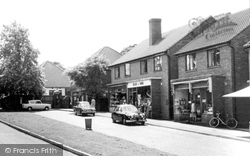
People first settled here at the foot of the North Downs because of the fresh water springs emerging from where the chalk meets a band of clay.
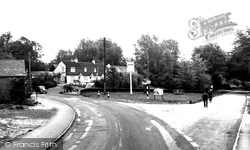
His story 'The Fox' was first published in 1923 and is set at Bailey Farm, which Lawrence based on Grimsbury Farm just outside the village.
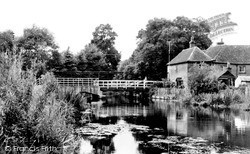
Much of the foliage has disappeared since this picture was taken. Today, walkers and fishermen can be seen at intervals along the canal, as well as colourful boating activity.
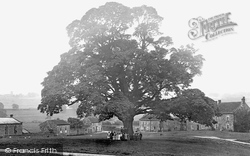
On the horizon is the tower of the church at Kirby Hill (left). Also in the village is the Bay Horse Inn (1857).
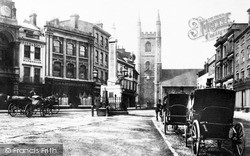
This view looks towards St Lawrence's church.
Visually unaltered, the memorial is still the focus of remembrance in the city.
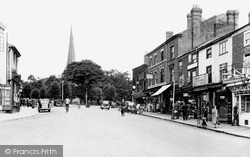
Most of Alcester Street was demolished in the 1960s, but this small part of it survived.
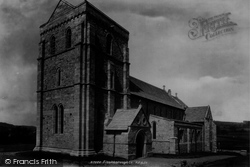
This church opened in 1900, replacing St Mary's Church, which formerly stood in the centre of Flookburgh.
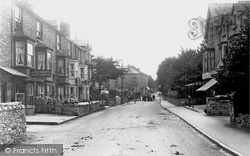
At the left was Jackson's the butcher's, now an electrical shop. The sign below the fourth bow window from the left indicates a café – it is now a furniture store.
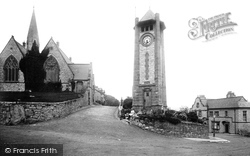
The clock tower was offered to the railway to be built by the station, but the offer was declined – so it was built by the parish church.
Lympstone suffered economic depression at the end of the Napoleonic Wars when its shipbuilding yards closed. A number of residents moved to Devonport to continue their trade.
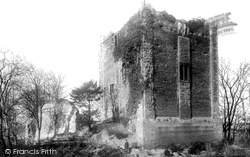
The ruinous 70ft high 12th-century keep is all that remains of Henry III's favourite palace. It was the only royal palace in Surrey; the motte was raised soon after the Norman Conquest.
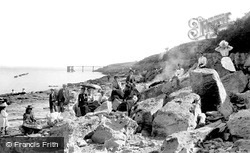
Here we see a family outing and picnic on the rocks at Friars Point, with a gentleman stanidng by a lady in a wheelchair.
Places (0)
Photos (0)
Memories (22913)
Books (163)
Maps (7034)