Places
2 places found.
Those places high-lighted have photos. All locations may have maps, books and memories.
Photos
232 photos found. Showing results 81 to 100.

Maps
34 maps found.
Books
Sorry, no books were found that related to your search.
Memories
469 memories found. Showing results 41 to 50.
Earith Was In Huntingdonshire And Still Is
I was born in St Ives in 1939 but lived in Earith at what is now number 43. Next door was my Grandad's grocer's shop - Bert Russell. I moved to Peterborough in 1958 where I still live in Werrington Village. ...Read more
A memory of Earith in 1940 by
Church Gate (60s 70s)
My grandparents (Mousleys) lived in 38 Church Street and that was the house where my mother was brought up during the Second World War and onwards. I remember staying there as a small boy: no inside toilet, an old hand water ...Read more
A memory of Lutterworth
Dunsmore People And Happenings Remembered
PREFACE TO THE SECOND EDITION In 1995, when the first edition of this history was published, it seemed incredibly optimistic to have had three hundred copies printed for a market which was ...Read more
A memory of Dunsmore by
Evacuee
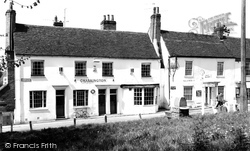
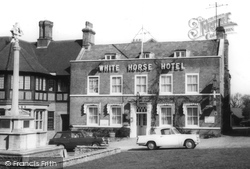
I was evacuated to Bearsted about a week before the outbreak of the last war. I lived at the White Horse Inn on the green, it was run by Mr & Mrs Brook they had a daughter called Tinkle (nickname). I was very happy there and stayed ...Read more
A memory of Bearsted in 1940
History Of Netherthong
I am currently researching and writing a history of Netherthong and I have well over 200 photos and other ephemera. I have started numerous chapters relating to such subjects as schools, parish council, churches, sport, ...Read more
A memory of Netherthong in 2010 by
Wilton Memories
Like Gloria Friend, I spent a happy childhood in Hornchurch, attending Suttons Primary School where my mother (Mrs Wilton) was deputy head and Mr Occomore our headmaster. We were carefully drilled in our tables, phonics and ...Read more
A memory of Hornchurch in 1948 by
Where I Was Born
My Beginning, at Sole Street near Cobham Kent. (9th March 1946 - 2nd January 1951) I was born on Saturday March 9th 1946 at 3.29pm at Temperley, The Street, Sole Street, Kent. I was delivered at home by the ...Read more
A memory of Sole Street in 1946
My Beloved Bonk
I have loads of memories of village life as a kid. I was born in 1961 and still live on the Bonk. I will probably die here as well. There were many old characters back then. Iron Bates the vegetable cart man (did some boxing ...Read more
A memory of Cheslyn Hay in 1969 by
Playing
When I was a child i used to play in the white house just past the garage just to the left of the picture when it was derelict.
A memory of Davyhulme in 1975 by

St. Mary Bourne
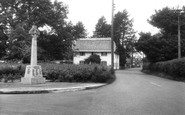
This is the War Memorial, which is in the centre of the village. The white house was occupied a few years later by Air Vice marshall and Mrs. Perry-Keene and adjacent is the home of Mr. and Mrs. Cook with their daughter Angela, not to mention the Jack Russell Terriers.
A memory of St Mary Bourne in 1955 by
Captions
173 captions found. Showing results 97 to 120.
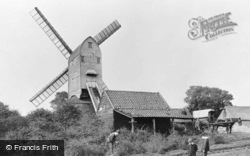
This is an East Anglian-style post mill with a white-painted weatherboarded body, four spring patent shuttered sails and winded manually by a tailpole.
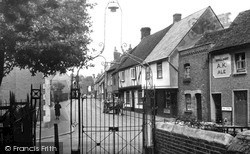
With the wrought iron gate and lantern frame in front of us, we look northwards towards Bourne Close and eventually, by a footpath across the fields, to Moles Farm and the Sow and Pigs public house at
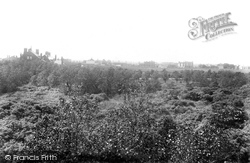
The intervening space up to Roman Bank was taken up by horse pastures and allotments.
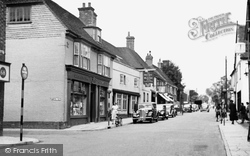
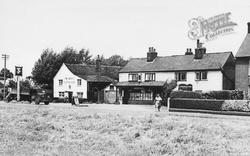
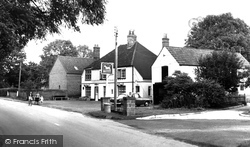
The signboard of the White Horse pub, across the road, advertises the availability of the locally-brewed Westerham ales.
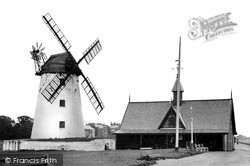
The white windmill, built by Richard Cookson in 1805, was in working order until 1918, when the fire damaged it.
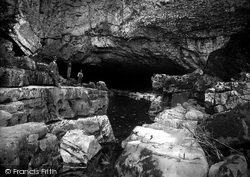
Actually this picture was taken a mile south of the hamlet of Ystradfellte at the place where the River Mellte tumbles into the dark mouth of this cave, which in English means White Horse Cave.
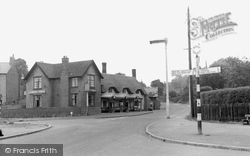
These stories might have been about the 'fine lady upon a white horse' who rode her 'Cock horse to Banbury Cross' (possibly Celia Fiennes); or about the infamous Dick Turpin, who apparently visited
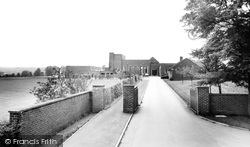
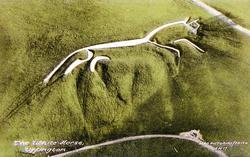
It has grounds of about 35 acres, with splendid views of the Downs and the White Horse. It became a comprehensive in 1974, merging with the Fynamore Secondary Modern School.
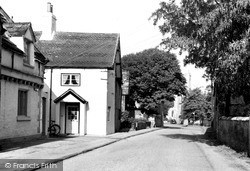
Modern housing now covers most of the old estate and nursery, and only the name remains in street signs.
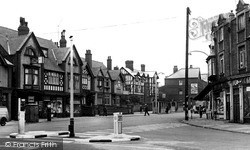
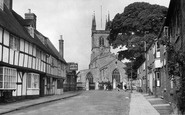
The large black and white half-timbered building, with the bus stops outside, is the Black Horse Inn, which still stands.
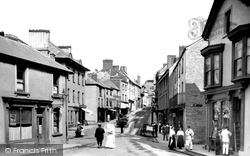
The motor car is not yet a common sight, hence the horse-drawn carts going about their business.
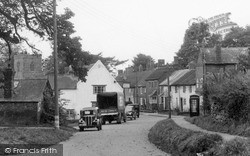
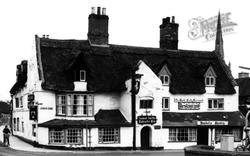
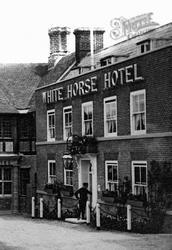
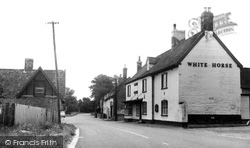
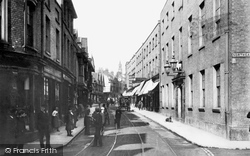
Frith's photographer has moved into the High Street and is looking south towards The White Horse pub - which is little changed today.
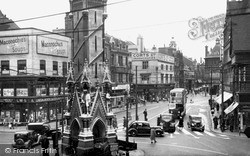
The pinnacled and canopied Clock Tower, designed by Joseph Goddard in 1868, dominates the forefront of the photograph, while its four stoney local worthies, Simon de Montfort, William Wyggeston,
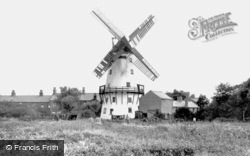
Alongside the mill was T Kirkham's blacksmith's shop; horses were brought here through Atkinson's fields. In the yard was also Jack Breckell's wheelwright's shop.
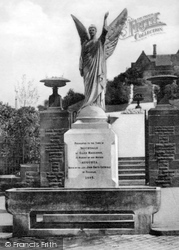
Officially described as a `drinking fountain for horses, cattle and dogs`, it became known as the Angel, owing to the 15ft-high white Sicilian marble statue on a Yorkshire stone base.
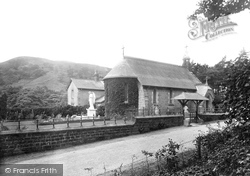
The pure white marble angel (centre left) is seen by all who pass through the Trough of Bowland.
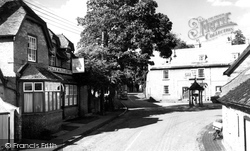
An 18th-century house incorporating Trowell Stores (advertising Brooke Bond Tea) and the White Horse Inn selling Tolly ales and stout face the square.
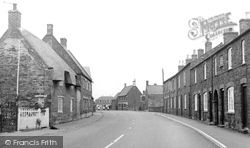
The White Hart pub (centre right) sits at right angles to the street, but the inevitable 20th-century interloper of considerably lesser architectural merit can be seen in the distance.
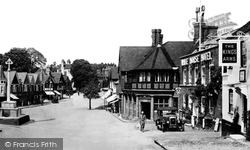
When the railway finally opened in January 1859, a celebratory dinner was held at the White Horse Hotel (next door).
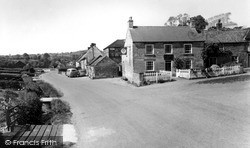
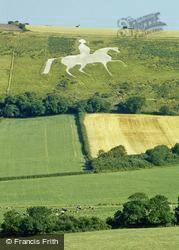
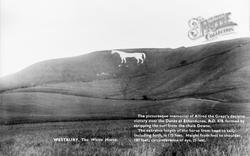
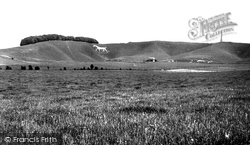
The White Horse, a chalk hill figure, was carved in 1857. It is still a major attraction and can be seen for miles. The church of St Mary, off to the right, dates from 1120, with a tower of 1667.
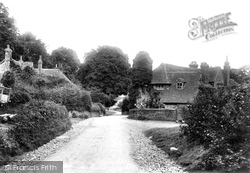
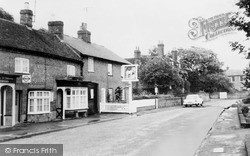
This view looks north-east along the A283 past its junction with Church Lane on the right in front of White Horse Cottage, whose chimney stack is here covered in creeper.
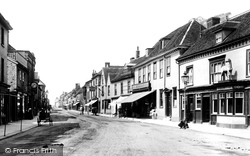
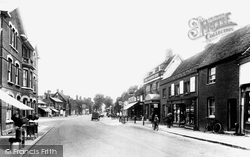
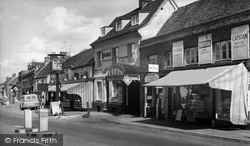
On the right is the White Horse, run by George Rampling; next door is Boggis's the drapers in the 18th-century building with dormer windows; then comes William Alston's 'Second Hand Furniture Warehouse
The White Hart pub (centre right) sits at right angles to the street, but the inevitable 20th-century interloper of considerably lesser architectural merit can be seen in the distance.
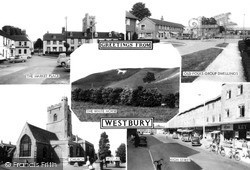
The town's identity is linked to the magnificent white horse cut into the chalk hillside, a landmark which guides the traveller.
Places (2)
Photos (232)
Memories (469)
Books (0)
Maps (34)